7 things that are labeled ‘bad habits’ but are actually proven to be good for you

In moderation, of course.

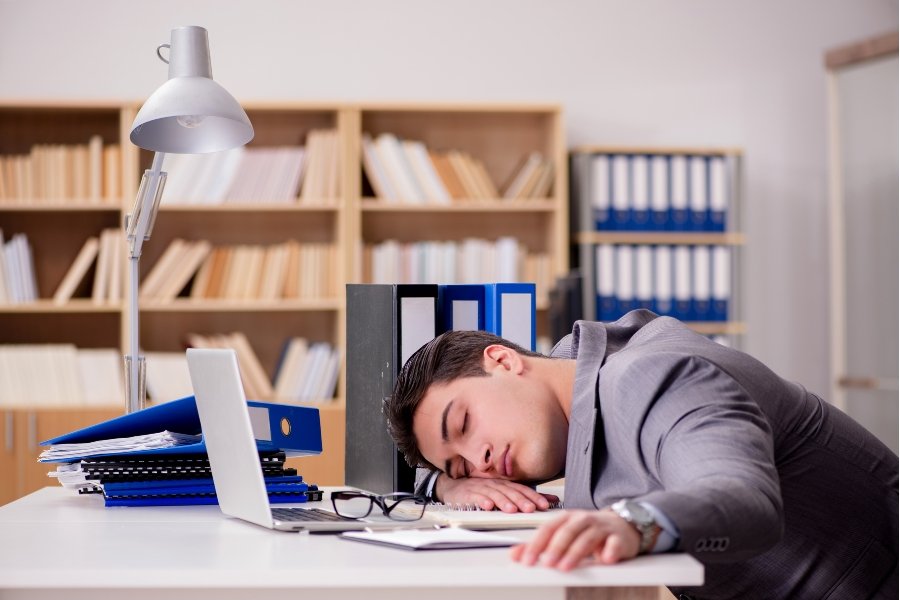
man asleep at his desk
Photo credit: CanvaWork naps? Not a bad habit.

The success of “Atomic Habits” and a million other books about forming good habits or breaking bad ones should tell us something about how much humans think about our habits. We all have things we wish we did more or wish we did less, but what if some of our notions of good habits vs. bad are just…off?

Some things that are traditionally labeled as bad habits can actually be good for you, but they’ve gotten a bad rap for some reason. So when someone asked Reddit for examples of habits that are counted as “bad” but are actually good, people delivered.

Here are 7 of the most popular answers:


Fidgeting

How many kids were forced to sit still in school, internalizing the message that shaking your leg or foot or fidgeting in their seat was a bad habit? Turns out, movement like that is actually good for you. We’ve all heard that sitting is the new smoking, and tapping your toes or rocking in your chair helps keep your blood moving and protect your arteries from some of the harms posed by being too sedentary.
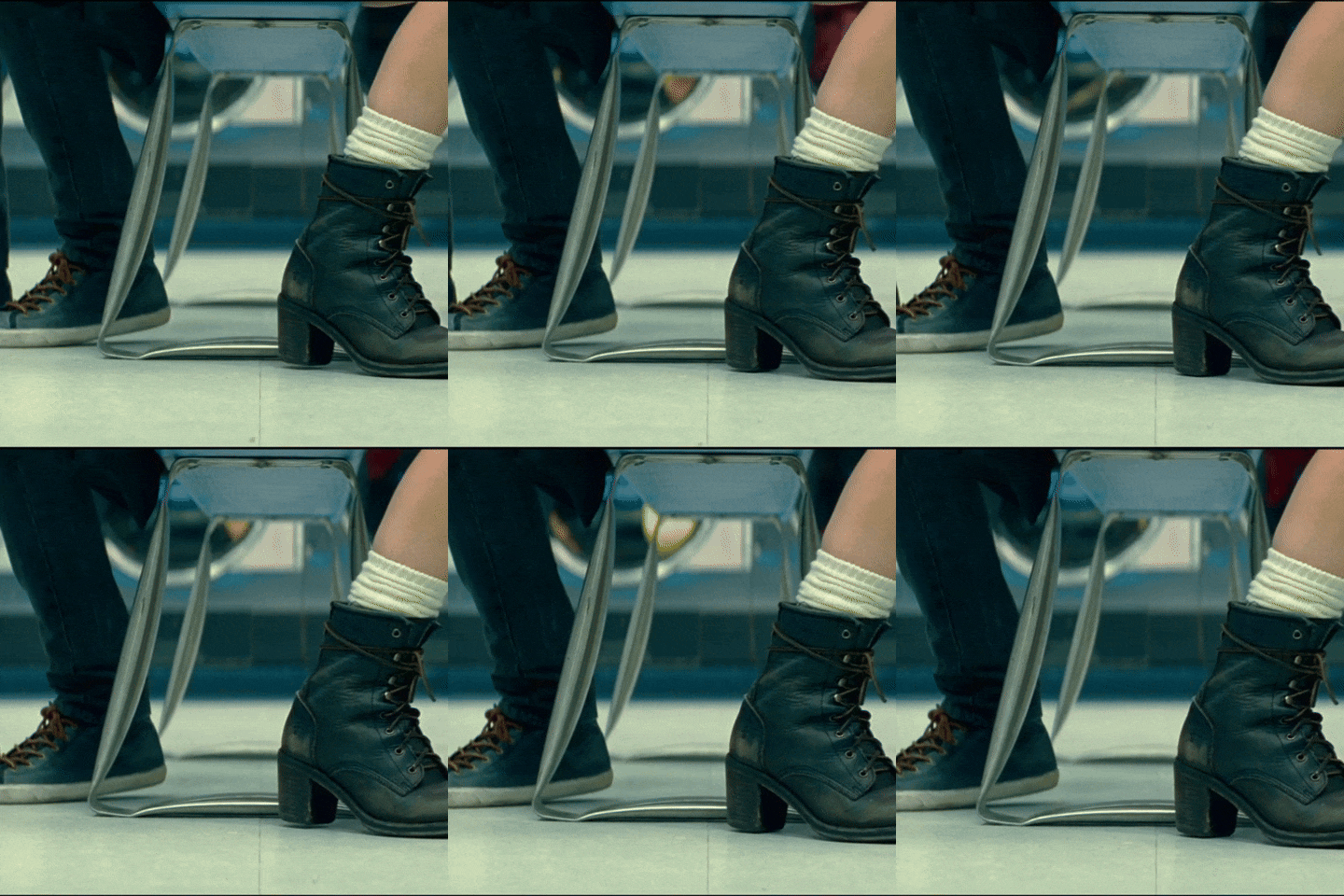
“Shaking/vibrating your leg when you have to be sitting for a long time, gets the blood moving, better than being completely stationary for hours.”

“It’s also useful when my toddler wants to be bounced. I just put him on my already shaking leg and it keeps going.”

“As someone with ADHD, this is good news!”

“As a wise man once said, ‘Motion is lotion.’”

“I have two relatives who are doctors. They both did an elder-care rotation and said ‘Motion is lotion: you stop moving, you die’ really resonated with their patients.”

Crying

How many children heard “Big boys don’t cry” or “Stop that crying or I’ll give you something to cry about?” growing up? Much like “stop fidgeting,” those admonitions weren’t just unkind or unrealistic, they were also wrong. Crying can be beneficial, helping to relieve stress and restore emotional balance.

“Crying actually helps ease pain, physically and emotionally.”

“Yes and I heard our tears actually contain stress hormones, so it’s literally helping our body reduce cortisol! That’s why we ‘feel better after a good cry.’”

“We evolved to both sweat and cry in order to survive in the world. Our bodies use both to keep us alive and biologically calibrated. Sweating and crying helped us outperform and outrun our predators and prey, and helped us build cohesive bonds, work as units, and build civilizations.

As a US Marine, this information is literally the difference between life and death not just in ourselves, but the life and death of others too.”

Napping at work

Okay, not necessary at work, though that would be good, too. But at during a work break, a short nap can revive and refresh you. According to the Mayo Clinic, a short nap in the early afternoon is the best nap for getting the benefits of napping without messing with your nighttime sleep.
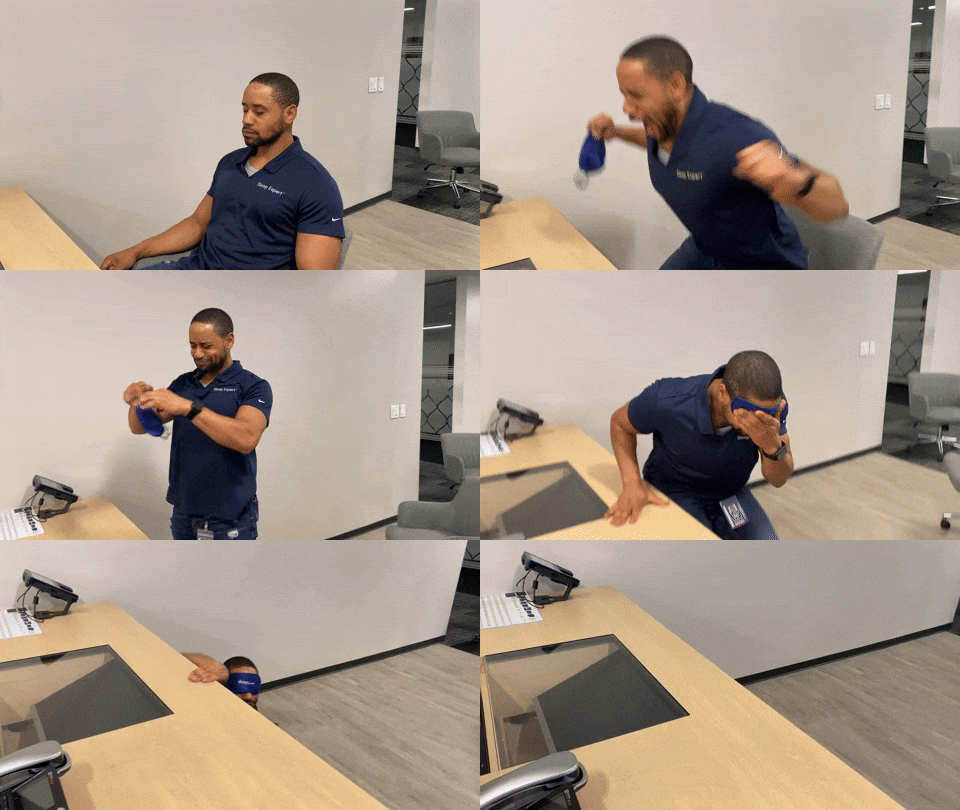
“Taking a nap during lunch breaks. Some look down on it but I get a lot of energy from it.”

“Sometimes its not really about falling asleep. Just closing your eyes, laying back and purging any thoughts from your mind is enough.”

“All of Asia has done this forever. You ever spend time at an office in China? It’s almost eerie how quiet and dark it gets at lunch time, dudes roll out cots from under their desk and zonk out for a solid hour.”

“At work we have these privacy pod things in our cafeteria that are super comfortable, so I take a nap there most days. Definitely needed haha.”

Being lazy

Doing nothing all the time is definitely not healthy, but in our go, go, go society that places enormous value on “productivity,” carving out some “do nothing” time is actually beneficial. Rest and relaxation are an important part of a balanced life, and there are genuine health benefits to doing nothing.

“Being lazy from time to time. Sleeping in. Just doing nothing. There are so many ‘hustle’ adds and posters everywhere. My GF and some of my friends fill so much their schedule that there is barely any time for rest or enjoying a book or a game or smth. Me, having pretty busy everyday life I always make sure to have at least 10 or more hours a week to do nothing productive. Enjoy life, nature, friends, alone time, watch stupid videos, play games.”

“It’s funny, when I was younger I had a ton of free time, and always felt like it was important to be productive and make use of it. Often a bit of guilt if I sat around for hours. Now my days and weekends are filled with responsibilities and events and things going on without me even explicitly trying to fill them, and I find that anytime I have nothing to do feels amazing. If I happen to get a day where I’m totally by myself and nothing is planned I will happily play 8 hours of video games and not feel like a moment was wasted.”

“Near my house, there’s a small meadow sourrounded by trees, where you can’t hear any sounds from the nearby village and road. In summer it’s just leaves rustling and insects buzzing. I go there every now and then, kick off my shoes, lie on a blanket in the shade and think of nothing.

My wife and kids don’t get how I can just doze off and spend an entire sunny summer afternoon just being at ease with myself, but it recharges my batteries like nothing else does.”

Talking to yourself

Traditionally speaking, talking to yourself in public has been seen as an oddity at best and a sign of a mental disorder at worst. But research shows that talking out loud to yourself can actually help with organization, focus and attention, emotional regulation and more.

“Talking to yourself, although it can be taken as a sign of loneliness, also helps you concentrate and organize ideas, of course, without overdoing it.”

“Ppl call me crazy for it but this is what gets me clarity so f them lol. Talking to ourselves is one of the best ways to understand the situation/idea/whatever it is as much as it helps us to understand our own selves and well,who wouldn’t want to have a good relationship with their own selves?”

“I do this when driving alone! Helps me process my emotions and thoughts.”

“Talking to yourself! People think it’s weird or a sign of being scatterbrained, but honestly, it’s super helpful. Whether I’m working through a problem, organizing my thoughts, or just giving myself a pep talk, it makes things clearer. Saying things out loud helps me process info better and stay focused. Plus, it’s like having a personal brainstorming session. So yeah, if you catch me chatting with myself, just know I’m getting stuff done!”

Staying up late

Ben Franklin famously said, “Early to bed, early to rise makes a man healthy, wealthy and wise,” and people have run with that for centuries. But there’s no inherent virtue in going to bed early and waking up early, and some people’s natural rhythms put them on a later cycle. Not only that, but some research shows that night owls have superior cognitive function compared to early birds. (Don’t worry, morning larks. You’re still awesome.)

“Staying up late. Some people have different circadian rhythms and it makes evolutionary sense that in order for a population to thrive you couldn’t all be asleep at once.”

“Took me a life time to figure this out. Growing up I always struggled to make it to school without having a disgusting lack of sleep. Often I’d be in bed at 1230-1 am and have to be up at 6.

That habit made its way into adult life when I graduated college and got myself a 9-5. I remember having the worst anxiety on Sunday because Friday/saturday I was actually able to sleep from 2 am till 9 am, but Sunday I’d have to try and force myself back to sleep early.

Then five years ago I got a bartending job. At first I worked from 9 pm till 2 am, but going to bed at 3-4 am wasn’t optimal. Eventually I found work where I was leaving work at 930-10 pm. Perfect. Now I have time before and after work to relax, I go in for six hours, make $200-300 and come home.

Work has never been more relaxing. And I’ll never sacrifice my sleep for the sake of working “normal” hours.”

“There’s also the fact that prior to the industrial revolution, most cultures had two sleeps technically. You would wake up for 1-3 hours in the middle of the night, they called it “the watch”. We spent eons sleeping and waking this way, only stopped about 130 years ago. The negative effects are showing.”

Gaming

Back in the 80s and 90s, grownups were convinced that video games were going to be the downfall of the world. The research is always evolving on this front, but what we have learned is that moderate video game playing can actually have some benefits. For instance, one study of nearly 2,000 kids found that playing video games for three hours a day was correlated with better performance on cognitive skills tests involving impulse control and working memory than never playing video games. All things in moderation, of course, but gaming itself isn’t the boogeyman it was made out to be.

“Gaming (in moderation). Studies have shown it improves problem solving, critical thinking, multi tasking, decision making, hand-eye coordination, spatial awareness, memory, and concentration.”

“Video games. Proven to relieve stress and tension, and is an acceptable outlet for your emotions which doesn’t hurt any real people.”

“Most ppl who criticise games who play you much would then go on to scroll Instagram brain rot for just as much time per day. Out of the two, excessive gaming is much better than excessive social feed.”

Gaming is healthy – so long as it doesn’t prevent you from a variety of other healthy activities!”

Maybe it’s time to rethink a lot of our behaviors that have been labeled as bad habits but might actually be good.

  • Love spicy food? Research shows it could reduce your risk of death by 25%.
    Photo credit: Navin Rajagopalan/FlickrBuffalo wings from the famous Anchor bar.

    American food doesn’t have a reputation for being very spicy. But if things keep going the way they have over the past 20 years, that could change. America is going through a spicy renaissance that is hard to miss at fast-casual restaurants, drive-thrus, and in the snack aisle.

    As of 2025, 19 out of every 20 restaurants in the United States offer at least one spicy item. Frito-Lay now sells at least 26 varieties of Flamin’ Hot snacks, and as of last year, more than half of Americans were likely to buy an item listed as “spicy,” compared to 39% in 2015.

    While this massive shift in American tastes sounds like it is bound to cause more pain than pleasure, research suggests the opposite. In fact, multiple studies associate eating spicy food with living a longer life. A 2025 study published in the Chinese Medical Journal found that people who ate spicy food at least once a week had a lower risk of vascular disease than those who rarely or never ate it.

    A 2017 study from Larner College of Medicine at the University of Vermont found that Americans who ate hot red chili peppers had a 13% lower risk of death. Here is the big one: In 2020, research presented at American Heart Association Scientific Sessions, using data from more than 570,000 people, found that those who regularly consumed chili peppers had a 26% lower risk of death from cardiovascular disease and a 25% lower overall risk of death.

    spicy food, hot sauce, mango hot sauce, hot food, peppers
    Bottles of hot sauce. Photo credit: Dominik Gryzbon/Pexels

    The studies show that eating spicy food is associated with greater longevity, but they have yet to pinpoint a direct cause. Correlation is not causation, so other lifestyle factors could be involved. However, capsaicin, the compound that gives peppers their heat, has been found to have numerous health benefits that may directly affect longevity, particularly heart health. Plus, it binds to receptors throughout the body, so its greatest benefits may yet be discovered.

    According to Mayo Clinic, capsaicin has been found to increase the body’s ability to burn calories. It is also known to fight low-grade inflammation, which may contribute to heart health. One study found that capsaicin significantly reduced risk factors in adults with low HDL cholesterol levels. 

    indonesian food, sambal, hot food,
    Indonesian sambal. Photo credit: Fadli Octora Channel/Pexels

    “Chili peppers have many life-extending benefits and can be used in many meal preparation strategies,” Dr. Philip Goglia told Your Tango. “Capsaicin, which can be found in chilies, has been shown through past studies to have antibacterial, anticarcinogenic, and anti-diabetic properties. Additionally, it can reduce cholesterol levels in obese individuals.”

    In a world where things that taste good are often bad for your health, this is great news for people who love food with a kick. It is a great excuse to carry a little bottle of Tabasco wherever you go. If you are not into spicy food but want the health benefits of capsaicin, take it slow by trying a little spice here and there, and you may build a tolerance. Before you know it, you could be graduating from mild chicken wings to Molten Lava Atomic Inferno sauce and cruising down the road to longevity.

  • A stylist noticed a subtle change in client’s hair and immediately asked if she was pregnant
    Photo credit: CanvaA hairdresser takes a photo of her client's hair.
    ,

    A stylist noticed a subtle change in client’s hair and immediately asked if she was pregnant

    The science behind what she spotted in her client’s hair is genuinely fascinating.

    Beth Lunn was doing what hairstylists do: examining a client’s hair, moving pieces up and checking the texture and color. Then she stopped. She picked up another section. Looked closer. And then, without any prior conversation about it, asked her client, “Are you pregnant?”

    The video she’d been recording for her Instagram page, @honeylunnhair, cut off there. The client, later identified as Chanelle Adams, laughed nervously and kept asking, “What? Why?” Lunn asked again. Adams repeated, “Why?” A few rounds of that, and then Adams looked straight at the camera and said, “Not in the video,” before Lunn ended the recording.

    Within three days, the clip had reached 126 million views and 5 million likes, with one question dominating every comment section: how on earth did she know?

    The answer, it turns out, is rooted in real biology. Lunn followed up with a second video after being flooded with questions, sharing photos of a client who was five months postpartum and walking through the science. As she explained it, “hormonal change causes an increase in estrogen and progesterone, which can alter the hair’s pigment (melanin).” She was careful to note that results vary from person to person, and that there is no “scientific evidence” that coloring one’s hair while pregnant causes harm to the baby, though she leaves that decision to her clients.

    The hormonal explanation holds up. According to experts at BehindTheChair.com, elevated estrogen and progesterone during pregnancy can prolong hair growth cycles, change density, and shift the way hair looks and feels entirely. Texture, color, and even how it takes dye can all change.

    On the question of coloring specifically, the NHS notes that most research shows it’s safe to dye or color your hair while pregnant. The chemicals in permanent and semi-permanent dyes could cause harm, but only in very high doses, and the amount absorbed through the scalp during a normal appointment is very low. Still, many people choose to wait until after the first 12 weeks, when the risk is lower. Worth knowing: if you’re in your second or third trimester, your hair may react differently to color than it normally would.

    Commenters who watched the original video had their own theories about exactly what Lunn saw. @nicole.marie44 wrote, “Your hair tells you so much about your health! She probably saw banding in her hair, and that is common with pregnancy.” @asmaiel_soulvane put it simply: “If she could tell someone is pregnant from their hair. She’s worth the money hands down.”

    Lunn hasn’t revealed exactly what visual cue tipped her off, which probably explains why people keep watching.

    You can follow Beth Lunn (@honeylunnhair) on Instagram for more entertaining and hair-related content.

  • The heartbreaking reason why this man is running marathons with a 55-lb fridge strapped to his back
    Photo credit: theftdborthers/Instagram (used with permission)Jordan Adams is running with a fridge to raise awareness of dementia.

    Among the thousands of runners participating in this year’s London Marathon, one figure stood out in a way that was impossible to ignore. As 30-year-old Jordan Adams completed the race with a 25-kilogram (55-pound) fridge secured to his back, heads turned at every mile.

    Yes, it was unusual, but the heartbreaking reason behind it gave the moment a depth that stayed with those who witnessed it.

    Carrying more than weight

    Adams took on the challenge to bring attention to frontotemporal dementia, a condition that has shaped his family’s life for years. His mother, Geraldine, was diagnosed in her 40s when Adams was a teen, and died after living with the illness for six years. Since then, multiple relatives have also been lost.

    He and his brother Cian later learned they both carry the same genetic mutation.

    “I am a carrier. I have a 99.9% chance of getting familial FTD. It’s not a matter of if. It’s a matter of when,” Adams told the BBC, according to the Bristol Post. “And I just want do as much as I can in the time that I have to help those living with dementia, those impacted by it, so that I leave this world, hopefully in a better place when dementia does take my life.”

    The fridge was never about pure spectacle. It was meant to represent something less visible but viscerally felt nonetheless.

    “Because that’s what it feels like sometimes – like you’re carrying something heavy that no one else can see. I’m doing this to make dementia visible,” Adams said, according to LAD Bible. “But more than that… to show you that whatever you’re carrying, you don’t have to carry it alone.”

    A moment shared with thousands

    Running a marathon under normal circumstances demands months of preparation. Doing so with added weight required an even more careful approach, from building strength gradually to repairing equipment when it failed during training.

    Still, it was the atmosphere on race day that left the strongest impression. Cheers from the crowd helped carry him through the most difficult stretches, turning an intensely personal mission into something shared by many.

    “Honestly, it felt like the whole of London was with me and I’ve never experienced anything like that. I probably never will [again] in my life,” Adams recalled. 

    What comes next

    The finish line in London marked the start of another challenge. Within hours, Adams traveled to begin a 32-day run across Ireland, completing a marathon in each county alongside his brother.

    Beyond raising awareness, Adams shared that the “FTD Brothers” had an additional goal: “to try and raise a million pounds before we die of dementia.” This money would go toward research and provide support for families affected by the illness. 

    “We’re on a mission because we have a clock kind of ticking against us, and we want to make as much of a difference in the next 10, 15 years that we have and the time that we have left,” Adams said.

    Choosing how to move forward

    Living with that knowledge hasn’t been easy. Adams has spoken openly online about the emotional toll of his diagnosis, including periods of depression and uncertainty about the future. What helped him through it most was the encouragement he received from those around him. He now aims to provide that kind of hope to others facing similar realities.

    “Losing my mum the way I did changed everything,” he told the Irish Examiner. “Now being diagnosed myself, I had a choice and I chose to do something that shows life doesn’t stop here.”

    How to help the mission

    Donations to the FTD Brothers’ GoFundMe have already climbed rapidly as more people hear their story. 

    If you want to help, you can donate directly to the FTD Brothers’ GoFundMe page here. Every contribution, no matter the size, supports dementia research and resources for families facing the same diagnosis.

  • Doctor explains how to accurately predict your longevity with simple at-home test
    Photo credit: via Pexels A woman sitting cross-legged on a yoga mat

    Death: It’s hard to talk about, and sadly, even harder to avoid. That’s why everyone wants to know how long they will live and there are many indicators that can show whether someone is thriving or on the decline. But scientists have yet to develop a magic formula to determine exactly how long someone should expect to live. Which, let’s be real, is probably a good thing. Knowing exactly how much time you have left to enjoy your life could cause a lot of anxiety, to say the very least.

    NBC News medical contributor Dr. Natalie Azar appeared on the TODAY show on March 8, 2023, to demonstrate a surprisingly simple test that may predict how long someone aged 51 to 80 has to live. The test is called the sit to stand test, also known as the sit-rising test or SRT, and it takes less than a minute to perform.

    How to take the sit to stand test

    The test is pretty simple. Go from standing to sitting cross-legged, and then go back to standing without using any parts of your body besides your legs and core to help you get up and down. The test measures multiple longevity factors, including heart health, balance, agility, core and leg strength and flexibility.

    You begin the test with a score of 10 and subtract points on your way up and down for doing the following:

    Hand used for support: -1 point

    Knee used for support: -1 point

    Forearm used for support: -1 point

    One hand on knee or thigh: -1 point

    Side of leg used for support: -1 point

    Two studies, 13 years apart, came to the same conclusion

    A 2012 study published by the European Society of Cardiology found a correlation between the SRT score and how long people live. A follow-up study published in 2025 in the European Journal of Preventive Cardiology further confirmed the SRT as a strong predictor of both natural and cardiovascular causes of death, reinforcing the original findings.

    The study was conducted on 2002 people, 68% of whom were men, who performed the SRT test and were followed by researchers in the coming years. The study found that “Musculoskeletal fitness, as assessed by SRT, was a significant predictor of mortality in 51–80-year-old subjects.”

    Those who scored in the lowest range, 0 to 3, had up to a 6 times greater chance of dying than those in the highest scores (8 to 10). About 40% of those in the 0 to 3 range died within 11 years of the study.

    What does your score actually mean?

    Azar distilled the study on TODAY saying: “The study found that the lower the score, you were seven times more likely to die in the next six years.”

    “Eight points or higher is what you want,” Azar said. “As we get older, we spend time talking cardiovascular health and aerobic fitness, but balance, flexibility and agility are also really important,” she stressed. A score of eight or nine means you’re allowed to roll forward onto your knees and then rise, which a lot of people will find more comfortable. If you can rise that way, you’re still in a pretty good spot health wise.

    One should note that the people who scored lowest on the test were the oldest, giving them a naturally elevated risk of death.

    Dr. Greg Hartley, Board Certified Geriatric Clinical Specialist and associate professor at the University of Miami, told the Atlanta Journal-Constitution that we should take the study with a grain of salt. “Frailty, strength, muscle mass, physical performance: those things are all correlated to mortality, but I would caution everybody that correlation doesn’t mean causation,” he said.

    And of course, the test doesn’t take into account injuries or disabilities that may make doing the test impossible. But one of the study’s authors says that the study is a call to take our mobility seriously.

    “The more active we are the better we can accommodate stressors, the more likely we are to handle something bad that happens down the road,” Dr. Claudio Gil Araujo, told USA Today.

    seniors, longevity, physical fitness, exercise, health, aging
    Even low-impact exercise like yoga can increase your mobility and flexibility and, thus, your SRT score. Photo credit: Canva

    What to do if your score is low

    What should you do if you can’t manage a good score on the SRT? First of all, don’t panic! It’s never too late to improve your overall health, fitness, and strength, so regular exercise is a great thing to incorporate if you’re not already doing it.

    A couple of specific skills that will help are boosting your ankle flexibility, hip mobility, and core strength. Trainers recommend incorporating squats, lunges, and planks into your regular routine. Just using your own bodyweight is plenty to get started, though if you’re up for incorporating any added loads, the strength training will do wonders for your bone density, as well.

    But remember that the SRT is just a measure of strength and mobility, which could correlate to an older person’s likelihood of suffering from a fatal fall. It doesn’t do anything to measure your cardiovascular health (vitally important especially in older people), for example. And it may not even be the most reliable longevity test out there. It has been criticized for its extremely unnatural range of motion. For starters, rising by pushing up on the sides of our ankles with our knees pointed outward is certainly not representative of a real-life situation. Some doctors insist that your comfortable walking speed is a better indicator of health and longevity, while others say grip strength is the key measurement.

    Remember, it is never too late to start healthy routines for a better quality of life.

    This article originally appeared three years ago. It has been updated.

  • One simple shift in your morning routine can improve your sleep and energize you all day
    Photo credit: CanvaA woman enjoys the sunset

    Most of us have a desire to improve our health, sleep more soundly, have more energy and just generally feel better in our daily lives. And yet those things feel elusive to many of us, so we’re always on the hunt for hacks that can help us, and if those hacks don’t require a huge change in lifestyle or herculean feats of willpower, all the better.

    Thankfully, there’s one small change you can make to your morning routine that can make a big difference in how you feel, think and sleep, and it’s refreshingly simple.

    The simple morning habit that changes everything

    In a nutshell: Go outside and face the sun. More specifically, go outside as soon as possible after waking, but definitely within the hour, and look toward the sun for 2 to 10 minutes if it’s a bright, sunny day and a little longer on a cloudy one.

    Most of us know we get vitamin D from sun exposure on our skin, but that’s really not what getting morning sunlight is about. It’s about the sun’s light energy hitting our eyes.

    As Dr. Andrew Huberman, associate professor of neurobiology and ophthalmology at Stanford University School of Medicine, explains, “This is not some ‘woo’ biological thing. This is grounded in the core of our physiology. There are literally hundreds if not thousands of quality peer-reviewed papers showing that light viewing early in the day is the most powerful stimulus for wakefulness throughout the day and it has a powerful positive impact on your ability to fall and stay asleep at night.”

    Huberman calls it a “power tool” for getting a great night’s sleep and lists it as one of the six pillars people should invest in every day—morning sunlight, daily movement, quality nutrition, stress control, healthy relationships and deep sleep.

    While the advice to look toward the sun flies in the face of all the times we’ve been warned not to look at the sun, in the early morning, the sun is less intense and you don’t need to look directly at it to get the benefits of its light rays. The photons still enter your eyes through indirect light, triggering the cortisol spike that sets your circadian rhythm in order.

    Andrew Huberman, morning sunlight, circadian rhythm, improve sleep, biohacking, cortisol, wellness routine, natural light, sleep hygiene, energy boost
    A woman faces the warm sun. Photo credit: Canva

    Why sunlight is so important

    “Getting sunlight in your eyes first thing in the morning is absolutely vital to mental and physical health,” Huberman says. “It is perhaps the most important thing that any and all of us can and should do in order to promote metabolic well-being, promote the positive functioning of your hormone system, get your mental health steering in the right direction.”

    And you can also see Dr. Huberman go a lot more in depth about the benefits of sunlight and light therapies of all kinds here.

    This article originally appeared two years ago. It has been updated.

  • Strong 71-year-old woman is showing that heavy weightlifting is for seniors. Doctors agree.
    Photo credit: @HealthLongevity1/YouTubeAt 71, Emmie Sanh feels stronger than ever.

    During the COVID-19 pandemic, Emmie Sanh was at a low point. She didn’t feel good, barely exercised, and was tasked with caring for her aging mother. Like many people, she realized her life needed to change, so she decided to take up weight training. Here’s the thing, though: she started at the ripe young age of 68.

    Now Sanh’s commitment to strength training has gotten her noticed, with many people inspired by the videos she uploads to her social media. Commenters have remarked on her energy level and have been impressed by the number of squats, curls, lunges, and other weight-room exercises she showcases.

    “If you told me 50 years ago that I’d be lifting heavier than ever and feeling my most energetic at 71, I never would’ve believed you – but here I am,” Sanh told Women’s Health. “Getting older is inevitable but weakness is optional, and I’m so grateful that I get to do hard things at 71. After all, I don’t lift for my age – I lift for my life.”

    Why many doctors recommend weight training for seniors

    Understandably, many people consider weight training to be a younger person’s game. Typically, many older adults become weaker and lose size or stature, making weight training look like it’s for younger people. But that is precisely why many doctors recommend that adults include more weight training and resistance exercise as they get older.

    Studies have found that heavy weight training by seniors can benefit their lives. Such strength training can help prevent muscle mass from deteriorating and can improve mobility. Muscles build, tendons get stronger, and bone density increases. Building bone density is important as a person ages, helping reduce the risk of osteoporosis.

    What weight training exercises should seniors try?

    Personal trainers who spoke to Upworthy offered exercise recommendations and tips for seniors who want to head to the weight room.

    United States Marine Corps veteran and professional trainer Victor Kanashiro suggests Smith machines as a great place for older lifters to start.

    “A few examples of safe heavy weightlifting exercises for older adults include Smith machine squats, Smith machine bench press, and Smith machine rows are effective options,” said Kanashiro. “These movements provide the benefits of compound barbell lifting while adding built-in safety features like adjustable safety stops, which help reduce the risk of injury and make heavy lifting more accessible.”

    Strength and fitness trainer Allison Kalsched echoed that weightlifting machines can offer more stability and safety. Kalsched also recommends that older lifters start much lighter than they might think, as they are not in the same bodies they were in during their 20s.

    “I would always suggest starting simple with the basic movements such as squats, pulling movements, pushing movements and carrying weights while walking,” said Kalsched. “These moves mimic the activities we all have to complete to be an active participant in life, so training in the gym should prepare us for a long and strong life.”

    Other workout tips

    Kalsched also mentioned that seniors can check their eligibility for SilverSneakers through Medicare to receive free memberships to participating gyms. On top of that, she recommends a private session with a personal trainer for exercise guidance. If they cannot afford it long term, one or two sessions should be enough to help a senior learn a routine and proper form so they can continue their fitness journey independently, if they wish.

    To keep your golden years golden, it is worth going to the gym to lift some iron.

  • Women who give birth experience a ‘second puberty’ well before perimenopause
    Photo credit: CanvaA woman holds a newborn baby.

    Puberty is a beast, one that most people try not to remember until they’re standing face to face with their own child and their wildly fluctuating hormones. Unfortunately, for those born with female reproductive organs, adolescent puberty is only the first puberty they will experience.

    Many people think “second puberty” refers to the symptoms of perimenopause, which is also the result of fluctuating hormones. Perimenopause comes on a little more gradually than puberty. While the smells, mood swings, and raging hormones might feel familiar, those symptoms usually appear years after hormones begin to decline.

    second puberty, matrescence, mommy brain, hormones, motherhood
    A pregnant woman with her shirt open. Photo credit: Canva

    There was even a recent moment in Internet history where young women were calling their mid-20s “second puberty.” This was due to them noticing a positive change in appearance that solidified their mature features. Many referred to it as a “glow-up,” focusing on the positive effects of coming out on the other end of puberty. While that’s endearing, puberty is due to an influx of increased hormone levels, which alter the way the world perceives you and how you perceive the world.

    Women who have given birth, or will in the future, experience more of a true “second puberty.” This occurs after the birth of their first child, when the mother’s system is flooded with a hormonal shift that literally alters her brain. The “second puberty” birthing people experience is actually called Matrescence, a term meaning the process of becoming a mother coined by anthropologist Dana Raphael.

    second puberty, matrescence, mommy brain, hormones, motherhood
    A woman holds a newborn baby. Photo credit: Canva

    According to the scientific journal Trends in Cognitive Sciences:

    “The hormonal fluctuations of pregnancy, birth, and lactation initiate rapid and extreme physiological transformations that are unparalleled across the lifespan. These biological changes are accompanied by a dynamic restructuring of the physical, emotional, and social environment. In concert with these adaptations, the maternal brain undergoes significant structural and functional neuroplasticity as well as cognitive adaptations across the peripartum period. The brain is transformed, in preparation for and in response to, a developing child.”

    Every person charged with caring for an infant undergoes beneficial cognitive changes. Oxytocin is released in the caregiver’s brain regardless of sex or gender, whether the child is related biologically, through adoption, or fostering. Think of it as nature’s way of trying to encourage the survival of the species.

    second puberty, matrescence, mommy brain, hormones, motherhood
    A woman smiles while holding a newborn baby. Photo credit: Canva

    Current studies show that Matrescence is unique to the birthing person, causing the brain to do more than make cognitive changes. When someone experiences this “second puberty,” the sudden hormonal shifts create structural changes to the brain. A study published by Human Brain Mapping found that adolescent girls and adult first-time mothers had the same monthly measurement of gray matter loss.

    “In both cases, these reductions were accompanied by decreases in cortical thickness, surface area, local gyrification index, sulcal depth, and sulcal length, as well as increases in sulcal width,” the authors of the 2019 study explained. “In fact, the changes associated with pregnancy did not differ from those that characterize the transition during adolescence in any of these measures.”

    second puberty, matrescence, mommy brain, hormones, motherhood
    A woman looks down at a newborn baby. Photo credit: Canva

    According to studies, the reduction in gray matter caused by Matrescence lasts up to two years postpartum. While the infamous “mommy brain” caused by the loss of gray matter in the hippocampus may be bothersome, it seems to serve a purpose.

    Trends in Cognitive Sciences noted, “Lower hippocampal volume at 4 months postpartum is associated with positive mother–child interactions, suggesting hippocampal changes have broad implications in maternal caregiving behavior, beyond cognition.”

    This “second puberty” news made its way to social media. You can listen to one Instagram creator share their understanding of Matrescence below:

  • The 4 brain chemicals that make you feel amazing, and simple ways you can trigger each one
    Photo credit: Canva PhotosHow to activate your brain's internal "happy pharmacy" to feel great.

    There are simple things we know to be true about happiness: Going for a walk in the sunshine just feels good. So does a hug, or hearing your favorite song. Petting a dog puts most of us in a better mood. And so does a little bit of intense exercise. Maybe not during, but definitely after, when we’re basking in the afterglow of our effort.

    The science behind life’s simple pleasures is where things start to get really interesting. Happiness isn’t just one feeling, it’s a collection of several different feelings, and many of them come from our brain’s internal pharmacy of “feel good” chemicals, or neurochemicals. They’re known as the four happy hormones: Oxytocin, serotonin, dopamine, and endorphins.

    The big questions of existence like finding our purpose, doing work that matters, and finding love aside, it’s really the little things that send our brain happiness signals throughout the day. And these feelings are really easy to trigger intentionally, once you know how.

    Oxytocin—Love, Bonding & Connection

    Oxytocin is known as the “love hormone,” and is most famous for playing a big role during childbirth. No wonder it’s highly associated with deep feelings of love, connection, belonging, bonding, and more. In short, it feels incredible, and a burst of oxytocin can be a overwhelmingly positive and life-affirming feeling.

    But you don’t have to give birth or go on a romantic date to activate this neurochemical. Here are few things you can do to release oxytocin each and every day. Some of them might surprise you:

    Any kind of physical human touch can do the trick. A long hug with someone you care about is ideal, but the touch doesn’t have to be associated with love, affection, or sex by any means. The professional, friendly touch from a massage or haircut can do wonders for your brain. Hair, especially, is inherently emotional for a lot of people—in addition to the light human touch, a fresh look boosts self-esteem, mood, and more.

    In the absence of touch, prolonged eye contact can be just as powerful at helping your brain release oxytocin. If there aren’t any people you love around, try your dog: Veterinarian Dr. Julie Hunt at Embrace Pet Insurance tells Upworthy, “Research suggests that more oxytocin is produced when humans have prolonged eye contact with their dogs than any other common type of interaction.”

    You don’t necessarily need a willing partner to touch you or stare into your eyes, whether they have two legs or four. Dr. Clint Salo from The Grove Recovery tells Upworthy that giving someone—even a stranger—a genuine compliment can have a powerful and positive effect on us. “Giving a genuine compliment can increase oxytocin by creating a brief moment of social connection,” he says.

    Taking all of those positive feelings and writing them down is another technique that yields terrific results. As cheesy as it might feel, writing a line or two of gratitude in a journal has been shown to boost oxytocin. Chelsea Pottenger, author and founder of EQ Minds, suggests another method: “Write a letter to someone you love, even if you never send it. Just by writing it, it gives an oxytocin hit.”

    Finally, if all else fails, give yourself a hug. It’s both important and effective.

    Serotonin—Positive Mood & Euphoria

    Serotonin is an absolutely crucial piece of “feeling happy.” People who suffer from depression are shown to have low serotonin levels, and SSRIs—one of the main treatments for depression—primarily work to correct that. That tells you almost everything you need to know about the importance of this neurochemical for our overall mood, demeanor, and wellbeing. It’s a natural mood stabilizer, helps regulate our sleep cycles, promotes learning and memory, and helps arousal and libido.

    There are a few simple and surprising ways you can get a serotonin boost during the day and feel better almost instantly:

    Even if you don’t have Seasonal Affective Disorder, almost everyone reports feeling a little cheerier on a bright sunny day versus a rainy one. It turns out, sunlight is absolutely crucial to our serotonin levels. Dr. Sam Zand, CEO and psychiatrist at Anywhere Clinic, tells Upworthy that a few minutes of sunshine first thing in the day does wonders: “Serotonin is highly affected by light and rhythm. Getting bright natural light during the first hour of the day will really help you maintain good moods.”

    Because serotonin plays such a crucial role in memory, accessing positive memories can put us in a much better mood. Lisa Chen, LMFT and founder of Lisa Chen & Associates Therapy, tells Upworthy that one of the most powerful links to memory is actually our sense of smell, and we can use that to our advantage: “Smell something tied to a happy memory, like cinnamon. Scent has a straight line to emotional memory centers and can quickly shift our moods.”

    Random acts of kindness make us feel great, and now we know why: It’s the serotonin. Pottenger tells Upworthy: “Do something for a stranger without expecting anything back. When you perform a random act of kindness with no strings attached, your brain releases serotonin.”

    Finally, here’s a little trick that makes good use of our anatomy. Research suggests the vagus nerve is key to triggering the release and transport of serotonin. Intentional breathwork and even light humming or singing can stimulate that nerve and give us a little extra boost.

    One thing that gets in the way of serotonin is stress, and its primary neurochemical, cortisol. Anything you can do to lower stress will improve your serotonin levels, like taking a few minutes for yoga, meditation, or just practicing better mindfulness.

    Dopamine—Reward, Pleasure & Motivation

    We get a rush of dopamine in our brains whenever we feel pleasure or reward—whether it’s ultimately good or bad for us. Sex, sweets, drugs, gambling, flirting, achieving a goal. They all give us some form of pleasure or satisfaction, and they’re driven by this very specific (and feel-good) neurochemical.

    That makes dopamine a tricky one to navigate. Chasing it can be destructive, but luckily, there are plenty of natural and healthy ways to get the same pleasurable result:

    Achieving a goal, even a small one, gives us a dopamine boost. This can be as simple as checking something off your To-Do list. Zand tells Upworthy that dopamine is “very responsive to ‘micro-completions’—meaning you can get a little shot of dopamine by completing small tasks like sending a text or cleaning one area of the house.”

    Believe it or not, dopamine also responds positively to novelty. Changing even small things in our daily routine can give us a lovely little tingle of pleasure: Chen suggests things “like taking a new route or trying a new coffee flavor,” while Dr. Michael Valdez, Medical Director at Detox California, says it can be as simple as moving to another room to reset attention and focus.

    Dopamine loves a reward, but it also loves the anticipation of a reward. Kelly Whaling, Licensed Clinical Psychologist at Prosper Health, tells Upworthy “Anticipating a positive experience or even vividly picturing it—like planning a vacation—can trigger dopamine because your brain begins predicting a reward.”

    On a more physical level, a shock of cold water can trigger a substantial surge in dopamine. Research shows that a cold plunge can cause a 250% increase in dopamine and an elevated mood that lasts several hours. In the absence of a giant tub full of ice, a 30-second burst of cold water at the end of your shower can have a similar effect.

    Dopamine, however, can be a double-edged sword. We technically get a small hit of dopamine every time we log into social media and see something interesting, or when we get a notification on our phones. This constant drip overstimulates our brain’s reward center and can fry our circuitry, making us less motivated to achieve goals and finish tasks. That’s why some people advocate for a “dopamine reset.”

    Eli Elad Cohen, Co-Founder and Co-CEO at MediTailor, recommends something called Non-Sleep Deep Rest. It’s a sort of guided meditation and breathwork practice that lowers stress and anxiety and helps us feel recharged when tired. “[Research from Denmark] found it increases striatal dopamine reserves by up to 65%. Better than a nap for restoring motivation.”

    If that sounds too complicated, try going one hour without your phone in nature or focusing on a single task to get a similar effect.

    Endorphins—Stress Relief, Pain Relief & Overall Wellbeing

    In the famous words of Elle Woods from Legally Blonde, “Exercise gives you endorphins. Endorphins make you happy. Happy people just don’t shoot their husbands, they just don’t!

    She’s not wrong. Harvard Health writes that endorphins are “the body’s natural painkillers,” and help relieve stress and promote an overall feeling of well-being. They most famously come from exercise—i.e. the “runner’s high”—but there are many other ways of activating them.

    Endorphins respond well to the arts. Listening to music or creating art of any kind is a great way to promote that feel-good sensation in your body. Bonus points if the song you listen to gives you the “chills.”

    Eating spicy foods, while sometimes challenging, can also work. “[It] activates the body’s natural pain-relief and pleasure systems,” and releases endorphins, similar to a good workout, says Kelly Whaling.

    Steven Sultanoff, Adjunct Professor of Psychology at Pepperdine University, suggests laughter. If you’re feeling down, try listening to some stand-up comedy or putting on an old favorite sitcom episode. “Laughter results in the secretion of endorphins. Humor also relaxes the brain by generating perspective and shifting negative thinking to realistic thinking,” he says.

    Here’s a tip you might recognize: Humming or singing quietly, stimulating the vagus nerve, can also produce endorphins.

    Fascinatingly, exercise doesn’t release endorphins simply to reward you for a job well done. It does so in response to physical exertion, pain, and stress. So the rule with endorphins is that sometimes, we have to feel a little bad before we can feel good.

    Dr. Michael Drzewiecki, Director of Clinical Neuroscience at The Neurologic Wellness Institute puts it this way: “Doing hard things for short periods of time releases ‘feel bad’ chemicals called dynorphin, which leads to an upregulation of endorphin receptors. Essentially, to get a greater release of ‘feel good’ chemicals, it’s best to do something hard enough to trigger a short duration of ‘feel bad’ chemical release.”

    Take this as a sign to finally have that tough conversation, tackle that home project, or challenge yourself physically and mentally.

    Stacking the four for the best results

    The four “happy brain chemicals” don’t always work alone. Many times, they operate in tandem.

    There are many different dietary strategies and theories out there about how to optimize your brain health, but there does seem to be at least one “super food,” when it comes to feeling happy: Dark chocolate. Research shows that dark chocolate, ideally 70% cocoa or higher, can release oxytocin, serotonin, endorphins, and dopamine all at once.

    But if you’re not a fan, don’t worry. Many of the tips and activities recommended by experts serve many purposes at once. Going for a walk in the sunshine with your dog can give you a rush of serotonin and oxytocin. Pairing breathwork and meditation before or after a workout can give you endorphins and serotonin. “Romantic time” with a partner can give you all four simultaneously.

    We have more control over how we feel than we might think. While petting a dog or having a nibble of dark chocolate can’t account for your overall satisfaction and contentment with life and existence, these little daily things can bring us substantial joy in the moment. When we stack them consistently, we’re bound to feel pretty damn happy most of the time.

Moms

New Orleans is sending nurses on house calls to help new mothers

Family

Mississippi students work together to save bus driver having asthma attack

Home Life

People are torn over whether stepdad’s ‘adult contract’ for 20-year-old stepdaughter is fair

Generations

64-year-old woman explains the simple but profound reason young people should listen to elders