On December 28, 1583, the Ann Francis, an Elizabethan merchant ship, was on its way home to Norfolk, England, from Spain when a powerful storm drove it onto Margam beach in Wales, over 250 miles, as the crow flies, from its destination. The Ann Francis had delivered a shipment of wheat to Spain and returned with gold and silver bullion.
It’s believed that around 14 sailors died on the wreck, and the ship became a target for local looters, but they didn’t get everything. For centuries, the ship’s cargo lay on the sandy ocean floor until metal detectorist Peter Hughes uncovered it between 1996 and 2017. One of his most mysterious finds was a combination lock.

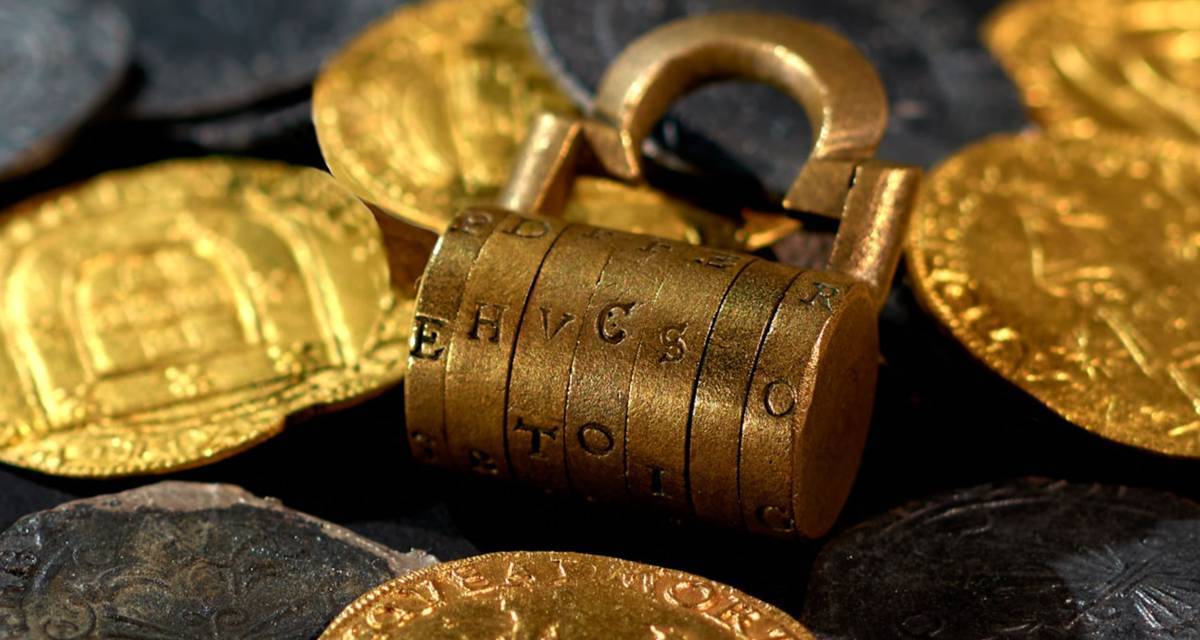
The lock was in incredible condition for its age
“When I found the lock, I was immediately astonished by the incredible workmanship and its astonishing condition,” Hughes told Amgueddfa Cymru, or Museum Wales, in English. “When I moved the ring dials of the combination, they turned with ease after over 400 years beneath the sands, and I was left in disbelief. I also remember being left excited at the prospect of finding wonderful things from the treasure chest it once locked.”
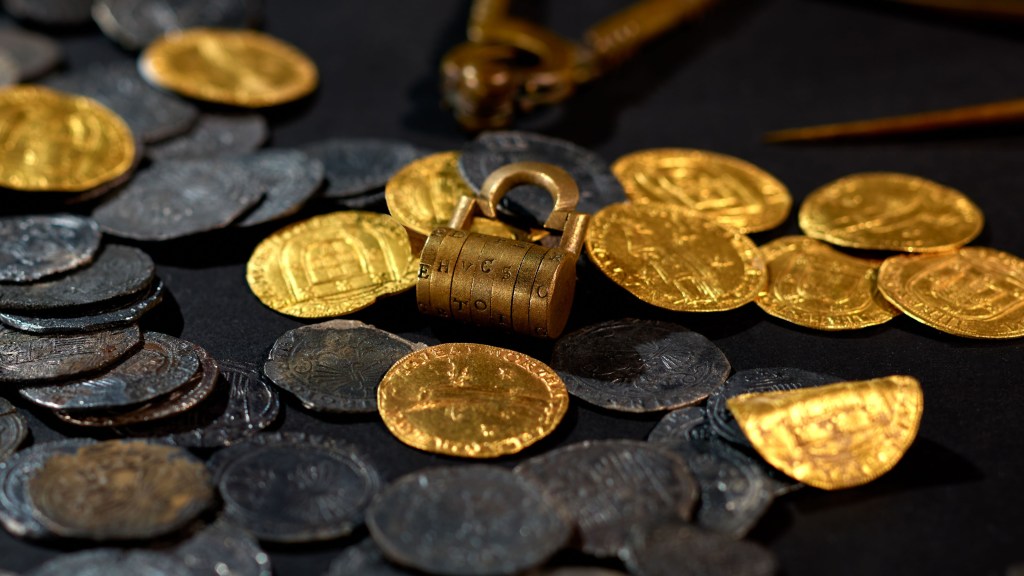
The researchers found the lock near Spanish silver coins and two coin weights near the wreck site. The lock may have secured a chest holding the coins or other valuable items lost to the sea, such as textiles or important documents.
They examined the lock with a CT scan
The researchers wanted to open the combination lock to understand how it was manufactured and learn the secret code that last locked it 443 years ago. To examine the lock without destroying any of its ancient components, researchers used a CT scan. “Micro-CT scanning allowed us to look inside the lock without damaging it. By creating a detailed 3D image of the internal mechanism, I could see how the notches lined up with the letters and identify the exact combination,” Dr. David Williams, a research associate based at the Musculoskeletal Biomechanics Research Facility at Cardiff University’s School of Engineering, explained.
“We normally use this technology to study bones and other biological structures, so investigating a 400-year-old padlock was certainly a first for us! I had to wait until later that evening for the museum team to test the combination, so getting the message that we’d cracked it was incredibly satisfying,” Williams continued. “It’s not every day you get to solve a 400-year-old mystery!”
After careful analysis, the researchers found the combination was ANCE. But what does the combination mean?

“Elizabethan combination locks are known in Britain, but this one is in exceptionally good condition and is associated with a dated wreck, making it a unique find and the code a tantalising mystery to solve,” Alastair Willis, Senior Curator for Numismatics and the Welsh Economy at Amgueddfa Cymru, said in a statement. “Of course, now we’ve solved it, we are left wondering if the code meant something to its owner.”
One of the great joys of archaeology is that the mysteries can go on forever, like pulling a thread from a sweater. The researchers used a brilliant means to discover the secret code, and now they face an even larger, more existential question: What does it all mean? (If anything.)