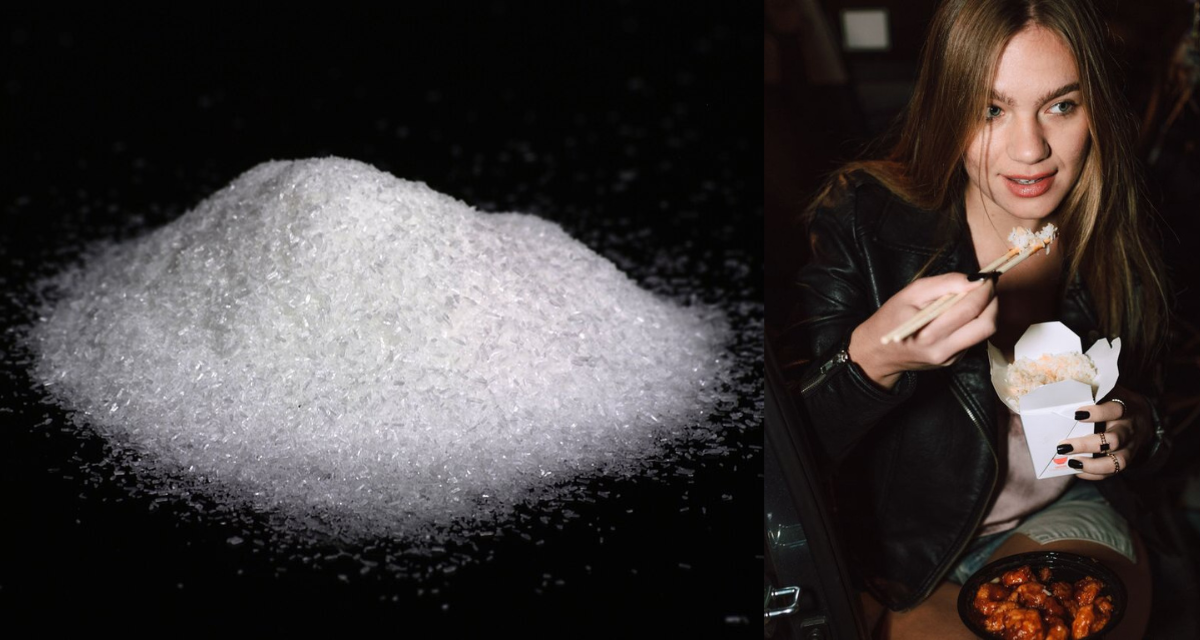
You’ve probably seen signs posted in various restaurant windows proclaiming “No MSG.” Well, it must be bad for you, right? Otherwise, why would they put in the effort to let customers know? For decades, those three little letters, MSG, have struck unearned fear into the hearts of hungry people everywhere. But have you ever wondered why?
Monosodium glutamate, or MSG, has gotten a bad rap for decades. It’s associated with headaches and excessive sodium intake. But if you’ve ever happily devoured a bag of nacho cheese tortilla chips or a savory bowl of mushroom soup—guess what? You’ve eaten monosodium glutamate. And you’re still here.
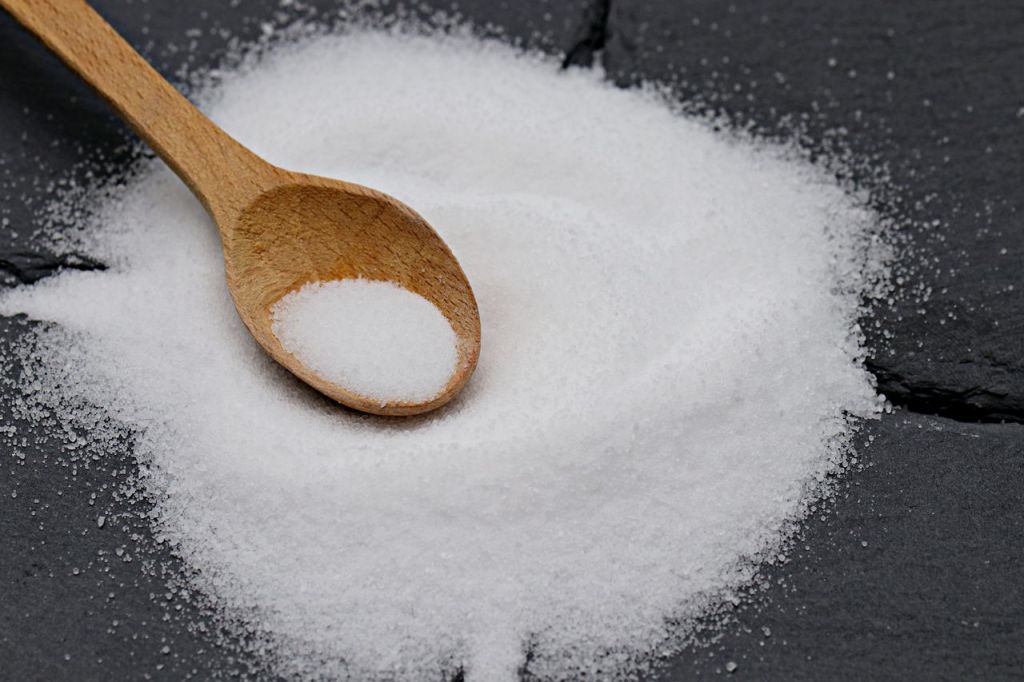
So how did a completely natural flavor enhancer become one of the most misunderstood ingredients in modern history? It’s a recipe that calls for a bit of bad science, a dash of cultural bias, and a single letter written to a medical journal.
The letter that changed food culture forever
In 1968, a doctor wrote a letter to the New England Journal of Medicine about several symptoms he was experiencing. He reported numbness and even heart palpitations after eating at local Chinese restaurants. This physician’s observation led him to a hypothesis: could MSG be the cause?
This single query did not immediately prompt the medical community to conduct a peer-reviewed study. Instead, the media ran wild with the story. Local papers and news broadcasts associated MSG with the dubious term “Chinese Restaurant Syndrome.” And just like that, a safe food additive used around the globe became a culinary villain. And the stigma has stuck around ever since.
Let’s set the record straight. Sodium combined with glutamate, an amino acid that occurs naturally in foods, creates monosodium glutamate. As popular “cooking through science” influencer Chef Fatty recently posted, “MSG is naturally occurring and found in tomatoes, cheese, mushrooms, and even seaweed.” It provides that deeply satisfying, savory taste people crave. Your foodie friend will refer to that flavor profile as umami. Once researchers began to investigate the initial claims cited in the physician’s original letter, they served up some truth.
Why you should always take one person’s experience with a grain of salt
When FDA scientists finally put MSG to the test in the ’90s, the “syndrome” myth quickly crumbled. Research shows that consuming MSG in normal amounts causes no adverse symptoms. An article in Harvard Health notes that although a very small percentage of the population may be mildly sensitive to large doses of MSG when consumed without food, MSG is widely recognized as safe. When you use it as part of a recipe, a little goes a long way.
Even more surprising? MSG contains about two-thirds as much sodium as standard table salt. For people looking to cut back on sodium without losing flavor, it can be quite helpful.
The real eye-opener is that we all consume monosodium glutamate in a surprisingly wide array of foods. A standard serving of commercial snack chips, hot dogs and brats, or ranch dressing typically contains far more glutamate than an order of chow mein. Yet, we rarely think twice about snacking on a bag of Doritos. It’s time to let go of a decades-old misconception. Food culture is at its best when people are open to foods and flavors—and the science says there’s no reason to get salty about MSG.