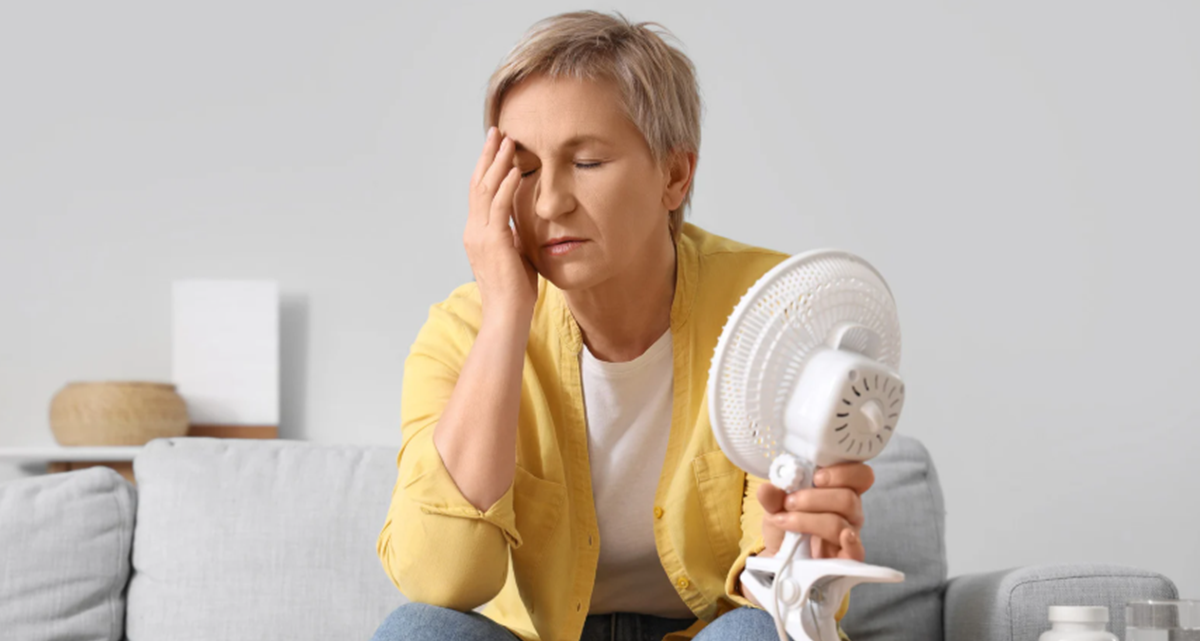
When the heat picks up in the summer, most people without air conditioning turn on a fan to feel more comfortable. When it’s moderately hot, a fan can do a great job of cooling people down. However, according to research from multiple health organizations, there comes a point at which fans stop making us cooler and instead put people at risk of heat-related illness.
A fan pushes air around the room, cooling you by speeding up the evaporation of sweat. But when the air around you is warmer than your skin temperature, the opposite happens: The fan adds heat to your body faster than you can sweat and cool down.
At what temperature does a fan make you hotter?
The American Lung Association (ALA), the Environmental Protection Agency (EPA), the Centers for Disease Control and Prevention (CDC), and the World Health Organization (WHO) all say fans become much less effective once temperatures reach about 95°F.
ALA
“Do not use an electric fan when temperatures reach 95 degrees or higher. They lend a false sense of comfort due to creating airflow but not reducing body temperature and could increase your risk of heat-related illness.”
EPA
“Know that portable electric fans do not cool air. They just move the air around and keep you cool by helping to evaporate your sweat. Do not use electric fans for cooling when the room temperature is in the mid-90s or higher.”
CDC
The CDC is even more conservative, warning that people shouldn’t use fans when it’s hotter than 90°F: “Use fans, but only if indoor temperatures are less than 90°F. In temperatures above 90°F, a fan can increase body temperature.”
WHO
“Use electric fans only when temperatures are below 40 °C. In temperatures above 40˚C (104˚F), fans will heat the body. Electric fans may provide relief, but when the temperature is above 35 °C (95°F), may not prevent heat-related illness.”
There is one major caveat to the 95°F line in the sand for fan use. A study from the University of Sydney found that fans were still helpful in humid conditions. That’s because when the air is humid, sweat doesn’t evaporate as easily, so the airflow from a fan helps increase evaporation and keeps you cooler, even when the “feels like” temperature is 100°F or higher.
How to cool off using a military trick
If you’re hot and can’t get to an air-conditioned room or take a cold shower, a CBS News report says submerging your forearms and biceps in ice-cold water can help prevent overheating. That’s why the U.S. Army uses arm immersion tables during outdoor training in hot weather.
“It’s low-tech, it’s inexpensive, it’s easy to implement,” Lt. Col. Dave DeGroot, who runs the Army Heat Center at Fort Moore, told CBS News. “It’s a bucket of water.”
Ultimately, a fan can be a lifesaver on a warm day. Still, when temperatures reach the mid-90s, it’s time to find ways to actually lower your body temperature, whether that means finding A/C, taking a cold shower, or trying the military trick. In extreme heat, staying cool isn’t just about being comfortable; it’s about protecting yourself from overheating.