Mental health help, as many know, isn’t always as readily available as it could be. There are often roadblocks, whether it’s lack of funds, issues with insurance, or merely a stigma about getting help in the first place. This can be deeply frustrating and, for some, even dissuade them from seeking assistance.
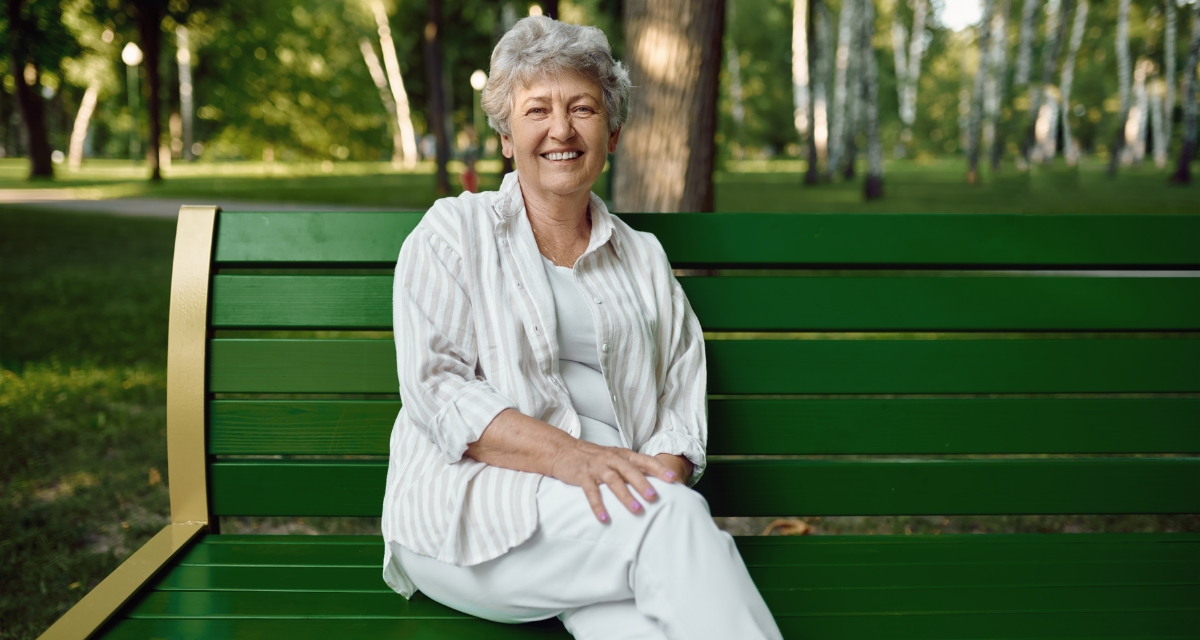
In 2006, Dr. Dixon Chibanda, a Zimbabwean psychiatrist, came up with a plan to make it easier to get help. He set up what’s known as a “Friendship Bench,” where elderly volunteers lend a friendly ear on benches, filling in as makeshift “grandparents.” In 2024, nearly 20 years later, Washington, D.C., adopted the same idea. It’s still going strong.
Friendship benches around the world
Friendship Bench DC, which was modeled after the original, was brought to the U.S. by HelpAge USA. It is part of the larger HelpAge Global network, which describes itself as “working with more than 200 organizations in 99 primarily low- and middle-income countries to promote the rights and wellbeing of older people.” Its vision is clear. It is hoping to inspire “a world in which all people can lead dignified, healthy, and secure lives, regardless of how old they are or where they live.”
It’s a win-win. Older people can feel like they’re being of service, while low- to middle-income patients (or really anyone) can find a place to feel seen and heard. Friendship benches are spread all over the city, near schools, churches, senior living homes, libraries, and other recreational spaces.
Feeling less alone
Their site assures that there’s no judgment: “Friendship Bench DC offers a confidential, safe, and judgment-free place to talk through whatever you may be facing with an older person you can trust. The Grandparents who serve on Friendship Bench DC know life can be tough and are here to help you feel less alone.”
Just recently, The Washington Post shared personal stories about the project. Its Instagram post discussed how essential these kinds of programs are for the community: “Friendship Bench DC offers a safe space for mental health support, particularly for Black men, through older volunteers known as ‘grandparents.’”
While a person must schedule an appointment, the mutually beneficial service is totally free. No payment or insurance is required whatsoever. It’s volunteer-based and growing quickly, the Instagram post explains. And the senior citizens who take part are taught to be excellent listeners: “The grandparents are trained to learn how to listen empathetically, summarize what they’ve heard, and equip visitors to learn how to solve their problems.”
“A buoy that I can always see on the horizon”
The Washington Post shared the story of Carlene Meheux, who used the program after seeing a flyer for it. Having lost her grandmother a few years back, she was drawn to the idea. “Friendship Bench is like a buoy that I can always see on the horizon,” she said. “There’s a date and a time where I know that I’m going to be heard.”
“Society needs more of this”
Many in the comments seemed deeply impressed by the concept. One Instagrammer points out how fast they’d use it if available: “The way I’d run to those grandmas right now. I’d give anything to have mine back.”
Others relay the importance of this concept spreading all over the world: “Incredible and such joy just thinking about the opportunity. Should be everywhere.”
And one commenter shared their thoughts on how positive this could be for all communities: “Our society needs more of this. Elders are our most important source of life experience and knowledge. Their ability to provide living history and insight for younger generations is a privilege that must be respected and honored.”