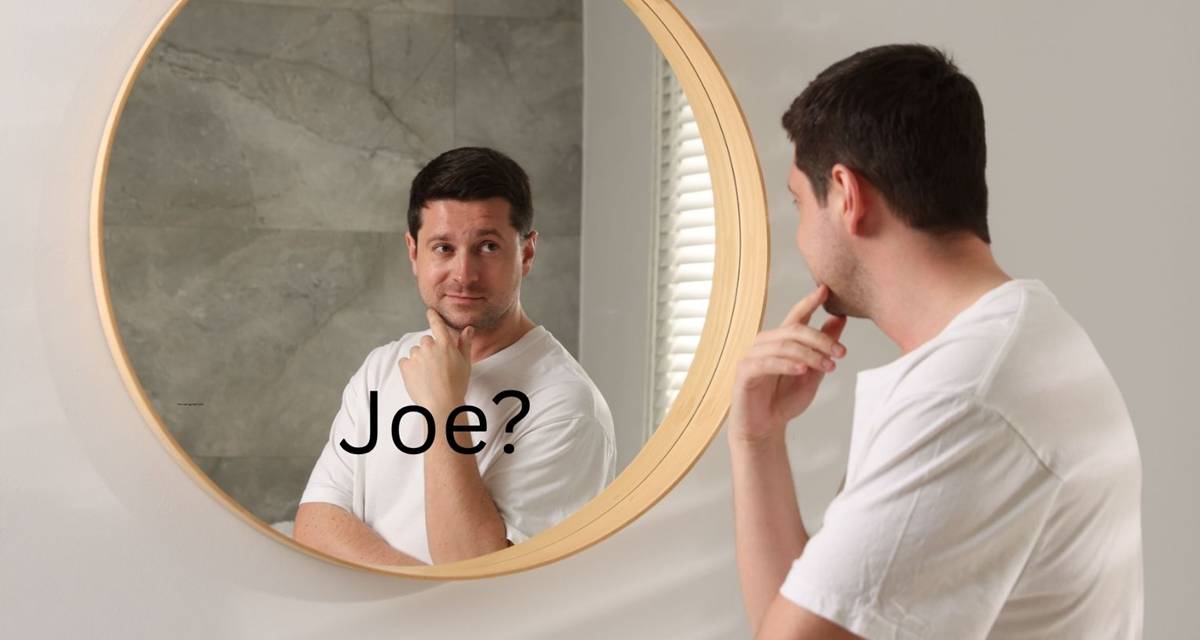
Have you ever met someone and it was uncanny how much they looked like their name? You may have even responded by saying, “You know, you look like a John,” or “I could have guessed you are a Kristina.” Even though there is no specific, hard-set look that people with certain names have, you know a Mario or a Gloria when you meet one.
How can that be? Are the parents of newborns specifically talented at matching their baby with the perfect name? Or when people first meet you, do they need to convince themselves that you and your name look the same to avoid cognitive dissonance? According to a 2024 study, as people age, they begin to look more and more like their names.
Why do people look like their names?
Researchers at Hebrew University of Jerusalem set out to see why people look like their names by having both adults and children look at photos of people with four names below them and asked them to choose the correct one. “Results revealed that both adults and children correctly matched adult faces to their corresponding names, significantly above the chance level,” the researchers wrote. “However, when it came to children’s faces and names, participants were unable to make accurate associations.”
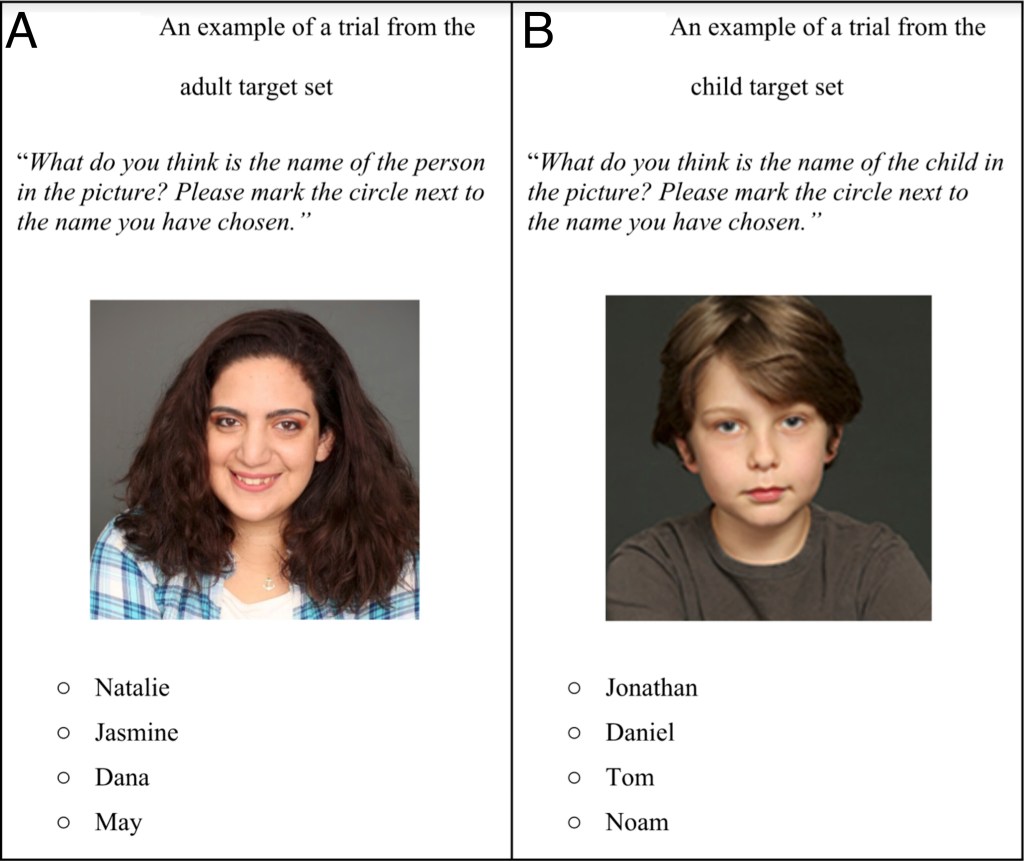
To add to the study, researchers used an AI model to process images of adults with the same name and found they were more similar than those with different ones.
“These results suggest that the congruence between facial appearance and names is not innate, but rather develops as individuals mature,” Prof. Mayo, one of the study’s authors, said in a press release. “It appears that people may alter their appearance over time to conform to cultural expectations associated with their name.”
The fact that people couldn’t match pictures of children with a name above chance, but could with adults, combined with the finding that adults with the same names share similar facial characteristics, suggests that as people age, they begin to look more like their names. The researchers believe this happens through a slow-moving self-fulfilling prophecy that, over the years, makes us look more like our names.
People tend to lean into stereotypes about themselves
“These results suggest that people develop according to the stereotype bestowed on them at birth,” the researchers wrote. “We are social creatures who are affected by nurture: One of our most unique and individual physical components, our facial appearance, can be shaped by a social factor, our name.”
The study solves the mystery as to why, when we meet people, we often think they look exactly like their name. However, it raises many questions, such as what subconscious changes people make to look more like their names suggest. And is it because people like us more when our names and appearance mirror one another? Or that we have more self-confidence when our appearance and name are congruous?
On a deeper level, if our names—which we didn’t choose—can affect how we look and behave, what are other ways that we unknowingly alter ourselves to comply with society’s expectations?