A little over five years ago, before turning 50, I sat down and wrote out a list of life goals and themes for the next 25 years of my life.
Some were simple. Others were strange.
- Live more outdoors than indoors.
- Spend a year at sea.
- Learn a trade.
- Push myself toward discomfort instead of away from it.
At the time, I didn’t realize the list was less about adventure and more about correction.
Like a lot of people, I had spent years building, achieving, producing, and optimizing my career and success.
I shaped the kind of life that, from the outside, looked full. But underneath it, I had started to feel a growing disconnect from my family and from myself. I was moving fast, but not always in the right direction.
I call it human drift.
The scary thing about drift is that you often don’t feel it happening.
Then one day you look up and realize you’ve slowly drifted away from the people you love, the values you care about, or the person you intended to become.
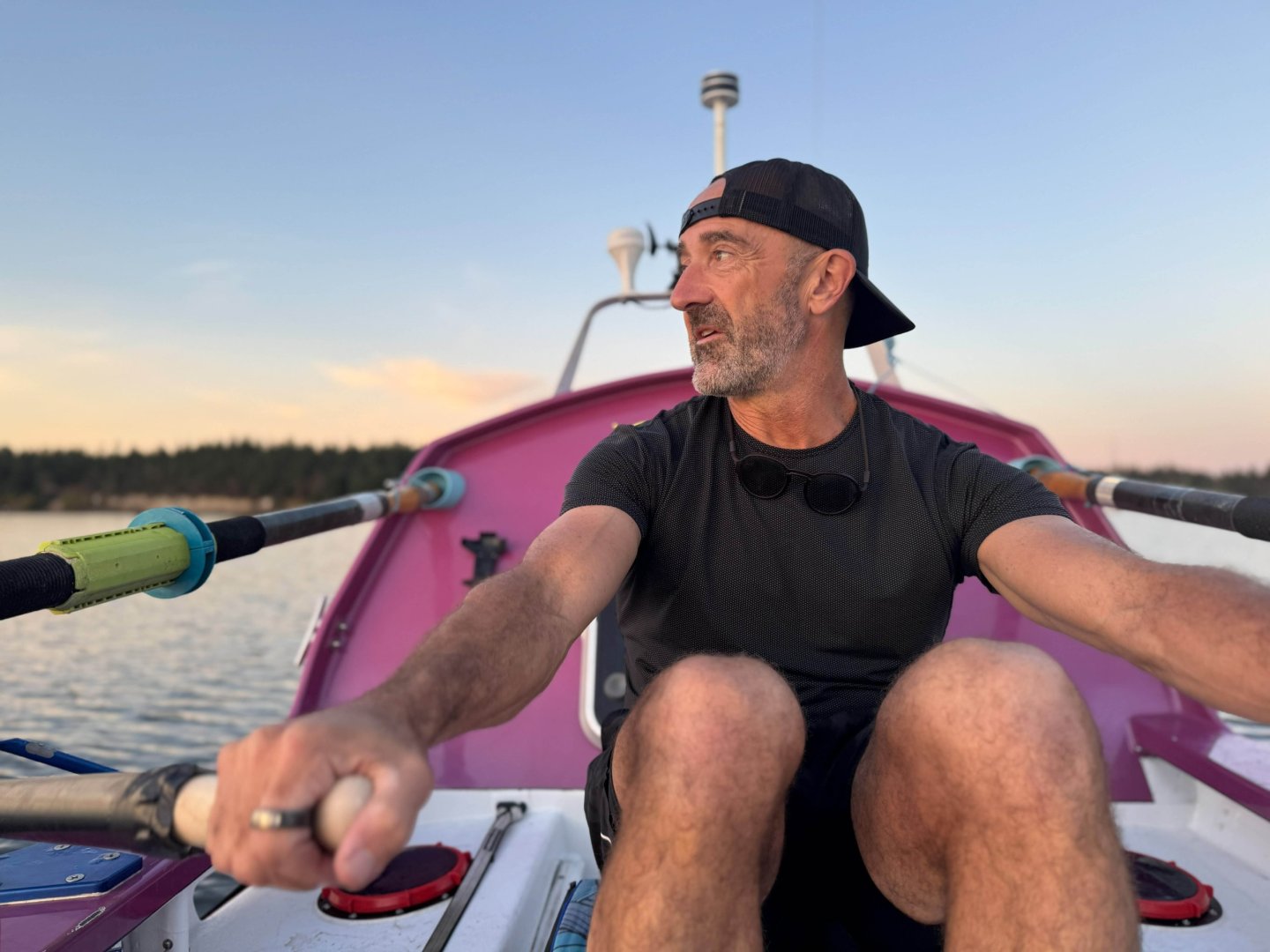
That realization became clear during my recent ocean rowing expedition: a solo, non-stop, 1,750-mile row from Monterey, California, to Punta Mita, Mexico.
Over 18 months, I trained obsessively for a challenge I had absolutely no business attempting, or experience doing. I had no maritime background. No ocean rowing experience. I had to learn navigation, sea safety, weather routing, electrical and mechanical systems, survival protocols, communications and endurance training from scratch.
People talk about being lifelong learners. This felt more like being dropped into a foreign country and needing to become fluent to survive.
For 38 days, life became incredibly simple and incredibly difficult at the same time.
Row. Eat. Repair. Sleep. Repeat.
Some days brought complete awe: whales surfacing beside the boat, sea turtles drifting underneath me, endless stars without light pollution, sunrises and sunsets that felt almost spiritual.
Other days brought fear: 30-knot winds slamming the cabin, overnight drifts carrying me miles off course, cargo ships appearing on direct collision paths in the middle of the night.
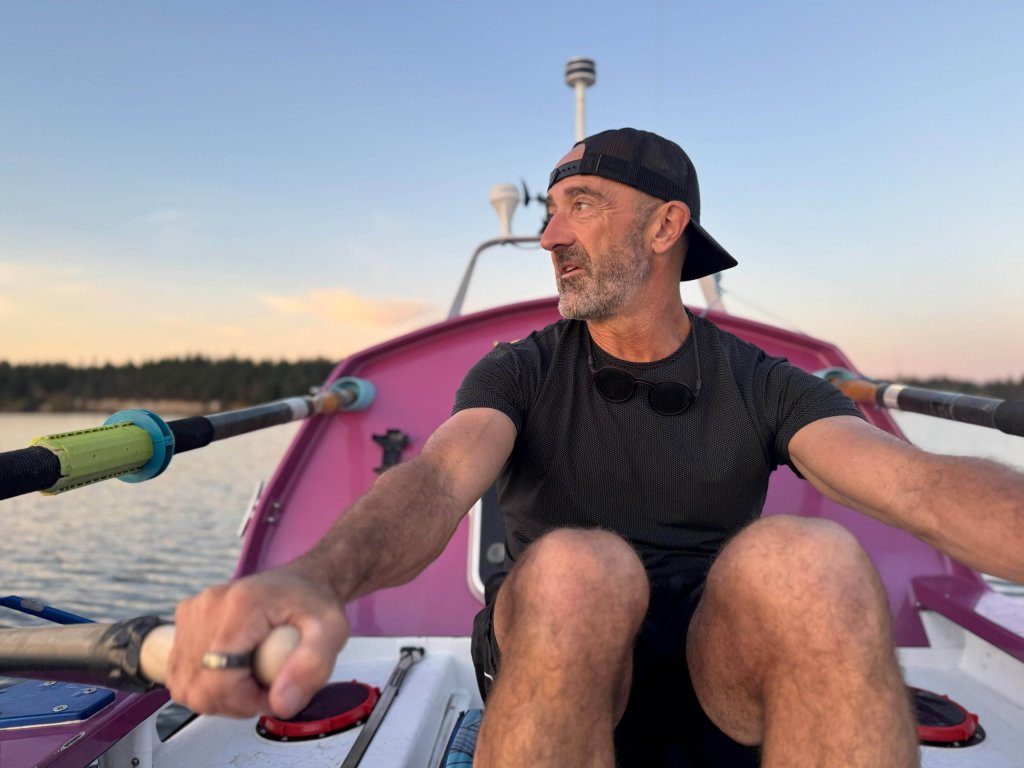
One evening I drifted 25 miles in the right direction while sleeping.
Another night I drifted dangerously backward despite rowing hard for many hours.
It made me think constantly about drift in our own lives and how easy it is to slowly move away from ourselves without noticing.
Out there, stripped of digital noise, meetings, notifications, headlines, and the constant pull of modern life, I had space to think again. Really think.
And I kept coming back to one thing: while the row was difficult, it was nothing compared to what so many men and young men experience while struggling silently with mental health, addiction, isolation, and hopelessness.
Those struggles have impacted my own family across generations. This expedition became a way to turn a personal challenge into something larger than myself.
Through the journey, we partnered with Project Healthy Minds and Providence Farm to help raise awareness and funding for mental health and addiction recovery efforts. What moved me most wasn’t just the fundraising itself, but the conversations that started happening around it. People opening up. Sharing their stories. Admitting they were struggling. Talking honestly in ways they hadn’t before.
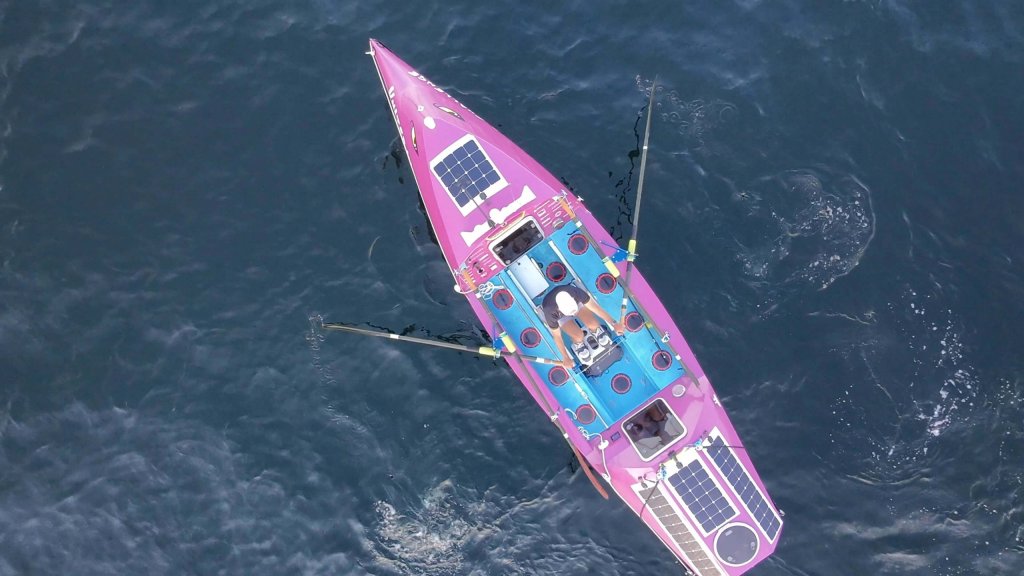
To date, we’ve raised more than $520,000, but more importantly, we created connection.
And I think connection is becoming one of the most valuable things we have left.
We are living through a moment where technology, especially AI, is optimizing convenience at an extraordinary pace. It’s automating cognition, removing friction, and making life increasingly efficient. But there’s a tradeoff if we’re not careful.
The more frictionless life becomes, the easier it is to drift further away from direct experience, challenge, embodiment, nature, community, and each other.
That doesn’t mean everyone needs to row across an ocean.
Absolutely not.
But I do believe people need to intentionally pursue experiences that wake them back up. Experiences that reconnect them to discomfort, awe, vulnerability, effort, and presence. Maybe that’s hiking a mountain, learning a craft, rebuilding a relationship, spending more time outdoors, or simply putting the phone down long enough to hear your own thoughts again.
For me, rowing 1,750 miles across the Pacific changed my life.
Not because I became the first person to complete the route solo and non-stop.
But because somewhere out there, in the silence and uncertainty of the ocean, I stopped drifting.
To support our mission, you can visit CBRows.com.