The heart shape doesn’t look like a heart. Here’s the odd story of how it took over.

The heart symbol predates Valentine’s Day, emojis, and greeting cards by over 2,000 years.

heart symbol, sacred heart, heart hands, cosplay, Comic Con
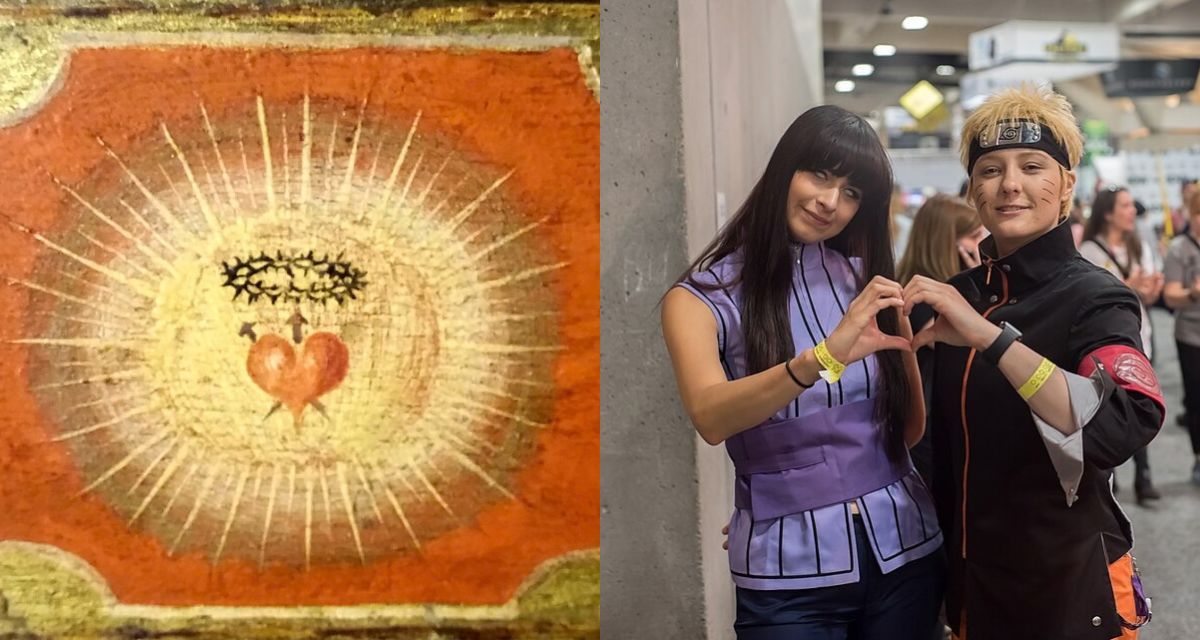
Photo credit: https://commons.wikimedia.org/wiki/File:Coeur_de_Jésus_Sts-Gervais-Protais.jpg”>Châtillon/Wikimedia Commons & Oliver Ayala/Wikimedia CommonsThe Sacred Heart from Saint-Gervais-et-Saint-Protais, Paris, France, and two cosplayers making heart hands at San Diego Comic Con in 2015.

It’s love, it’s affection, it’s that little hand symbol you see all over Instagram. The heart is one of the most utilized emojis for a reason, and humans have been obsessed with it for thousands of years. 

So why doesn’t it look anything like an anatomical one?

RIFFˆWEBPVP8L{/¿Ãï÷Ç ‘$Eõäß0ÃÂ9˜…mÛ6Ìúÿá¤UÛHR£|DˆÌöߢ2D¶ Û¶m�Ý)¿!�Ô¶™>˜Ä?›¿sq=äݶÙåËC?ˆ¹”„` R2´Œ¸cÈ�¾!A ¶™ÄØœŸÔÓ#HÆ‚@ hð€m»2§ÙþÝc 4Ü‚i XJ!¸K°’ºð´�R ZèÔS¥i‹„’âTqŠ»Kˆâ23÷BSä)5ìzµ…dÖZ×Z×¶=Ñÿ Ÿÿ}þ÷ùßçŸÿ}þ÷ùßçŸÿ}þ÷ùßçŸÿ}þ÷ùßçŸÿ}þ÷ùßçÿÿXÜ?2″¢fø½11}ccg’Œ‰�Ó­FD5›°U‹ë326vLÂìØØ¾11÷†×ŒˆˆôW{mï2cÂ{ RÖmO-dw±0ëÐ…oþx?~\÷ºÕq­CÝîã^|ÿ÷oÎÊ*bw± uûº”ïN˜1äþvê¬Zxl\òÊsy¬–Y�Š[þ1 ‰åçrY%,9²úZbBL„M]9ÂÆ½·âˆ‹yÁôÕI ݪãS‡è×’V§3/è:²ü½±5jÉV¤3eŸ‹yÙ¬5�n‚E�Ç|¼6›yY×Þ”gGÖ·© ¶C?ØTȼ÷ÙÞÖ wZ ïÇ3Ì{nü`h[…c«“pm�É8˜Qn LĬä=Œ‡+ãºú«¿‰›‹O3y©.®Ô™TžÉxZôÓû�8JDBy.ãqVù¬j84(ùãqáê¸pC�t½(•qܵù©û Ü0î{úº›qK̵B&ºçeÎ/vµÉ·de¬ ïZÆeB|:¹†¬ÕK¼Í„8-± ÊÙÇ­7™8_Ÿé/_Óo2q6×�µc[H|*ìœÄVrÕÎù3ìLg¦5J*d^Zþ�<ÕL.f^r­’}¾7™¨of‘!ˈŸ˜¨›ßö2ð+ aúý3í²ã˜~€ ýî©þ¸å—�΄ÿD|€ÌøÍ:Ì„?;.¯ éL sœ¡²ŸÎ¤0;.§â3˜4ž}¼ŠŒ=}ŠIcú$|r$¤1©ü9Î_6 ™L*³ãpÉ11ƒIç‰i6™°'œdÒ™ö’‘FfRz`Œ! –q‡˜”ŠEᘴž‹–ƒŽ7˜´Þ|ƒZ'»™Ì®Œ¿×L&±fysì ŒËc’[š"vAÎb&¹…‰Á˜c™‘Î;Á"nÖWr˜ŸœeA›Z7˜$oé(j5o1I¾^gü�¥Lš=×:ˆXh’›IsY¢?ÂDïcR�5Ë®Ø,&Õ‡c°%êw“ÉöúúbUo“móÏꨛÃ$¼,Ñ!N¶¸&ág 4iö#“ô­a¢tÏ6&éß·@’Ø3LÚ]‰~"d�+eÒž›€!ÕaR¿ç!ñé¼�IýåPôèy’I¾'É!66§›I~f_ÜðOô0ù?__dêmaòo&ù!F�m ‹â Q1  îà cB ÃÂoÚŠI›ïÇ(²Œ!bÎ@|›!bJ0BÔßËPÑLrˆ†Íéa¨x 6:Œ-`Øx¡©X´¼Î°14.ØBž)ƒÏ2„Lv Bëë %Í$‡(ØM†’?E¢A÷,†•›ÛˆAäM†•™ÑH0ÙÅð2½“tÉ`xéz  'CÍÒþ%”2ÔL²HŸÿ%†�ɾù-dع$PòÚ^`øy®Ï"o2ü¼ØNêêgšί© C�Ö•¸ž§Ž áU¿<†£y}¥mFÃRÓɧxÃR×k’öÃÔ6þØ¿b˜'eN†««Cyü-ÃÕDù2>gغ«5_ZîaØ:Ç�,딆¯éµxRïÃ×k6©²þÆ0öL~tü™aìe»D93œ-À‹A… gWúKSà kÝSøðº‹aíº I ÜÈðÖ|ž�™ o7J‘ㆺ‰Þ/Ž¡îj ²–3äýÐË3ä]f“ËU†¾ó-ÞÌHbè›b•#™!ð¯6ïeý“!ðŸ†Ü¾jóVö_ *5ï2$.·y’ëU†ÄoJÌã �¯Y¼‘õ*CãñÒ2“!òïc,dxlÎ’”‡K0‰ýeñ6ƆÉe=¥¤Þ†Ë_ÞŘËpùl iw”aógÞås†Í‡”Ž€ ŸŸõ&o1|¾(–Å £_ð“F§Xäâc†Òæ oñ†¥ØûRñ*Cê²Þa°‹!õT‰èTŠU¬(Út/fX]ÖMÚd0¼>U»òÕÈex�ÖNlf§µ¬l‘© ³×Ûä`Ãí]!•«êv†ÛJÁh†Ýë•Éþ#Cn3Vä¢û«0ôί+|A{‚?]yÞd¾¿ªà_3 7ÇV–Ù Å/ ÞD†ãE÷UŽNÅ8Æ^ººEHÆ2ZU†È4†äŵÎoCó-�/àCó-qû�!zŠQÑŒË Ñß¶nnLcOT4’ÃtOwA =ÁPÝ3¨b 7Q�«*fW²çÕ¯H O3dÿMÈF0tßY¥âTÙÍÐ}´€µ:ƒoì׊s™áûÙÖⵜaüäŠò”Ãøo„kCù²®£S)ʱ‚š‰s,íÁŠÐ.�á|zˆX%3¬ÿθ{–ÖϪn&Ú±çïÞã í=]ʱ‡á½«Óݺ¿ ïØn‡8=Ë0ÿDõ»zŒaþ“ÂÔ°õXÊÝYÂP¿¤¾ ò¿v7^bȿ֣q û‹kß¹ºEØÇb…Èÿ8ú±-Ž;e?ÏÐÿ¨¿=Áà[w*‘)ÀñÔ>Wx¢ïL· Èk’> ™<|'ªbJpžðÔu©–|'þbjÐ][t~dªpÀ?ÌTáw‚3�)ÃŒjÿ$$M°¾BcÛ­Ø¢ò;S‡{m"3…)D³×ßëËTât�±U ìxðß©zB)wˆKS‹_þ�L-NûQÅà‰þÿº›Šá¸CT˜j<àÿbªqš Ø�*æü¿ÞfÊñ¸CL^e걤þÿjX¢Ø4!±Slƒk™‚<î‘W™’|`S’ÓÄqBMdU«–­&ŽÚÄc6S”ó0E9F<Ϋ �GUÜŽhF.;‰ÆzQ.ÍÜôÂÝT,æ0‚ù±PŸ¦¹UEâEF2' „å0Í8j‡!Œh‡•Tc¹0´uQ WQxŒ‘Íñ¢°�n0Ä #œ�ÅàOÊñ•åQŽü ˜ÆHçLØL;6 @F;ÍÆü{†x°'ø·ƒzlá^#F>›ðîqú1žwçèÇEÎ53é‡ÙœoÏ1úßnQ�Í\keR³%Ï^d$tÏÖÐ�9XBCŠøÕŸÑÞüšCE>â×*²ƒ[­5Ûðja³xu‰ŽüÊ)KÉ2øt#¤a|z‚’ŒçÓw”d—Œ³”ägƒGõ)mÌ£´d6�’iÉ\í¤%[9ì¦%î þôdÄ´;ž¢&�óg5YÁŸj’Í�6Œœ¶ãM/zÒ“7/ГxÞ,¢’ ys‹ž\猑KOr ¾4cµ%_R”~|‰£(ÏñåEù�/[(Êy¾œ¦(g¹R•‘Ô`ž<@SêðdMéÏ“—hÊ+<ùˆ¦$ò¤œ¦\æÉEšrƒ'Y4%�#~&M1ýøÑˆÕ&üx˜ªtãÇ0ª2„Ó¨Ê ~Œ§*Ïó#‘ª¼Ç�…Te?S•~¬§*kù±“ªlçGUIåGU)à†#«^„Е`^ê°Ûx…:LáõÏ¢ YþâÏÒ†ÇA€«P†‚”s)Ãg ÄMÝtÁ!F�B®€ w¤ ᢫©Â· Ì�©BWq‚ 4a5tOš-RðEØBÝ�”ô+¸@n‚` ½E 6PƒM Ü]©Agñ‚ïiÁ ðp“˜a”)”à yCp73ø‹$ƒ ·. ùmD Þ¢Oƒ°eЀ´*âSiÀlxËV °Õ”rЃô±ÿVÿ[‚_¯L÷+i,zð±î÷pºÞw²ŠøÁ£zßH�Áõ:ß�Â:eúž«–@’¾÷Hbh¦®—, 0Z×ò¸BÏ[Ù”_ÇËk%0AÇ{ ¤ÒzN¿»`• ¨áÒíA6?ÑíÞé <¨×íó—èäÖé<]@Fçèt€”ÔçöÈ trërž® «st¹AZêqûäî-Óá\AfßÔáž©µÝÔß®[åšäén�@v_ÓÝf€ü®ÐÛ–‚·ÏÖÙ2¢dúšúš§ÈñGúÚ; ÉöºÚE»,AÄi=íT3�ç‘zÚ0�é…:Ú— Õþ;ô³]r su³üz Û£53s$È÷zÙ' áöÍ:ÙM‡ŒAËŸõ±ìÖ ç=ݺ˜§ȺS{¤Ý²R[f‘7Þ«ƒí™opZÿÊ« r?Ä£{y‚ì¿¥{=Òo|­w-3ä‚÷è\ûCœÑ·Î6Œ.ÕµÊzNÓµ^<üRÏšˆhýFÇúÞ† Pu·~µ/p±ÑYÝêçÀÆè½ªôÀÇ1¦Ne¾ù¬Nõ8 ¤ñ‡>õ ¥}µ.µÞ�Pu§µ’ð²Y¦•Þ0ó�ÓúSnMÀÍGJt§ÒÀα½É=ðs¼Þô`è§:Ó“€¢Æ5}i ©ß:]é’K ê9=i�àiÔ>é|0`j«ãúÑáv€«�²u£ô¦€­÷åéE¹a€¯=Šu¢âhÀØn}È=pv–G2§ÖN7õ óUÀÛ‰zÐó€¹ÿÒ�Ü}[ÿy°7Q÷ùð÷c½çs@`c�Îó—�A`ùUßùÍ8l½¬ë|m,¶¯Ðs–Ù�ßè8?ú&¬×o~ª¸\e“ns#°9ä¦^s½*às•õ:Íæ`Àè*ëô™MÁ€Ó�ku™�A€Õ�kô˜ A€×�«u˜³ýVê/ßnû­Ð]¾õìv,×[¾ñüv,ÕYVù†;–è+_ÛÇí‹u•;`¹õßzÊ/6Àsë¯:Ê%`ºõš~ò‡pÝøL7™gtK/IŒ�ÓIžœŸìÑEÌëg»ô÷tÀûÑe:Hi,`þ€bý£d(à~÷<Ý£ °ÿ¾³zÇ©N€ÿ5stŽì0P�õOêu@ 6;¬kkª°Í.=cokP‡í·ë[¢@%†nÒ/6„€Zô[¬[¬Õh]¤W\³�z4>Ô)’ P’q¦.aÆ�ª|Ý¥G¸§€ºR¬C”Œ•Ù=WÈïj3ÛìÔö´Zíº¾p1 Ôh•ït…5Á J—õ„«vP§–¹:ÂçPªq¦n`:Aµ¾^¦¸¦€zí•§ô{_Ž>p»3¨Ù&‡t�£ Aնݪìl ê6è{`mUP¹Ž+êïW¨]ãÕ—dåïQyæxPÁ�–ª»Ò± †{䪺ü> Šk¥©¹Ìš Ž›Pq‡ƒJîp]½]|ÔrÐ7ªmy ¨fë|µ¶È :ÞTg¦Ôô¬2UVú(¨êž§ÕX^P×µSUXz¨ìÈíêkWKPÛ¡ëU×ÚPÝŽ«jëšÔ·áTYIPâS]ªÊý2¨ò!…jª`¨óû³UÔíΠÒ#¨§# A­wجš.¶Õ^e…ZZêÝú…JJ¶�’�÷¨”Ó ª~X¡* ê¾c¶ ºÝT~Ä>õs¨¨ýêUÏ�(Pý~WÕNJ¨ér’, N/S5îW@ì•«fò€>X+UŤß:aäVõ²«è…Aߪ–Õ! Úæ«•?í !Æ{Ô‰é=1¶X•”> ºbçŸÕÈ™‡A_l|P…­:cÔfõq±è��ËTÇÒ@ЭIj#Éd¼G]¸’‚9´PU�]òþ,5q» è“M÷©ˆC�@§¬¶A=\�½ÒñoÕPáT IÐ0g”©׫ gÆœVùýA׬}B ¤×}3r‹ ØÙtΠUø÷cUÐ;m_a_² ´Ïxæ™NÐAGá]É8ÐC;å`ÝÙhÐE›ìǹ# @­¾ ãn¶�Ôï ¾}z©áĶ$ h§ÓÊ0Íý2訽sñ, 詵R±,ãÐU#·âØ® ¯}ƒa«C@gµÍǯ¿ì ¹Æ{pËt‚þ:²³JÆ�Û)¯ÎFƒÛäViºl‡M8u³=è³~—1jqè´†Ÿ’, ÙNuá’{2è·½s1) 踤âQF8蹑۰hW Ðuƒ¾Á¡Õ! ïÚæcÐ_vÐzã=Øc:A÷�-Æ�’GAÿ휃9g¸ñ¼9Rôà?aÍ­ö  û]ƙŠNŒI²€V<Õ…-îÉ ÷ÉÅ•‚� ?pS2ÂAGn¾Ov¶=9ø;,Yº²ãŽüæ}ÙpbH’ZóŒ2ìp½ºsL.nä÷ý¹V*fdÔ:r^ìjztðwX±&tiÛBœøÝú´áDÓi€V=³ \  [ǜƅü~ _×NÅ„ô0б#·áÁΖ g}‹«C@×¶%ãÀvз §)¦ôî×Ëd¯t6èÞ=OË]^_пk§Ê\zèà‘ÛåmWKÐÃC×ËÚºÐÅWå,ÅôqÃ)cIÐÊ'¹eË=tó¡…rU úyÇ™:Ûtô&åéhÐÓÛ�—¥ íAW¯²RŽ~}Ý:_†þ²�ÖoÊŽéÝ}V™Ü¸¦€þÞ3Wfòû�_뤼dÔ=¾õYÙÓtùjääFèó~WdäëÐé §|$Y@³Ñ#ž‰ ß+–‰’1 ãw?%§=¿Nª,d„�®¹Cö´}¿Ú&¸:¿_¹ø- ½ß:OôÙ@û�7EÎtœU&n®)@{å‰ZA ‚÷e‹ÙíN@#ŠØÑ†@ Û�¯óí�}+Z««5´-«ßì@ §H%@'yDÉ=¨â°b1*t±û): ”±Nªø¤×Ú¹Ctv·êX}³Øl úè÷µÈ, i](.Ø€FNQI4€LNòˆˆù/ ”#JÄ£t Ðʹ¢‘ߨå½Ùb‘ô2â�Hk³í6qØÕhfèFQØTÓ/E –Ý´.�?m@:ãø—Ôs²‡oîW€~+æYéh  �äò+¿7ÐÐðl^eÝT´é!>mt´íVíŒJô#Ö‡-õû…7Ký�šZçóe®ê›ÿûüïó¿Ïÿ>ÿûüïó¿Ïÿ>ÿûüïó¿Ïÿ>ÿûüïó¿Ïÿ>ÿÿ’þ
A heart symbol created by Fibonnaci. Photo credit: Wikimedia Commons

The actual human heart is a lumpy, asymmetrical four-chambered muscle. It looks nothing like two smooth bumps tapering down to a sharp point. Yet somehow, across cultures and centuries, we’ve collectively agreed that this particular shape means love.

Nobody actually knows where it came from, and that’s the fun part

Historians have spent decades chasing this mystery, and they still don’t fully agree on the answer. One leading theory points to the ancient North African city of Cyrene. That’s where the local population valued silphium—a now-extinct plant—so highly that the region featured it on its coins. People used silphium as an early form of birth control, and its seedpod closely resembled the heart symbol we know today. This might explain how society first associated the shape with romance and sex.

Other historians traced the heart symbol back to ivy leaves. People have long associated ivy with fidelity and used it in some medieval anatomy texts. Ancient scholars like Aristotle described the human heart as having three chambers with a small dent in the middle. Some researchers believe medieval artists took inspiration from Aristotle’s incorrect anatomical theory and sketched his description into a shape. 

The heart is rarely thought of as a religious symbol, yet it’s directly tied to Christian Renaissance art. The shape appears repeatedly as the Sacred Heart, often adorned with flames, a crown of thorns, and a gaping wound to demonstrate Jesus’s sacrifice and boundless love for humanity. 

By the 13th century, it was showing up in illustrated manuscripts as a literal gift, a lover handing his heart to the object of his affection.

From playing cards to finger hearts, every generation adds its own chapter

Once the printing press arrived, the heart symbol spread like wildfire. It became a suit on playing cards, a decoration on Victorian greeting cards dripping in lace and ribbon. Eventually, it became a Valentine’s Day staple that needed no explanation anywhere in the world. Each new technology gave the symbol new life: the postcard, the bumper sticker, the “I â�¤ï¸� NY” logo, and of course, the digital heart emoji that sits atop reaction menus everywhere. A quick descriptor for love, passion, friendship, or empathetic understanding—depending on the post.

Younger generations have also put their own spin on the heart in the physical world. The finger heart, pinching the thumb and index finger together, was popularized through Korean pop culture. It has become second nature for Gen Z and Alpha, alongside the classic two-handed heart shape you’ll spot in Millennial friend groups and family photos alike.

It’s a good reminder that symbols evolve the same way language does. Somewhere between an extinct plant, a medieval anatomy book, and a TikTok video, humanity landed on one universal shorthand for the feeling that’s hardest to put into words. Not bad for a symbol that doesn’t even resemble a real human heart.

Communication

People swear by the unusual ‘Solid Snake’ conversation trend to conquer social anxiety

Culture

Voice actor perfectly mimics 28 Disney characters singing Taylor Swift’s ‘I Knew It, I Knew You’

Finance

Frugal shoppers share the 16 things they never buy anymore since becoming more mindful spenders

Generations

Born between 1954 and 1965? You might be thrilled to learn you’re not a Boomer. You’re ‘Gen Jones.’