There are simple things we know to be true about happiness: Going for a walk in the sunshine just feels good. So does a hug, or hearing your favorite song. Petting a dog puts most of us in a better mood. And so does a little bit of intense exercise. Maybe not during, but definitely after, when we’re basking in the afterglow of our effort.
The science behind life’s simple pleasures is where things start to get really interesting. Happiness isn’t just one feeling, it’s a collection of several different feelings, and many of them come from our brain’s internal pharmacy of “feel good” chemicals, or neurochemicals. They’re known as the four happy hormones: Oxytocin, serotonin, dopamine, and endorphins.
The big questions of existence like finding our purpose, doing work that matters, and finding love aside, it’s really the little things that send our brain happiness signals throughout the day. And these feelings are really easy to trigger intentionally, once you know how.
Oxytocin—Love, Bonding & Connection
Oxytocin is known as the “love hormone,” and is most famous for playing a big role during childbirth. No wonder it’s highly associated with deep feelings of love, connection, belonging, bonding, and more. In short, it feels incredible, and a burst of oxytocin can be a overwhelmingly positive and life-affirming feeling.
But you don’t have to give birth or go on a romantic date to activate this neurochemical. Here are few things you can do to release oxytocin each and every day. Some of them might surprise you:
Any kind of physical human touch can do the trick. A long hug with someone you care about is ideal, but the touch doesn’t have to be associated with love, affection, or sex by any means. The professional, friendly touch from a massage or haircut can do wonders for your brain. Hair, especially, is inherently emotional for a lot of people—in addition to the light human touch, a fresh look boosts self-esteem, mood, and more.
In the absence of touch, prolonged eye contact can be just as powerful at helping your brain release oxytocin. If there aren’t any people you love around, try your dog: Veterinarian Dr. Julie Hunt at Embrace Pet Insurance tells Upworthy, “Research suggests that more oxytocin is produced when humans have prolonged eye contact with their dogs than any other common type of interaction.”
You don’t necessarily need a willing partner to touch you or stare into your eyes, whether they have two legs or four. Dr. Clint Salo from The Grove Recovery tells Upworthy that giving someone—even a stranger—a genuine compliment can have a powerful and positive effect on us. “Giving a genuine compliment can increase oxytocin by creating a brief moment of social connection,” he says.
Taking all of those positive feelings and writing them down is another technique that yields terrific results. As cheesy as it might feel, writing a line or two of gratitude in a journal has been shown to boost oxytocin. Chelsea Pottenger, author and founder of EQ Minds, suggests another method: “Write a letter to someone you love, even if you never send it. Just by writing it, it gives an oxytocin hit.”
Finally, if all else fails, give yourself a hug. It’s both important and effective.
Serotonin—Positive Mood & Euphoria
Serotonin is an absolutely crucial piece of “feeling happy.” People who suffer from depression are shown to have low serotonin levels, and SSRIs—one of the main treatments for depression—primarily work to correct that. That tells you almost everything you need to know about the importance of this neurochemical for our overall mood, demeanor, and wellbeing. It’s a natural mood stabilizer, helps regulate our sleep cycles, promotes learning and memory, and helps arousal and libido.
There are a few simple and surprising ways you can get a serotonin boost during the day and feel better almost instantly:
Even if you don’t have Seasonal Affective Disorder, almost everyone reports feeling a little cheerier on a bright sunny day versus a rainy one. It turns out, sunlight is absolutely crucial to our serotonin levels. Dr. Sam Zand, CEO and psychiatrist at Anywhere Clinic, tells Upworthy that a few minutes of sunshine first thing in the day does wonders: “Serotonin is highly affected by light and rhythm. Getting bright natural light during the first hour of the day will really help you maintain good moods.”
Because serotonin plays such a crucial role in memory, accessing positive memories can put us in a much better mood. Lisa Chen, LMFT and founder of Lisa Chen & Associates Therapy, tells Upworthy that one of the most powerful links to memory is actually our sense of smell, and we can use that to our advantage: “Smell something tied to a happy memory, like cinnamon. Scent has a straight line to emotional memory centers and can quickly shift our moods.”
Random acts of kindness make us feel great, and now we know why: It’s the serotonin. Pottenger tells Upworthy: “Do something for a stranger without expecting anything back. When you perform a random act of kindness with no strings attached, your brain releases serotonin.”
Finally, here’s a little trick that makes good use of our anatomy. Research suggests the vagus nerve is key to triggering the release and transport of serotonin. Intentional breathwork and even light humming or singing can stimulate that nerve and give us a little extra boost.
One thing that gets in the way of serotonin is stress, and its primary neurochemical, cortisol. Anything you can do to lower stress will improve your serotonin levels, like taking a few minutes for yoga, meditation, or just practicing better mindfulness.
Dopamine—Reward, Pleasure & Motivation
We get a rush of dopamine in our brains whenever we feel pleasure or reward—whether it’s ultimately good or bad for us. Sex, sweets, drugs, gambling, flirting, achieving a goal. They all give us some form of pleasure or satisfaction, and they’re driven by this very specific (and feel-good) neurochemical.
That makes dopamine a tricky one to navigate. Chasing it can be destructive, but luckily, there are plenty of natural and healthy ways to get the same pleasurable result:
Achieving a goal, even a small one, gives us a dopamine boost. This can be as simple as checking something off your To-Do list. Zand tells Upworthy that dopamine is “very responsive to ‘micro-completions’—meaning you can get a little shot of dopamine by completing small tasks like sending a text or cleaning one area of the house.”
Believe it or not, dopamine also responds positively to novelty. Changing even small things in our daily routine can give us a lovely little tingle of pleasure: Chen suggests things “like taking a new route or trying a new coffee flavor,” while Dr. Michael Valdez, Medical Director at Detox California, says it can be as simple as moving to another room to reset attention and focus.
Dopamine loves a reward, but it also loves the anticipation of a reward. Kelly Whaling, Licensed Clinical Psychologist at Prosper Health, tells Upworthy “Anticipating a positive experience or even vividly picturing it—like planning a vacation—can trigger dopamine because your brain begins predicting a reward.”
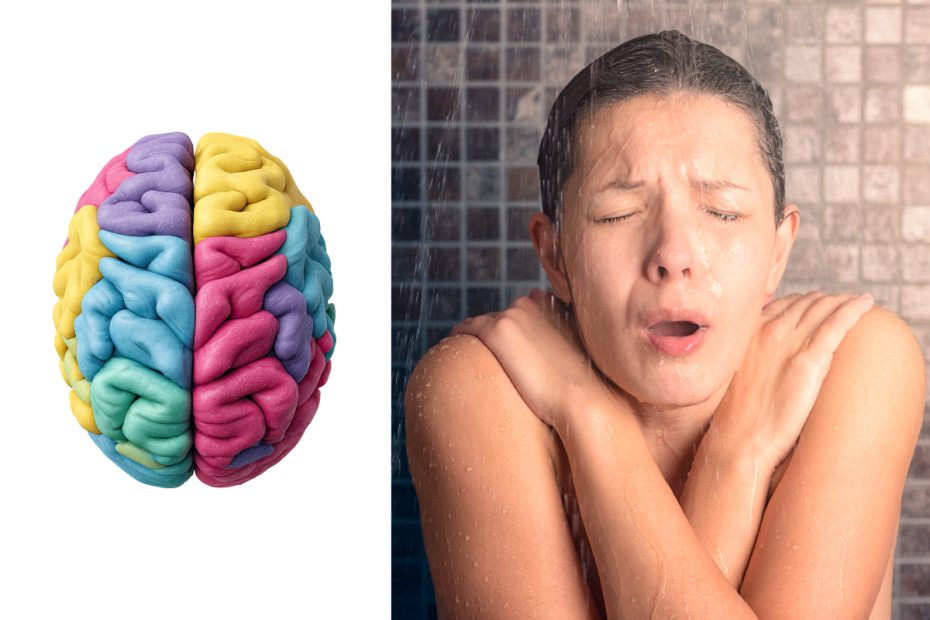
On a more physical level, a shock of cold water can trigger a substantial surge in dopamine. Research shows that a cold plunge can cause a 250% increase in dopamine and an elevated mood that lasts several hours. In the absence of a giant tub full of ice, a 30-second burst of cold water at the end of your shower can have a similar effect.
Dopamine, however, can be a double-edged sword. We technically get a small hit of dopamine every time we log into social media and see something interesting, or when we get a notification on our phones. This constant drip overstimulates our brain’s reward center and can fry our circuitry, making us less motivated to achieve goals and finish tasks. That’s why some people advocate for a “dopamine reset.”
Eli Elad Cohen, Co-Founder and Co-CEO at MediTailor, recommends something called Non-Sleep Deep Rest. It’s a sort of guided meditation and breathwork practice that lowers stress and anxiety and helps us feel recharged when tired. “[Research from Denmark] found it increases striatal dopamine reserves by up to 65%. Better than a nap for restoring motivation.”
If that sounds too complicated, try going one hour without your phone in nature or focusing on a single task to get a similar effect.
Endorphins—Stress Relief, Pain Relief & Overall Wellbeing
In the famous words of Elle Woods from Legally Blonde, “Exercise gives you endorphins. Endorphins make you happy. Happy people just don’t shoot their husbands, they just don’t!
She’s not wrong. Harvard Health writes that endorphins are “the body’s natural painkillers,” and help relieve stress and promote an overall feeling of well-being. They most famously come from exercise—i.e. the “runner’s high”—but there are many other ways of activating them.
Endorphins respond well to the arts. Listening to music or creating art of any kind is a great way to promote that feel-good sensation in your body. Bonus points if the song you listen to gives you the “chills.”
Eating spicy foods, while sometimes challenging, can also work. “[It] activates the body’s natural pain-relief and pleasure systems,” and releases endorphins, similar to a good workout, says Kelly Whaling.
Steven Sultanoff, Adjunct Professor of Psychology at Pepperdine University, suggests laughter. If you’re feeling down, try listening to some stand-up comedy or putting on an old favorite sitcom episode. “Laughter results in the secretion of endorphins. Humor also relaxes the brain by generating perspective and shifting negative thinking to realistic thinking,” he says.
Here’s a tip you might recognize: Humming or singing quietly, stimulating the vagus nerve, can also produce endorphins.
Fascinatingly, exercise doesn’t release endorphins simply to reward you for a job well done. It does so in response to physical exertion, pain, and stress. So the rule with endorphins is that sometimes, we have to feel a little bad before we can feel good.
Dr. Michael Drzewiecki, Director of Clinical Neuroscience at The Neurologic Wellness Institute puts it this way: “Doing hard things for short periods of time releases ‘feel bad’ chemicals called dynorphin, which leads to an upregulation of endorphin receptors. Essentially, to get a greater release of ‘feel good’ chemicals, it’s best to do something hard enough to trigger a short duration of ‘feel bad’ chemical release.”
Take this as a sign to finally have that tough conversation, tackle that home project, or challenge yourself physically and mentally.
Stacking the four for the best results
The four “happy brain chemicals” don’t always work alone. Many times, they operate in tandem.
There are many different dietary strategies and theories out there about how to optimize your brain health, but there does seem to be at least one “super food,” when it comes to feeling happy: Dark chocolate. Research shows that dark chocolate, ideally 70% cocoa or higher, can release oxytocin, serotonin, endorphins, and dopamine all at once.
But if you’re not a fan, don’t worry. Many of the tips and activities recommended by experts serve many purposes at once. Going for a walk in the sunshine with your dog can give you a rush of serotonin and oxytocin. Pairing breathwork and meditation before or after a workout can give you endorphins and serotonin. “Romantic time” with a partner can give you all four simultaneously.
We have more control over how we feel than we might think. While petting a dog or having a nibble of dark chocolate can’t account for your overall satisfaction and contentment with life and existence, these little daily things can bring us substantial joy in the moment. When we stack them consistently, we’re bound to feel pretty damn happy most of the time.