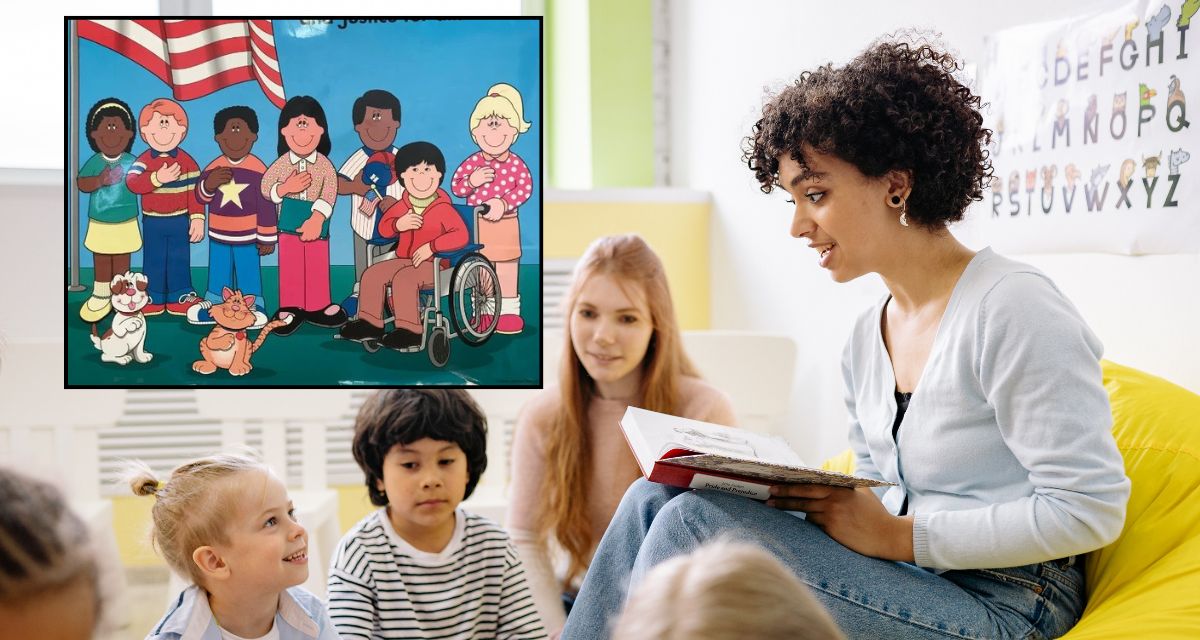
In the ‘80s, ‘90s, and even parts of the early 2000s, you couldn’t enter a classroom without seeing cheerful, smiling characters giving lessons, highlighting “students of the week,” offering reminders of classroom etiquette, and more.
While nearly everyone knows what these iconic characters look like, very few know about the incredible women who brought them to life in the first place.
Turning lessons into something students could enjoy
In the ‘70s, Ohio-based elementary school teachers Patty Carson and Janet Dellosa both found that their students were far more engaged when games were incorporated into their lessons. Carson and Dellosa passed on these gamified lesson plans to fellow teachers by word of mouth, but wanted to offer something more tangible. So, they made a book centered around reading skills that introduced the art style many of us grew up with.
Carson and Dellosa clearly understood that education was more impactful when infused with joy. Their colorful characters became a way to bring that philosophy to life, turning teaching moments into something students could emotionally connect with.
Rejection became inspiration
However, nobody wanted to publish Carson and Dellosa’s product. Rather than give up on their vision, the women opened their own publishing company, aptly named Carson Dellosa, in their basement. Their self-published book would eventually be discovered by mega publisher Macmillan, which bought 30,000 copies. This investment allowed Carson and Dellosa to expand their company, which included teaching other illustrators how to recreate their signature style. By the ‘90s, the company was making millions.
As the business grew, the artwork became part of the visual language of American elementary education. The characters appeared on everything from bulletin board decorations to worksheets and educational materials, helping create classrooms that felt colorful and welcoming.
What makes Carson Dellosa classroom art so special
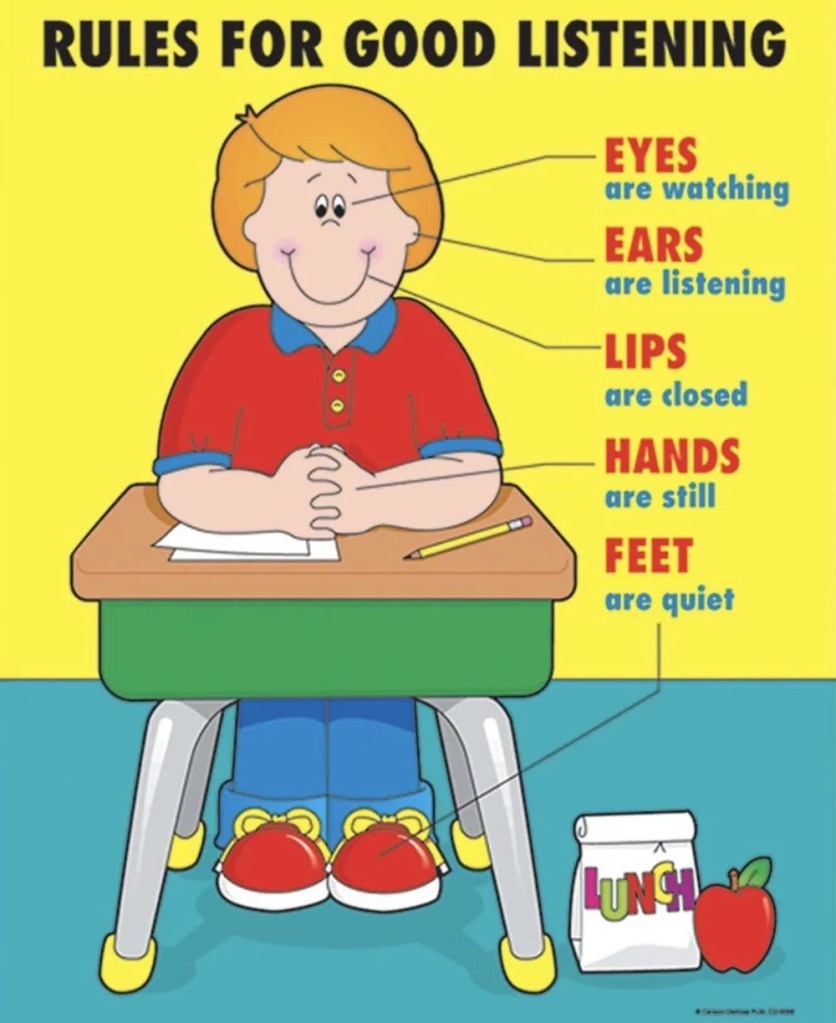
For many students, those illustrations were an integral part of the school experience. Years later, seeing one of the familiar faces can instantly bring back memories of elementary school, from classroom displays to the little rewards and activities that made learning feel more playful.
The success of Carson Dellosa also demonstrated how much potential there is in paying attention to what actually works for children. Carson and Dellosa had observed something in their own classrooms, experimented with an idea, and found a way to share it with other educators on an impressively massive scale.
Remembering the woman who shaped America’s classroom
While they sold the company (for $22 million in cash, $16 million in stock), both women still dedicate their time towards creativity and giving back—Dellosa sells her artwork online, while Carson is involved in philanthropic projects.
When nobody wanted to publish their idea, Carson and Dellosa could have let the project end there. Instead, they bet on what they had seen firsthand in their own classrooms and built a lasting legacy.
While their illustrated characters teach various lessons, they each secretly tell the same tale of two dedicated (not to mention savvy) teachers who saw something that worked for their students, trusted their instincts, and refused to give up on it.
Special thanks to Moss for sharing the Carson Delossa story on YouTube.