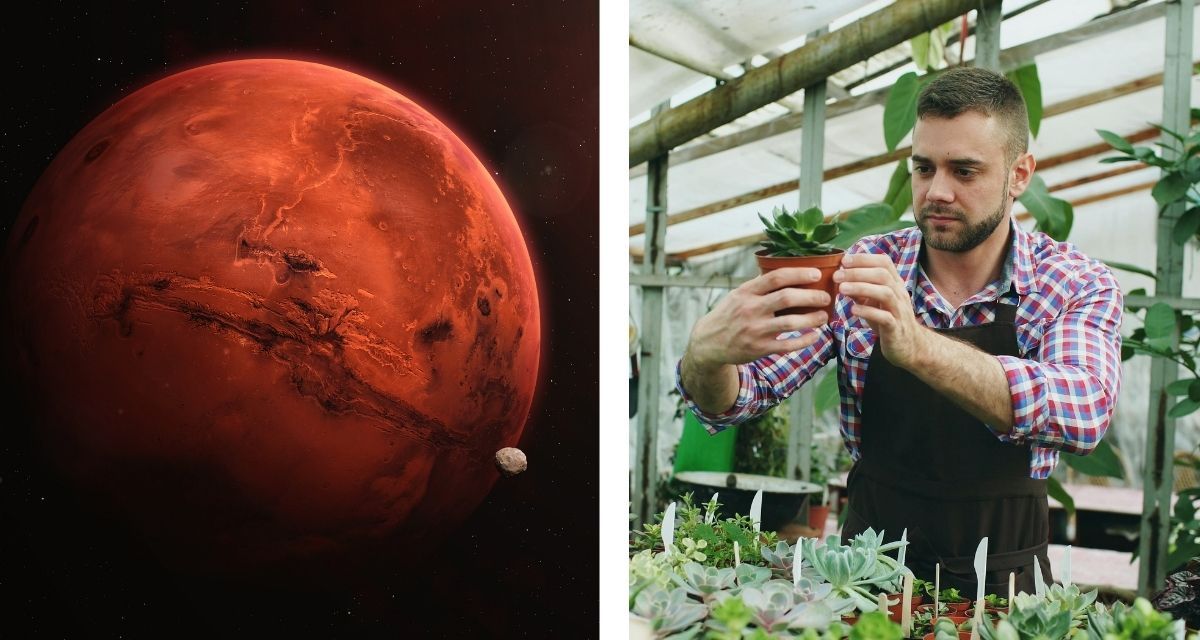
In 2013, space-loving botanist Wieger Wamelink began to wonder if, like that of its blue cousin, the soil on Mars could actually grow any plant life. Knowing there’d be only one way to find out, he created his own Martian soil in a lab and planted seeds in it.
You might be thinking, “Wait, didn’t I see Matt Damon do that with potatoes in that one movie?” This might seem eerily similar to something out of science fiction, but it’s a very real experiment that yielded some extraordinary discoveries.

Wamelink’s team planted 4,200 seeds representing 14 different plant species in a “simulated” Martian regolith, aka rocky soil. In other words, a makeshift soil using crushed volcanic rocks collected here on Earth that matched previous rover analyses of Martian soil.
According to Science Focus, these soils were initially developed to test whether rovers and spacesuits might handle the surface of the red planet. No one was entertaining the idea that these soils could someday provide dinner for mankind.
And yet…
Almost all of the seeds planted in this regolith germinated…some even began to sprout within just 24 hours.

But before you start looking up Martian gardening tips, you should know germination does not always lead to flourishing plant life. Anyone who has celebrated the first signs of life in a garden and soon regretted it can tell you that.
The plants initially grew only a few centimeters and couldn’t produce anything edible, even with additional nutrients. Unfortunately, Martian regolith lacks the rich organic material found in healthy Earth soil. It does, however, contain heavy metals and perchlorates, which can cause problems for both plants and humans.
Water is another conundrum. Martian soil tends to repel water, making it difficult for the plants to get the moisture they require.
Wamelink’s team began exploring ways to turn the barren material into something more hospitable
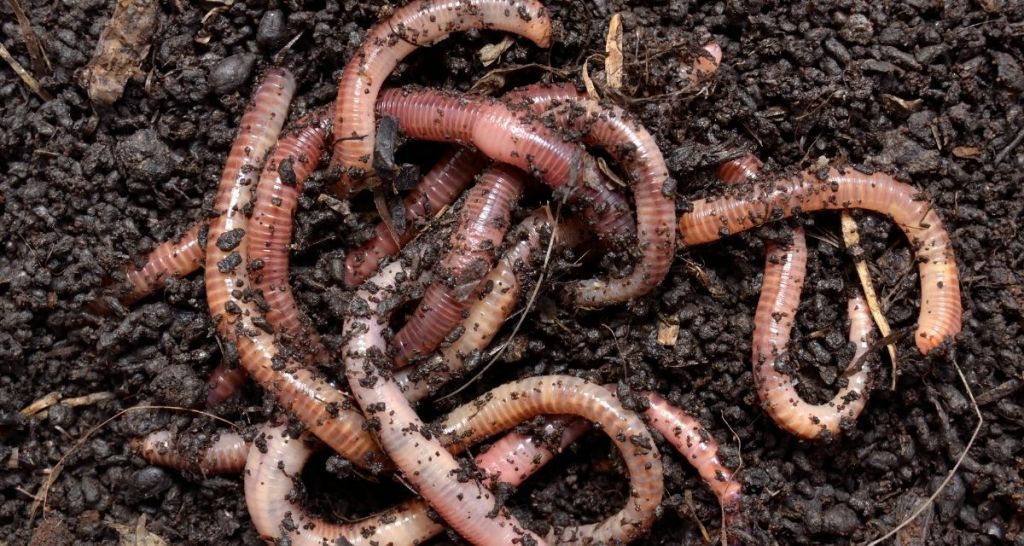
They then tried adding manure (first pig, then human), bacteria that would feed on the toxic perchlorates, and specialized earthworms that could digest the organic materials and produce more fertilizer as they burrowed through the growing medium.
Then came the Martian dinner party
Over time, these experiments kept producing results. Wamelink and his team eventually managed to grow crops including “tomatoes, garlic, spinach, basil, kale, lettuce, rocket, onion, and radishes,” per BBC Science.
Kale was especially impressive because it actually grew better in the simulated Martian regolith than it did in local Earth soils. Potatoes, on the other hand, have proven trickier…though not impossible.
In 2016, Wamelink even hosted a dinner featuring these Martian-grown items. They proved to be equally nutritious and as tasty as their Earthly counterparts. Today, Wamelink still continues researching how to make astroagriculture become a feasible reality.
What happens when we let curiosity take root
Wamelink’s experiment might seem almost fated when you learn that he was fascinated with space as a child and even dreamed of becoming an astronomer. After high school, however, he decided to study botany instead. But those two passions nevertheless would come together years later in a simple, yet timeless question: can life as we know it be sustained anywhere other than Earth?
There are still many things to figure out before that question is fully answered. But Wamelink’s experiments, and their success, show we’re getting closer all the time.