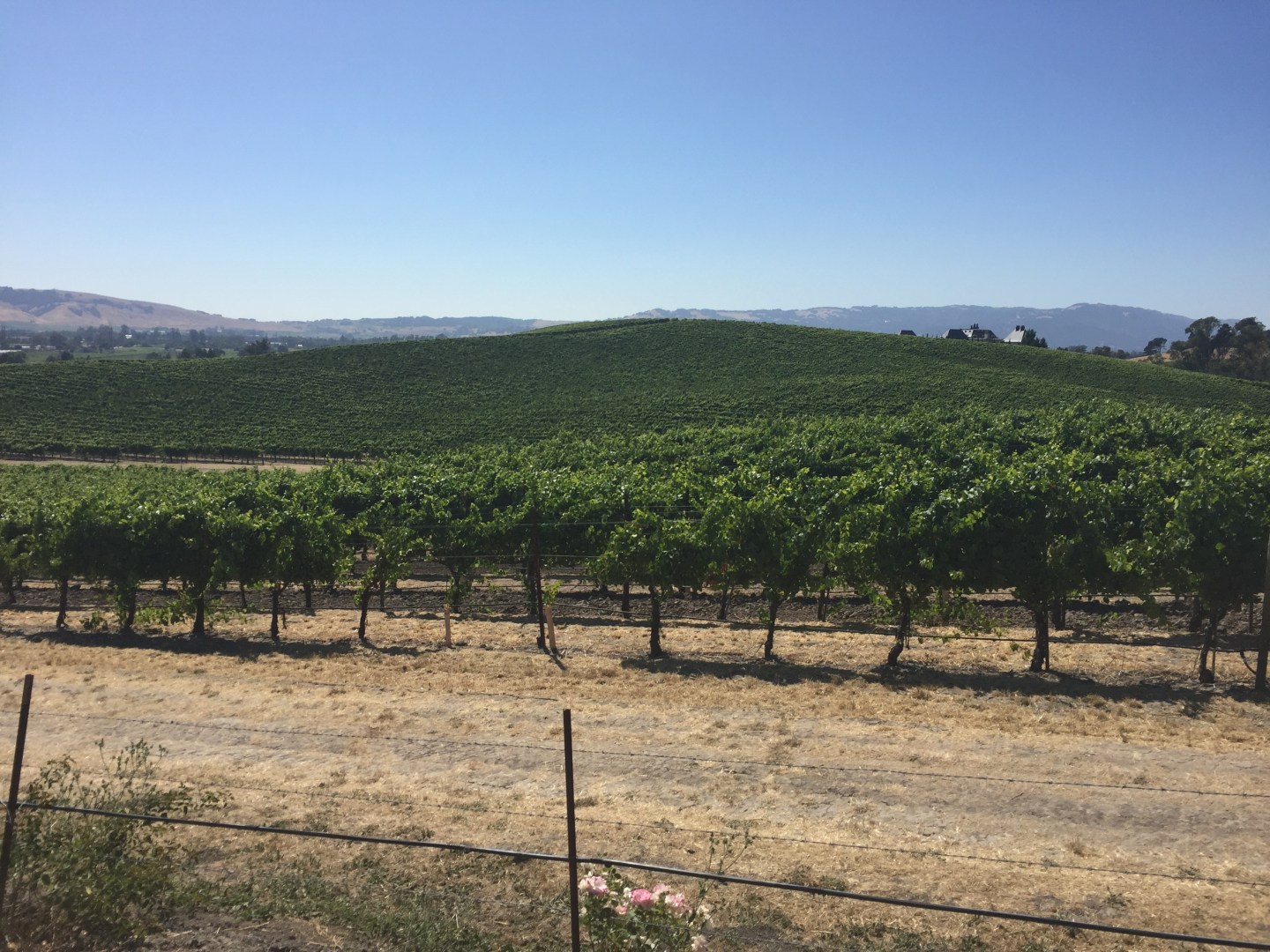
If you’re old enough to have used a computer before smartphones ate the world, you have stared at this photograph more than you’ve stared at most members of your own family: a green hill, a blue sky, and a few clouds doing absolutely nothing in particular. It was the default Windows XP wallpaper, it shipped on more than a billion machines, and it has been called the most-viewed photograph in human history.
A lot of people assumed it was computer-generated, some Microsoft art department’s idea of a perfect nowhere. It wasn’t. It’s a real hill in California, and the story of how it got there is stranger and better than the fake version.
The photographer was Charles O’Rear, a 25-year veteran of National Geographic who was, frankly, overqualified to be remembered for a desktop background. As CNET and other interviews lay it out, he was driving through wine country one Friday in the late 1990s on his way to visit his girlfriend, Daphne, in Marin County. He wasn’t working. He just happened to have his Mamiya RZ67, a medium-format film camera roughly the size and grace of a cinderblock, riding along with him.
The reason those hills were so impossibly, cartoonishly green is that Napa was in the middle of a phylloxera infestation, a microscopic louse that was busy devouring the region’s grapevines. According to Far Out Magazine, growers ripped out something like 50,000 acres of infested vineyards at a cost of around half a billion dollars, and in the gap where the vines used to be, grass took over.
So the single most peaceful, idyllic image of the digital age is essentially a crime scene photo of an agricultural disaster. The vineyards died, the grass moved in, the rain made everything green, and O’Rear drove past at exactly the right moment.
“My God, the grass is perfect! It’s green! The sun is out, there’s some clouds,” he remembered thinking, which is not exactly Ansel Adams narrating a spiritual awakening, but it got the job done. He pulled onto the narrow shoulder of the highway near the Napa-Sonoma county line and took, by his own account, a grand total of four frames. Then he got back in the car and went to see his girlfriend, having just casually committed the most-seen image in history to film without realizing it.
He filed it with his stock agency, Westlight, under the deeply un-iconic title “Bucolic Green Hills,” where it sat doing nothing for a couple of years. Then Bill Gates’ company, Corbis, bought Westlight, and when Microsoft went looking for a default wallpaper that radiated calm for Windows XP, somebody dug it out of the archive. They renamed it “Bliss,” which is a better title, and paid O’Rear what has been reported as a low-six-figure sum. He’s under a confidentiality agreement and can’t say the exact number, only that it was the most he’d ever been paid for a single photo.
Getting the image to Microsoft turned into its own small comedy. By the time the deal closed, the photo was so valuable that delivery companies, including FedEx, wouldn’t insure the original film for shipping. So rather than risk the negatives in the mail, Microsoft flew O’Rear and his film to Seattle to hand them over in person, like a courier in a heist movie, except the priceless cargo was a picture of some grass.
There’s one asterisk worth mentioning, because O’Rear has spent years insisting the photo was completely unedited, and that’s mostly, but not entirely, true. He shot it on Fujifilm’s Velvia, a film famous among landscape photographers precisely because it saturates color to an almost unnatural degree, so the lushness was baked in by the film stock rather than a person. But per Amateur Photographer, Microsoft cropped the left side and pushed the green even more vivid before shipping it. So “unedited” is doing a little quiet lifting. The hill was real. The clouds were real. The radioactive shade of green was a collaboration between a Japanese film company and a Redmond art department.
The landscape itself didn’t stick around to enjoy its fame. Within a few years, the vineyards came back, the grass went away, and the actual spot on Highway 12 looked nothing like the picture anymore.
The most permanent image of a generation, reproduced a billion times and burned into the memory of everyone who owned a beige desktop tower, was a view that existed for just a few seasons before nature paved over it. O’Rear captured the four frames that survived it on his way to a date, with a camera he wasn’t supposed to be using for work.