Mia Chard walked herself down the aisle on May 2, and that was a decision, not a shortfall. Her mother had hoped one of Chard’s brothers would do it; the oldest was already officiating. But Chard, a 43-year-old social worker in Utah, couldn’t stand the idea of someone else standing in for the man who was supposed to be there.
“If it’s not Dad, it’s no one,” she told Today. “I’ll do it myself.”
Her father, Doug, had died in 2018 at 72 after a long illness. By her account, he had been less a parent she was close to than one of her actual best friends: tough and tender, intimidating to everyone else, and gentle with her.
So she brought a piece of him instead: his 1970s Rollei film camera, and asked family to shoot a few frames on it during the day, the kind of grainy analog wedding photos people pay good money to fake now. She was fairly sure she’d loaded a fresh roll of film into it months earlier. She’d used the camera for years without incident. Standard stuff.
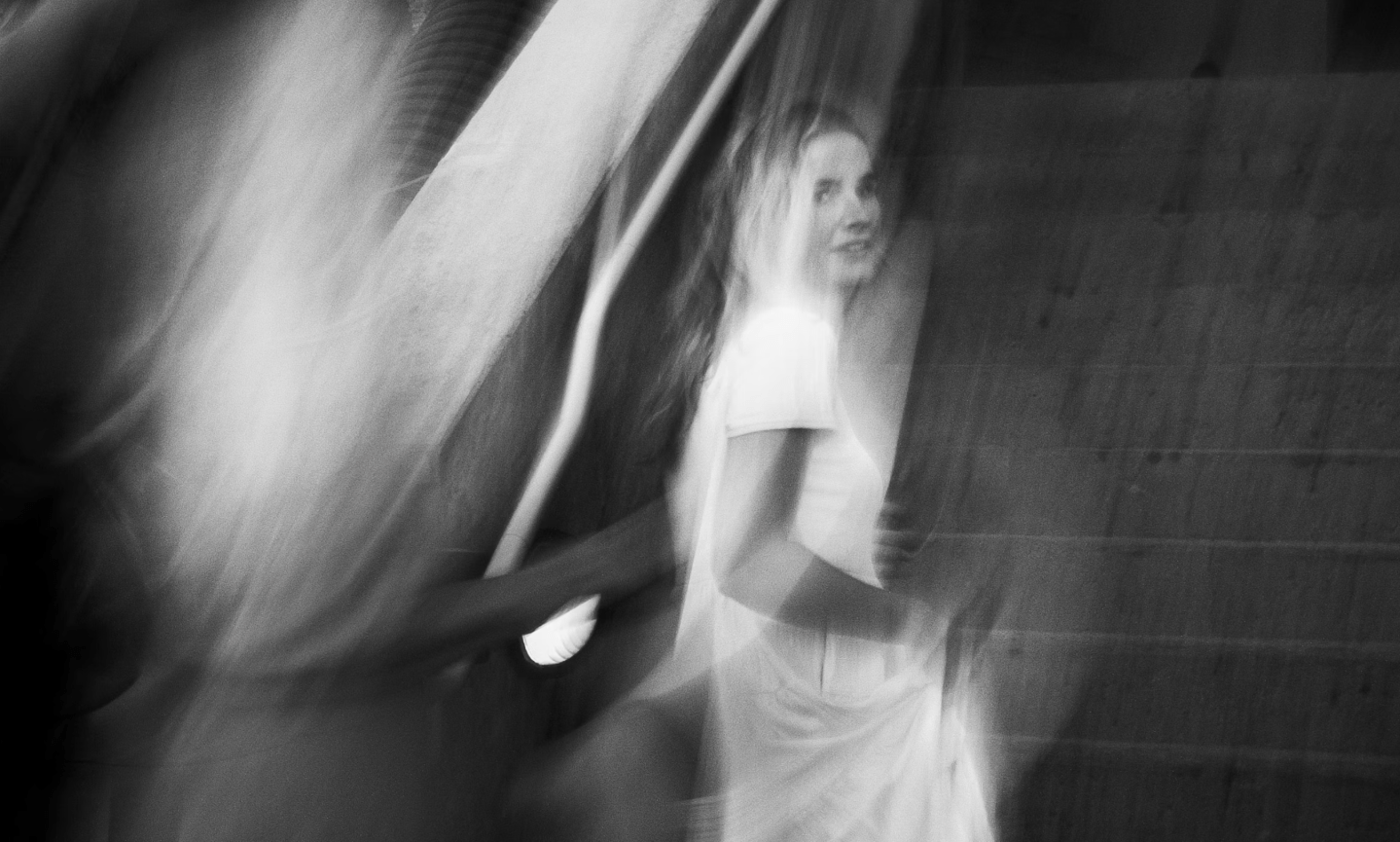
When the developed scans came back, the first image wasn’t her wedding at all. It was her mother and father, together, from years before. As she kept scrolling, she understood what had happened mechanically: The roll already held photographs from a family gathering around her brother’s 1999 graduation, and her wedding frames had exposed on top of them, stacking two occasions onto single frames. A double exposure. Anyone who’s shot film knows the failure mode: a roll that didn’t advance or got loaded twice, causing two events to bleed together into one ghosted image.
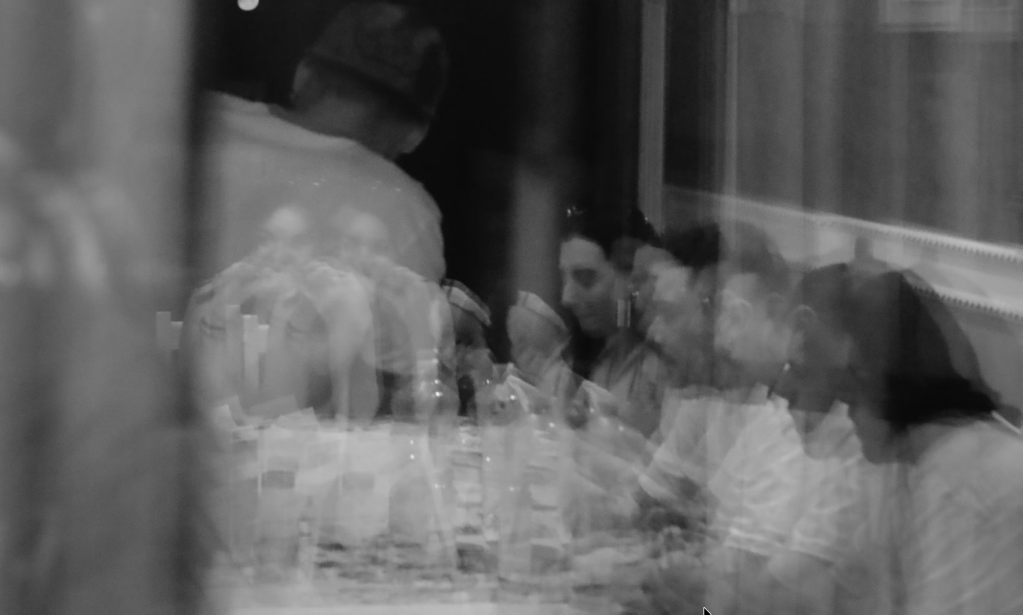
The mechanism is ordinary. What it produced is not. In one frame, the overlapping exposures fall around Chard as she walks up the aisle alone, her father’s decades-old image layered into the space beside her, the exact space that was empty on purpose. And she genuinely cannot account for the film. She remembers buying and loading a new roll; instead, the camera held 26-year-old pictures of the man whose absence she’d spent the whole day navigating. “I just can’t explain how in the world that roll of film was in my camera,” she said.
Chard is, by her own admission, not the type to read meaning into this kind of thing. She says she rarely feels her father around the way some of her relatives claim to; when she does, it’s usually through music, occasionally through pictures. This got past her guard.
“It felt meant to be,” she said. “It truly felt meant to be.”
You don’t have to sign off on the metaphysics to grant her that. The coincidence did the work a séance couldn’t, and it did it with his camera, his old roll of film, his face, in the seam of the day built around his not being there.
“Of course he made it to my wedding day,” she said. “I want to believe I have the pictures to prove it.”
A skeptic gets to keep her skepticism and still want that to be true. Both things can be true.
You can follow Mia Chard on Instagram for more lifestyle content.