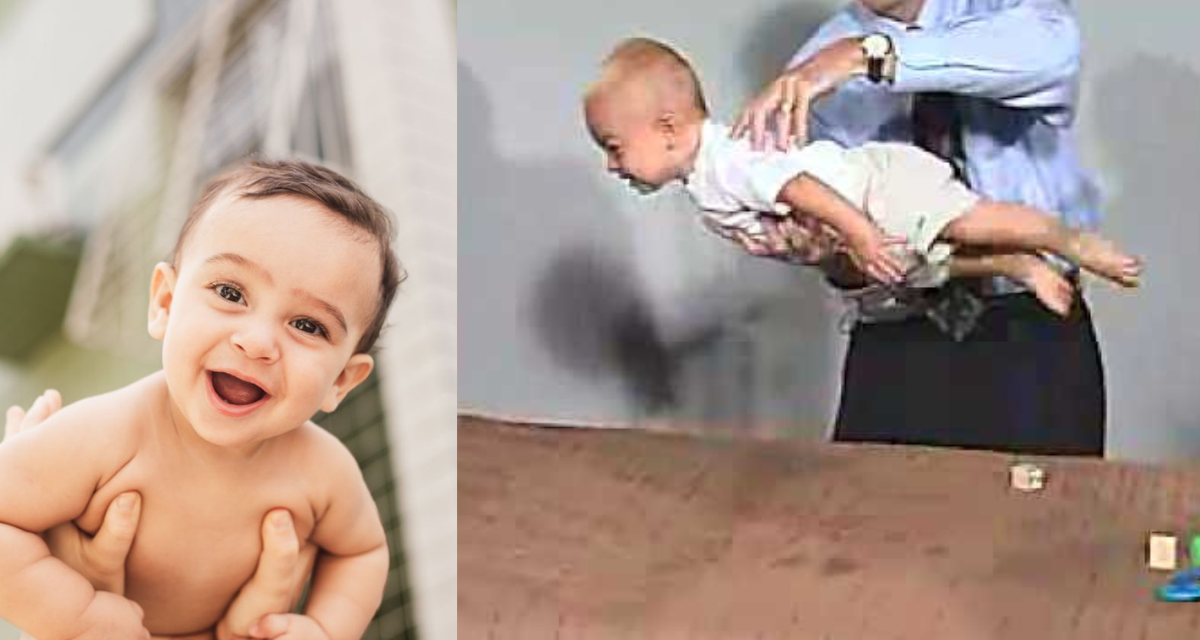
It’s a bird… It’s a plane… Wait, is that your newborn? Ever held up a five-month-old baby and seen them suddenly flatten out, legs straight, looking exactly like they’re Superman taking flight over Metropolis? Well, don’t be alarmed; you aren’t alone. What you’re witnessing is an adorable quirk of infancy that has an important effect on a child’s development.
So, put your onesie in its upright position. We’re about to take off and learn why your baby has a built-in neurological blueprint hard at work—and why they’re developing abs of steel.
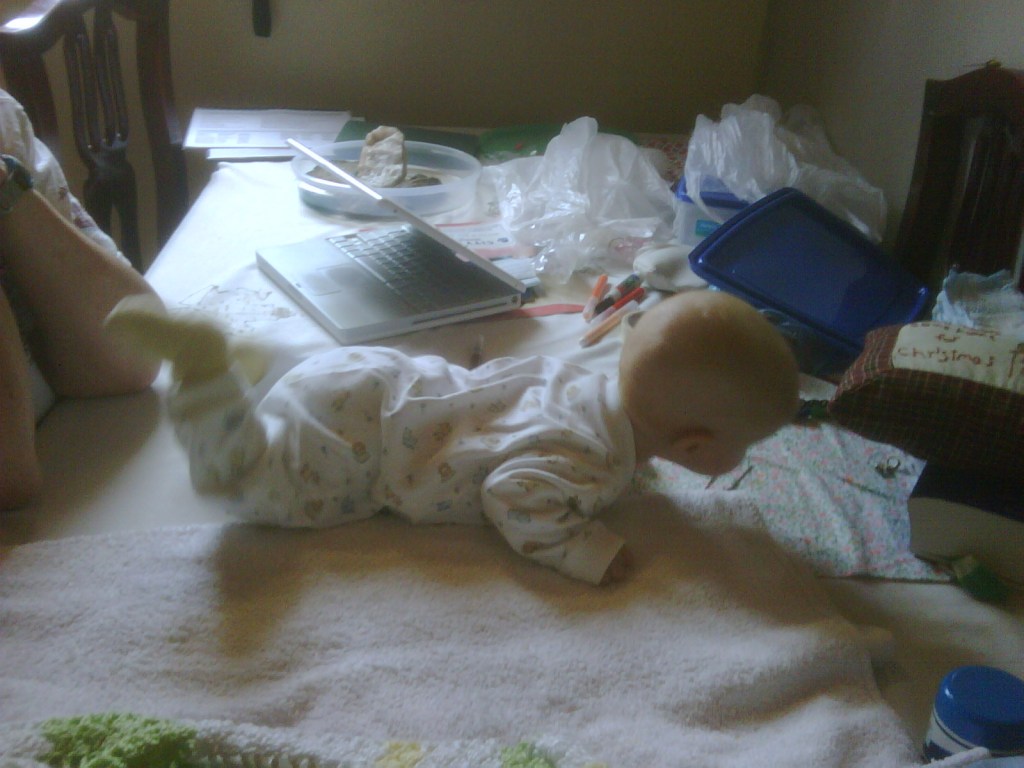
The stealth workout hiding in plain sight
The raised head, arched back, and lifted legs you’re seeing are a natural and necessary part of a baby’s growth. It’s known as the Landau Reflex. It’s a remarkable developmental milestone that typically kicks in around three to four months of age. When an infant is held horizontally face down, their body responds with an automatic, full-body extension. It’s not just a cute parlor trick; it’s a crucial, full-body workout.
Think of it like nature’s ultimate core-strengthening routine. Long before a baby can ever attempt to sit up, crawl, or take those first wobbly steps, their brain and muscles need to learn how to work as a team. The Landau Reflex is the neurological bridge that helps get them there. By automatically engaging the large muscle groups along the neck, spine, and hips, this reflex activates the vital fine and gross motor skills your baby will rely on for the rest of their life. These are a person’s building blocks for posture, coordination, and balance.
The ultimate’ hero pose’
Like most early childhood reflexes, the Landau Reflex doesn’t stick around forever. Pediatricians often encourage parents to give their baby “tummy time” on the floor. This is when you start to see this reflex begin to take hold. As the infant works out those neck, core, and hip muscles, the Landau Reflex usually peaks around six months. That’s when you often see babies hit the full “last son of Krypton” pose. This reflex gradually fades as voluntary muscle control integrates with the nervous system in babies between 12 and 24 months old.
As popular pediatrician Dr. Rubin pointed out in a viral TikTok video breaking down the phenomenon, seeing your baby hit this stage is incredibly reassuring. However, because human development isn’t a rigid timeline, every single baby moves at their own pace.
While the “Superman pose” is a cool indicator of a developing nervous system, new parents should always monitor their baby’s progress in close partnership with their pediatrician. If their baby doesn’t seem to show this reflex, or if they remain rigid beyond 24 months, it could indicate a developmental or neurological problem. A quick chat with a doctor can offer great peace of mind.
Occupational therapists say that parents can incorporate balance and core strengthening exercises into baby play. When it doesn’t appear naturally or is delayed, this helps stimulate the Landau Reflex. After all, every little one’s path to flight looks just a little bit different—and keeping a supportive eye on their journey is the best superpower a parent can have.