Work, traffic, the price of food and gas—modern life is a lot. We probably all dream of escaping our hectic daily routines on occasion. Just think of the peace a simpler existence might provide. A life far away from endless emails and constant notification pings.
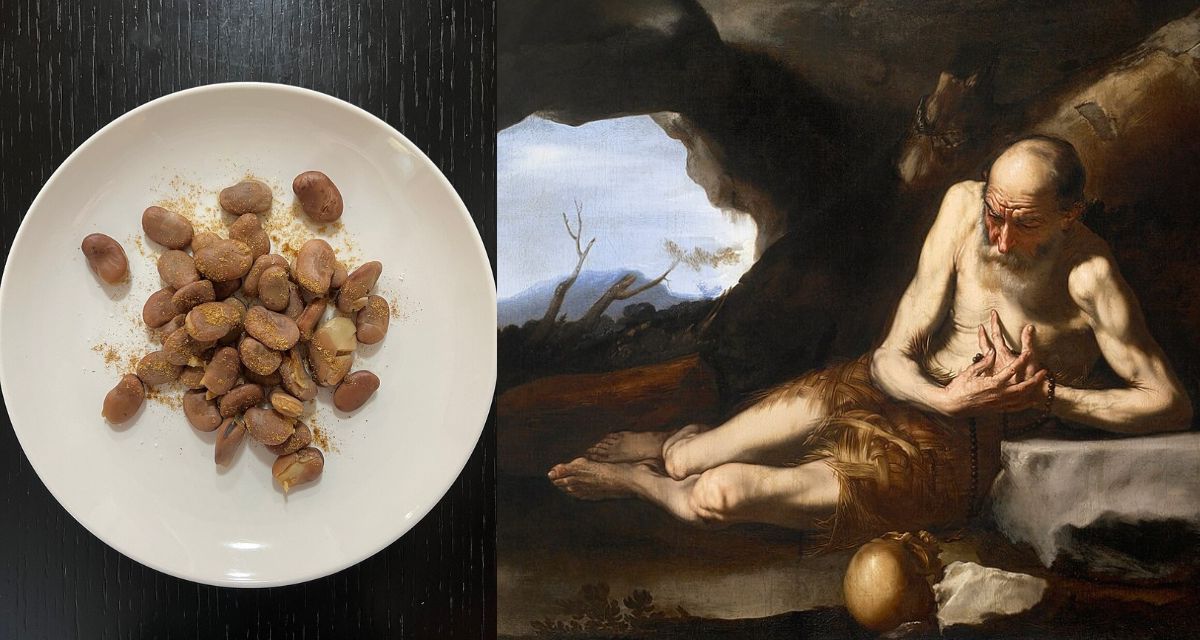
But when it comes to the “simple life,” some were more modest than others, like the lonely, ascetic lifestyle of a medieval hermit. Max Miller of the popular YouTube channel Tasting History recently went viral for recreating one particularly humble dish of medieval recluses: fried fava beans and onions.
It’s a meal that’s rustic, basic, and surprisingly satisfying. And the hilarious online reactions proved just how ready everyone is to throw in the towel and retreat to the woods.
Trading modern stress for medieval beans
Miller’s deep dive into historical archives uncovered how some medieval recluses sustained themselves. A note on parchment described how one early hermit survived on just “barley bread and muddy water.” Others enjoyed slightly more comforting vegetable stews, or “pottages.” As for Miller’s 14th-century fried legume recipe, the prep is pretty simple: boil dried fava beans until they burst, and shell the husks. Then toss in chopped onions and minced garlic, and fry everything together in oil.
It is the absolute definition of minimalist cooking.
Fans flooded the comment sections with pure comedic gold. One viewer joked, “I’m a little upset that Medieval Hermit was not an option provided by my guidance counselor.”
Another chimed in, “Some of those fasting meals are appalling, but the one you’re making looks kinda good.”
Others considered how this daily meal might affect their relationships. “My wife will force me into my hermitage if I eat a dish of beans and onions,” one fan quipped.
As costs rise for everyday households, many followers called the historic repast the ultimate financial warning sign. “This video is a recession indicator,” one top comment read.
The bizarre reality of ancient solitude versus today
When we picture a modern hermit, we imagine a quiet cottage, a crackling fire, and stacks and stacks of books. The actual reality of a medieval hermit’s existence was far harsher than our cozy digital fantasies.
In his video, Miller further reveals that some medieval recluses (many of them monks and nuns) voluntarily agreed to be walled up inside tiny stone cells attached to churches. They lived there permanently with only three small windows to the outside world. Often, they focused on finding ways to demonstrate their willpower, like wearing shirts made from scratchy goat hair. They relied completely on strangers to pass basic meals to them through a slot in the wall.
In the 18th century, hermits oddly became status symbols for rich landowners. Basically, these rich landowners hired them to live on vast estates. Known as “ornamental hermits,” they had to commit to living unwashed in posh gardens as living decorations for party guests.
Compared to their extreme discipline, our modern attempts at “unplugging” look pretty luxurious. How often have you struggled to turn off your phone for even a day? Watching someone fry up a simple medieval bean dish offers a fascinating reality check and a reminder that humans have survived tough times with very little for centuries. And that sautéed beans can be delicious.