There’s no doubt that teaching has changed dramatically over the last several years. Most educators would say it’s gotten harder, as reflected by the rising number of teachers quitting the profession and many never entering it at all.
Simply put, there aren’t many veteran teachers left who remember what it was like before technology and culture changed everything.
28-year teaching vet reflects on big changes over last 20 years
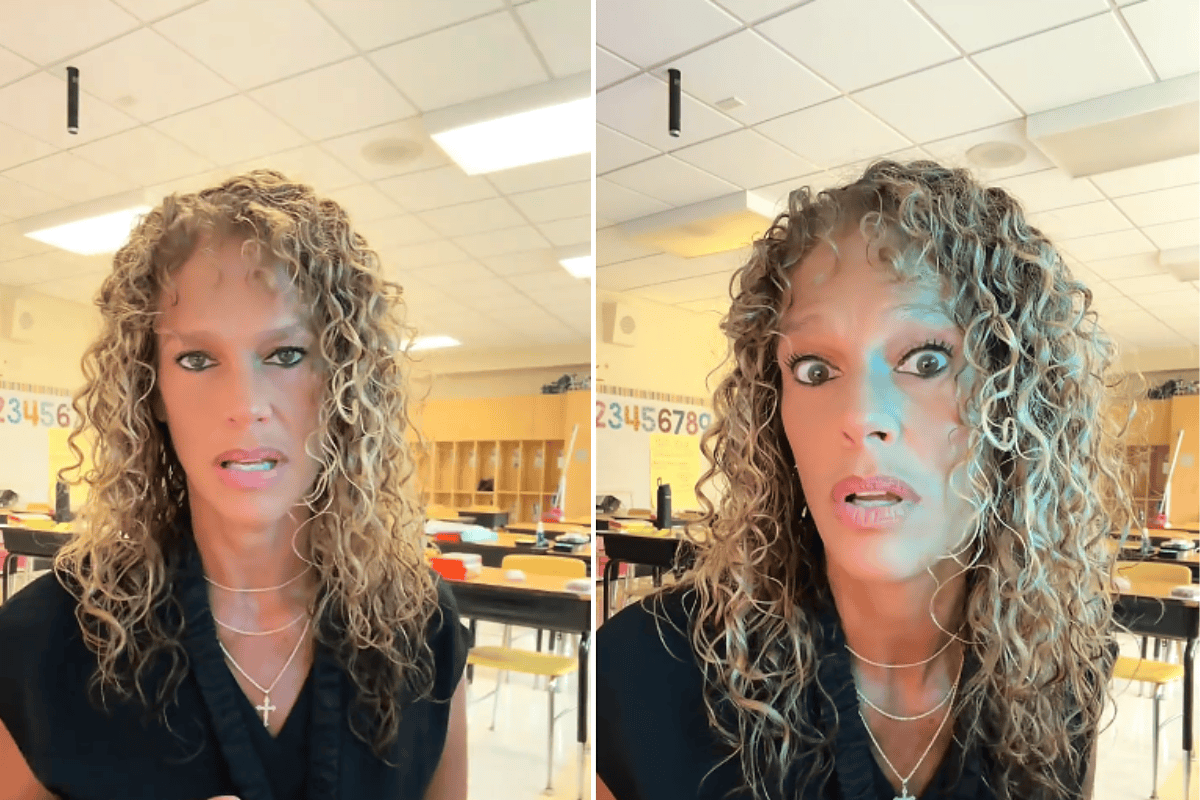
One teacher who has been on the ride for over two decades and is still around to give us the inside scoop on what teaching is really like today is Doctor Mary Pettit. She started teaching in 1998 and recently took to social media to reflect specifically on the big changes she’s seen lately.
Pettit says teaching in 2026 differs drastically from teaching in 2006 in five important ways.
“Those of you teaching for 10 or 20 years probably feel this today in your bones. Being a teacher in 2026 is completely different than being a teacher in 2006,” she says. In the caption, she calls it “a different profession.”
So what’s changed?
1. Parents expect 24/7 access
“Teachers are expected to be available almost all of the time,” Pettit says.
She explains that in 2006, parents and teachers had only a few communication options, and most were slow and intentional, except for the emergency phone call home. There were notes and scheduled conferences, and that was about it.
“In 2026, we have emails, apps, messages, notifications, online grade books. There’s an expectation of immediate access to your child’s teacher. Sometimes, an expectation of immediate response, too.”
2. Teachers must document everything
“We document everything. Interventions, behavior, parent communication, accommodations, data progress monitoring, small groups, assessments,” she says, nearly winded from the exhausting list.
“Sometimes I feel like I spend just as much time proving that I taught as I do actually teaching.”
In 2006, most teachers still used paper gradebooks, an attendance sheet, and not much else. The volume and variety of what teachers now have to track have exploded.
3. Teachers have more responsibility than just teaching
“Of course, we’ve always cared about the whole child. But today, teachers are expected to teach academics while also supporting social-emotional skills, behavior, executive functioning, conflict resolution, digital citizenship, organization, and independence. And somehow we’re supposed to fit all of that into the same school day.”
It’s not conjecture from someone fantasizing about the “good old days.” Pettit was actually there in the classroom when teachers had far less on their shoulders.
4. Technology in the classroom
This one is a double-edged sword. Some of the digital tools teachers have at their disposal are truly amazing. The apps, learning games, and interactive educational technology are staggering, and many of them are extremely effective.
But it comes at a cost.
“We’re also competing with screens, instant gratification, constant stimulation, shorter attention spans. Getting children to sit with something that feels difficult, slow, or even a little boring can be a challenge all by itself.”
5. A changing relationship between school and home
“In 2006, if a child received a consequence at school, the teacher’s version of what happened was often reinforced at home.”
Uncomfortably, Pettit says that she finds that it’s often no longer the case.
“Teachers can sometimes find themselves having to defend a classroom expectation, a grade, a consequence, or even asking a child to complete their work.”
Critically, Pettit does not blame the challenges of modern classrooms on the kids. She says they didn’t “suddenly become bad.”
More importantly, she doesn’t blame the parents either. Many parents are dealing with the same changes, challenges, and increases in pressure and responsibility in their own careers and lives, and are doing their best to adapt. “Parents didn’t suddenly stop caring,” she says.
“The world around children changed. Technology changed. Parenting changed. Expectations changed. Accountability changed. Childhood changed,” she says. “And teaching changed right along with it.”