In men, it’s Parkinson’s. In women, it’s hysteria.

This article originally appeared on ProPublica. You can read it here. Once it was called “hysterical” movement disorder, or simply “hysteria.” Later it was labeled “psychogenic.” Now it’s a “functional disorder.” By any name, it’s one of the most puzzling afflictions — and problematic diagnoses — in medicine. It often has the same symptoms, like…

Array
Photo credit: via Columbia Social Work / TwitterArray

This article originally appeared on ProPublica. You can read it here.

Once it was called “hysterical” movement disorder, or simply “hysteria.” Later it was labeled “psychogenic.” Now it’s a “functional disorder.”

By any name, it’s one of the most puzzling afflictions — and problematic diagnoses — in medicine. It often has the same symptoms, like uncontrollable shaking and difficulty walking, that characterize brain diseases like Parkinson’s.

But the condition is caused by stress or trauma and often treated by psychotherapy. And, in a disparity that is drawing increased scrutiny, most of those deemed to suffer from it — as high as 80% in some studies — are women.

Whether someone has Parkinson’s or a functional disorder can be difficult to determine. But the two labels result not only in different treatments but in different perceptions of the patient. A diagnosis of Parkinson’s is likely to create sympathy, but a functional diagnosis can stigmatize patients and cast doubt on the legitimacy of their illness.


Four in 10 patients do not get better or are actually worse off after receiving such a diagnosis and find themselves in a “therapeutic wasteland,” according to a 2017 review of the literature by academic experts.

“This is the crisis,” said University of Cincinnati neurologist Alberto Espay, the author of guidelines on diagnosing functional movement disorders. “It shouldn’t be stigmatized but it is. No. 1, patients are wondering if it is real. ‘Does my doctor think I am crazy?’ Secondly, doctors can approach it in a way that implies this is a waste of their time.”

A study published last year in a leading neurological journal stoked the growing controversy. Of patients diagnosed with functional symptoms, 68% were women. This finding, the authors wrote, “suggests that female sex may be an independent risk factor for the development” of functional symptoms.

The study prompted a furious letter to the journal’s editor from Dr. Laura Boylan, a New York City neurologist. She argued that the study’s results might demonstrate instead that symptoms thought to be psychogenic were actually the result of Parkinson’s, and that doctors were slow to identify the brain disease in women.

“Disparities in healthcare for women are well established,” she wrote, adding, “Women commonly encounter dismissal in the medical context.”

For Boylan, the issue was more than a professional debate. It was personal. She had been diagnosed with Parkinson’s-like symptoms that her doctors, all top caregivers at some of the world’s leading medical institutions, largely believed to be psychogenic or side effects of medication.
Most of her doctors were men, but two were women. Boylan, herself a brilliant neurologist, disagreed vehemently with them. She attributed her problems to a physiological cause, a tiny cyst in her brain, and grew despondent when other neurologists doubted her theory. She gave up her medical practice, became housebound and contemplated suicide. Even today, her case remains a mystery.

The first sign that something was wrong came in 2008.

At the time, Boylan was busy with a successful career that included work as a teacher, researcher and clinician. She was an assistant professor of neurology at the New York University School of Medicine; the director of the behavioral neurology clinic for the VA in New York City; and an attending physician at a hospital in Pennsylvania.

She was married to another neurologist, Daniel Labovitz, who is a professor at the Albert Einstein College of Medicine and practices at Montefiore Medical Center in the Bronx.

It was while driving at night on a Pennsylvania highway that Boylan experienced a vivid hallucination. She saw a cartoonish chipmunk on the steering wheel, smiling and waving at her. Another time, two blue men with red hats appeared on either side of her. She knew the images were not real, but she couldn’t make them go away.

Her doctors at the time blamed the hallucinations on side effects of psychiatric medicine Boylan took for her long-diagnosed bipolar disorder. Her bipolar condition would later add another element of uncertainty to the debate over her Parkinson’s-like symptoms.

Studies show that people with preexisting psychiatric disorders are more likely to develop Parkinson’s — or have a functional disorder with similar symptoms. Boylan said she sees a psychiatrist for the bipolar disorder, but it’s “just not a big deal in my life.”

Over time, her health continued to worsen. In early 2011, during a tai chi class, she had difficulty balancing on her right leg. Later, she also noticed muscle twitching in her feet and legs.

Boylan was worried that some of her symptoms mirrored those found in patients with amyotrophic lateral sclerosis, or ALS, a rare and degenerative neurologic disease that affects the ability of muscles to function. ALS, also known as Lou Gehrig’s disease, was ruled out by a specialist, but an imaging scan performed as part of that exam revealed a small cyst on the front right side of her brain.

The location and type of cyst are considered rare. At the time, Boylan and the neurologist she consulted didn’t believe the cyst was causing her movement problems and chalked it up as an “incidental” finding not to be concerned about.

In the fall of 2013, Boylan experienced a three-day bout of double vision that forced her to miss work. The episode was disturbing because it left her, for the first time, unable to perform her duties as a doctor.

About a week later, she went to see Janet Rucker, then a neuro-ophthalmologist at Mount Sinai Medical Center. Rucker diagnosed convergence insufficiency, a condition in which the eyes are unable to work together to focus on close by objects. Rucker thought it unlikely the brain cyst was causing the vision problem and believed it was more likely related to medication Boylan was taking, according to her notes.
Boylan returned home unconvinced by Rucker’s opinion. Her vision improved enough to allow her to research the condition herself. She said she found instances where levodopa, a medication used to treat Parkinson’s that she had prescribed many times for her own patients, helped alleviate the vision problem.

She decided to take her treatment into her own hands and took levodopa she prescribed for herself. Boylan knew the decision to test her own theory was a direct challenge to Rucker’s competence.

While legal, self-prescribing medication is considered an unsound practice by some in the medical establishment. Physicians who treat themselves risk removing the objectivity usually present in a doctor-patient relationship, which can lead to poor decisions.

Within an hour of taking the levodopa, Boylan’s eyes converged and the vision problem cleared. That wasn’t all. Involuntary tremors and twitches stopped. She later wrote that she “felt years younger” and “moved much better” immediately after taking the drug.

For Boylan, the experience with levodopa confirmed what she had come to suspect; that the cyst in her brain thought to be harmless was in fact causing her Parkinson’s-like symptoms. (In Parkinson’s, nerve cells in the brain that help control body movements break down or die.)

If she had a functional disorder, the drug should have no effect. She excitedly dashed off an email to Rucker reporting her success and attached a video showing her eyes working properly.

“That is a pretty impressive effect,” Rucker replied. She wrote that she rarely recommended the drug for convergence insufficiency, but given Boylan’s improvement, “perhaps I’ll recommend it more often.”

Rucker, however, didn’t appear to think the cyst was responsible for Boylan’s double vision, calling it the “least likely” of options, according to her notes of the case. More likely, she wrote, it was related to other medications Boylan was taking.

Boylan didn’t learn about the contents of the medical notes from her visit until later. Boylan, who believed her recovery proved that the cyst was the origin of her double vision, was insulted.

“That I solved this problem with levodopa, documented it, and returned to work the next day might be taken as evidence of my skill rather than having a screw loose,” she later wrote to Rucker, who declined comment for this story.

Levodopa is a potent drug used to control tremors and stiffness in Parkinson’s patients. The development of the drug, and what it revealed about how the brain works, was an important breakthrough that won one of the researchers involved the Nobel Prize in medicine in 2000. But levodopa can also produce side effects that include involuntary movements, from tics to sudden, jerky body motions, different from those that it had alleviated in Boylan.

Boylan decided to continue taking the drug, but wanted another neurologist to help manage her situation. She chose Elan Louis, a neurologist who had been just ahead of her in the Columbia residency program. Boylan told him she was serving as her own neurologist and that her situation was “getting acutely worse.”

The two doctors saw each other at the occasional reunion, but they were not close. Boylan largely knew of Louis by reputation. He is considered one of the leading experts on movement disorders and is the editor of Merritt’s Textbook of Neurology, a standard clinical guide in the field.

He practiced at Columbia when Boylan first began seeing him in late 2013 but was recruited to Yale University in 2015 to serve as chief of the movement disorders division in the neurology department.

Louis had not treated a specialist in his own field before. The relationship proved challenging. Boylan has a combination of intelligence and passion that attracts devoted friends. Louis described Boylan as “super smart” and someone who was constantly digging into the medical literature to learn as much as she could about her symptoms and the cyst in her brain.

She could also be blunt and confrontational. Boylan was one of several people arrested a decade ago for refusing to leave a U.S. senator’s office as part of a sit-in advocating for single-payer health care.

She was also an early proponent of limiting the perks that pharmaceutical companies give doctors to encourage them to prescribe their drugs, a stance that irked some colleagues but also won her admirers. Boylan was not hesitant to challenge her own doctors’ assessments, as she had done with Rucker. With a mix of pride and contrition, she describes herself as a difficult patient.

In one email exchange in 2015, Boylan appeared miffed that Louis did not believe that a bout of heart palpitations and dizziness was related to her brain cyst. “I wish you’d responded earlier when you found my questions odd/unreasonable,” Boylan chided Louis. “At present I know more about this area than you and yet seem crazier because of it.”

At least 10% of the patients who seek help for movement disorders at the Yale clinic are determined to have a psychogenic, or functional condition, Louis said. At other neurology clinics, the number is as high as 20% and second only to headaches as the reason for seeking help.

To determine if a condition is functional, neurologists identify symptoms that don’t match with physiological movement disorders. In Boylan’s case, the cyst was on the right side of her brain, which meant it should only cause symptoms on the left side of her body. The right leg weakness she experienced at tai chi, for instance, didn’t fit with this.

Then there are a series of tests that can help determine if movements are genuinely involuntary. One group of tests is designed to distract a patient. A patient with a left arm tremor, as was the case with Boylan, might be asked to extend that arm out and then use the hand on the other arm to tap out a sequence of numbers.

As the neurologist calls out for one tap, four taps, two taps and so on, he or she is watching to see if the tremor on the left side stops as the patient focuses on the tapping.

When Louis performed these tests on Boylan, she knew exactly what he was assessing. She administered the same tests to her own patients. To Boylan, the fact Louis was even doing the tests meant he had already concluded some of her symptoms were psychogenic. “I knew I was going to fail,” she said later, adding that the tests are not always a valid indicator.

“I tried so hard to do things properly that it can look extreme.” Louis observed that Boylan’s tremor stopped when she was distracted. “If something is truly involuntary, it should persist whether someone is paying attention or not,” Louis told me. He agreed with Boylan that the tests are not foolproof, but said that they are useful in evaluating a case.

In his initial assessment of Boylan, Louis referenced the brain cyst and possible medication-induced effects as well as the possibility that “something else is going on here.” The difficulty, he noted, was “piecing it all together.”

To help solve this puzzle, with Louis’ encouragement, Boylan consulted two neurosurgeons.

The first, at Columbia Presbyterian, wrote the cyst might be playing a role in her tremors but warned surgery should only be considered as a “last resort.” The second, at Mount Sinai, was skeptical the cyst was playing a role, writing, “It is difficult for me to pin the presence of this cystic lesion on her worsening symptoms.”
After the appointments with the surgeons, Boylan returned to see Louis on Nov. 14, 2013. Louis told her he saw some “psychiatric overlay” in her symptoms and said there may be something “organic beneath a lot of overlay,” according to his notes.

He estimated that perhaps 70% of her symptoms were psychiatric in nature. He doubted the brain cyst was causing her rapidly worsening symptoms. It “doesn’t fit,” he wrote. He noted Boylan “was not happy about this but seems to have accepted it during subsequent emails/phone calls.”

Louis told me that Boylan’s case was “very complicated” because some of her symptoms and the cyst in her brain were rare. “Her syndrome is difficult to neatly put in one box,” he said. “That is why she has defied diagnosis and had a difficult time.”

A psychogenic diagnosis, he said, is hard for patients because “there is a feeling with people that it is not real, it is all in our head and imaginary and undervalues and devalues what they are going through. No one wants that.”

While Parkinson’s is treated with medications such as levodopa, patients determined to have a functional or psychogenic condition are often prescribed psychological regimens such as cognitive behavioral therapy. Louis said he has worked successfully with a Columbia psychiatrist to treat functional patients.

“We have had patients unable to walk who were walking out two weeks later,” he said. Louis said he discussed Boylan’s case with her psychiatrist to share his evaluation of her situation and to coordinate medications. Her psychiatrist referred her to behavior therapy, Boylan said. “I did a round,” she said. “It helped me tolerate problems but did not change them.”

The more Boylan tried to convince others that the cyst was causing her problems, the more she felt she was viewed with suspicion. It became an obsession. Louis once remarked to Boylan that no one in the world knew as much about the square inch of brain where the cyst was located as she did.

Despite their clashes, Boylan respected Louis. When he delivered his diagnosis, it caused her to second-guess her theory about the cyst. She also believed that some of her doctors used her bipolar disorder to cast doubt on her complaints.

Her symptoms worsened and the stress overwhelmed her. On Dec. 9, she was admitted to the emergency room at St. Luke’s Hospital with severely elevated blood pressure and stress-induced cardiomyopathy, a heart muscle disease that makes it harder to pump blood. When a cardiologist inquired if she was under stress, Boylan tearfully told her, “My doctors think I am hysterical.”

As 2014 wore on, Boylan needed increased doses of levodopa to get the relief she first experienced when self-treating her double vision. It was a vicious circle. She needed the medicine to help with her with her lack of balance, which was causing her to fall, as well as her vision and left arm tremor. But the side effects from the medicine were severe.

On a Sunday afternoon in September 2014, Boylan stumbled out of a taxicab onto the sidewalk in front of the emergency room at NewYork-Presbyterian/Columbia University Medical Center. A couple of ambulance workers noticed she was having difficulty and helped her into a wheelchair.

Boylan was gaunt. She had lost more than 30 pounds since the beginning of the year. In the preceding days she slept little. Her body was twisting up in uncomfortable and unusual positions, making it hard to walk.

Her head jerked and her knees pushed together as she bent forward. She was unable to control the movements. In a brief video taken after she was admitted to the hospital, Boylan leaned against a wall with her head slumped awkwardly to the side as she waited to use a bathroom.

To the doctors who attended to Boylan, her condition was disturbing. They knew her as an accomplished neurologist who trained and mentored a new generation of doctors. She was a familiar face at Columbia, having done her medical residency there in the late 1990s. On this day, Boylan appeared paranoid and agitated. She argued with doctors about medication and their assessment of her condition. She complained that her husband thought she was crazy.

Her case defied an easy diagnosis. “She is a quite complicated movement disorders patient,” one of the treating physicians at Columbia noted.The attending neurologist at the hospital that weekend thought Boylan was suffering from “mild psychosis” with contributing factors that included fatigue and the side effects of medication.

The doctors noted Boylan recently received a distressing email about a former patient who was dying; the implication was that this was a possible source of a psychogenic effect. Louisa Gilbert, a friend of Boylan’s, said that when she arrived at the hospital she found doctors treating Boylan as a “psych case.”

Boylan left the hospital after one night. In the following weeks, her condition worsened. She stopped working and was largely homebound. Her diet was poor, consisting primarily of ice cream and grapefruit juice, and she continued to lose weight. She was again having trouble reading and developed severe writer’s cramp that she attributed to the brain cyst.

Boylan grew dependent on others to take care of her, including Gilbert, whom she first met at boarding school. A professor of social work at Columbia University, Gilbert always admired Boylan for her resiliency. Boylan went through her last two years of medical school while a single parent. She never missed work. Now there were days when Gilbert would show up at Boylan’s apartment and find her friend writhing on the floor, unable to get up.

“It was so bewildering,” Gilbert said. “What the hell is going on?”

By December, Boylan was spending hours lying on the floor of her apartment while sipping orange juice to speed up the absorption of the levodopa she was taking to stave off muscle spasms. She was now separated from her husband; they would later divorce. Alone and unable to work, Boylan despaired and made plans for suicide. “I had and am still having emotional meltdown over this loss of profession/vocation/self-definition,” she wrote in an email to her brother, Ross, in California.

Ross and Laura Boylan were the only children of a corporate lawyer and a homemaker. For most of their youth they lived in an apartment near the Metropolitan Museum of Art on Manhattan’s Upper East Side. Their mother suffered from severe mental illness and was hospitalized a number of times. Their father was an alcoholic. The couple often argued. Laura was happiest when she was out of the apartment, and she often spent summers away from the city.

The Boylan siblings both attended boarding school at Phillips Academy in Andover, Massachusetts, but rarely interacted there. Ross was two years older and each of them moved in their own circles. Laura returned to New York City to attend Barnard College. Ross went on to Harvard University and then moved permanently to the west coast.

In her December 2014 email to her brother, Boylan wrote “bad news” in the subject line. She said the brain cyst was causing “more and more problems.” She shared that she gave up clinical practice because of “fatigue, stamina, vision and other problems.” She said there was a “small possibility of neurosurgery” but she wasn’t sure it was worth the risk, and she doubted any surgeon would take the chance anyway. She said her symptoms were getting progressively worse and there was no cure.

Ross Boylan responded with a short note that ended with a touch of optimism. “The future is not written,” he wrote.

The email from his sister caught Ross Boylan off guard. “I thought she was doing OK,” he said in an interview. “Then she sends me this email, oh by the way every single sphere of my life is collapsing.” The doctors she consulted seemed to be uniform in their view that her brain cyst was irrelevant and that removing it would be pointless and probably dangerous, Ross Boylan said. “It’s impossible to operate, and nothing could be done about it,” he said. Most concerning, it seemed to him that the “fight had gone out” of his sister.

Ross Boylan is a research statistician at the University of California, San Francisco, and his department frequently works with doctors at the medical school there. Among all the specialists at the university, he figured there must be one who could help his sister. He didn’t tell Laura that he was going to try to help. He was afraid she would tell him not to bother, and he didn’t want to get her hopes up in the event his efforts failed.

On a webpage for the university neurology department, Boylan came across a group photo that included his boss. It turned out his boss had done some statistical work for the research team of neurosurgeon Michael Lawton. An introduction was made. Ross Boylan gave Lawton what information he had about his sister’s condition, and within days Laura Boylan was in contact with the surgeon by phone and email.

“My hunch is that operating on the cyst will help and I am ready to proceed,” Lawton wrote her. “You can appreciate that we surgeons like to be certain that our efforts are going to be curative, and in your case I can’t be sure. Nonetheless, I think this operation will be safe and I am ready to move forward whenever you are.”

Boylan decided to go ahead with the surgery and booked a flight to San Francisco.

Lawton told me that the cyst was located in an area of brain circuitry that is disturbed in Parkinson’s patients and could be the cause of her movement disorders and double vision. “It fits,” he said. “It’s right where that kind of lesion would produce those symptoms.” Nonetheless, he said he cautioned Boylan the procedure could be done perfectly with no complications yet have no therapeutic effect.

Louis said he wasn’t certain if the surgery was a good idea. “I deferred to the surgeon,” he said. “There was little margin of error, and that made it a very complex decision.” Others close to Boylan were concerned about the speed in which the decision to operate was made and that Boylan decided to go ahead before even meeting with Lawton in person.

Boylan herself confessed in an email to a colleague days before the operation that she felt “in over my head” in arranging the surgery and was “beginning to think this is not a good idea.”
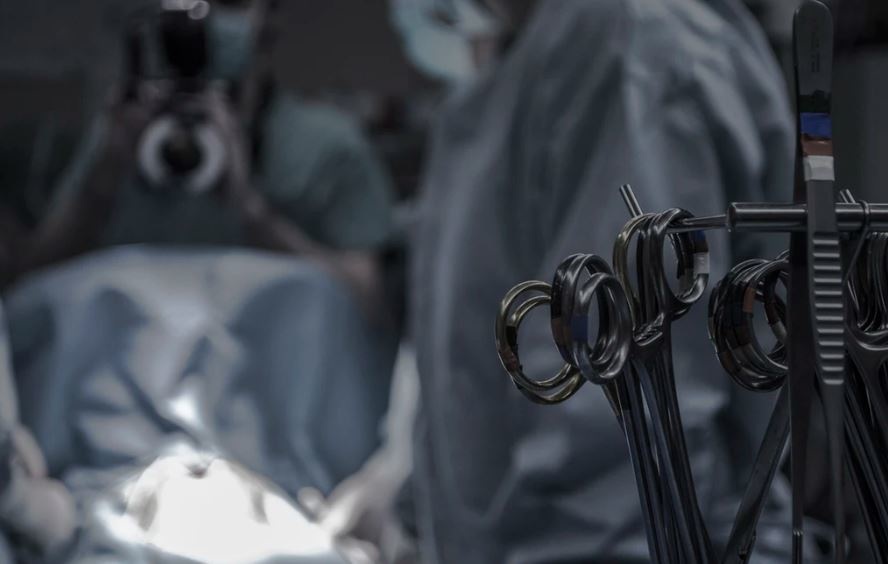
On Jan. 9, 2015, Lawton and his team performed a nearly five-hour craniotomy on Boylan in which part of the bone in her skull was removed to expose her brain. The cyst was drained and a piece cut out to prevent it from accumulating fluid in the future.

Boylan was worse off in the weeks after the surgery. The awkward, twisting movements persisted. She couldn’t use her right arm. She didn’t know if she would recuperate to a life worth living.

About a month after the surgery, Boylan saw neurologist Rebecca Gilbert at NYU Langone Medical Center. Boylan arrived for the appointment wearing an eye patch and an arm sling.

Gilbert’s notes of the encounter make it clear she thought Boylan’s symptoms, even after the surgery, might be psychogenic. A right side tremor was “inconsistent” and abnormal movements were “variable and erratic” and only “present during the formal exam.”

In contrast, when “patient is telling her story, there are no abnormal involuntary movements.” Gilbert wrote that she was “very concerned that at least part of this neurologic picture is psychogenic in nature.”

By mid-March, just a month later, Boylan’s condition improved significantly. On March 21, she sent an email to Lawton with the subject line “have turned a corner.” She said her symptoms were improving and she was “back out and about in the world.”

She told him he had “given me my life back.” She also criticized those who questioned the wisdom of her decision to undergo the operation. “I confess that, in accord with my own pre-existing bias, some neurology pals have thought I must have found a cowboy who took a lucky long shot,” Boylan wrote. “I correct them carefully in detail.”

Ten days later, Boylan saw Gilbert for a follow up appointment. Gilbert wrote that Boylan “returns looking very well. She feels well neurologically and psychiatrically. She attributes her improvement to the surgery.” Gilbert declined comment on Boylan’s case.

By June, Boylan was back to work.

On a Sunday morning this spring, Boylan sits at a conference table in the neurology department at Bellevue Hospital in Manhattan, the country’s oldest public hospital. The room is sparse save for a large, formal portrait of the former head of neurosurgery. The painting does not escape Boylan’s notice. Like many of the leading figures in neurology, the former official is a white male.

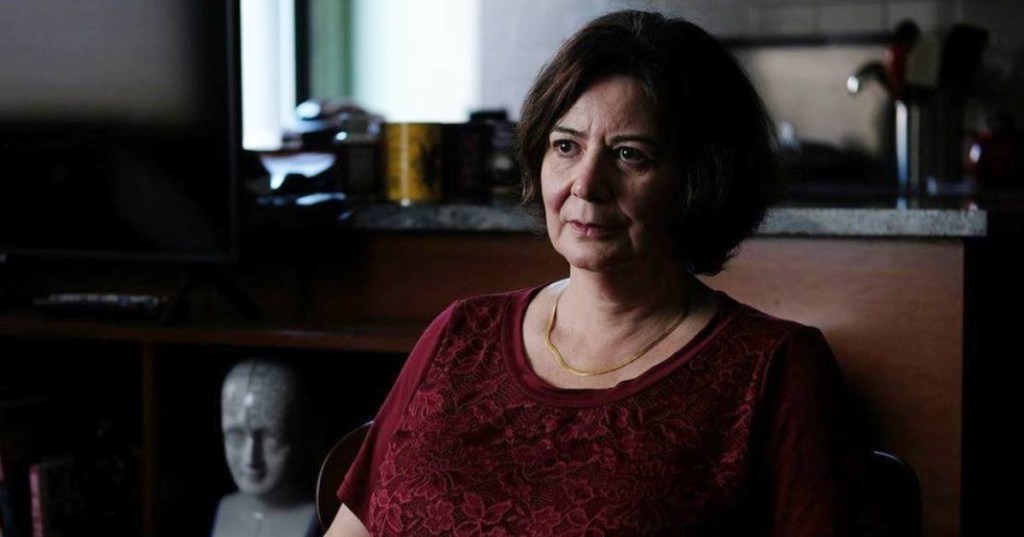
Boylan, 57, is dressed casually in black pants and a flower-print blouse. A lanyard with a Bellevue identification tag hangs from her neck. On this morning, she is the attending neurologist, overseeing medical residents. In addition to Bellevue, Boylan does part-time stints at a hospital in Duluth, Minnesota, and a VA facility in Albany. She has regained the weight she lost when her illness was at its worst, as well as the mental sharpness that dulled during that time.

Across the table, a resident briefs her about a woman who arrived in the emergency room the day before. The exchange is thick with medical terms, but there is a clear point to the back and forth: They are trying to determine if the woman’s symptoms are functional. The patient complained of a generalized burning sensation.

That’s the type of vague complaint that could point to a psychogenic diagnosis. On the other hand, the resident said the patient reported having problems with her coordination, but not with her strength. People with functional disorders might also indicate they were weak, because they tend to have a wide array of complaints.

When the resident pulls up a scan of the woman’s brain on a screen mounted on the wall, Boylan points to an area that she describes as a “little bent” with a “kink in it.” This is potential evidence, she says, of a cerebral fluid leak. The woman recently underwent an epidural injection and fluid leaks are a known complication of the procedure. Boylan talks to the patient and comes away confident a leak is the problem. The remedy is intense rehydration. The patient improves, and is released the next day.

Afterward, Boylan said her own experience has prompted her to evaluate cases more carefully. She said she also has to guard against failing to recognize cases that may, in fact, be psychogenic. “I have to be careful not to lead the patient,” she said.

After her surgery, Boylan requested copies of her medical records from most of the doctors who treated her over the prior five years. She was angered to find that several of them highlighted her history of bipolar disorder — in some cases it was the first item entered — and discounted the role of the brain cyst in her symptoms.

Boylan believes that many of her doctors discounted the brain cyst because of a predisposition toward diagnosing psychogenic conditions in women, and that her case is symptomatic of gender bias in the field of neurology.

“I don’t believe I would be treated this way if I was a man,” she said. By sharing her experience publicly, Boylan is determined to counter what she views as an ingrained suspicion of symptoms reported by women that dates back to the use of the word “hysterical” to demean them as emotionally and physically weak and prone to exaggeration.

She calls it a “pervasive and potentially lethal bias” in neurology.Gender inequality is rife in neurology. Female neurologists were last in pay and had the biggest salary gap between men and women, in a 2016 survey of salaries by specialty and gender at medical schools.

The American Academy of Neurology has had only one female president in its 71-year history even though women now constitute 40% of the professional society’s membership. Female neurologists are also disproportionately underrepresented in awards handed out by the academy, according to a study last year. In 24 of the 28 years studied, the recipients of the academy’s lifetime achievement awards did not include a single woman.

The more difficult question is whether this inequality spills over to clinical practice. Boylan received care from both male and female specialists, and her medical records are devoid of outright indications of gender bias. Boylan said female neurologists are trained “in a paradigm of thinking generated by men for men” in which the same symptoms are viewed differently in men and women.

Louis said there was no gender bias in his evaluation of Boylan. He said functional disorders are “far more common” in women and “if a person is that gender I am more comfortable with that diagnosis.” Still, gender is “only one of many, many pieces of information” used to make a diagnosis, he said.

Dr. Sarah Lidstone, a specialist in functional movement disorders at Toronto Western Hospital, said it is “impossible to say” that gender bias doesn’t exist in diagnoses of this condition. “That does factor into that.” Still, she said, there appear to be real gender differences. “We don’t know why. It’s complicated.”

Researchers are working to figure out whether women are disproportionately diagnosed with functional disorders.

“We don’t know what is right or the whole truth necessarily,” said Dr. Mark Hallett, a senior investigator at the National Institute of Neurological Disorders and Stroke. He said one study underway is looking at whether women suffer more childhood trauma, particularly sexual abuse, than men and if that is a cause of functional disorders.

He said he didn’t believe that gender bias played a significant role in the fact that women receive the diagnosis more often than men, and he said other explanations may include hormonal differences between the sexes or that women may be more likely to seek treatment.

It’s impossible to know for certain how Boylan got better. The workings of the mind are complex and our understanding of diseases of the brain and of psychology is constantly evolving. It may be that, as Louis suspected, a combination of factors was at work that include both a psychogenic component and the brain cyst.

“To me, where she is now is nothing short of a miracle,” said Boylan’s friend, Gilbert.

I asked Lawton if Boylan might have experienced a placebo effect from the surgery. While that can happen, he said, Boylan’s relief and turnaround “was pretty significant to the point that it outlasted the typical duration of most placebo effects which I think run their course.”

Louis said he believes the surgery “did do some good” and at a minimum removed a cyst that was in a dangerous position. But he is not persuaded it is the main reason for Boylan’s turnaround. He suspects many of her symptoms were functional, and sometimes patients with that diagnosis get better over time.

Boylan is convinced her cyst and reactions to medicine to treat the symptoms caused by it were the primary sources of her illness. She views her story as a cautionary tale: She was a woman with means, a degree in medicine and a cyst in her brain. Still, she said, “that did not spare me from being cast as hysterical.”

  • Adopted puppy takes first walk with new family and digs up treasure worth nearly $8,000
    Lagotto romagnolo puppy.

    Many a canine lover would agree that all dogs add value to our lives. But let’s face it, Ollie takes it to a whole new level. In 2022, Adam Clark and Kim McGuire of Blackpool, England, originally bought little Ollie as a surprise for their daughter Alicia. However, it would turn out they were in store for a lovely surprise as well.

    Meet Ollie, the world’s luckiest puppy

    Ollie is much more than an adorable face. His breed, the Lagotto Romagnolo, once used its keen sense of smell to hunt waterfowl in the wet marshlands of Italy, according to Dog Time. Here’s an example of what a Lagotto Romagnolo looks like:

    Pretty much a teddy bear on four legs.

    These pups are also natural diggers, and nowadays the only dogs bred specifically to hunt for truffles. These talents came into play rather quickly when after only 10 minutes into his first family walk in the park, Ollie began to frantically dig into the soil.

    Much to everyone’s surprise, Ollie dug up what appeared to be 15 sovereign coins, meaning pieces of gold thought to date back to the 19th century. The gold sovereign was first minted under King Henry VII in 1489 and has been produced across multiple eras since.

    gold, sovereign, coin, treasure, sovereign coins, dog
    A gold sovereign. Photo credit: www.publicdomainpictures.net

    So how much were the coins actually worth?

    Clark took the coins to be examined by a reputable gold dealer, who not only deemed the coins legitimate, but valued them to be £5,943.96, equivalent to $7,564. It’s not clear how much the family paid for Ollie, but it seems safe to say that they got their money back …and then some.

    Though Ollie’s find is remarkable, Clark still finds his presence to be the ultimate gift. “The treasure is one thing, but the fact is, I’ve bought myself my very own gold hunter, and I cannot wait to take him out again,” he told The U.S. Sun. “He is obviously a very special pup, and I’m thrilled with what he brings to the table, quite literally!”

    And apparently they make great pets too

    While Lagotto Romagnolos work really well for finding truffles (and potentially 500+ year old gold coins), they also make for great companions. Dog Time adds that they are easily trainable, good with children, and their hypoallergenic coats keep allergies at bay, though they do require dedicated grooming. It’s a pretty even trade-off for their undying affection and easy-going attitudes. Especially if they happen upon a small fortune!

    There’s no real telling what other trinkets Ollie might dig up. But one thing’s for sure, he’s making his family very happy, and that is priceless.

    This article originally appeared four years ago. It has been updated.

  • People are applauding newlyweds for their beautiful $500 wedding. Here’s how they did it.
    Weddings don't have to break the bank.

    Having a big, expensive wedding seems like the worst way for a young couple to start their lives together. For those who get mom and dad to foot the bill, no problem. But in the U.S., 28% of couples reported going into debt when paying for their weddings and the average celebration costs $36,000.

    “It’s one of those life events that’s really tied to emotion, to your values, what’s important to you,” researcher Elyssa Kirkham told CNBC. ”[People are] willing to take on debt and do that trade-off if it means they can get closer to achieving their dream.” Kiara Brokenbrough and her husband, Joe, captured a lot of attention when they bucked the trend and had a beautiful wedding for just $500. The wonderful thing about the celebration is that its focus was on the couple and those who love them.

    Here is how they pulled it off for $500

    “You have a wedding, with witnesses there to witness you, vowing to your spouse, vowing to God that you guys are going to stay together for life,” Kiara told Good Morning America. ”And then you celebrate with food, drinks and dance. And that’s exactly what we did.”

    After trying on a few $1,500 dresses at a traditional wedding shop, Kiara decided to save some money by purchasing a dress for $47 at Shein. She revealed her money-saving decision in a TikTok video that went viral.

    The dress impressed a TikTok user named Kristen. “I be tryna tell yall cost of things don’t matter. It’s how you put it together and wear it. AND BABYYYYY YOU PUT IT TOGETHER AND WORE IT,” she commented on the video.

    The couple also cut costs by having the runner and flowers donated by her family. As for the venue, they chose a free location overlooking the ocean on the California coast. “Our goal was to just be as minimal as possible,” Kiara told Good Morning America. “And to spend the least amount of money as possible.” She was also super practical when thinking about her dress. “I didn’t want to spend a lot of money on a dress because I had the mindset I’m gonna wear this one time for a few hours,” she said.

    Even the reception was budget-friendly

    The Brokenbroughs saved money on the reception by having guests pay for their food and drinks. “The people we have there, they understood the assignment, they understood the things that we were trying to do, and they really supported us,” said Kiara.

    And science says they made the right call

    The Brokenbroughs’ decision to have an affordable wedding to start their marriage on good financial footing was an incredibly savvy move and, according to research, it could bode well for the couple’s future. In the end, the cost didn’t matter, it was still a wonderful celebration. “The energy was great, and people were just there to truly celebrate us,” Kiara told NBC 4. “When I got out of the car, I just ran because I was just so excited. I’m like, I’m ready to do this.”

    The linked study on how wedding spending correlates with a couple’s longevity was done in 2014 and found that “marriage duration is inversely associated with spending on the engagement ring and wedding ceremony.”

    “If the research still holds up, the Brokenbroughs’ attitudes toward finances could be a predictor of a long and happy marriage.

    “It could be that the type of couples who have (an affordable wedding) are the type that are a perfect match for each other,” one of the study’s authors, Hugo M. Mialon told CNN. “Or it could be that having an inexpensive wedding relieves young couples of financial burdens that may strain their marriage,” he added.

    This article originally appeared four years ago. It has been updated.

  • A doctor says there’s finally a clear winner in the morning or night shower debate
    Photo credit: @drjasonisfresh/TikTok, Representative Image from CanvaDr. Jason Singh explains the pro and cons of showering at night and in the morning.

    Dr. Jason Singh, who has all kinds of medical insights on TikTok, weighed in on the topic he joked was “more debatable than pineapple on pizza.” That debate would be whether it’s better to shower in the morning, or at night.

    You would think the “right answer” would be largely up to personal preference, much like which way to face while showering and whether or not to snack in the shower…two previous hot button issues online. But according to Singh, there are definitive pros and cons to each option, which could settle the debate once and for all.

    Here is what the doctor actually found

    Singh says in the clip that overnight, “your body can accumulate germs such as bacteria and fungus” through “processes like sweating and shedding skin cells,” all of which help create odor. When you shower off this residue in the AM, it brings your “skin microbiome back to a more hygienic baseline.”

    Makes a pretty compelling case for morning showers, doesn’t it? Just wait.

    Singh went on to say that nighttime showering has three things going for it.

    One, it helps release melatonin to help induce sleep. Plus, when your body adjusts from a warmer temperature to a cooler temperature, that also helps your body prepare for a good night’s rest.

    The second benefit is that it washes away “the entire day’s grime.” Which, let’s be honest, can be very therapeutic sometimes. And lastly, showering at night is the ‘better way to help hydrate your skin,” making it a better option for those with sensitive or dry skin.

    Singh’s bottom line: “Overall night-time showers have more benefits to it but morning showers have really one benefit and that’s better hygiene.”

    @drjaysonisfresh

    More debatable than pineapple on pizza

    ♬ original sound – Dr. Jason Singh

    The comments had strong feelings about this

    Singh encouraged viewers to weigh in with their own opinions, and they didn’t hold back.

    “You will never convince me to go to bed dirty,’ one person wrote. Another argued “The worst part about night time showers is long, wet hair. I hate going to bed with wet hair!”

    There ended up being some pretty funny responses as well. One person joked that they opted for morning showers since it helps them “Get my head together. Generate a to-do list. Fight with pretend people.”

    Another person noted that timing preferences can be dictated by their schedule, commenting, “night showers during the work week and morning showers on the weekends.”

    shower, hygiene, morning routine, nighttime routine, sleep, skin care, health, wellness, TikTok, doctor
    Woman takes an outdoor shower during the day. Photo credit: Canva

    Some people said two showers was the answer

    Many argued that two showers a day was the actual best option. That way you don’t go to bed dirty, and you’re fresh for the morning.

    Obviously, showering at any time consistently is perfectly fine, but Dr. Singh offered some valuable food for thought.

    Of course, you could always follow in this viewer’s footsteps, who wrote:

    “I prefer to roll around in dust like a chinchilla.”

    This article originally appeared two years ago. It has been updated.

  • Iconic writer Kurt Vonnegut’s simple graphs show how to write the 3 stories everyone loves
    Photo credit: via David Comburg/YouTubeKurt Vonnegut explains the shapes of stories.
    ,

    Iconic writer Kurt Vonnegut’s simple graphs show how to write the 3 stories everyone loves

    “There’s no reason why the simple shapes of a story can’t be fed into computers.”

    To be a great fiction writer requires understanding basic story structures and being clever enough to disguise them so your audience doesn’t know they’re watching or reading something they’ve seen before. Academics suggest that there are only a finite number of plots and structures, but that number varies based on who’s doing the talking.

    Writer Kurt Vonnegut, best known for his satirical works on American politics and culture, including “Slaughterhouse-Five,” “Cat’s Cradle” and “Sirens of Titan,” was obsessed with the shapes of stories and summed up his views in one powerful sentence: “The fundamental idea is that stories have shapes which can be drawn on graph paper and that the shape of a given society’s stories is at least as interesting as the shape of its pots or spearheads.”

    What are the shapes of stories?

    In the video below, Vonnegut explains the shapes of three different types of stories. The first one he starts with is “person gets into trouble.”

    The first question is where the main character or protagonist starts their journey. Are they in a state of good or bad fortune, and how does that change from beginning to end? The arc of this story is simple, someone starts off in good fortune, they get into trouble, and then find their way out. “Somebody gets into trouble, then gets out of it again. People love that story. They never get tired of it,” Vonnegut says with a smirk.

    The second is called “boy gets girl,” which is the basics of the story: someone finds something “wonderful,” their life is on an upward trajectory, then they trail downwards until they can get the girl or boy back. He finishes with the “most popular story” of Western civilization, and that is “Cinderella.”What’s interesting about the story is that it’s about a poor little girl whose mother has died, and her life is pure misery. But her story has a massive upswing when she meets her fairy godmother and can go to the ball. But once the clock strikes midnight, her life crashes down in a matter of seconds.

    Vonnegut’s eerie prediction about AI

    What’s interesting is that at the beginning of the video, Vonnegut notes that stories are relatively “simple” and that they should be able to be plugged into computers that could then regurgitate the same story over and over again. It almost feels like an eerie predictor of artificial intelligence. “There’s no reason why the simple shapes of a story can’t be fed into computers. They are beautiful shapes,” Vonnegut says. “Now this is an exercise in relativity, really. It’s the shape of the curves are what matters, and not their origins.”

    After seeing Vonnegut map out the basic plotlines of stories, it’s hard not to see them every time you watch a movie or TV show. It is amazing that, because there are so few characters and plot arcs in modern storytelling, anyone can create anything that feels new.

    This story originally appeared three years ago. It has since been updated.

  • The surprisingly mysterious reason we use the $ symbol for the U.S. dollar
    Photo credit: CanvaWhy do we use $ to represent a dollar?
    ,

    The surprisingly mysterious reason we use the $ symbol for the U.S. dollar

    The U.S. dollar and its symbol have an international origin story.

    We see many symbols in our everyday lives that we likely don’t pay much attention to: the @ in our email addresses, for instance, or the % in our weather forecasts. But do we ever wonder where these symbols came from? Why they look like they do? Or how they came to mean what they mean?

    One of the most commonly used symbols that most of us are clueless about is the dollar sign ($). Why does it have an “S” if there’s no “s” in “dollar”? Is there supposed to be one line or two? And where did the $ symbol even originate?

    As educator and etymology enthusiast Rob Watts (better known as RobWords on YouTube) explains, the answers to those questions are surprisingly complicated.

    The first written use of the dollar sign as we know it appeared in a handwritten letter sent by a man in New Orleans in 1778. Some may be under the impression that the $ is an amalgamation of “U” and “S,” as in United States, but nope. Its origin isn’t actually from the United States at all.

    The international origins of the U.S. dollar start in Spain

    In fact, we have to take a whole international tour through hundreds of years of currency history to arrive at what we think is the origin of the $. As Watts shares, we don’t know with 100% certainty.

    The story begins with the Spanish real, the silver coin that served as the currency of Spain in the 14th century. A larger coin, worth eight times the value of the real, became known as a “piece of eight” in English. Those pieces of eight made their way to the Americas through colonialism in the 15th and 16th centuries.

    “The discovery of huge, gleaming reserves of silver in Central and South America meant that they could also be made there, too,” Watts shares. “At the local mints, they took on a new name as well, based on the fixed weights of  silver they were made from. They became known as the ‘peso,’ meaning ‘unit of weight.’”

    spanish dollar, piece of eight, peso, coin
    A Spanish piece of eight dating between 1651 and 1773. Photo credit: Portable Antiquities Scheme/Wikimedia Commons

    Because of their reliability and divisibility into smaller units, these pesos started being used not just in the Spanish-speaking colonies, but in British colonies in the Caribbean and North America as well.

    Hold the peso thought. We’ll come back to it momentarily.

    The word “dollar” can be traced back to the German Joachimsthaler coin

    In the meantime, another coin of similar value from the German town of Joachimsthal had gained traction in Europe.

    “In precisely the same way that a round slab of beef from Hamburg became known as a hamburger, this round slab of silver from Joachimsthal became known as a Joachimsthaler,” Watts explains. “And in exactly the same way that a hamburger is sometimes just called a ‘burger,’ a Joachimsthaler was sometimes just called a ‘thaler.’”

    Joachimsthaler, thaler, german dollar, coin
    A Joachimsthaler coin from 1525. Photo credit: TommyG/Wikimedia Commons

    “Thaler” became “daalder” in the Netherlands, “daler” in parts of Scandinavia, and “dollar” in the English-speaking world.

    But that dollar wasn’t the dollar we ended up with.

    “By 1700, the thaler had been adapted to have almost exactly the same silver content as another coin that was competing for usage in Europe: the ‘piece of eight’ or peso,” says Watts. “And so, to help differentiate between the two similarly valued coins, people started referring to the peso as ‘the Spanish dollar.’ This Spanish dollar was the de facto currency of the Americas right up until the American Revolution.”

    spanish dollar, piece of eight, peso, coin
    A Spanish dollar from Mexico circa 1771. Photo credit: Heritage Auctions/Wikimedia Commons

    The dollar sign actually comes from the peso symbol

    Prior to declaring independence from Britain, the U.S. used the British pound for accounting. But the Spanish dollar, or peso, was the coin most often used as currency, so post-Revolution, the U.S. adopted the dollar as its own. (The first official U.S. dollar coin was minted in 1792.)

    So, long story short, the Spanish dollar, or peso, was the basis for the U.S. dollar. Which finally leads us to where the $ came from.

    The symbol used for pesos way back when was “ps,” with the “s” written like a superscript. When written with a pen in one stroke, the “s” ended up with a line through it. And when someone wanted to indicate plural pesos, they would write the symbol twice. The second instance, written more quickly, ended up blending the “p” and “s” together to look more like a $.

    Essentially, the evolution looked like this:

    dollar, dollar sign, peso
    Theories of where the dollar sign came from. Photo credit: JesperZedlitz/Wikimedia Commons

    What about the double-lined dollar sign?

    How did the $ with two lines come about? As shown in the image above, the two lines often lead people to the “U” plus “S” theory. However, Watts points out that the first printed version of the dollar sign appeared in 1797. That dollar sign actually had two lines, with no indication that “U” and “S” were the reason. Both versions of the symbol were in use by the close of the 18th century.

    Watts goes into some of the other theories about where the double-lined dollar sign comes from. However, there doesn’t seem to be solid evidence to back any of them up.


    Isn’t that wild? Who knew that our currency had such a complicated origin story? Or that we don’t even really know for certain why we use $ for the almighty dollar?

    Thanks, Rob Watts, for making us all a little bit smarter. You can follow him on YouTube for more word fun.

  • From ‘acoustic guitar’ to ‘landline phone’: 18 retronyms that reveal how English evolves across eras
    Photo credit: CanvaA landline phone and an acoustic guitar are examples of retronyms.

    As the world evolves, so does the English language, which has nearly one million words, per Merriam-Webster.

    And they are being added all the time. (Although some words nearly go extinct.)

    From newly formed generational slang words created by Gen Z and Gen Alpha to technology that continues to change the world and the objects in it, there is a term that allows English to “keep up with the times”: retronyms.

    What is a retronym?

    Retronyms are a relatively new vocabulary term. The word was first used in 1980, according to Merriam-Webster. It was coined by writer William Safire, who used “retronym” for the first time in his “On Language” column in The New York Times about Frank Mankiewicz, then the president of National Public Radio.

    According to Merriam-Webster, a retronym is defined as “a term (such as analog watch, film camera, or snail mail) that is newly created and adopted to distinguish the original or older version, form, or example of something (such as a product) from other, more recent versions, forms, or examples.”

    Cameras are a great example of retronyms in use.

    “Remember way back when cameras used film? Back then, such devices were simply called cameras; they weren’t specifically called film cameras until they needed to be distinguished from the digital cameras that came later,” Merriam-Webster added.

    How retronyms are formed

    Linguist Adam Aleksic broke down how retronyms are created in a helpful video.

    “A retronym is a new name given to an old thing to help differentiate it from a recent invention,” he said. “Like the way we use ‘acoustic’ guitar to differentiate from ‘electric’ guitar, even though ‘acoustic’ guitars use to just be ‘guitars’ because there were no ‘electric’ guitars.”

    He offers a few more examples:

    “Or when you have to say ‘analog’ watch to specify that what used to actually just be a regular watch is not in fact digital. That’s why ‘World War I’ is no longer ‘The Great War.’ We had to make a retronym for it once we had a second Great War. If you put ‘whole milk’ in ‘regular coffee,’ those are both retronyms because we’ve since invented things like ‘almond milk’ and ‘decaf coffee.’”

    Aleksic explains that geography also has retronyms:

    “The ‘East Indies’ used to just be the ‘Indies’ until Columbus rediscovered the ‘West Indies.’ And ‘Baja California’ used to just be ‘California’ until the Spaniards sailed a little further north and named what we now think of as ‘California.’ The ‘Continental U.S.’ was just the ‘U.S.’ until we added a few states.”

    Finally, he explains another type of retronym: one that is a reduplication of an original word.

    “If I want the ‘regular salad’ and not the ‘tuna salad,’ I can ask you to pass the ‘salad salad’ and you’ll know what I mean,” he said.

    Examples of retronyms

    The words below are a helpful list of retronyms:

    • British English (distinguished from American English, Australian English, Indian English, etc.)
    • Outdoor rock climbing (distinguished from indoor rock climbing)
    • Acoustic guitar (distinguished from electric guitar)
    • Cloth diaper (distinguished from paper diapers and disposable diapers)
    • Manual typewriter (distinguished from electric typewriter)
    • Scripted show (distinguished from reality show)
    • Rotary phone (distinguished from touch-tone phones and landline phones)
    • Combustible cigarette (distinguished from electronic cigarettes, e-cigarettes, etc.)
    • Whole milk (distinguished from skim milk, 2% milk, etc.)
    • Corn on the cob (distinguished from corn cut off the cob)
    • Live music (distinguished from recorded music)
    • Silent film (distinguished from sound films and talkies)
    • Brick-and-mortar store (distinguished from online stores)
    • Bar soap (distinguished from liquid soap and body wash)
    • Old World (distinguished from New World)
    • Analog watch (distinguished from digital watch)
    • Film camera (distinguished from digital cameras, instant cameras, etc.)
    • Snail mail (distinguished from email, etc.)

  • 23, 11, 17.3: Why oddly numbered speed limit signs are on the rise everywhere

    Photo credit: Canva Photos

    Oddly numbered speed limit signs are popping up everywhere. Why?

    Ever heard of “highway hypnosis”? If you never went over it in American Driver’s Ed, it’s the phenomenon during which we tend to zone out while driving on long, repetitive stretches of highway or on routes we’ve taken a thousand times. It’s that feeling of pulling into your driveway and having very little recollection of actually getting there.

    Suffice it to say, going into pure autopilot mode on the road isn’t ideal. It’s not safe, and we tend to ignore important signage, like speed limits.

    One high-traffic area in Wisconsin just debuted a new, eye-catching speed limit

    The Outagamie County Recycling and Solid Waste facility in Appleton gets a lot of through-traffic. Big trucks, commercial haulers, and plenty of civilian cars make their way through the facility on any given day.

    Keeping a low posted speed limit helps keep everyone safe. Usually, in places like this, you’d see speed limits of 15, 10, or even 5 miles per hour.

    Outagamie County went in a slightly more offbeat direction: 17.3 mph. No, it’s not a typo. See for yourself:

    17.3 mph: Not a typo, not a joke

    The sign isn’t just for laughs. It’s not a temporary fixture meant to get a few likes on social media or encourage people to stop for photo ops.

    Its purpose is far more important: to get people to pay attention. The unusual number causes people to do a double-take. Instead of eyes glazing over at yet another 15 mph limit, the 17.3 sticks out like a sore thumb and makes drivers’ brains perk up—and hopefully, their feet ease off the gas.

    Kraig Van Groll, the site’s solid waste superintendent, said the sign is working, per Supercar Blondie:

    “We’ve definitely seen positive engagement and behavior changes across the site. That includes residents using the site daily, people visiting on tours, and commercial users operating here regularly. If nothing else, it’s really opened the door for more conversations around overall site safety and awareness for all users of the site.”

    Jordan Hiller, recycling and solid waste program coordinator, told WBAY-TV that the sign has caused a bit of an “uproar” on social media—in a good way. People get a kick out of it, and it has ultimately done its job: drawing more attention to road safety around the facility.

    Not just Wisconsin: Odd speed limits are becoming more common

    While major roads and highways will probably stick with nice, round speed limits, smaller areas—shopping centers, parking lots, private facilities—are turning more and more to eye-catching numbers like Outagamie’s 17.3.

    A shopping center in Colorado Springs, Colorado, features an 8.2 mph speed limit:

    Another user on Reddit spotted an 18 mph speed limit:

    Some areas are resorting to even more unusual and eye-popping methods, with speed limits that include fractions. This one was featured on Denver local news: a parking lot with an official posted speed of 6 and 7/8 mph:

    Safety officials have all kinds of methods to try to keep distracted drivers focused

    The science of being behind the wheel is fascinating and often studied. Tons of experiments and studies were conducted on how to get drivers to slow down in certain areas before we came up with radar signs that tell drivers their speed in real time, for example. That visual feedback has been shown to be effective at reducing speeds.

    Roads in America are also full of speed bumps, rumble strips, and reflectors designed to break drivers’ autopilot patterns.

    It’s part psychology and part neuroscience; a big reason we slip into autopilot mode, or highway hypnosis, has to do with the way our brain waves work. According to Radar Sign, “Shifting a driver from a Theta ‘autopilot’ state to a Beta ‘engaged’ state requires a trigger, identified by the Reticular Activator (RA), responsible for categorizing sensory input.”

    Simply put, one of the best ways to keep drivers safe on the road is to present them with something unusual: an input that disrupts the expected pattern. It could be a radar sign, a strip in the road that causes your tires to gently buzz, or now, a speed limit sign so bizarre you can’t help but look twice.

  • Brits give some hilariously unique homespun flu remedies in resurfaced footage from the 1950s
    Photo credit: CanvaPeople in the late 1950s give their unique remedies for the flu.
    ,

    Brits give some hilariously unique homespun flu remedies in resurfaced footage from the 1950s

    Socks, goose grease, and onions are popular home remedies for illness.


    Nearly everyone has suffered from the dreaded flu and can agree that the hacking coughs, achy bones, and sneezing are more than just a tad miserable. The silver lining, if there can be one, is that the flu (and colds in general) brings out some old remedies that some might find rather charming. Even better, some of them may actually work.

    In a clip from the late 1950s on the BBC Archive Facebook page, a random assortment of men and women are asked for their personal “flu cures.” Their answers ranged from typical homespun ideas like hot tea and plenty of water to more curious alternative remedies. But many were eager to share their personal treatments and seemed sure of their effectiveness.


    Shot on black-and-white film, British interviewers Fyfe Robertson and Alan Whicker ask people what they do or take when they have the flu. One woman answers, “Well I take Vitamin C and lemon, barley, and whiskey.” The next man agrees that he can “defy the virus” with whiskey and tea, but adds bacon, porridge, and eggs.

    In fact, quite a few included whiskey in their flu routine. “I’m a great believer in whiskey,” one man proudly shares. “I’m like a Scotch man. I believe in a drop of whiskey, warm, and it sort of kills the germs.”

    In keeping with the alcohol angle, another Brit answers, “A jolly good hot rum punch. And a jolly good sweat, and stop in bed until it’s all over.”

    “Elderflower wine,” says an older woman. “If you take a good glassful tonight, and you go to bed, and you sweat it out, you know, and you’re alright in a day or two.”

    Not everyone used alcohol in their remedies. One woman swaps the whiskey for water: “Rinse your inside out continually with boiled water. About four or five half-pint glasses a day, boiled water.”

    But then things get interesting. A woman clad in an oversized sweater coat shares this trick: “Well my remedy for the flu is to get a small Spanish onion, chop it up finely, and put some brown sugar over it and a little vinegar. And then when it turns into a syrup, take a spoonful before you go to bed. It’s a very good remedy.”

    A man, seemingly eager to share his mother’s recipe, steps in: “Well my mother recommends an old sweaty sock with salt right round your throat. A good pullover and a good hot water bottle. Sweat it out.”

    Now things take a turn for the more unique. “There is a good cure in mustard and lard,” one woman says. “And you rub the two well together and get a good blend. I don’t know how to do it, but my father does.” After the interviewer asks if one should eat it or rub it on one’s chest, she clarifies: “Rub it on your chest, on the front and the back, and it’s a good cure.”

    Just when it seemed that possibly “mustard and lard” were the most interesting answers, the woman next to her takes the cake: “Goose grease. You can rub that on your chest. You know, after you’ve been cooking the goose, then keep the grease and run it on your chest.”

    This next idea is a bit complicated, but it also involves goose grease: “A large piece of brown paper and cut it to go under the arms and you warm it first, and get hot warm goose grease and then spread mustard over the brown paper first. Get warm goose grease, which most people have got in the house. You spread it over the mustard on the paper to avoid burning of the skin. And should inflammation be setting in, as the doctor says does sometimes, you boil the elderflower and give the patient a dose of elderflower water.”

    Understandably, the reporter pushes back: “But then do you go to bed with this brown paper? Don’t you find it a bit messy?” She answers with a resounding yes, adding, “And the goose grease avoids it from burning.”

    And just when it seems like someone is going back to a more popular cure, it takes a turn: “I take a nice big tumbler full of hot lemonade. Put in about three teaspoons full of rum. Two aspirin. Get into bed and cover myself well. Tie the stocking that I’ve been wearing around my feet. One of them around my throat with a safety pin, and stay in bed and sweat it out.”

    Finally, a younger gentleman is asked his “best way to cure the flu.” His answer is rather philosophical: “Well, just think that you haven’t got it.” He adds a few other ideas about onions and then shocks the interviewer with this final thought: “I’ve still got it now, and I’m about.”

    “You’ve got the flu now, have ya?” the interviewer asks. “Well in that case, I won’t keep you another minute.”

    Reactions

    Just this clip has 35,000 likes and over a thousand comments. And perhaps not super surprisingly, many Facebook users back up the remedy claims:

    “After all, where do people think ‘medicine’ comes from? My Hungarian grandfather would eat raw garlic if he felt under the weather. Drank tea daily with a little red wine in it. Lived to be 101.”

    “Whiskey and stinky socks are to men as goose grease and mustard are to women.”

    “How Alan Wicker (sic) kept a straight face to these people being interviewed is amazing.”

    Putting some of these cures to the test

    Onions

    According to the National Library of Medicine, onions do in fact contain antibacterial properties: “Onion skin possesses various health benefits due to its phenolic and antimicrobial components.”

    Time published an entire piece called “Medicine: The Healing Onion,” where they discuss the roots of this theory:

    “The onion, at one time or another, has been enthusiastically recommended as a remedy for colds in the head and worms in the intestines. For centuries, the onion’s medicinal value has been praised by witch doctors, old wives, and bartenders. Rome’s Pliny the Elder listed the onion as a cure for 28 diseases. Early New England settlers believed that the onion would prevent fits; Neapolitans of the Middle Ages thought it averted the evil eye. A 16th Century French surgeon, Ambroise Parè, used it instead of ointment to heal powder burns.”

    While they have more recently found that the onion itself doesn’t create health benefits, cutting the onion actually does, according to Time:

    “Food Chemist Edward F. Kohman has found that the active chemical agent in onions is a thioaldehyde, a close relative of the common antiseptic, formaldehyde. Chemist Kohman put raw onions through an ordinary household meat grinder, distilled the onion vapors, put them through a series of chemical tests. In a recent issue of Science, he reported finding about 1/20 of a gram of thioaldehyde in a pound of raw onions.

    The germ-killing thioaldehyde, Kohman said last week, probably does not exist as such in the onion. More likely, it is produced by the complicated enzyme activity that goes on in the onion when it is cut. Cooking would eliminate it completely; a boiled onion is no more good for a cold than a boiled turnip. But chewing a raw onion might help a cold (it would undoubtedly prevent the spread of colds by keeping non-onion eaters away from the cold sufferer).”

    Socks

    And while they can’t claim it works completely, they note that many believe it does, which can be enough:

    “There’s no scientific evidence that wearing wet socks to bed will cure your cold. But there’s anecdotal evidence. One explanation for people believing that it works could be the placebo effect.”

    Whiskey and other alcohol


    Since so many mentioned whiskey (and rum), we took a look at that claim too. Sad news: this one appears to be nothing but a myth.

    Again, turning to Healthline, they take the claims step by step to debunk them. Some believe that because alcohol is a “disinfectant,” it should help kill viruses and bacteria:

    “It’s true that alcohol is a key component of hand sanitizers, which help kill germs that you may pick up when you touch contaminated surfaces. However, alcohol is only effective as a topical disinfectant. In other words, it works on the surface of your skin, but not as a disinfectant when you drink it. This means alcohol doesn’t help kill cold viruses or other germs inside your body.”

    In fact, though many believe it helps open up the sinuses, it’s not accurate.

    “Alcohol is rumored to work as a decongestant, but actually, the reverse is true,” the Healthline article noted. “Small amounts of alcohol can cause vasodilation — a widening of blood vessels — which can worsen a runny nose or congestion. Medicines with pseudoephedrine will tighten blood vessels (vasoconstrict), which is why they can help relieve congestion.”

    This doesn’t stop people from sharing their flu-fighting whiskey recipes. Perhaps these, too, create a placebo effect. At least they might be more fun than wet socks.

Communication

From ‘acoustic guitar’ to ‘landline phone’: 18 retronyms that reveal how English evolves across eras

Making Sense of Science

23, 11, 17.3: Why oddly numbered speed limit signs are on the rise everywhere

Health

Brits give some hilariously unique homespun flu remedies in resurfaced footage from the 1950s

Pop Culture

Woman lives on a cruise ship for free, but says there are 4 things she’s not allowed to do