147 years ago, botanist William James Beal had a unique idea for how we could learn more about seeds.
Beal wanted to know just how long seeds of different kinds would remain viable in soil. Now, that might not sound like the most exciting research topic of all time, but understanding seed longevity actually plays a crucial role in agriculture, our food supply, and the preservation of biodiversity.
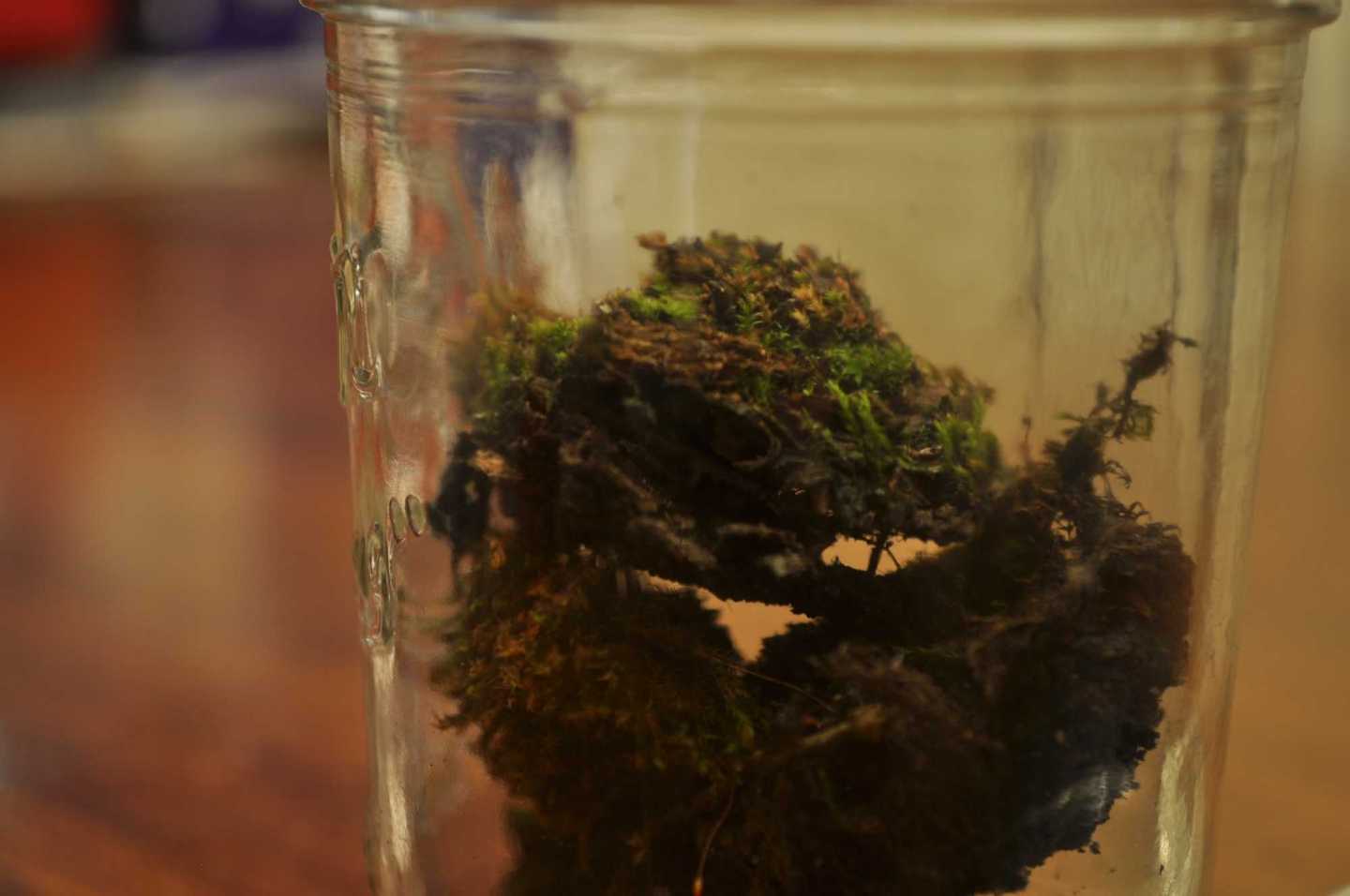
In 1879, Beal decided to bury 20 bottles filled with seeds in the ground. The bottles were open to allow soil and some moisture to reach the seeds, but positioned in such a way that they would not fill with water. That would allow just enough moisture for the seeds to theoretically survive without sprouting.
According to Popular Science, each bottle held 50 seeds each from more than 20 different plant species, all mixed into sand. That’s over 1,000 seeds per bottle. Beal’s plan was to dig up a new bottle every five years and test to see if the seeds could still be successfully planted.
After running the experiment himself for more than 30 years, Beal retired in 1910 and handed the work off to a fellow professor. In 1920, the timeline was shifted so that a new bottle would be dug up every 10 years instead of 5. In 1980, it was extended again, to every 20 years.
The experiment is still going strong today
The Beal Seed Experiment is still ongoing, with the final bottle scheduled to be dug up sometime around the year 2100. The project has been handed off multiple times and, at 147 years old, is now one of the longest running active experiments of all time.
The Beal Seed Experiment is currently in the capable hands of a team of scientists at Michigan State University, a younger generation that longtime curator Frank Telewski chose to carry it forward.
The research team most recently dug up a new bottle in April 2021, a year delayed after the COVID-19 pandemic. The scientists ventured out in the dead of night so as not to expose the dug-up seeds to any sunlight that may alter the experiment.
Once they’ve collected the seeds, they plant them in fresh soil and see if they will sprout. Unsurprisingly, the most resilient of seeds typically belong to weeds. When the team planted the seeds from the 2021 bottle, 20 sprouted, all from the mullein family. DNA testing later showed that 19 were moth mullein and one was a hybrid of moth mullein and common mullein, which Beal never knew he had buried. Most of the other species in the experiment lost their ability to sprout within the first 60 years.
What happens to the seeds that don’t sprout
When seeds don’t sprout, the scientists don’t give up. After all, they need something to do for the next 20 years. They try a variety of groundbreaking techniques to try to revive the seeds and bring them back to life, including simulating winter with a shock of extreme cold, simulating exposure to fire smoke, and other experimental treatments they’re ready to test.
If seeds cannot be revived, they are studied heavily. The scientists need to know what factors contribute to seeds that are better able to survive long periods of time dormant in the soil.
After all, the Beal Botanical Garden writes, “We may yet see that ungerminated seeds remaining from this latest germination experiment are in fact viable, and simply haven’t been exposed to the right conditions.”
Why does this unique experiment still matter, nearly 150 years later?
An article published in the Portland Press states, “Understanding the molecular basis of seed longevity provides important new genetic targets for the production of crops with enhanced resilience to changing climates.”
In other words, our food supply could, in the future, be dependent on our ability to bioengineer seeds and crops that can survive as temperatures rise and weather conditions change.
The findings from Beal’s study are also critical for maintaining healthy seed banks, which protect against catastrophic crop failures and global food crises. Knowing what factors allow a seed to be more resilient, how to make it last longer, and how to “bring it back to life” could be a matter of life or death.
The next dig is still years away
It’s an exciting line of work and an incredible honor for the team that gets to unearth the next bottle sometime around the year 2040. Only four bottles remain in the ground, making the collection most likely a once-in-a-lifetime scientific opportunity.
This article originally appeared last year. It has been updated.