
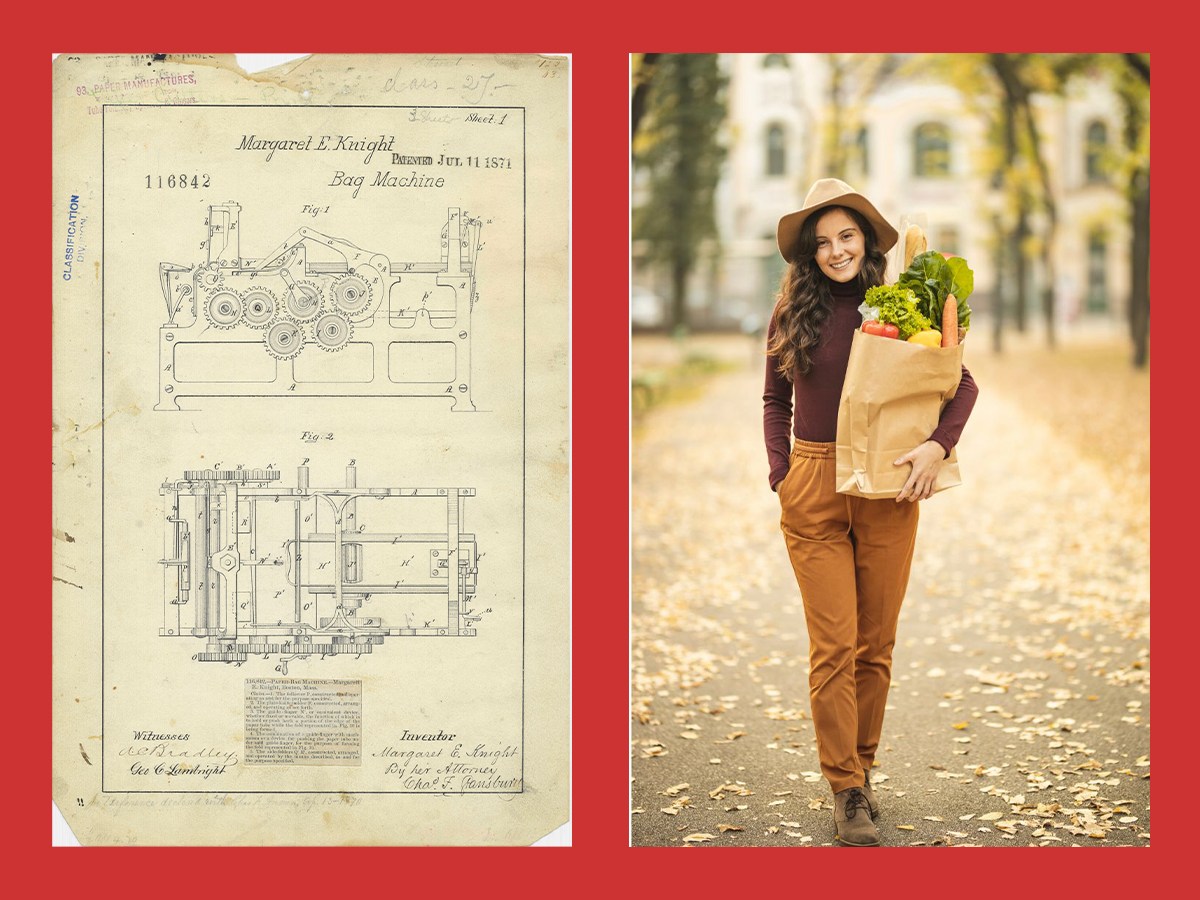
Margaret E. Knight applied for a patent on a “Bag Machine” she’d developed, only to learn that another inventor had already claimed parts of the design. Charles Annan, a machinist at the shop where her working model was made, had filed his own patent application nearly a year earlier.
Believing Annan had learned about her invention at the shop and used it in his own patent application, Knight challenged his claim. During the dispute, Annan argued that Knight, as a woman, couldn’t have understood the complicated mechanics well enough to create it herself.
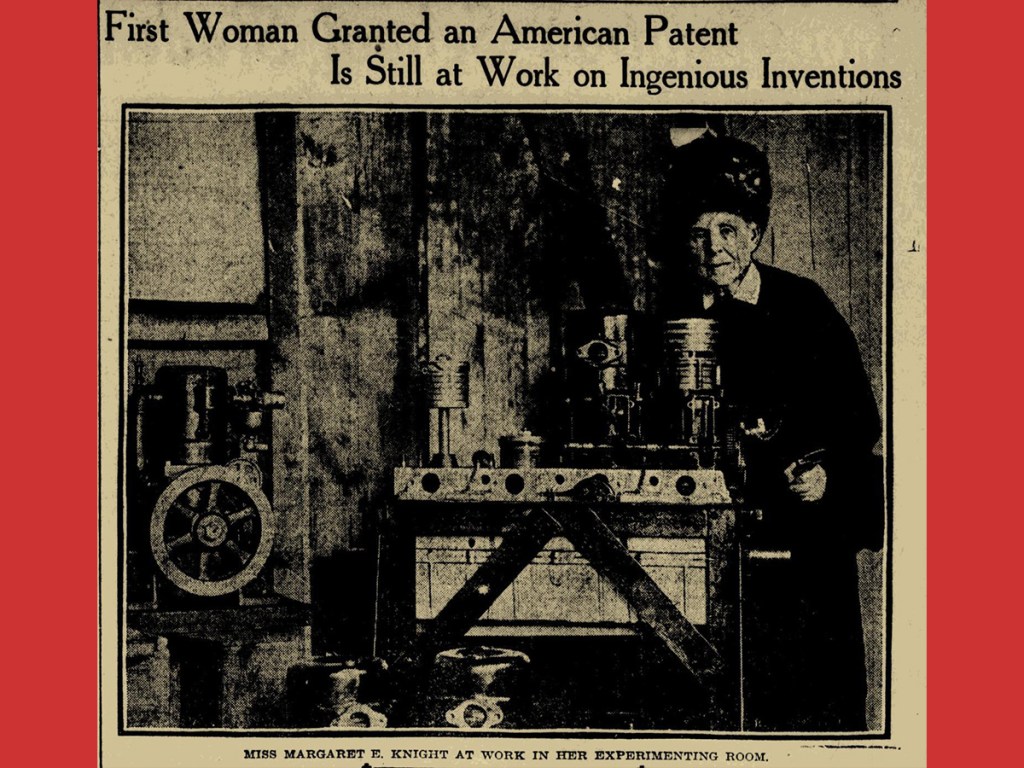
Photo credit: Wikimedia Commons
Knight would have to prove the invention was hers
Women weren’t commonly associated with mechanical work at the time. As recounted in a story for The Saturday Evening Post, Annan argued that Knight “could not possibly understand the mechanical complexities of the machine.”
The dispute went before the U.S. Patent Office, where Knight would have to establish that she had developed the machine first.
Today, there might be 4K videos, emails, JPEG images, or other records documenting an invention as it takes shape. Knight didn’t have any of those to rely on. What she did have was a physical trail of her work, along with people who had watched her develop the device.
As for working with machinery, Knight had been doing that since she was a child.
Working with machines since the age of 12
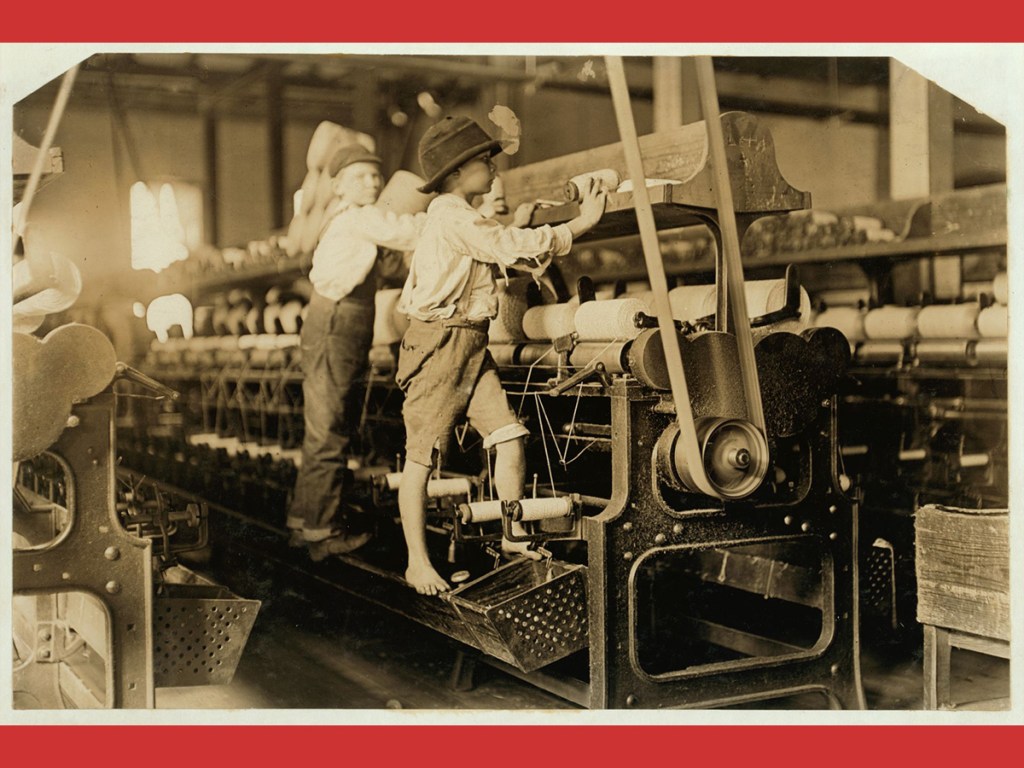
Knight began working in a cotton mill at just 12 years old. The looms used steel-tipped shuttles that could fly loose and strike workers.
After witnessing a worker being seriously injured, she devised a safety device intended to prevent the shuttles from flying free. According to the Smithsonian American Women’s History Museum, the device was installed on the looms at her mill and later adopted by other mills in the area.
She never filed a patent for that childhood invention.
After leaving the mills in her late teens, Knight worked in upholstery, home repair, engraving, and even photography.
The paper bag already existed when Knight began working at the Columbia Paper Bag Company. Machines could even make paper bags, but they produced narrow, flat versions that more closely resembled envelopes. Bags that could stand upright still had to be made by hand.
Knight began developing a machine that could automate the process. Her design cut, folded, and pasted the paper into the familiar flat-bottomed shape.
She first built a working model out of wood. Before seeking a patent, Knight started on an iron version. That model became a key part of her dispute with Annan.
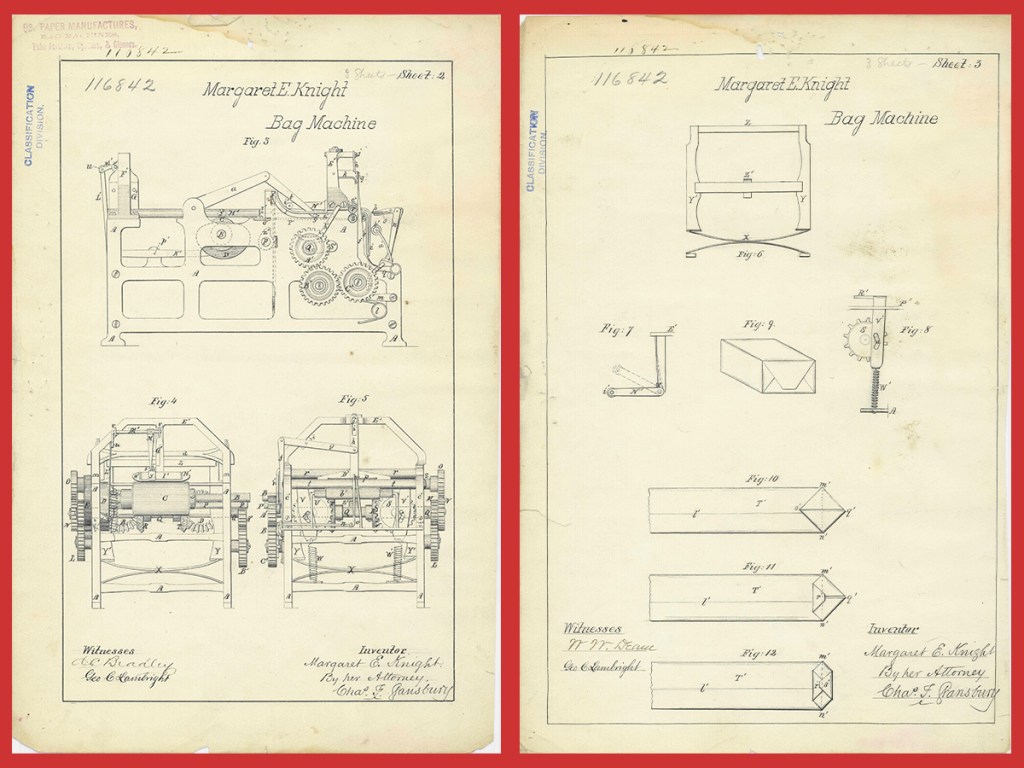
Photo credit: Wikimedia Commons and Wikimedia Commons
Knight had kept evidence of her work
Knight challenged Annan’s patent through what was known as a patent interference proceeding. This was the legal process used to determine which of two people claiming the same invention had created it first.
Knight had kept a record of her work, and now it mattered. There were early drawings of the machine, prototype parts and photographs, and bags produced as she worked on the design. Witnesses could also speak to the work they’d seen Knight doing before Annan filed his patent application.
Knight had an answer to Annan’s doubts about her mechanical abilities. According to the Smithsonian, she identified the machine’s components and walked through how they functioned in detail.
The Patent Office sided with Knight. On July 11, 1871, Knight received U.S. Patent No. 116,842 for her paper-bag machine.
The “Bag Machine” wasn’t Knight’s last invention. Her later work included machinery for cutting shoe soles and rotary engines. On January 6, 1903, more than three decades after Annan questioned her mechanical abilities, Knight received a patent for an improved rotary engine.
Knight died on October 12, 1914, at the age of 76. By then, she had created 89 inventions and secured more than 20 patents. In 2006, the National Inventors Hall of Fame inducted Knight for her paper-bag machine.







.jpg)


.jpg)
.jpg?utm_source=chatgpt.com)