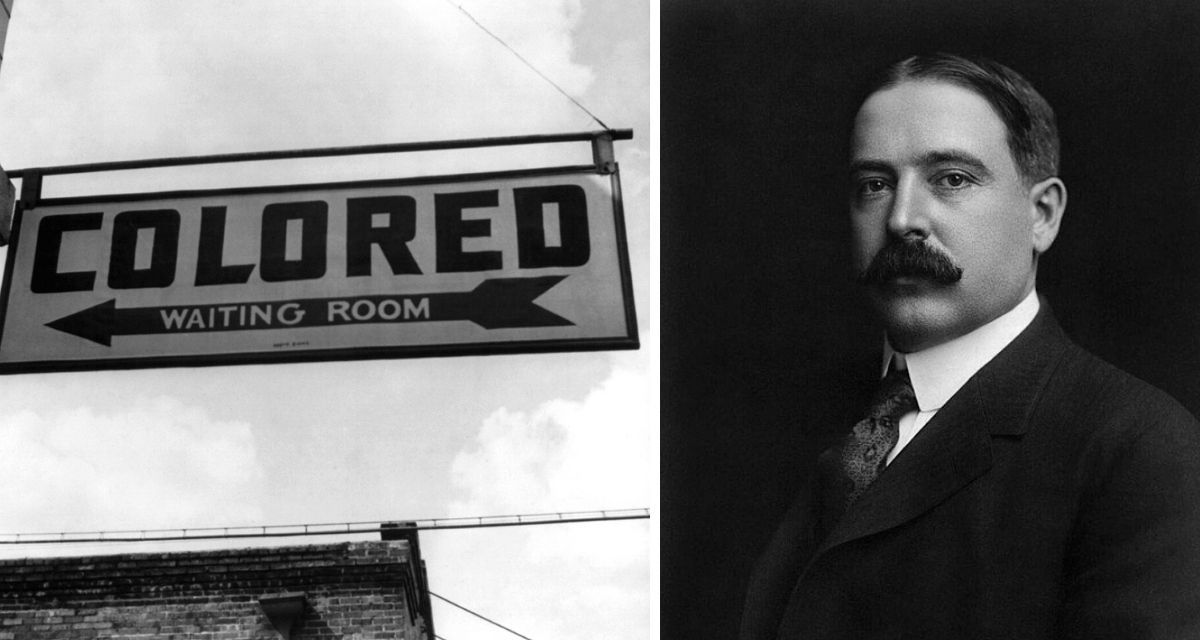
The Sears Catalog is widely considered the most successful and famous mail-order catalog in American history. But what many don’t know is the unintentional role it played in fighting Jim Crow laws.
Shopping in the time of Jim Crow
Before the mail-order boom, you had no choice but to shop in person. For Black Americans, especially in the South under Jim Crow, that meant dealing with rampant racial discrimination.
In terms of financial discrimination, Black customers were required to pay a “color tax,” and all lines of credit and item prices were controlled (and manipulated) by white merchants. Then there was the humiliation they faced: having to wait at the back of the line so that every white customer could go first, being denied “Mr.” and “Mrs.” titles, not being allowed to try on clothes or make returns, being steered toward lower-quality goods, and being mocked at the counter.
To carve out their own opportunities, Black communities opened co-ops and credit unions and tried to buy only from Black-owned stores.
But then came the Sears Catalog
And with it, the gift of anonymity and autonomy.
Sears offered the same clothing, tools, and household items typically reserved for white consumers, breaking the debt cycle tied to local landlord-merchants, all at standardized prices with fair credit options for everyone.
Suddenly having that buying power (choosing items, setting prices, guaranteeing demand, getting refunds, etc.) taught a “language of rights” that came before the sit-ins of the civil rights movement. This would have a major “ripple effect” on the movement overall, according to the One Mic History podcast, which delivers “Black history 24/7.”
The backlash
Of course, local white-run businesses soon took notice. Threatened by the loss of their economic monopoly, many white Southern merchants began circulating false rumors that the founders of Sears were Black and organized public bonfires to burn the catalogs.
And because country stores often doubled as post offices, some local postmasters refused to sell stamps or money orders for catalog mail.
The workaround
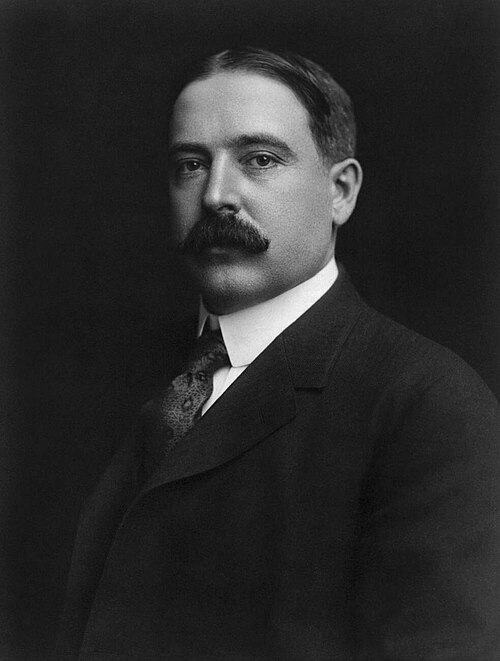
While Richard Sears wasn’t exactly a civil rights advocate, he was a profit-driven businessman and didn’t want to lose his newfound customer base. So, in response, he printed special instructions inside the catalog on how to work directly with railway mail clerks and postal carriers instead. Sears found ways for not only Black communities, but also immigrants (including non-English speakers) to bypass discrimination and fuel his bottom line in the process.
Sears’ legacy
Although Sears was motivated by capitalism rather than social justice, his successor and business partner, Julius Rosenwald, was a true civil rights philanthropist who used his Sears wealth to partner with Booker T. Washington and fund the construction of nearly 5,000 “Rosenwald Schools” to educate Black children across the segregated South.
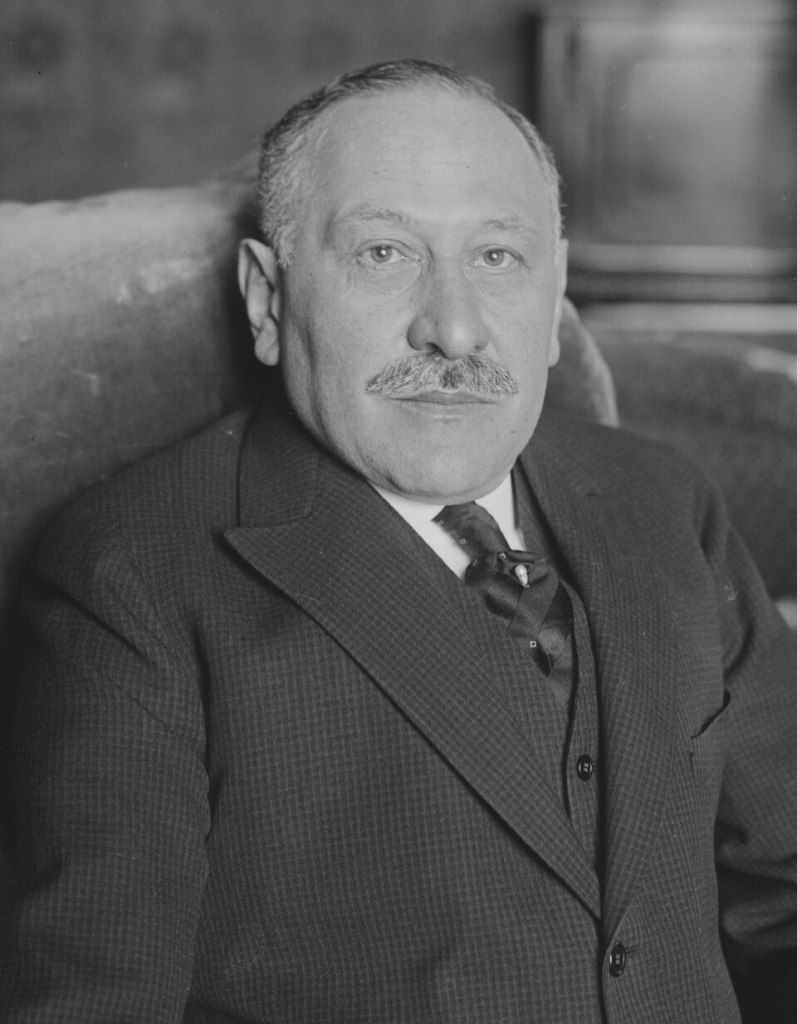
Today, the Sears Catalog is long gone, and the company itself has been reduced to a shadow of what it once was, eclipsed by Amazon and countless other online retailers. But before its decline, Sears played a remarkable role in shaping American culture, reaching far beyond what anyone might expect from something as simple as a shopping catalog.