When a wealthy donor gives a substantial amount of money to fund a building or institution, their name is often associated with it. The Stephen A. Schwarzman Building that houses the New York Public Library, for example, or the David H. Koch Theater at Lincoln Center.
But occasionally, a philanthropist comes along who eschews such honors. One of those big donors was Julius Rosenwald, the businessman responsible for the success of Sears, Roebuck in the early 1900s. After a visit to a German museum, he was inspired to create an interactive museum in Chicago. He donated millions of dollars to fund the Museum of Science and Industry (MSI), which became—and remains—one of the city’s most popular attractions.
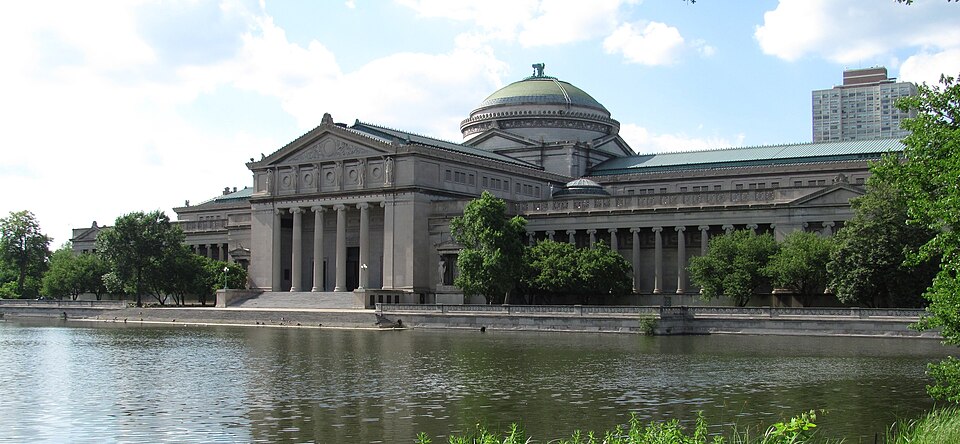
The MSI was renamed the Griffin MSI in 2024, after billionaire Kenneth Griffin, who donated $125 million to the museum. The name change was a bit ironic, considering Rosenwald had refused to let anyone put his name on it.
It wasn’t about anonymity. It was about community.
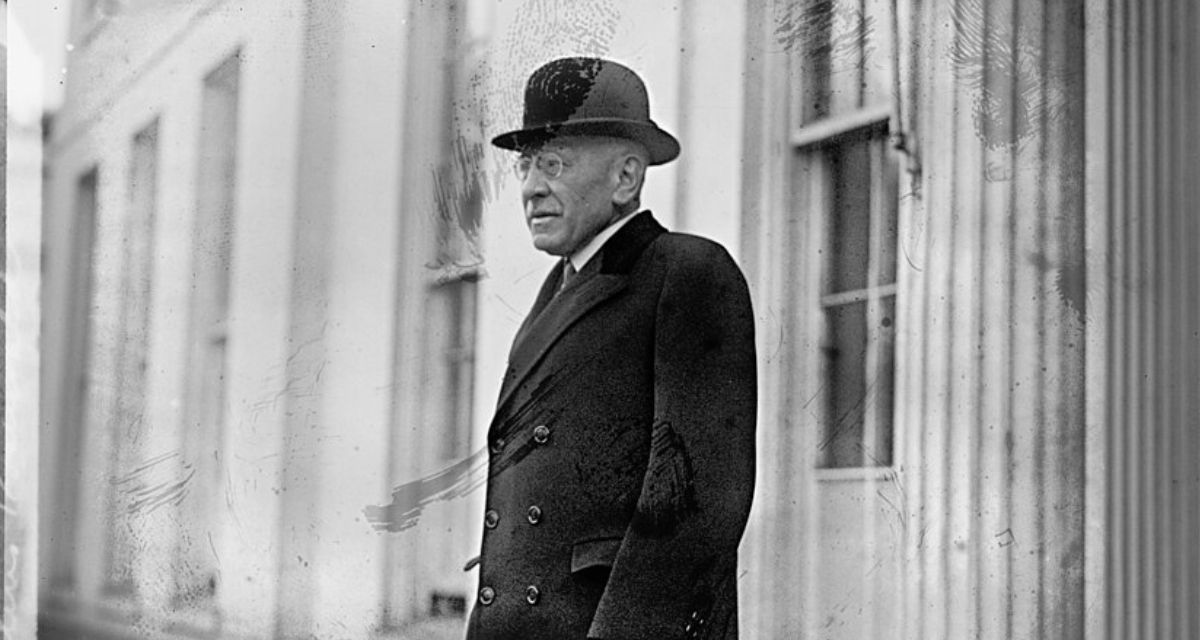
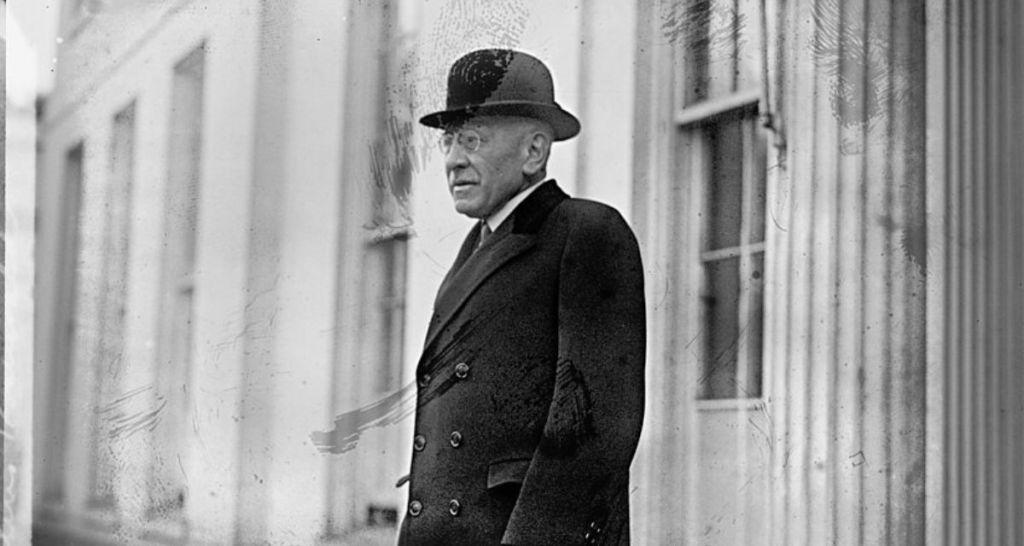
“The greatest thing about Julius Rosenwald is not his business but himself, not what he has but what he is,” young journalist B. C. Forbes (later of Forbes magazine fame) wrote in a 1916 article, “his character, his personality, his sincerity, his honesty, his democracy, his thoughtfulness, his charity of heart, his catholicity of sympathy, his consuming desire to help the less fortunate of his fellow creatures.”
Rosenwald didn’t believe in anonymous donations, as he felt visibility and credibility in philanthropy were important. But he also didn’t believe in plastering his name all over things he helped fund.
“If no name is used it will belong to the people,” he said.
Community ownership and buy-in were important to Rosenwald, and his generous giving included insistence that beneficiaries contributed something as well. He also fanagled local and state governments into participating in philanthropic projects they had normally steered clear of.
He founded nearly 5,000 schools with Booker T. Washington
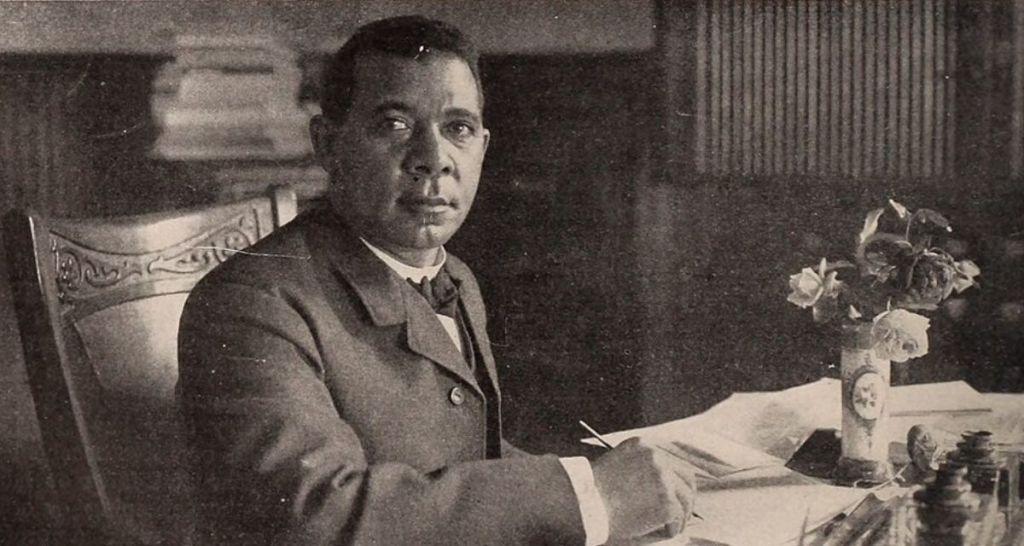
Rosenwald celebrated his 50th birthday in 1912 by launching his “Give While You Live” initiative. Giving around $700,000 in philanthropic donations, he encouraging other wealthy individuals to give as well. Among Rosenwald’s gifts was a $25,000 donation to Booker T. Washington’s Tuskegee Institute.
Washington invested part of the money into building schools in rural Alabama where little to no education was being offered to Black children. The schools were received with enthusiasm, and Washington documented how they uplifted community pride.
Seeing the transformation the schools made, Rosenwald and Washington ramped up the program. Together, they spent the next two decades building nearly 5,000 schools. The schools, which people referred to as Rosenwald schools, revolutionized education in the American South. By 1932, the year Rosenwald died, 4,977 Rosenwald schools and 380 complementary buildings had been built. That year, 27% of Black children in America were educated at one of their schools.
America’s ‘first social philanthropist’ revolutionized giving
Rosenwald didn’t just give money away. He also got involved in his philanthropic projects, giving his time, energy, and expertise. His insistence that beneficiaries contribute meant the families who benefited from Rosenwald schools contributed 16 percent of total costs, versus the 15 percent he gave.
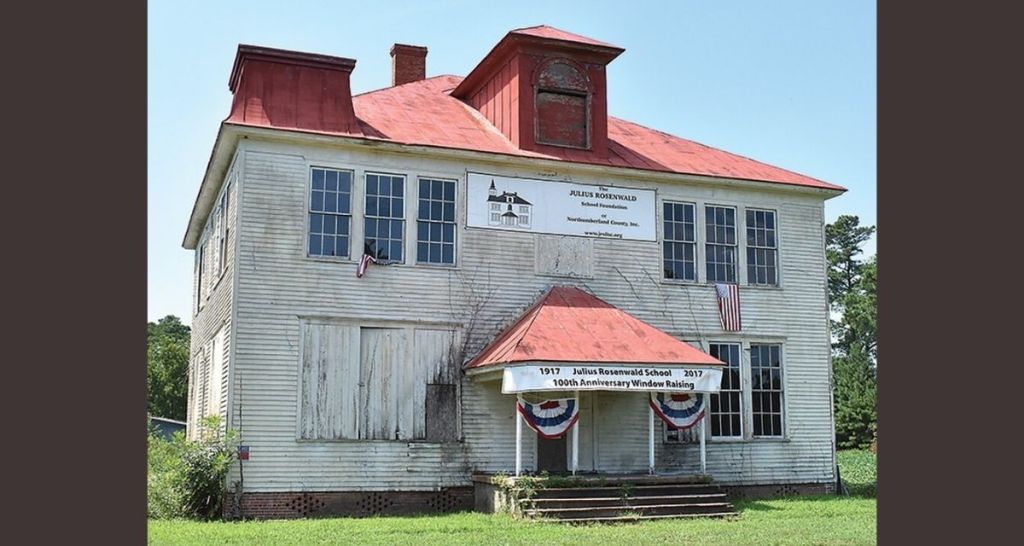
History2049/Wikimedia Commons
He saw philanthropy as a way to help people help themselves. He described his projects as “opportunities for self-improvement, for education and recreation, for the acquisition of spiritual, moral, mental, and physical strength, that makes for manhood and self-reliance.”
Rosenwald also didn’t want his wealth to live in perpetuity, dribbling out funds slowly via his foundation after his death. He arranged for his foundation to give vigorously enough to expend all its funds and be sunsetted 25 years after his death.
Over his lifetime, he gave away over $60 million, the equivalent of $1 billion today. Rosenwald has been called “America’s First Social Philanthropist,” paving the way for other wealthy donors who wish to do good without making a show of it to follow in his footsteps.