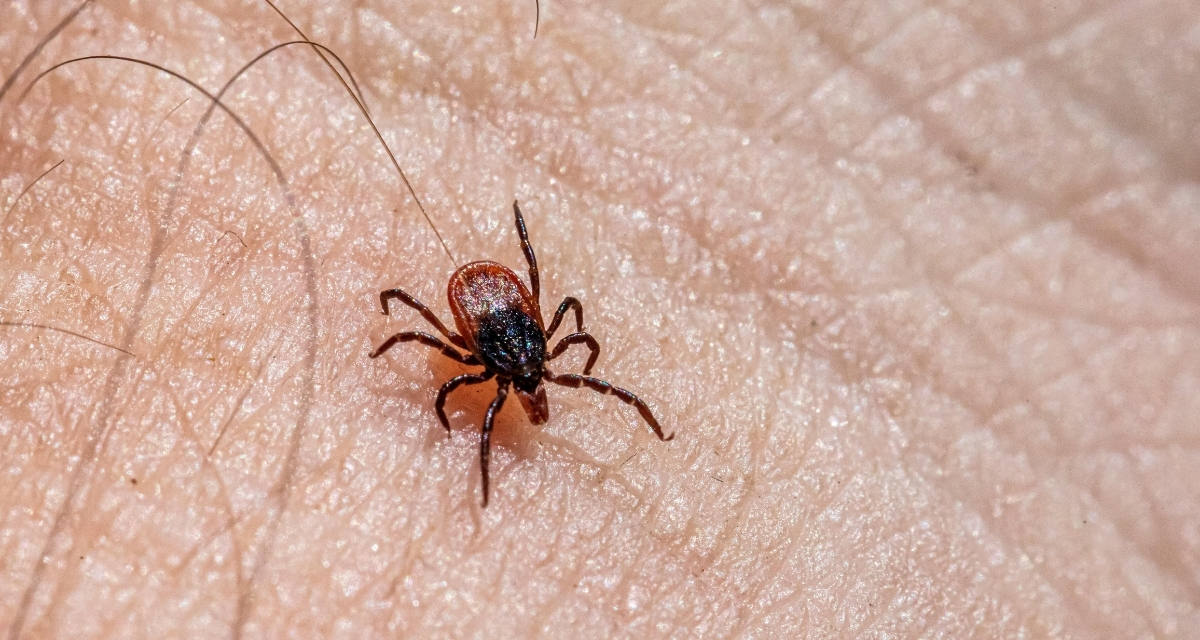
Few bug encounters give people the ick as quickly as seeing a tick embedded in someone’s skin. Yeah, bee stings hurt. Mosquito bites itch. Spider bites do both. But a tick bite, a creature burrowing its nasty little mouth into you for hours, slowly inflating itself with your blood, is worse. It just is.
It’s especially worse considering how common Lyme disease has become, making it oh-so-important to know how to properly remove a tick. Many of us learned from our parents or grandparents how to get a tick to back out on its own. Holding a hot sewing needle up to its butt, smothering it with Vaseline, suffocating it with alcohol or nail polish remover, and other methods may technically “work,” but they also increase the risk of the tick transferring any disease it might be carrying.
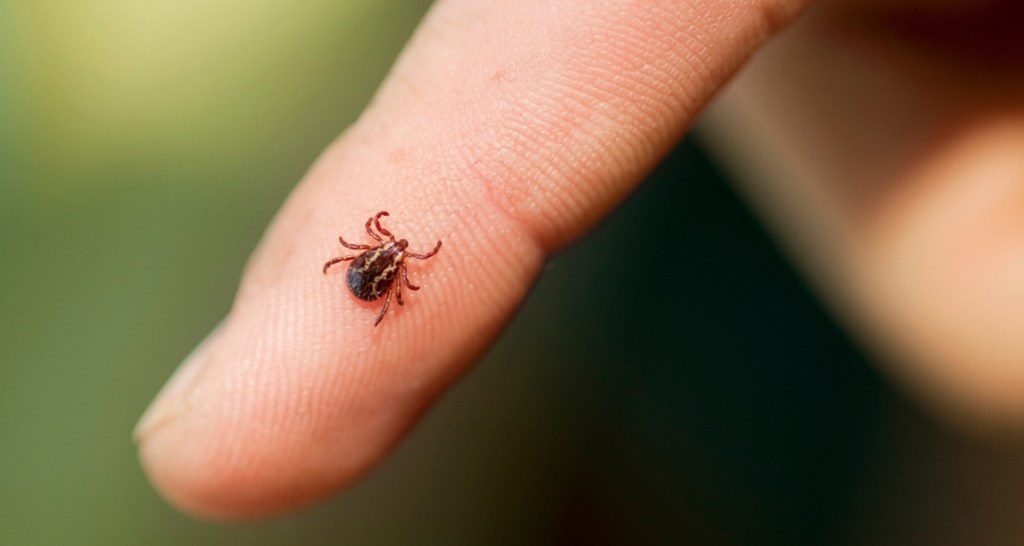
The first rule: Don’t stress out the tick
Fair warning: Brace yourself for the explanation of why those old methods shouldn’t be used. (Or, if you’re squeamish, just skip down to the next section, because this part isn’t pretty.)
The folk wisdom behind heating or suffocating the tick instead of pulling it out is the idea that the tick backing out on its own is preferable to pulling it. If you pull it, its little barbed beak (called a hypostome) can remain stuck in the skin even if you get the body off. If it pulls those barbs out on its own, nothing gets left behind. Seems logical, right?
Except that something even worse can get left behind. The stress of being burned or smothered can cause the tick to regurgitate its blood meal back into you. (Warned you, sorry.) If it regurgitates, the risk of disease transfer increases. So basically, the goal is to remove the tick without making it puke up its dinner.
How to quickly and safely remove a tick
The good news is it’s actually quite simple to remove a tick if you have the right tool and a strong stomach. If you find a tick, remove it as soon as possible, using these recommendations from the Centers for Disease Control:
1. You’ll want a pair of clean, fine-tipped tweezers. Regular tweezers can work, but not as well, especially for tiny ticks. (Fingers can work in a pinch, like if you’re camping and didn’t bring tweezers, but definitely not preferable.)
2. Placing the tweezers as close as you can to the skin, squeeze and pull the tick away from the skin with steady, even pressure. Don’t jerk and don’t twist. Avoid squeezing the body of the tick, as that can also make it regurgitate.
The Mayo Clinic offers a helpful demonstration:
3. Clean the tick bite and your hands thoroughly after removal using soap and water or rubbing alcohol.
4. Dispose of the tick in one of these ways: place it in a sealed container, wrap it tightly in tape, flush it down the toilet, or put it in alcohol. (Don’t crush the tick with your fingers, however tempting it may be.)
What about those tick removal tools?
There are multiple tick removal tools on the market, which basically do the same thing as fine-tipped tweezers. But one of the most popular is the Tick Twister, which works slightly differently. It looks like a little plastic crowbar. It slips under the tick, grabbing just its hypostome, and with a couple of twists, the whole tick (theoretically) comes out.
There appears to be some debate about the twisting aspect. When using tweezers, twisting is not recommended, as it can detach the mouth from the tick’s body, leaving the hypostome embedded. However, this tool appears to be designed to twist and was shared by the U.K.’s Royal College of General Practitioners:
Whether you find them on your pet, your loved one, or yourself, ticks should be removed right away, and in the safest way possible. With Lyme disease spreading further, it’s prudent to make sure you have a proper tool and method for removal before you get caught off guard by one of the little buggers.
This article originally appeared in May. It has been updated.