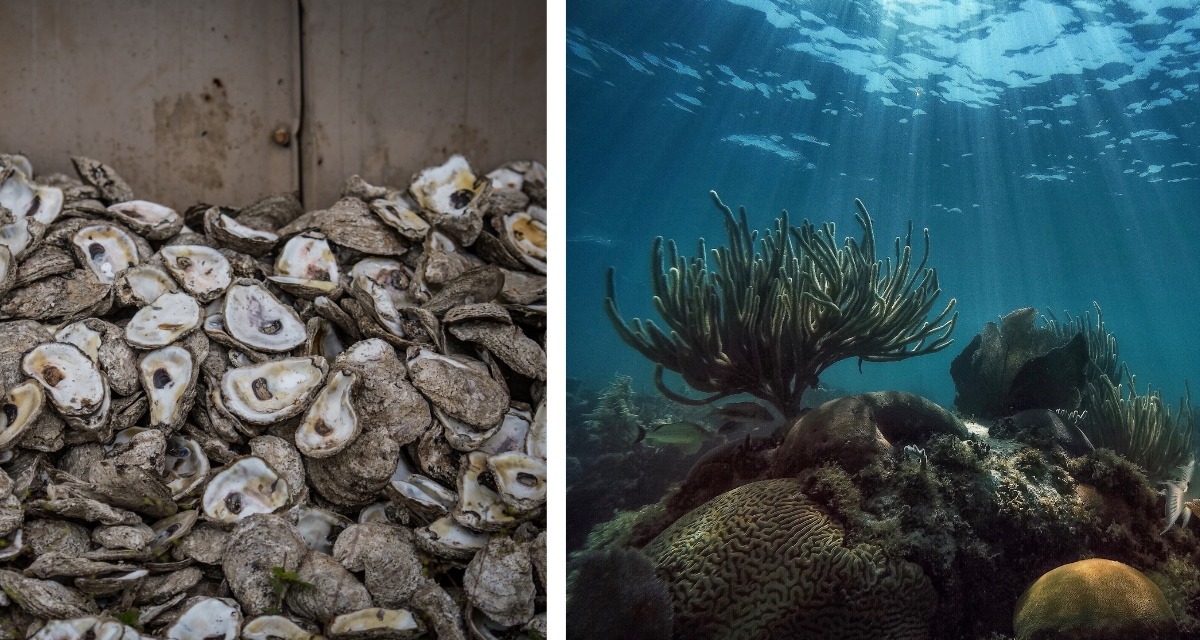
Between 2007 and 2024, Florida attempted to rebuild the Gulf of Mexico’s ecosystem in an unusual way: dumping over 500,000 tons of recycled oyster and clam shells straight back into the water.
These shells were gathered from seafood restaurants (quite literally scraped off plates) as well as seafood plants. So essentially, a massive amount of sinking, rotting garbage was supposedly going to bring the struggling sandy seafloors back to life.
Understandably, the idea was met with criticism
Some called it reckless dumping. Others warned it would be detrimental to an already dwindling ecosystem. And for a while, these concerns seemed valid. Even the researchers running this giant experiment had their doubts as no visible progress was initially seen.
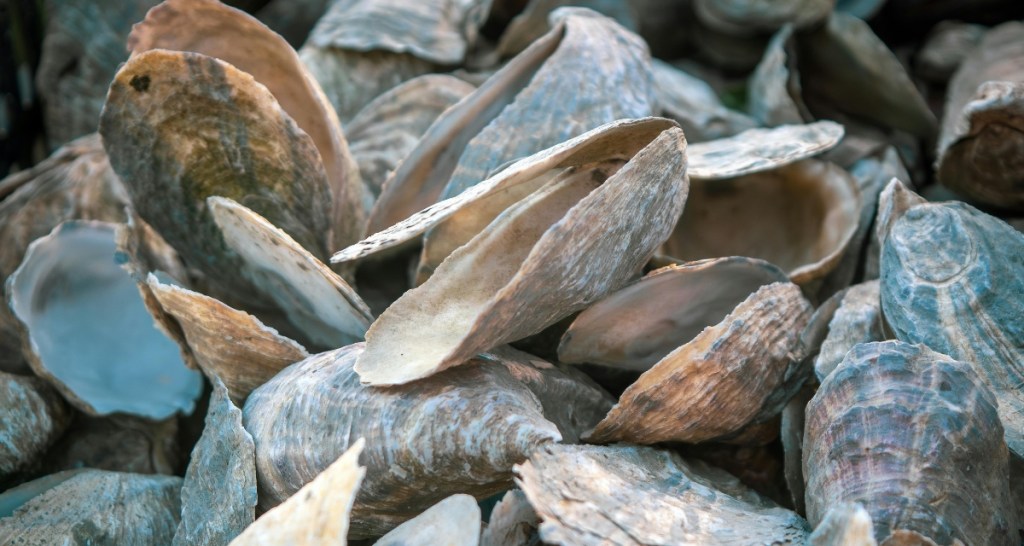
But beneath the surface, those scrapped shells immediately got to work—even though human eyes couldn’t perceive it.
Bacteria began attaching themselves to the discarded shells, creating a biofilm, which is the starting point for pretty much all marine ecosystems on the planet. It’s something scientists still struggle to recreate in a lab.
The shells also released calcium as they disintegrated, which produced “microzones,” small, invisible pockets of water with a slightly different chemical makeup that certain underwater organisms need to survive.
Not only that, but the dead shells served as a solid foundation upon which living baby oysters could mount and grow. (Previously, due to reef decline, there were only soft surfaces.) The living oysters then filtered the water, keeping harmful algae blooms at bay.
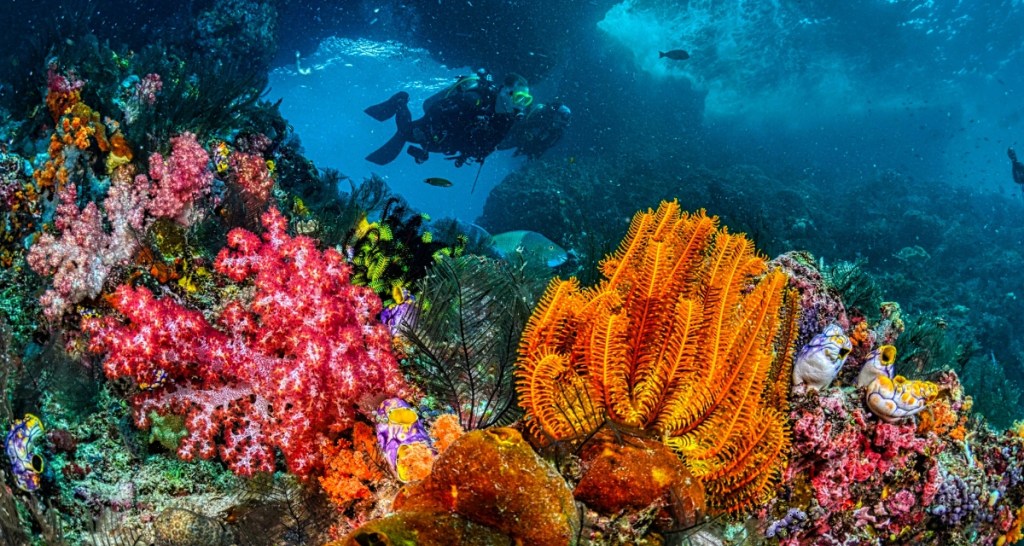
All of these things and more helped revive fish, turtle, and dolphin populations to numbers not seen in over two and a half decades. Layer by layer, the ocean floor had rebuilt itself until the results were visibly undeniable.
Why oyster reefs matter far beyond the shoreline
Restoring the balance of these elements is not only critical to marine life, but human life as well. And we’re not just talking about food supply here. A lack of fish means a lack of income for fishermen, and higher prices at seafood restaurants. Dirty waters lead to a decline in tourism. Reefs even provide natural protection during coastal storms. It’s almost like every aspect of our lives is directly affected by the state of our environment. What a concept!
How other restoration projects are taking notes
The unexpected, overwhelming success of this experiment in Florida captured the attention of coastal engineers and marine biologists across North America, Europe, and Australia. Researchers are actively studying how natural materials can be utilized to rapidly rebuild degraded marine environments globally. Similar shell recycling programs have been deployed in places like Alabama, Texas, Louisiana, California, Mississippi, and the Carolinas, to name a few.
It seems like a divine sense of justice that human intervention is the solution to a problem caused by, well…human intervention. Dwindling oyster populations are primarily due to overharvesting, but also to human-caused disasters like the Deepwater Horizon oil spill.
While no single project can undo decades of environmental damage, Florida’s success shows that thoughtful restoration can give struggling ecosystems a real chance to recover. In this case, the solution was hiding in plain sight.