Few things ignite a mid-air feud faster than the sound of a seatback clicking into recline. You’ve seen the viral videos: passengers punching headrests, drinks cascading onto laptops, strangers locked in whispered standoffs at 35,000 feet. People start filming. posts on X fly. Sides are chosen. The entire Internet becomes a jury.
The seat recline debate has become one of modern travel’s most polarizing etiquette questions. But what do the people who actually work the aisle think? We dug into interviews, op-eds, TikToks, and Reddit threads from current and former flight attendants to find out.
The verdict: You can recline. But don’t be a jerk about it.
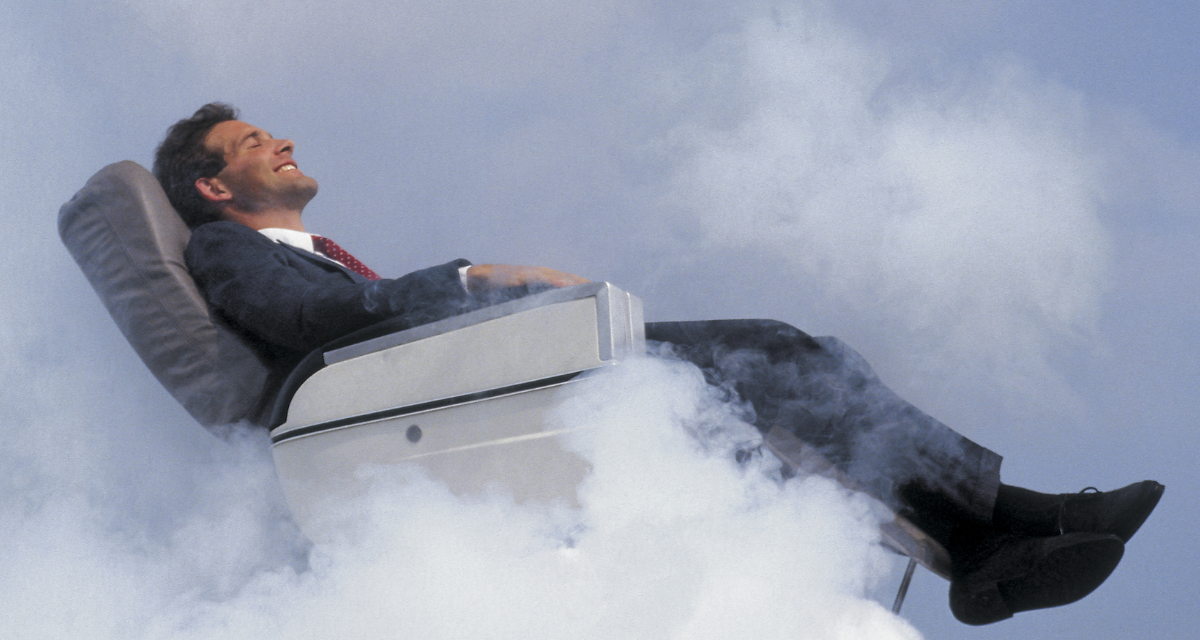
The overwhelming majority of flight attendants say reclining your seat is your right. End of story. Andrew Kothlow, a flight attendant and co-creator of the Two Guys on a Plane blog, put it bluntly to Business Insider: “It’s definitely not rude to recline your seat. I personally think it’s rude to believe that a person will not try to get as comfortable as possible if the option exists to them.” His colleague Rich Henderson agreed, comparing it to using your tray table. It’s built into the seat, and it’s yours to use.
The jury in the sky is in. When Business Insider surveyed six flight attendants, five sided with the recliner. When Outside Online polled another six, the vote was unanimous.
Heather Poole, a 28-year veteran flight attendant and CNN contributor, wrote a widely shared op-ed with an even more direct headline: “You Need to Get Over Your Reclining Seat Rage.” Her take? Recliners are fully within their rights, and there’s nothing the person sitting behind them can do about it.
However, if you do feel a tiny knot of rage in the pit of your stomach whenever the person in front of you lurches backwards with no warning, you’re totally valid. It’s a complex issue with no clear rules, and in her op-ed, Poole was quick to redirect the blame away from passengers entirely. Airlines have slashed legroom—what the airline industry refers to as “pitch”— from roughly 35 inches in the early 2000s to as little as 28 inches today. “The heart of the problem is that airlines are packing too many seats too closely together into a tight space,” Poole wrote. Passengers end up at each other’s throats over legroom the airlines deliberately took away.
So what’s the catch?
Here’s where the universal caveat kicks in: how you recline changes everything.
“It’s your right to recline your seat!” said Elaine Swann, a former Continental Airlines flight attendant who now runs an etiquette consultancy. “But don’t be a jerk about it.”
Nearly every flight attendant we studied outlined the same set of conditions, a kind of unwritten social contract at 35,000 feet.
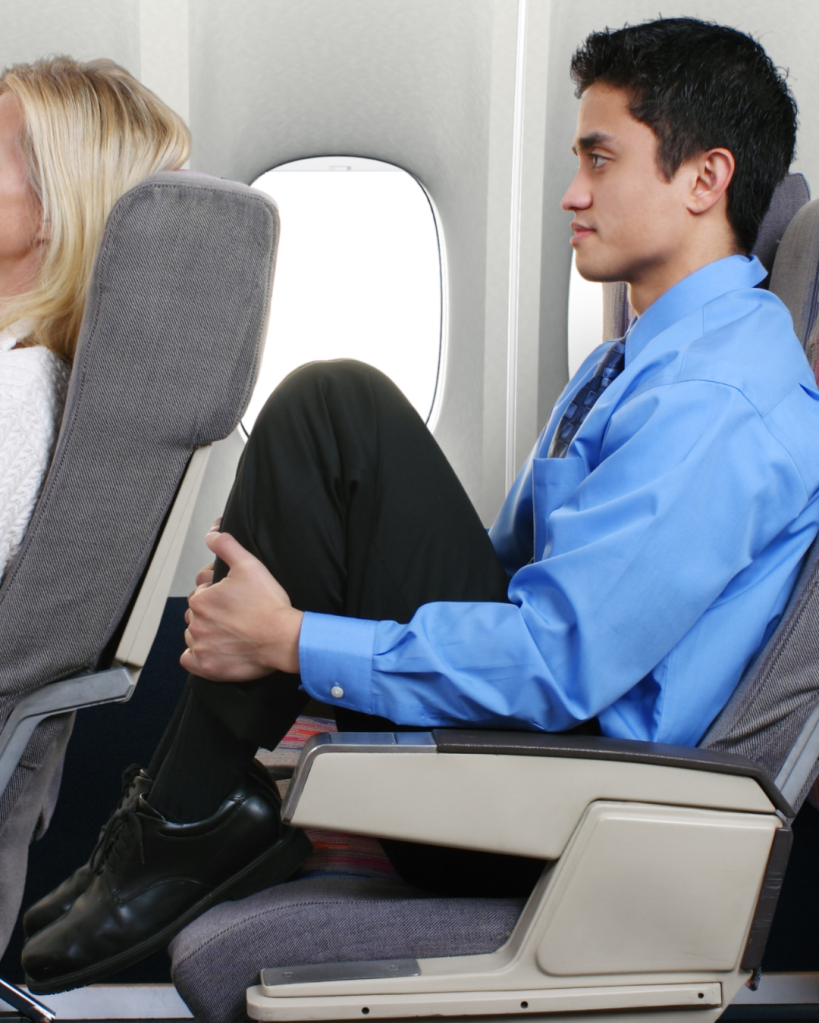
- Recline slowly. This was the single most repeated piece of advice. Yanking your seat back without warning isn’t just annoying: it can destroy electronics or send a cup of hot coffee flying. Poole has seen it firsthand: “We do see a lot of broken laptops and spilled drinks.” So, take a deep breath, glance behind you, and ease back.
- Bring your seat up during meals. This came up so consistently it might as well be carved into the armrest. Leysha Perez, a regional flight attendant, framed it as basic decency: “When you’re eating your food, you’re going to be sitting up anyway, so it would be good etiquette to bring your seat up while you’re eating.” One United Airlines flight attendant told Outside Online she proactively makes a PA announcement before meal service asking passengers to bring seats forward.
- Read the room… and the person behind you. Former Emirates flight attendant Jeenie Weenie, who has over 11 million followers on TikTok, suggests a quick peek at the passenger behind you. “They might have a drink, they might have a laptop,” she told The Independent. And if they’re visibly tall and already crammed in? “I think it’s kind of nice maybe give them the extra space.” Poole offered her own version of that advice with a memorable image: “If it’s Shaquille O’Neal behind you, give the guy a break.”
Short flight? Maybe just skip it
Flight attendants draw a few clear lines. The biggest: short-haul flights.
On a 45-minute domestic hop, most flight attendants say the marginal comfort isn’t worth the friction. Jeenie Weenie was direct: “What’s the point of reclining your seat for that 45 minutes to inconvenience the passenger behind you? That half an inch is not going to do much for you.”
The one dissenting voice
Only one flight attendant in the sources we reviewed—an anonymous Delta crew member interviewed by Business Insider—called economy reclining “outright rude.” “In first class, reclining your seat isn’t so rude because there’s space to recline, but reclining in the main cabin of the plane is,” they said.
Here’s who flight attendants actually blame
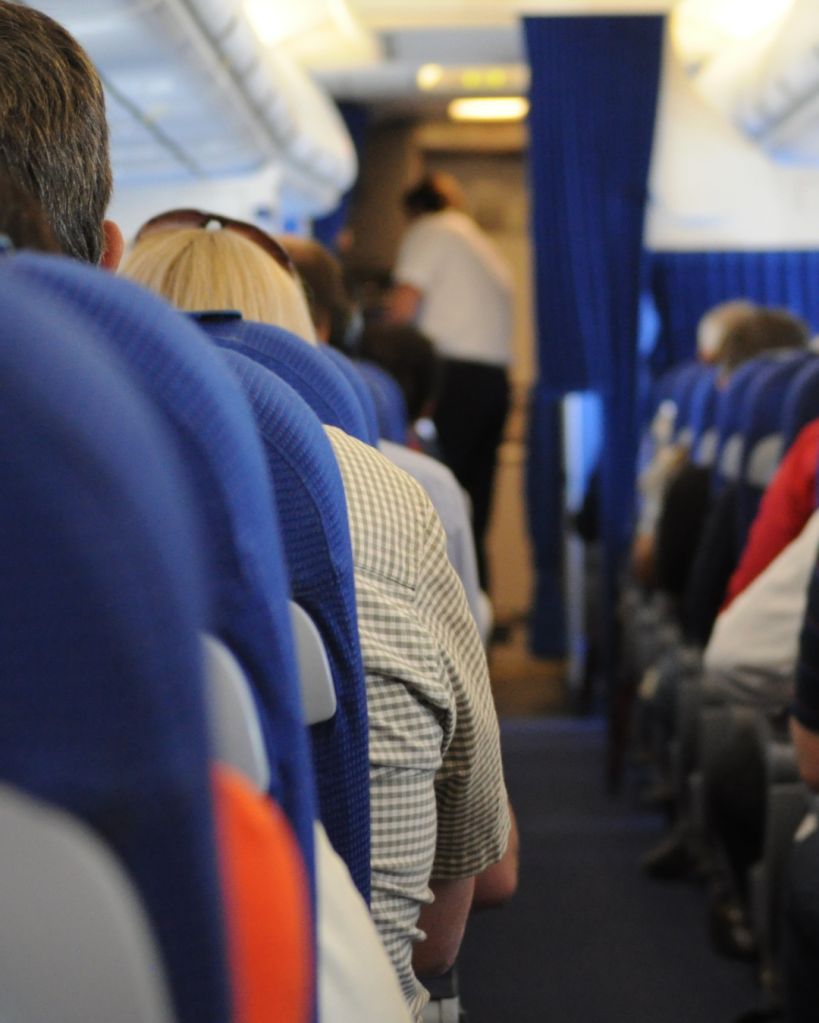
Almost every crew member we talked to eventually pointed the finger in the same direction: management, corporations, executives, and greed. Heather Poole’s diagnosis echoed across Reddit threads and crew TikToks alike: “The heart of the problem is that airlines are packing too many seats too closely together into a tight space.” Passengers are fighting over space the airlines took away.
So where does that leave us?
You paid for a seat that reclines. Use it if you need to, especially on longer flights. But take half a second to glance back, ease the seat down gently, and sit up when the food comes out. The person behind you will probably lean back too. And, according to your flight attendants, that’s exactly how it’s supposed to work.
Everyone is dealing with the same shrinking cabin you are. A little awareness goes a long way.
There’s also a reason for hope. Airlines like Air New Zealand are rolling out fixed-shell seats on their new 787-9s, where your recline stays inside your own space and never touches the row behind you. If that design spreads, the great recline war might finally end, not because we all agreed on the etiquette, but because someone finally fixed the engineering.