She looked at him and saw fear on his face. Fear that, in that moment, made it impossible for her to treat the situation as “normal.”
Cindy, a U.S. Army Veteran, was engaged, had already been through a divorce, and wanted a different kind of future for herself and her fiancé. She also knew there was only one way that future was going to happen: she needed to find support.
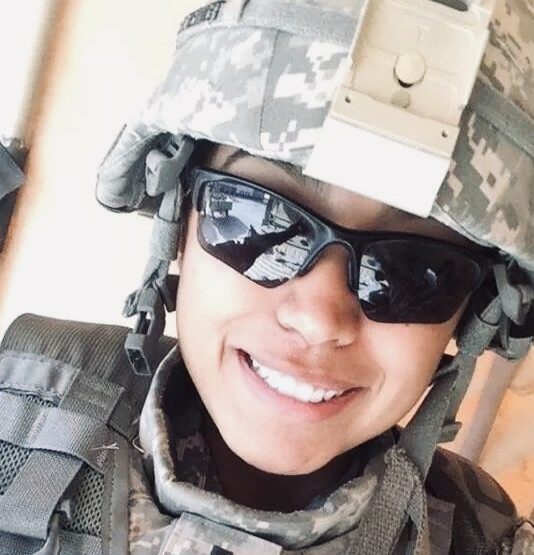
“I looked at him and saw fear in his face, and I thought, okay, I’m engaged to this person. I love this person and I want us to have a happy life together. I need to get help for that to happen.”
Cindy was struggling with her mental health and had started to self-harm. She thought of these incidents as something she could manage and told herself they were just how she handled stress. But when the future she was so looking forward to suddenly felt jeopardized, she made the choice to seek help.
The logic behind that choice was already familiar to her. In the military, you don’t wait for danger to start preparing. You train before the situation arrives so you’re ready when it does, and mental health deserves the same approach.
Cindy’s story reached a point she could no longer dismiss. But support doesn’t have to wait until then. It can start much earlier, addressing the everyday things that slowly begin to feel heavier than they used to.
Sometimes it starts with trouble sleeping, a career change, financial stress or a relationship that feels harder than usual. Other times, it is less tangible: grief, irritability, isolation, overwhelm or simply feeling unlike yourself. These experiences can look like the ordinary weight of life, the common human experiences people tell themselves they should be able to handle. But ordinary doesn’t mean insignificant, and common doesn’t mean small.
“If something is bothering you now, take care of it now. Don’t wait until it becomes something bigger. “

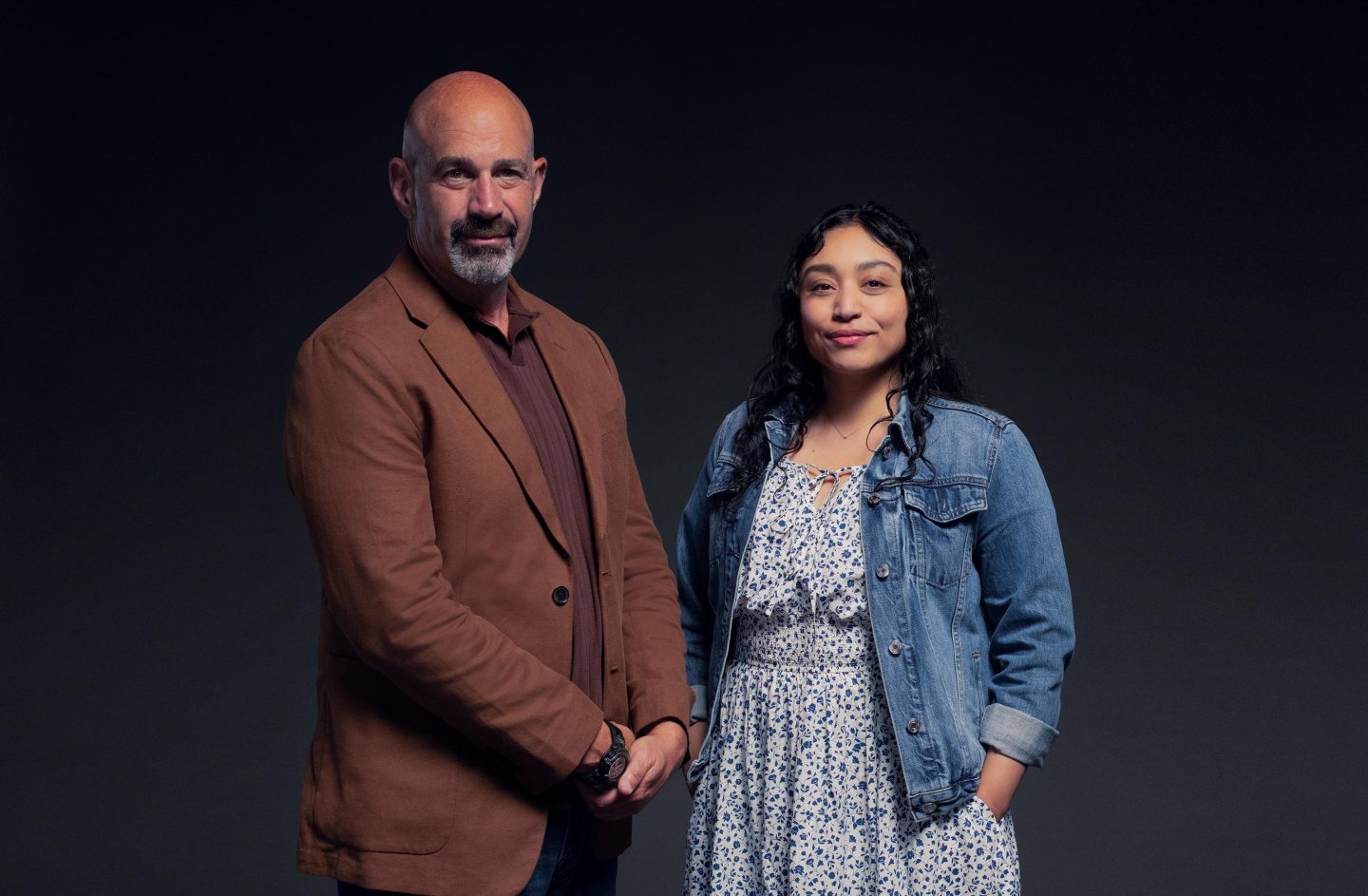
When other Veterans in one of VA’s “Don’t Wait. Reach Out.” campaign videos were asked whether they’ve ever helped another Veteran, the answers were immediate and resounding:
“Of course… Yes… I try to always be there.”
Yet when the question shifted to personal experience, “Have you ever asked for help yourself?” the responses became hesitant.
“It’s always tough, right?… Um… I can’t say that I have.”
Many Veterans hesitate to seek help, believing their own experiences don’t weigh enough to justify it. Cindy put it plainly: “There’s a lot more people out there that have gone through more things.”
This hesitation manifests in different ways, shaped by each person’s lived experience, but one nearly universal belief runs through it: someone else had it worse, and someone else needs the help more.
Comparative suffering has a way of shrinking our own pain until it feels undeserving of attention. But support isn’t a finite resource, and it doesn’t have to be earned by reaching a breaking point. There’s no triage hierarchy for who deserves care; whether someone is dealing with job loss, financial stress, relationship problems or something harder to name, their struggle still deserves attention.
In 2023, 6,398 Veterans died by suicide, and suicide was the second-leading cause of death among Veterans under 45. While these numbers are devastating, they represent something much more personal: thousands of people whose lives mattered deeply to their families, friends and communities.
The VA and the Ad Council created the “Don’t Wait. Reach Out.” campaign to make support easier for Veterans to access—well before a crisis. At VA.gov/REACH, Veterans can find resources for challenges including work, finances, grief, relationships, sleep, health and major life transitions. Whether they’re seeking support for the first time or have reached out before, the site offers a place to start.
We often think of bravery as doing courageous things for others. Sometimes, true bravery is more about looking inward: recognizing when you’re the one who needs support, and taking the first step to ask for it.
Cindy’s path began when she saw herself through her fiance’s eyes and realized what she had convinced herself was fine, wasn’t fine at all.
“I want Veterans to know that whatever you’re struggling with, whether it’s a job, a relationship or just going through a tough time, it’s okay to reach out. Why wait to handle something later when you can take care of it now? I’m so glad I made the choice to get help.”
Getting there took time. Cindy moved through group therapy, individual counseling and changes along the way. But she kept going. Today, she’s married to the fiancé who helped her recognize that something needed to change, and together they’re building the future she knew they both deserved.
If you or a Veteran you know is struggling, don’t wait. Reach out. Find resources at VA.gov/REACH.