
For years, people have been left dumbfounded by the plethora of food label dates carried by grocery stores. The dizzying array of over 50 date-related terms—such as “sell by,” “best before,” and “enjoy by”—creates massive confusion, resulting in billions of pounds of perfectly edible food being needlessly thrown away each year. In fact, nearly 10% of all wasted food in the United States is due to confusion over how to interpret these labels.
California’s new Assembly Bill 660, which goes into effect July 1, aims to address this issue.
A simpler system for shoppers
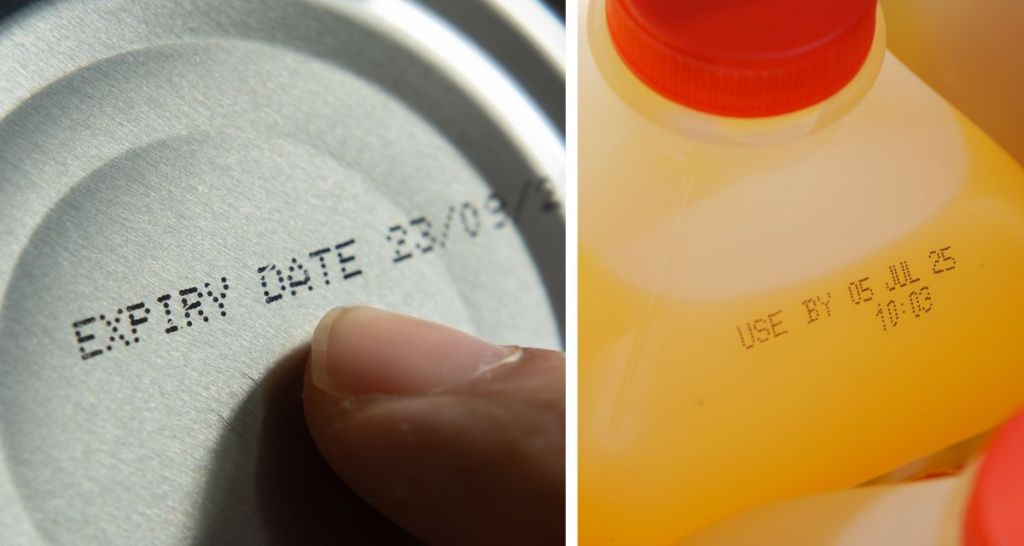
Shoppers will only have two labels to contend with: “BEST if Used By,” which refers to peak product quality (think freshness), and “USE By,” which refers to an actual food safety guideline. That’s it. Badda bing, badda boom. The change applies to any food item intended for human consumption, except eggs and infant formula.
Ahead of this mandatory enforcement deadline, all manufacturers shipping goods into the state must update their labeling to ensure compliance.
The move is designed to eliminate much of the guesswork consumers face in grocery aisles and at home. Many people see a date stamped on a package and assume it marks the moment food becomes unsafe. In reality, many labels have historically been intended to indicate when a product is at its best in terms of flavor, texture, or freshness.
Why food waste matters
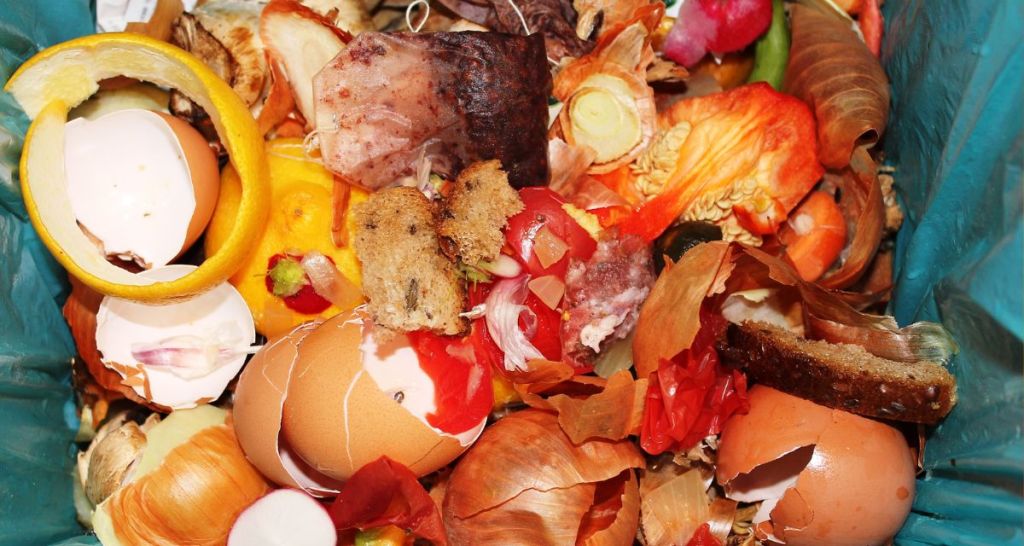
Food waste remains a major issue across the U.S., with millions of tons of edible products ending up in landfills each year. When food is tossed unnecessarily, families lose money on groceries they never fully use. Municipal waste systems shoulder additional costs as well.
There is also, undeniably, the environmental impact. Producing food requires land, water, energy, labor, and transportation. When edible products are thrown away because consumers are unsure how to interpret a label, many of those resources are effectively wasted as well.
Supporters of standardized labeling believe clearer guidance can help households make informed decisions about what should stay in the refrigerator, freezer, or pantry instead of being discarded unnecessarily out of caution.
Could the rest of the country follow California?
California is the first state to implement a uniform food date-labeling system designed solely for consumers, rather than retailers’ “sell by” dates. Those in favor of the law hope it could eventually become a model for the rest of the country.
Because California represents one of the nation’s largest consumer markets, manufacturers may find it easier to adopt the same labeling practices across their entire distribution networks rather than maintain separate systems for different states.
Between budgeting, meal planning, and trying to carve out the time to make it to the store at all, grocery shopping can feel like a high-stakes exercise in decision-making. At the very least, we may soon have one less thing to second-guess.