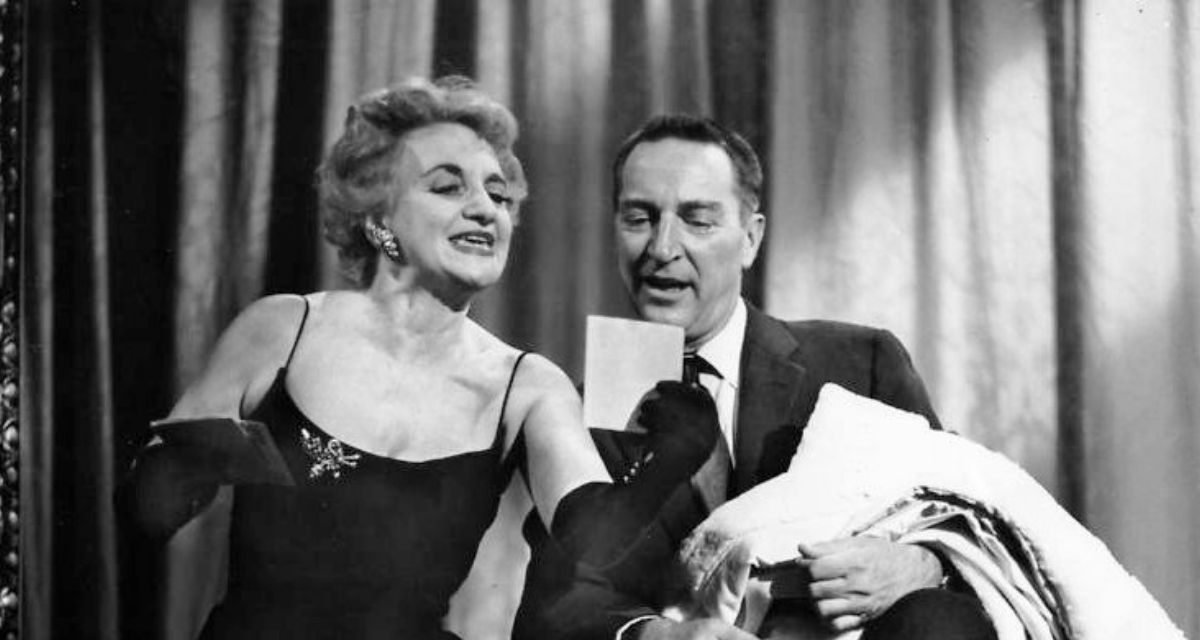
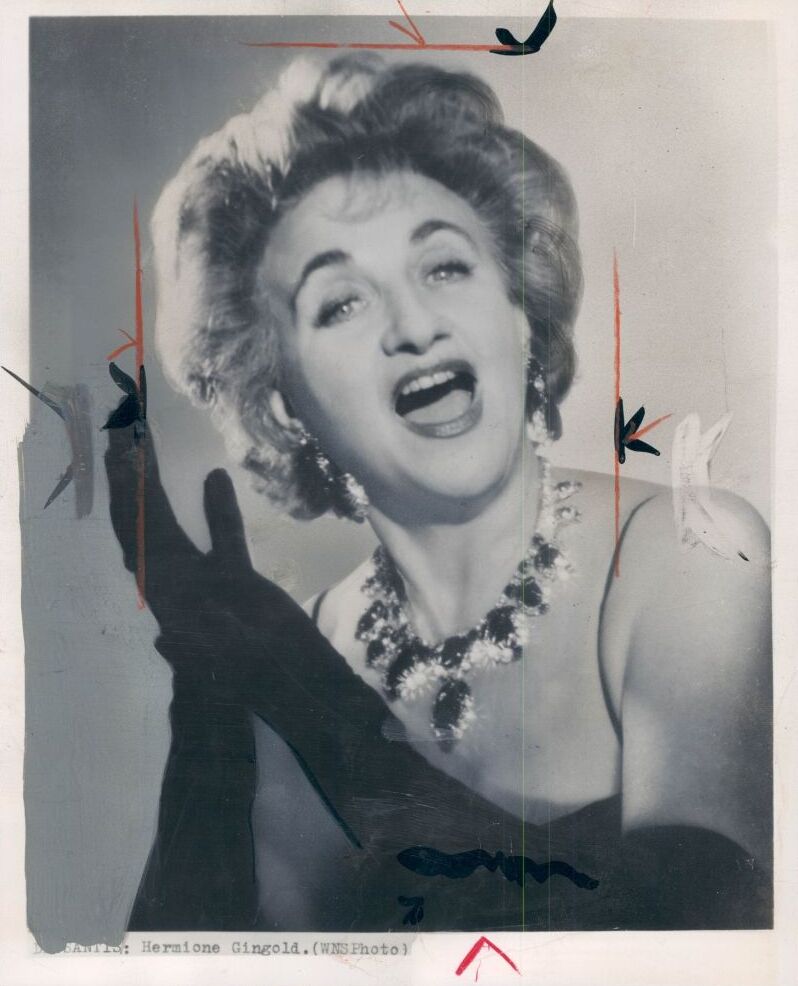
By the mid-20th century, English actress Hermione Gingold had become an instantly recognizable presence on stage and screen, thanks in part to her signature deep voice and no-nonsense attitude.
One brilliant example of this, as captured by Letters of Note, was Gingold’s merciless written response to what we would call a troll in today’s terminology.
The year was 1950, and Gingold had been starring in a revival of Noel Coward’s comedy Fallen Angels, which generally received mixed reviews from the public. In particular, people criticized the two female leads’ laissez-faire attitude toward taboo topics such as premarital sex.
One brave soul even wrote to Gingold under the pseudonym, “A. Friend,” calling her performance “disgusting” and “loathsome.” They threatened that if she didn’t leave the play, she would be “struck” either at the theater during the show or in her own home.
Showing her own prowess with the pen, Gingold replied:
“Dear Friend,
How clever and capricious you are, cloaking yourself in anonymity, and I must confess I cannot for the life of me guess which of my many friends you can be. You have sent my head spinning and my imagination whirling. Could you be found among my dear friends, intimate friends, close friends, childhood friends, pen friends, family friends, friends of a friend, friends in distress, friends who are closer than a brother, friends in need, or school friends? Your letter quite clearly shows that you are not illiterate, and therefore we can rule out my school friends. Your masterly command of the language banishes the thought that you could be found among my friends from overseas. Your witty criticism of my performance makes me think that I might find you among my nearest and dearest ‘bosom friends,’ that is if you did not choose to address me as ‘Dear Madam’—a clever move this, and one that reduces my last thought to mere stupidity and you to a casual acquaintance, and yet I must banish the thought ‘casual acquaintance.’
…An awful thought has dawned. It is all a joke, and you aren’t really my friend at all. I must try to dismiss this thought. It depresses me. To lose a friend like you in a few words, oh no.
So, dear anonymous friend, if this should chance to meet your eye, please keep your promise and come round one night—yes, and bring your friends, too, for I know intuitively that your friends will be my friends.” Gingold then signed, “Cordially yours.”
Her sarcasm and wit were so sharp that Noel Coward would have been impressed
Before hinting at what time would be best for this supposed attacker to strike her in her home, she suggested, “Between ten-thirty and twelve in the morning, excluding Tuesday, which is a bad day, as a lot of tiresome tradespeople call for the same reason.”
“You will easily recognize my apartment, for, apart from the number ‘85’ marked in plain figures on the door, over the knocker there is a notice, ‘strike twice and wait, bell out of order,’” Gingold concluded.
What happened next?
Gingold moved on with her life—thankfully, without any actual attacks. She continued acting, singing, winning awards, and apparently never gave this “friend” another thought.
As we deal with bad actors cloaking themselves in anonymity now more than ever, we can take a page from Gingold’s book: don’t let them keep you from living your most unapologetic life.