School lunch in the United States has a complicated history. While many of us who grew up in the 80s or 90s are nostalgic for some of the menu items we remember fondly (rectangle pizza, anyone?), some of the serving choices were bizarre. We really grew up with someone handing us a tray of pizza, French fries, chocolate milk, and soggy green beans every morning at 10:30 a.m.
The offerings have improved somewhat over the years, but everything’s still so… beige. The main choices are typically pizza, chicken nuggets, or some form of questionable ground beef like burgers or meatloaf. Some people are stunned when they find out that school lunches from around the world can look very different.
A lobster lunch goes viral
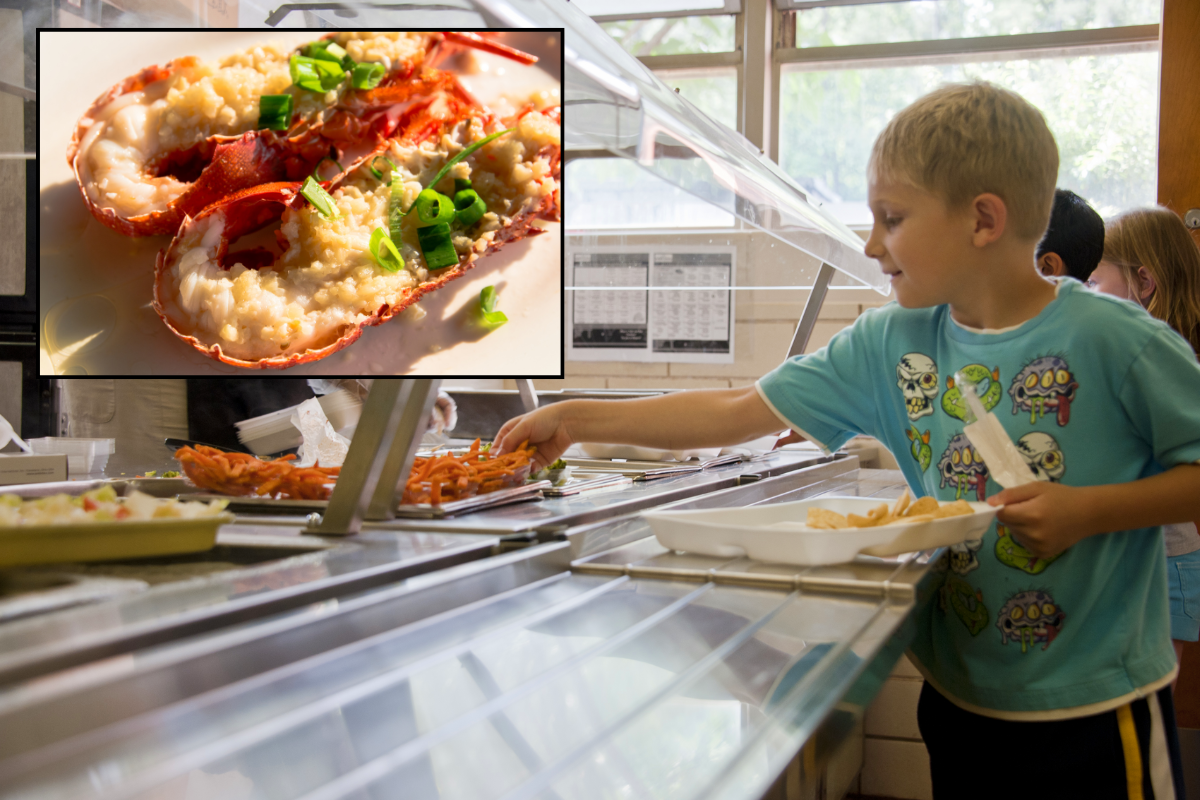
In May 2025, a photo of lunch served at an elementary school in South Korea went viral and had everyone’s mouth watering.
A user on Reddit, an American teacher working in South Korea, posted the photos to r/pics where they immediately racked up over 17,000 upvotes. He later told Newsweek that the lobster was a special event, not a regular menu item, and that he teaches at a private school.
The colors on the tray stick out immediately, most notably the noodles covered in creamy red sauce. But it’s really the stuffed lobster tail that’s the star of this particular tray; potentially lobster thermidor.
You expect to see some cultural differences in the food offerings in different countries. Korean food is inherently different than American food in a number of ways. But Americans love lobster! Yet can you imagine American schools serving lobster tail to kids under any circumstances?
Take a look at the mouth-watering spread here:
Americans weigh in on school lunch
The response from mostly-American users was fascinating. Some were in awe while others rightly pointed out why a lunch like this would never fly in the USA.
One of the main sentiments was that school lunches in other countries often put ours to utter shame:
“I used to teach in Korea and the lunches were always amazing, the beef and quails egg stew was a constant highlight.”
“I studied in Korea for 6 months on uni exchange. The food at the uni cafeteria looked just like this, and was 10/10. My private room at the uni lodge was $500USD for the WHOLE semester, and included unlimited food.”
“I live in Spain and my kid’s school invited the parents to taste lunch one day. It was fantastic. Also, at the end of each month they share a calendar of the meals that will be served during the next one, day by day. They’re all balanced, and prepared with proximity food. They prepare specific meals for every kid with allergies/intolerances/any kind of dietary restriction, e.g. restrictions related to religion. They also share a list of dinner suggestions – again, for the whole month – so you have ideas for dinners that are healthy, easy, cheap, and tasty for kids. It’s a public school.”
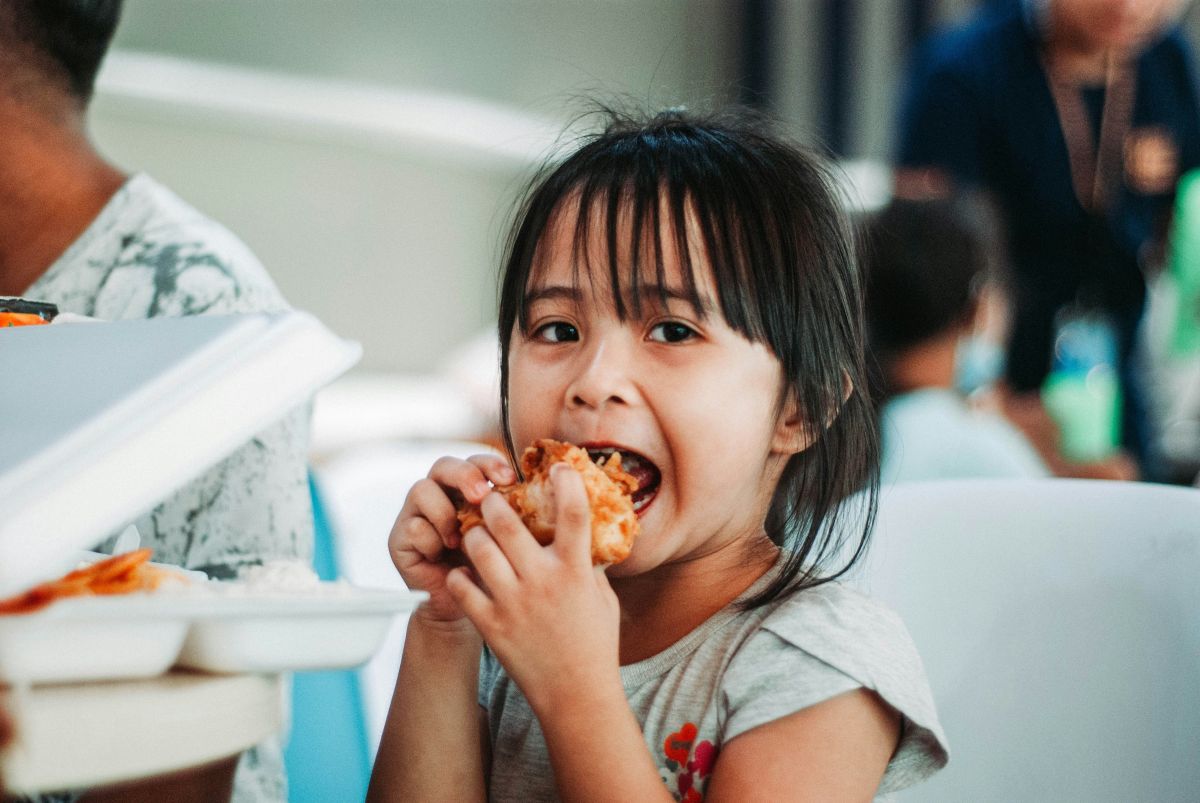
Photo credit: MD Duran/Unsplash
“I am from a third world country where many public schools lack a ton of funding and even we have better more healthy lunches than the slop that’s given to US students. I know because I went to school in the US and also in my home country.”
“America hates its f*cking kids. It will always mistreat them and deny them opportunities.”
“Lobster as a school lunch??? I need to go back to elementary school… I’ll quit work for education and a lunch like that!”
Others, while impressed with the selection, had their doubts about if American schools could ever adopt something like this:
“This lunch is orders of magnitude better then US school lunches. And most American kids would utterly hate it.”
“American kids have no palete! It’s all chicken nuggets and mac & cheese! … I know some kids that would starve rather than try anything on that tray.”
Some pointed out that those metal chopsticks would likely be used as a weapon almost immediately, and discontinued ASAP.
Many Americans’ diets fall short of federal nutrition recommendations, which contributes to long-term health problems. For clues as to why, you can look at what we feed our kids, and why.
Why American lunches look different
No, most American kids probably wouldn’t like lobster tail. But there is a lot that goes into how our palete develops that might help explain it.
For starters, fresh produce and lean proteins are extremely expensive in America. It’s far more cost-effective to pump people full of cheap, empty calories and sugar. School lunch used to be cooked fresh in many schools before federal cuts in the early 1980s reduced reimbursements and ended equipment funding, pushing districts to lean more heavily on frozen or reheated options. Kids get used to chicken nuggets all day every day from a young age!
The irony is that school lunches in America, while not overly exciting, at least meet some basic nutritional guidelines. But they’re not free for everyone: only nine states (California, Colorado, Maine, Massachusetts, Michigan, Minnesota, New Mexico, New York, and Vermont) offer free meals to all public school students, and even kids who qualify for free or reduced lunch may not end up participating due to stigma or red-tape. When parents on a shoestring budget have to buy their own lunch supplies, things can get a lot worse than meatloaf and green beans. We all knew a few kids in school who had Pop-Tarts for lunch every day. To be fair, we were all jealous at the time.
And finally, Americans sure love to get fired up about our “right” to eat like crap. When Michelle Obama tried to clean up the school lunch program through the 2010 Healthy, Hunger-Free Kids Act, she ran into massive pushback. Health Secretary Robert F. Kennedy Jr. is now pursuing his own version: the federal Dietary Guidelines released in January 2026 urge Americans for the first time to limit highly processed foods, a new law lets schools serve whole milk again, and USDA is still updating school meal standards. School food directors say they’d need more help to follow through: more than 93% cited the need for more staff, training, and equipment to reduce their reliance on ultra-processed foods.
The viral photo from South Korea shows what might be possible with a few key cultural and political shifts. (South Korea provides free lunches to every student from kindergarten through high school and spends more than $5 billion a year on school meals.) Treating feeding our kids more like “preventive medicine” versus a cost to manage would definitely be a start.
This article originally appeared last year. It has been updated.