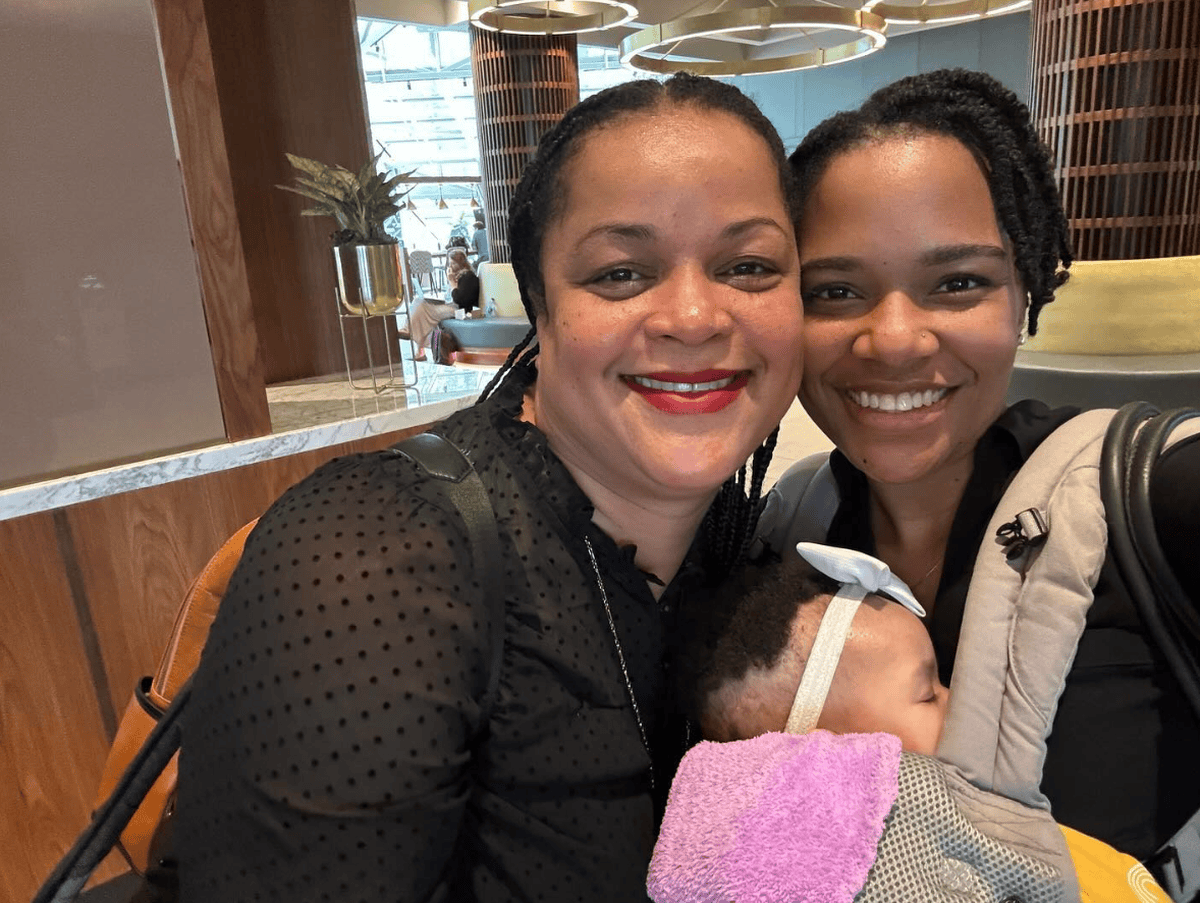
Frankie Robertson had spent years helping families navigate premature birth. But nothing could have prepared her for sitting in a neonatal intensive care unit (NICU) with her own newborn daughter.
Robertson had spent nearly a decade in leadership at March of Dimes, an organization whose work includes premature birth prevention. She had listened to parents’ stories, supported families and cried alongside mothers whose babies arrived too soon.
But experiencing it herself was entirely different, revealing a gap often overlooked in conversations about pregnancy and childbirth: Mothers need care and support long after their babies arrive.
It’s a critical need that philanthropists Olivia and Tom Walton are working to address. In September 2026, the couple announced an initial $100 million commitment over five years to Healthy Moms, Healthy Babies America, a national initiative aiming to cut the country’s maternal mortality rate in half by 2031. The investment is intended to help states expand promising approaches to maternal healthcare, particularly in rural and underserved communities where women face significant barriers to care. That includes expanding access to virtual appointments for women who live far from healthcare providers, training more midwives and community health workers, and strengthening postpartum care during the critical first year after childbirth.
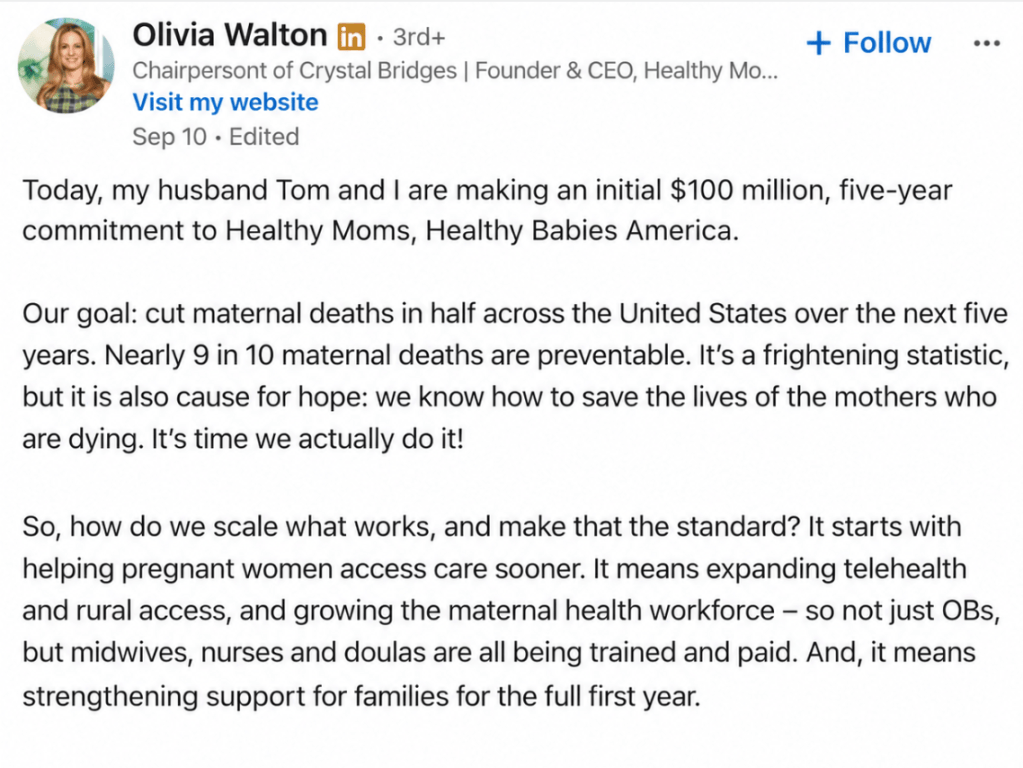
Rather than creating an entirely new healthcare system, the initiative aims to help states put proven solutions into practice on a larger scale. The Waltons’ $100 million commitment will support state matching grants, partnerships, and improvements in healthcare infrastructure, with the goal of attracting additional public and private investment to sustain those efforts long after the initial five years.
The ultimate measure of success is ambitious but straightforward: cutting the nation’s maternal mortality rate in half by 2031.
The risks aren’t the same for every mother
The United States has one of the highest maternal mortality rates among wealthy nations, and those risks aren’t shared equally.
In 2024, non-Hispanic Black women were more than three times as likely to die from maternal causes as non-Hispanic white women, according to the Centers for Disease Control and Prevention. This disparity is driven by a combination of systemic inequities in healthcare, including unequal access to quality prenatal and postpartum care, higher rates of certain underlying health conditions, and racial bias within the medical system. Research also shows that Black women’s concerns about their symptoms are sometimes dismissed or inadequately addressed by healthcare providers, potentially delaying lifesaving treatment.
Geography matters, too. In rural communities, women may have to travel long distances to reach maternity care, making consistent prenatal and postpartum support difficult to access.
Robertson, who has spent much of her career advocating for maternal health equity in Louisiana, believes improving outcomes also requires recognizing the circumstances women bring into pregnancy.
Researchers call one aspect of this weathering: the cumulative physical toll of chronic stress, discrimination and systemic inequities. First proposed by public health researcher Arline Geronimus, the hypothesis explores how these experiences may contribute to poorer health outcomes over time.
“It’s not simply about experiencing an isolated act of discrimination,” Robertson explained. “It’s about the overall effect, physiological toll of navigating just environments where you constantly have to confront, recover from inequities, or anticipate them.”
Improving maternal health means looking beyond medical emergencies and recognizing the importance of consistent care, emotional support and access to resources before, during and after childbirth.
What if better maternal care looked like this?
Imagine a new mother returning home from the hospital, exhausted and overwhelmed. She’s anxious, struggling to sleep and unsure whether what she’s experiencing is a normal part of recovery or a sign that something is wrong.
Now imagine someone comes to check on her.
A postpartum home visit could help identify complications, answer questions and connect her with additional care. A midwife or community health worker could help another mother navigate appointments and find needed resources. A doula could provide emotional and practical support during childbirth, helping a woman understand her options and communicate her needs.
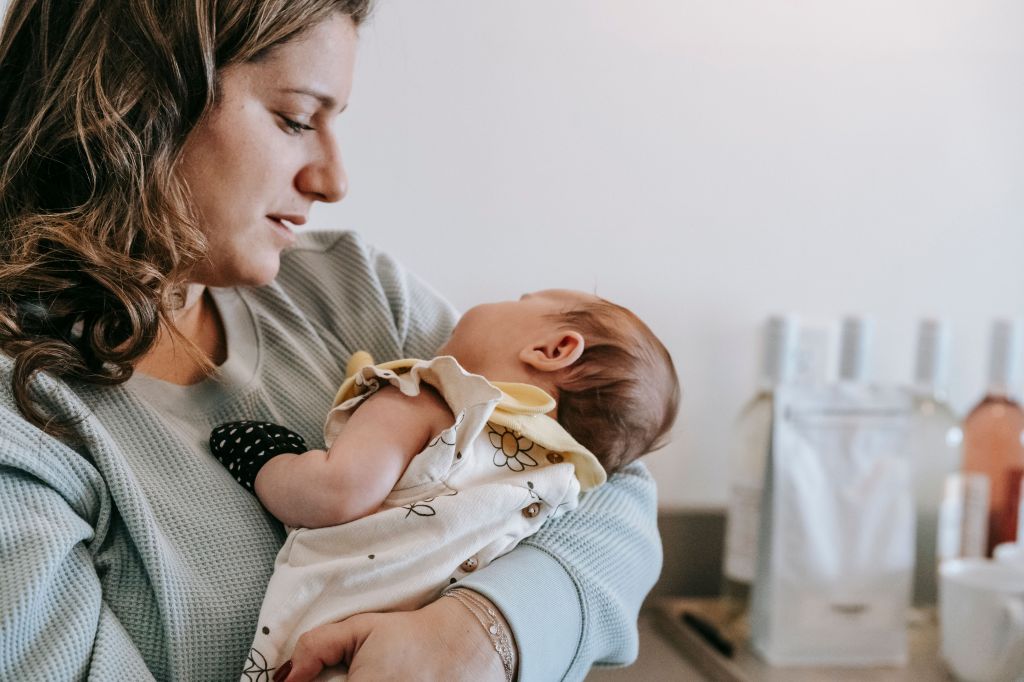
For mothers experiencing postpartum depression or anxiety, better access to mental health services could mean receiving help before symptoms become a crisis.
These are among the approaches Healthy Moms, Healthy Babies America hopes to help states expand, building on programs already showing promise rather than starting from scratch.
In October, the initiative announced its first state-level investments: $10 million each for Arkansas and Kentucky over five years. The grants are intended to strengthen maternal healthcare access, particularly in rural communities, through workforce development, postpartum support and improved maternal health data. The initiative hopes successful approaches can eventually be adopted in other states.
The investments are still in their early stages, and it will take time to see how many families benefit and whether improvements can be sustained. The Waltons hope their commitment will also attract additional public and private funding to help effective services reach more communities beyond the initial five years.
Helping mothers find joy, even when pregnancy doesn’t go as planned
For Robertson, the importance of having someone looking out for mothers is deeply personal.
Her experiences with postpartum recovery and her daughter’s premature birth inspired her to become a doula and establish Black Joy Doula Firm, a maternal health practice focused on supporting Black women through pregnancy and childbirth. Her goal is to help mothers facing unexpected complications manage their fears, understand their options and hold on to some of the joy they felt when they first imagined becoming parents.
“I wanted to be a doula to work with moms who get this news and then show them how to protect their peace, help them with coping mechanisms, help them slow down, help them maintain that joy,” she explained.
It’s a philosophy that reflects what meaningful maternal care should look like: someone who listens, recognizes when a mother needs help and understands that her well-being matters, too.
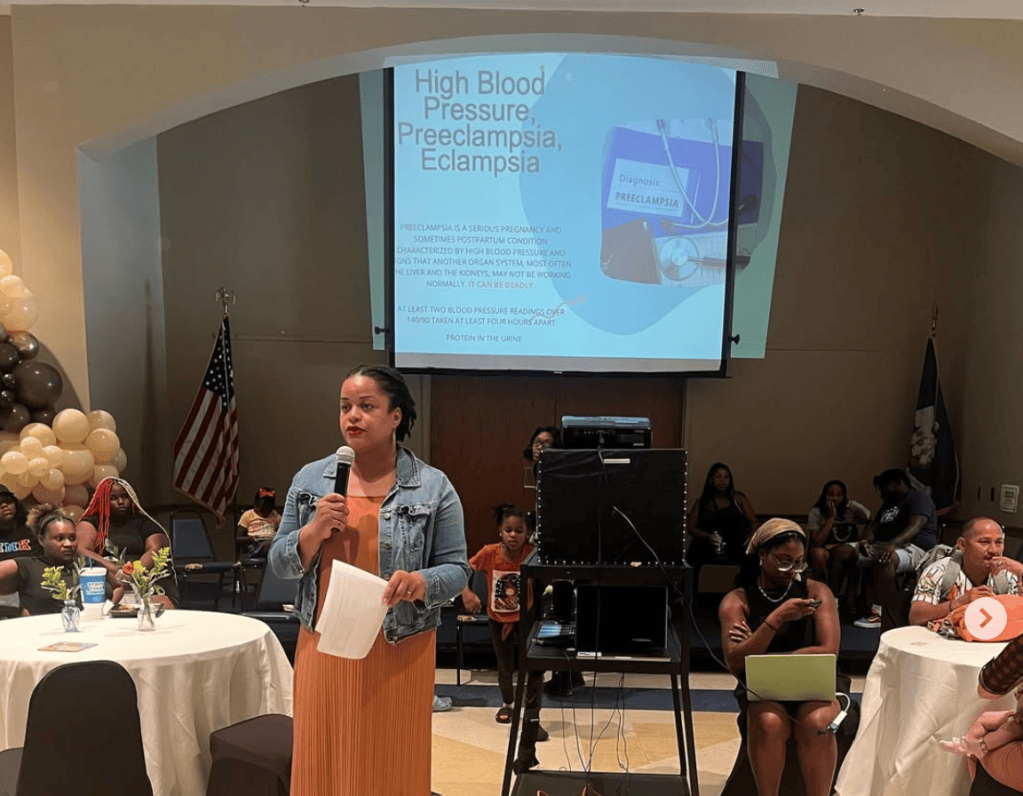
Robertson knows firsthand that even mothers with extensive knowledge and resources can find themselves overwhelmed by the unexpected. But protecting maternal health shouldn’t be a responsibility women carry alone.
That’s what makes the Waltons’ investment an opportunity worth watching. If it helps more communities provide consistent, compassionate care, fewer mothers may have to navigate pregnancy and recovery without the support they deserve.
Because when a baby arrives, a mother’s need for care doesn’t end. A healthier start for families begins with making sure someone is looking out for her, too.