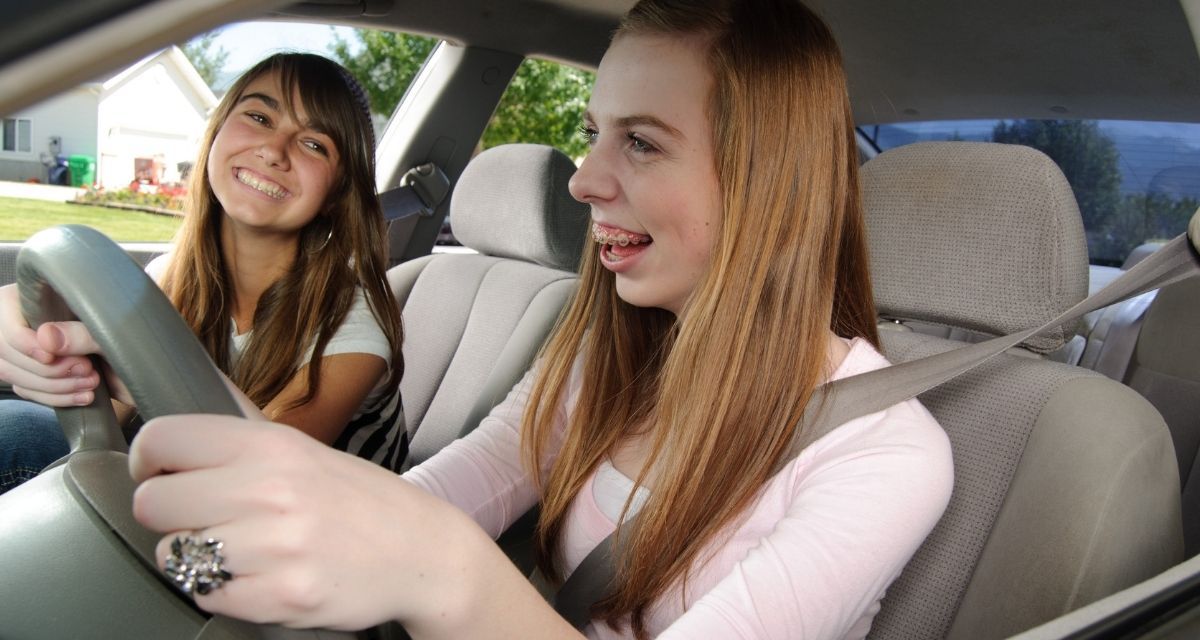
Johanna Trask vividly remembers how she treated curfews as a teen. Mainly, in how she drove recklessly, ignoring stop signs, all so she would arrive home by her assigned time.
She didn’t want the same for her kids. So, now that they’re teens, she’s flipping the script on the “home by” curfew, opting for a “leave by” curfew instead.
In a video posted to Instagram, Trask explained that this option is available now with the use of location-sharing apps. She checks the app to make sure her teens have left at the agreed-upon leave time, and what possible stops they’re making along the way. If they do leave later than that time, the consequences are the same as if they arrived home late.
“Lost phone privileges for a few days,” per her interview with Today.
Rethinking the traditional teen curfew
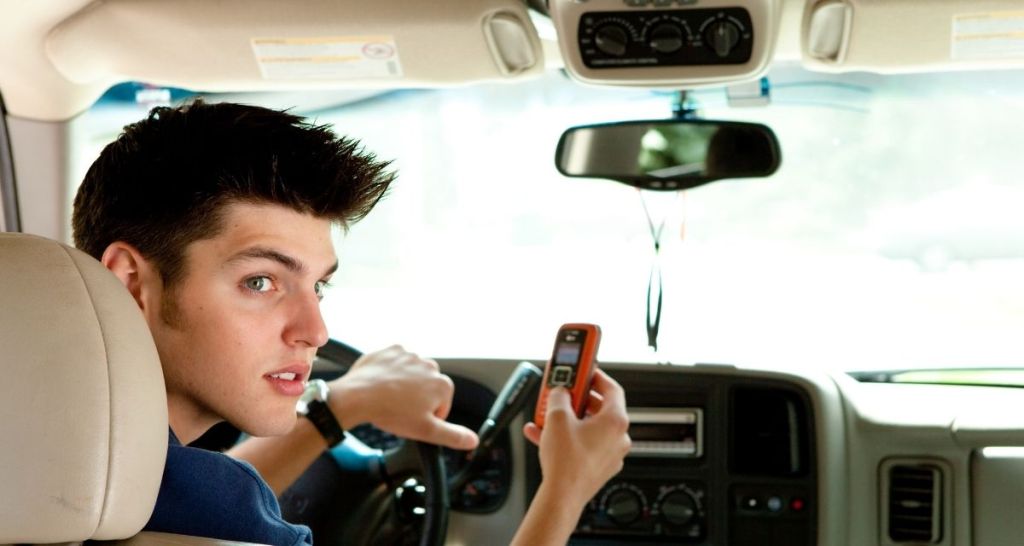
According to Trask, this still teaches her kids to be mindful of the clock, without the added pressure to speed home. She added that this was, in a way, a small example of how her parenting has gone from “extremely rigid and strict” to something more sustainable.
“I’ve learned that if my end goals are for my kids to learn responsibility, respect and to be safe, then open communication and some flexibility are crucial,” she wrote.
One parent’s lesson in trust is another parent’s potential loophole
Some parents joked that this would be a surefire way for certain savvy teens to hack the system. As one viewer wrote, “So, as long as they leave by X time, you can’t confront them about the time they actually arrived home? Fabulous teenage loophole…. ”
Others were concerned that this didn’t necessarily instill real-world skills since “Everything else in life is arrive by.”
Still, other parents agreed with the more laid-back approach. Many even noted how they themselves grew up without strict rules regarding “home by” times.
“I’ve never had a curfew, my parents just asked what time I was planning to get home and sometimes asked me to come back earlier if they didn’t like the answer, but it usually happened only when they had to pick me up at a train station and didn’t want to be up until like 2AM or smth. And I always respected it, not because i was afraid of consequences, but because i didnt want them to stay up late when I knew they were tired lol Genius parenting hack if you ask me.”
“I never had a curfew, but my mom did a mind trick on me – leave at a decent time and get back at a decent time – it made me responsible with my time and over-communicate because I didn’t want her to change her mind and give me a set time like my other friends 😂😂😂”
“See my folks did the ‘door doesn’t swing between midnight and 6am’ because that’s when my dad sleeps/leave for work. If I wasn’t going to be home by then, I needed to text where I’d be. There was 1 time I called them at I think 1 or 2 am to pick me up when I was 19 or 20 – my dad was there in 10 minutes, no questions asked. Because the one rule that overrode the 12-6 rule was me being somewhere safe.”
Another even shared how the standard “arrive by” curfew did end up with a car wreck, saying, “Love this! I literally totalled my car trying to make it home by curfew.”
Getting home safely matters more than getting home on schedule
Technology, for all its faults, does offer parents a little more flexibility than previous generations had when it came to keeping tabs on their teens. Without that safety net, it’s understandable why many well-intentioned moms and dads relied on strict curfews to make sure their kids got home safely.
But Trask’s approach also speaks to something bigger: the value of open communication, mutual respect, and giving kids room to practice making responsible decisions. After all, the goal isn’t simply to get teens through the front door on time. It’s to help them grow into adults who know how to make good decisions, look out for themselves, and understand when getting home safely matters more than getting home on schedule. Clearly, there are multiple valid ways to do that.