
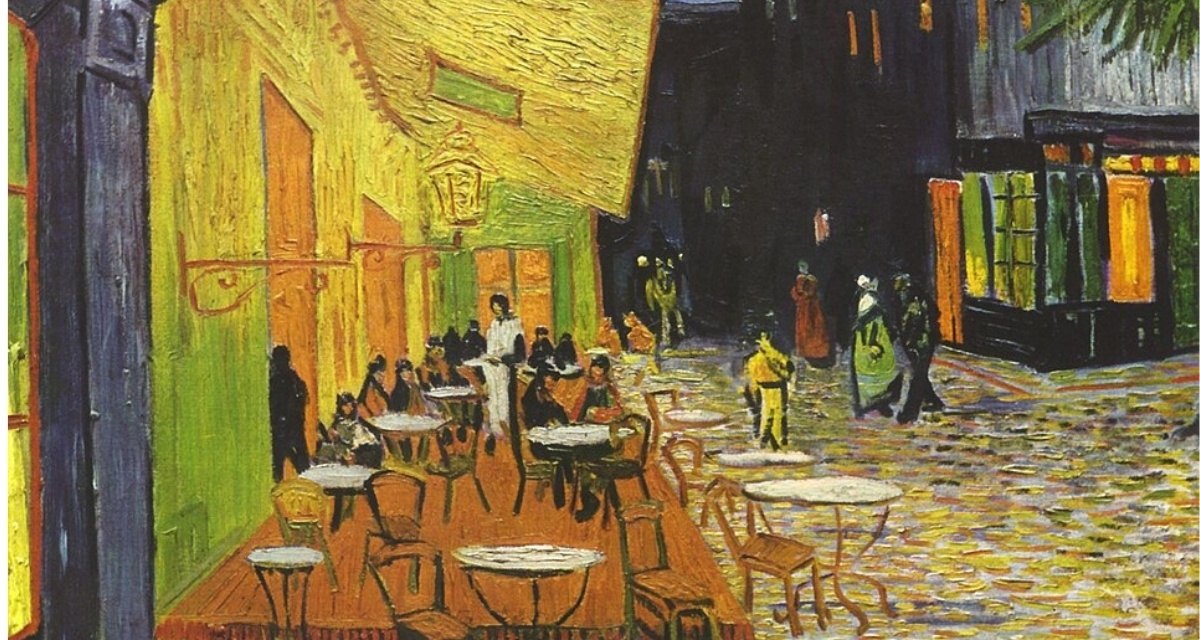
Vincent van Gogh is world-famous for his paintings, though he didn’t live long enough to see his own success. Since he died in 1890, his works have been analyzed by countless art scholars and historians, with more and more of his unique artistic genius being revealed over time.
One of his paintings took over 100 years to be fully appreciated for its subtle allusion to a famous painting motif. “Café Terrace at Night” portrays people eating at an outdoor cafe at night, using van Gogh’s signature style and color palette (famously utilizing no black paint). But that’s not all.
Here is the painting. What do you notice?
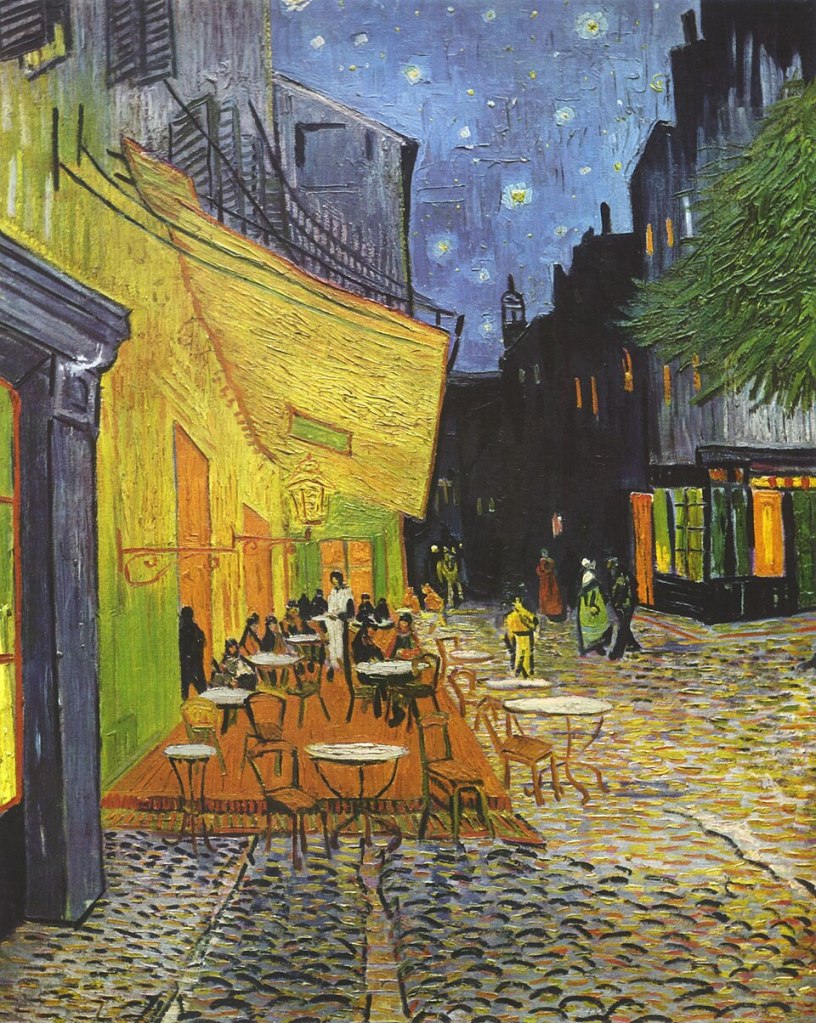
Van Gogh snuck a common Christian art motif into the scene, hidden in plain sight
Look closely at the golden lit area of the painting. Count how many people are on the terrace (including the person mostly hidden behind the server). Note the appearance of the server. How about the shadowy figure leaving the terrace on the left? Do you see the subtle cross in the window behind the server’s head?
Van Gogh appears to have hidden “The Last Supper” in plain sight in this painting. The twelve disciples on the terrace. Jesus serving them. Judas in shadow slipping away. The cross behind Jesus’s head. It’s not a huge stretch by any means.
Van Gogh was certainly no stranger to Christianity. His father was a pastor, and he himself had trained to be a preacher. He served as a missionary with impoverished coal miners, earning the nickname ‘The Christ of the Coal Mine.’
When church officials did not renew his contract, van Gogh turned to painting. Not terribly interested in creating overtly religious paintings like his contemporaries, he preferred instead to depict the lives of the everyday people he’d set out to serve.
However, the two were not so mutually exclusive. Art historians have pointed to religious symbolism in van Gogh’s works, even in scenes that don’t appear to have a religious theme. Despite van Gogh writing to his brother, Theo, “Of course there’s no question of me doing anything from the Bible,” biblical symbols show up in many of his paintings anyway.
Was it van Gogh’s intention to depict The Last Supper in his café painting?
Independent researcher Jared Baxter presented his theory that van Gogh depicted The Last Supper in “Café Terrace at Night” in 2015. In a two-part series, he laid out all the evidence that led him to the conclusion, and some art scholars have backed him up.
“Vincent painted in his own time, with an eye to the future, not the past,” Baxter wrote. “He was inspired by his predecessors but refused to merely emulate them. Further, he could not depict angels, magi or shepherds whom he had never seen. Instead, he found the divine in nature and the sacred in everyday people from peasants and sand barge workers to matronly cradle rockers. His form of innovation was simply extracting these “common, everyday” scenes from reality and imbuing them, through his vast knowledge of history’s artwork, with touches from previous masters. The implication is that within the ordinary is the sacred; maybe even bourgeois drinkers on a radiant outdoor terrace at night.”
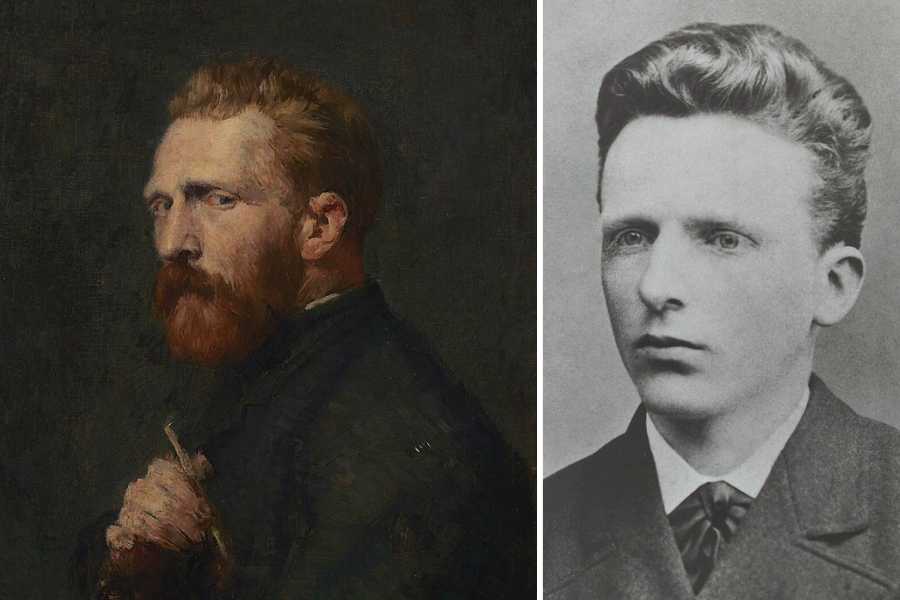
Around the time of his painting “Café Terrace at Night,” van Gogh had written his brother Theo that he had a “tremendous need for, shall I say the word—for religion.” Perhaps that feeling prompted the allusion.
However, we don’t have any definitive communication from van Gogh himself about any Last Supper intention with the painting.
“You know when you’re interpreting art, you’ve got to leave open the possibility that you’re not correct … there can never be 100 percent certain,” Baxter told The Huffington Post. “I think there’s enough information and enough evidence to at least make a pretty good case.”
Indeed. It’s just wild that it took over 100 years for someone to make that case.








.jpg)