For whatever reason, we love a good survival story. Whether it’s a Hollywood film about Tom Hanks stranded on a desert island or a reality TV show about a former special forces soldier foraging for food and shelter in the jungle, we can’t get enough.
Unfortunately, for many of us, our knowledge of survival and emergency situations doesn’t go much further than what we’ve seen on television. Worse, much of what we’ve learned and come to accept as good advice is actually wrong. Many of the techniques in question are either ineffective, dangerous, or exaggerated for entertainment value.
If you ever find yourself stranded, lost, or in a life-threatening situation, here are a few popular survival myths to be aware of:
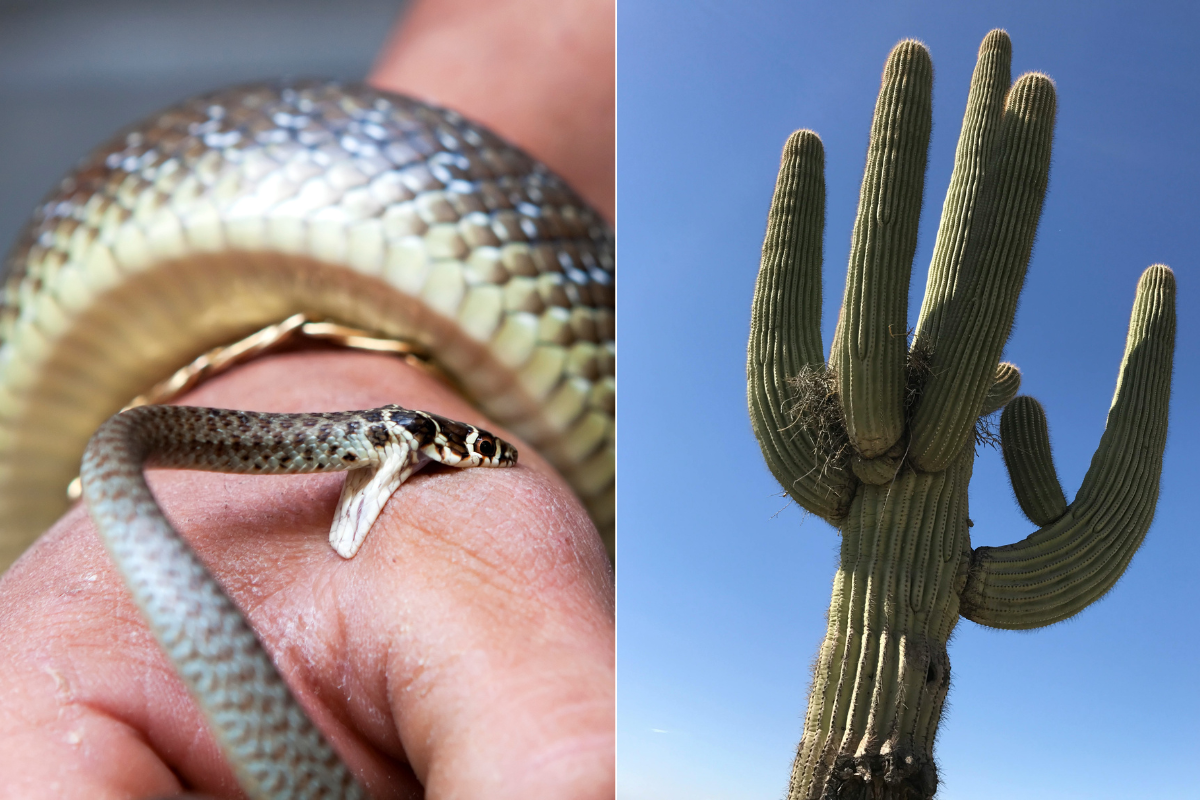
1. Sucking venom out of a snakebite
If you get bitten by a venomous snake, the smart move is to get the venom out of the wound as soon as possible. The only problem? This doesn’t actually work. And neither do devices that claim to extract the venom.
“Snake venom rapidly diffuses into deep tissue—it’s not just pooled up under the skin ready to be suctioned out,” prepper Sean Gold tells Upworthy. “Being able to suck the venom back through the snake’s bite is also impossible, since the bite tracks immediately collapse when the fangs are removed.”
What to do instead: You need medical attention and antivenom. If you can’t get help, immobilize the wound and keep it below heart level.
2. Drinking cactus water
We all know that cacti thrive in the desert due to their incredible ability to store water. That makes the idea of cutting one open to quench your thirst pretty appealing. Unfortunately, the water stored in a cactus isn’t suitable for drinking.
According to the Encyclopedia Britannica:
“Most cactus species further protect their spongy flesh with acids and potent alkaloids. These chemicals are usually too acrid for most humans to tolerate and are taxing on the kidneys if ingested. The flesh of some cactus species can also cause vomiting, diarrhea, or temporary paralysis—none of which is conducive to your survival in an emergency situation.”
What to do instead: Your best bet is digging in a dry riverbed to find water, or following birds, bees, and trees to a better source. More importantly, don’t overexert yourself in the heat of the day in order to conserve hydration.
3. Counting on moss to navigate
Ever heard the old rule that moss only grows on the north side of a tree? The idea comes from the fact that moss prefers shady areas, which are more likely to face north. Some people believe you can use this concept to navigate your way out of being lost.
Sadly, moss will grow just about anywhere. It’s often found on north-facing surfaces, but not reliably enough to use as a compass.
What to do instead: Serious survivalists learn how to navigate using the stars and the sun. The easiest thing to remember is that the sun rises in the east and sets in the west, though not precisely.

4. Drinking your own urine
It may have made for an entertaining set piece for Bear Grylls, but experts agree that drinking your own urine is not a good survival strategy.
One reason is that in a true survival situation, you’ll be poorly hydrated and your urine will have a higher concentration of waste products.
The Conversation writes:
“By drinking urine with higher concentrations of waste products (and/or if your kidneys are impaired), urea and other metabolic waste products can accumulate in your body. This can become toxic to cells, particularly those in the nervous system. This can lead to symptoms such as vomiting, muscle cramps, itching and changes in consciousness. Without treatment, this toxic state (known as uraemia) can be life-threatening.”
What to do instead: Finding fresh drinking water is one of the most difficult aspects of survival. Studying the topography of the area and heading downhill are usually your best bets for finding a stream.
5. Hiding in a tunnel from a tornado
A lot of people believe that if they encounter a tornado while driving, a highway overpass or tunnel is a good place to take shelter from flying debris.
On the contrary, a bridge or overpass can act as a wind tunnel, accelerating the force of the wind and flying debris. That’s even more dangerous. Depending on your head start and which direction the tornado is moving, you may be able to drive away from it, but it’s not usually recommended, as tornadoes can reach forward speeds of 75 miles per hour.
What to do instead: Missouri’s Storm Aware website notes, “If you are in your vehicle and a tornado is approaching, you should pull your vehicle to the side of the road immediately, get out, and lay flat in a nearby ditch covering your neck and head.”
6. Drinking alcohol to warm up
It’s not out of the realm of possibility to imagine yourself in a broken-down car on the side of the road during a blizzard with nothing but an old bottle of whiskey that’s been rolling around in the back for months.
As tempting as it might be to drink it, experts say don’t do it. Drinking hard liquor can temporarily make your body feel warm, but it actually makes the situation worse.
Outdoor Life explains: “Although you may feel warmer, alcohol actually dilates skin-surface blood vessels and capillaries, which will chill your core even faster.”
What to do instead: Save the celebratory drink for after you’re rescued.
There are many survival techniques and myths that would require years of learning and practice to master. But a good general rule is that real survival is boring, not flashy. In most situations, the best thing to do is stay calm, seek shelter, and try to signal for help.