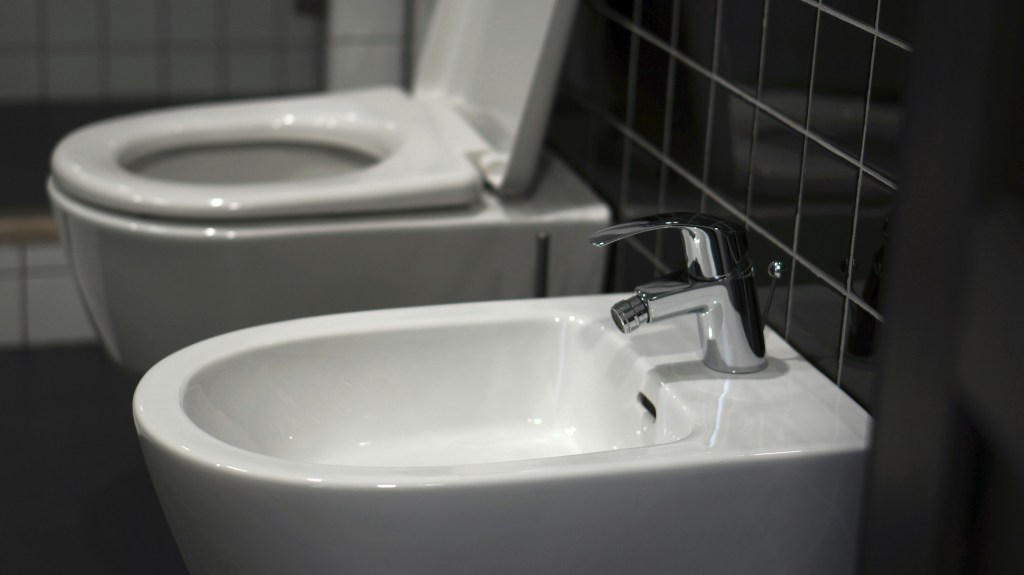
The bidet dates back to 18th-century France and, by all accounts, is more hygienic than toilet paper and better for the environment. But, much like the metric system, Americans aren’t adapting to them anytime soon.
In fact, a 2022 poll found that only 12% of Americans “know a lot about” bidets. Americans make up 4% of the world’s population but use 20% of its toilet paper, while 70% of the world doesn’t use toilet paper at all.
When you look at the numbers, bidets are a much better option for the environment and for one’s pocketbook than toilet paper. According to The Process, Americans cut down 31 million trees each year for toilet paper, and it takes 37 gallons of water to produce a single roll, while each use of a bidet requires only one-eighth of a gallon.
Bidets also do a better job of cleaning your rear end than a square of toilet paper.
“The direct application of water for post-toilet cleansing removes residual fecal matter more effectively than toilet paper alone,” Dr. Farhan Malik, a health and wellness expert, told KTVX-TV. “This can help prevent skin irritation and inflammation in the genital area. The gentle, targeted spray of water also reduces excessive wiping and tugging, which can lead to discomfort.”
Why haven’t Americans adopted the bidet?
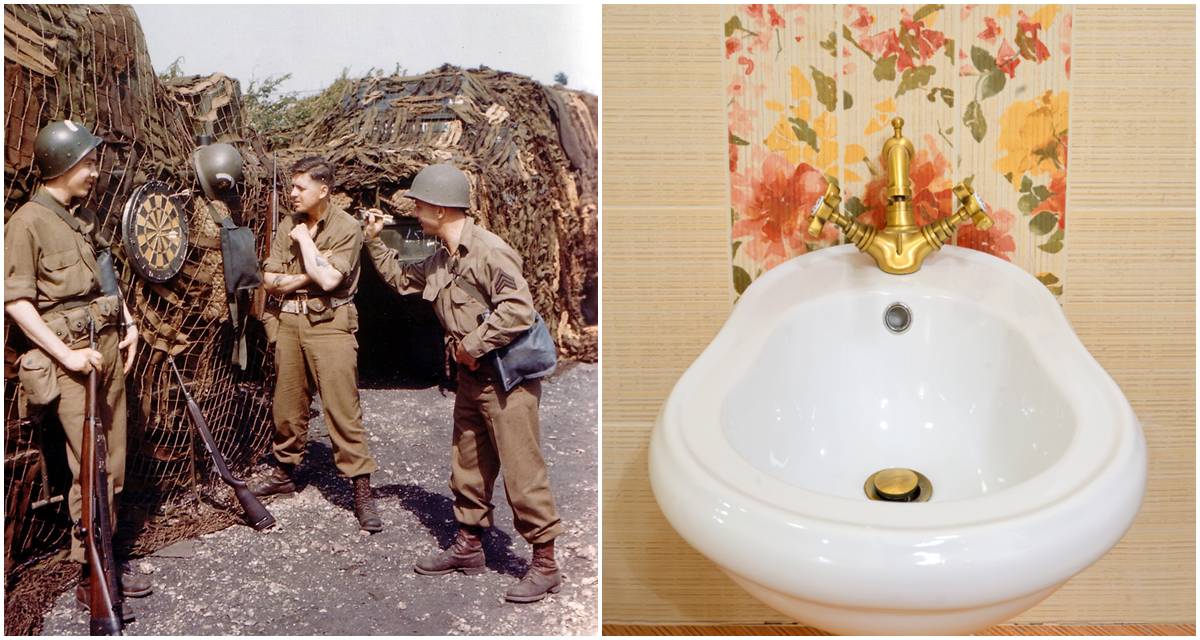
When Americans were stationed in France during World War II, many visited bordellos, a fact they probably didn’t want people back home to know. In the bordellos, sex workers and their clients used bidets to clean up before and after their encounters, so Americans came to associate bidets with naughtiness and illicit behavior.
“GIs visiting bordellos would often see bidets in the bathrooms, so they began to associate these basins with sex work,” Maria Teresa Hart writes in The Atlantic. “Given America’s puritanical past, it makes sense that, once back home, servicemen would feel squeamish about presenting these fixtures to their homeland.”
Even before World War II, bidets were associated with contraception and abortion. “The presence of a bidet is regarded as almost a symbol of sin,” Norman Haire, a pioneering gynecologist and sexologist, said in 1936.
Bidets make economic sense
What’s interesting is that, even though Americans rejected bidets on moral grounds, that resistance hasn’t been overridden by economic common sense. Americans spend $11 billion on toilet paper every year, and the average person in the U.S. uses 141 rolls annually. A single bidet attachment can cost as little as a one-time fee of $35.
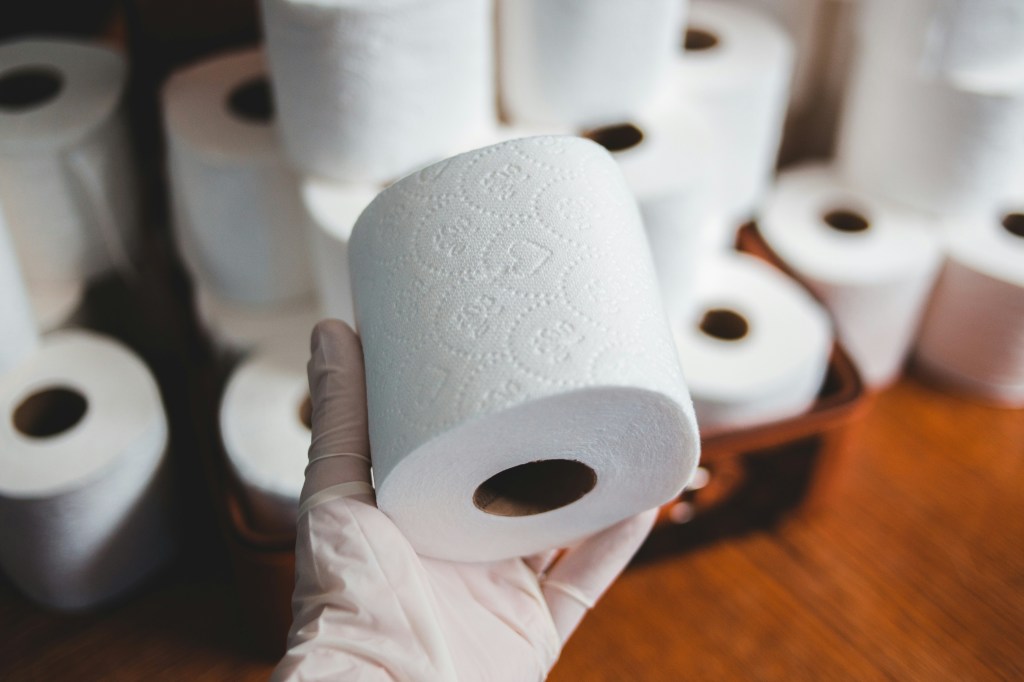
Bidets have been found to be better for your health, the environment, and your wallet, but Americans still won’t switch from paper to a little spritz of water. If the runs on TP during the COVID-19 pandemic didn’t inspire Americans to change their ways, maybe nothing will.
“Toilet paper is not a necessity. It is a cultural habit wearing the costume of a necessity. Seventy percent of the human population proves that every single day,” The Process reports. “A product most of the world has never needed became the first thing Americans panic-bought when crisis arrived. Not medicine. Not food. Toilet paper. That tells you something, not about cleanliness, but about how habits take root. They do not grow from logic. They grow from one small misunderstood moment, repeated across a generation, then another, until the habit feels like instinct.”