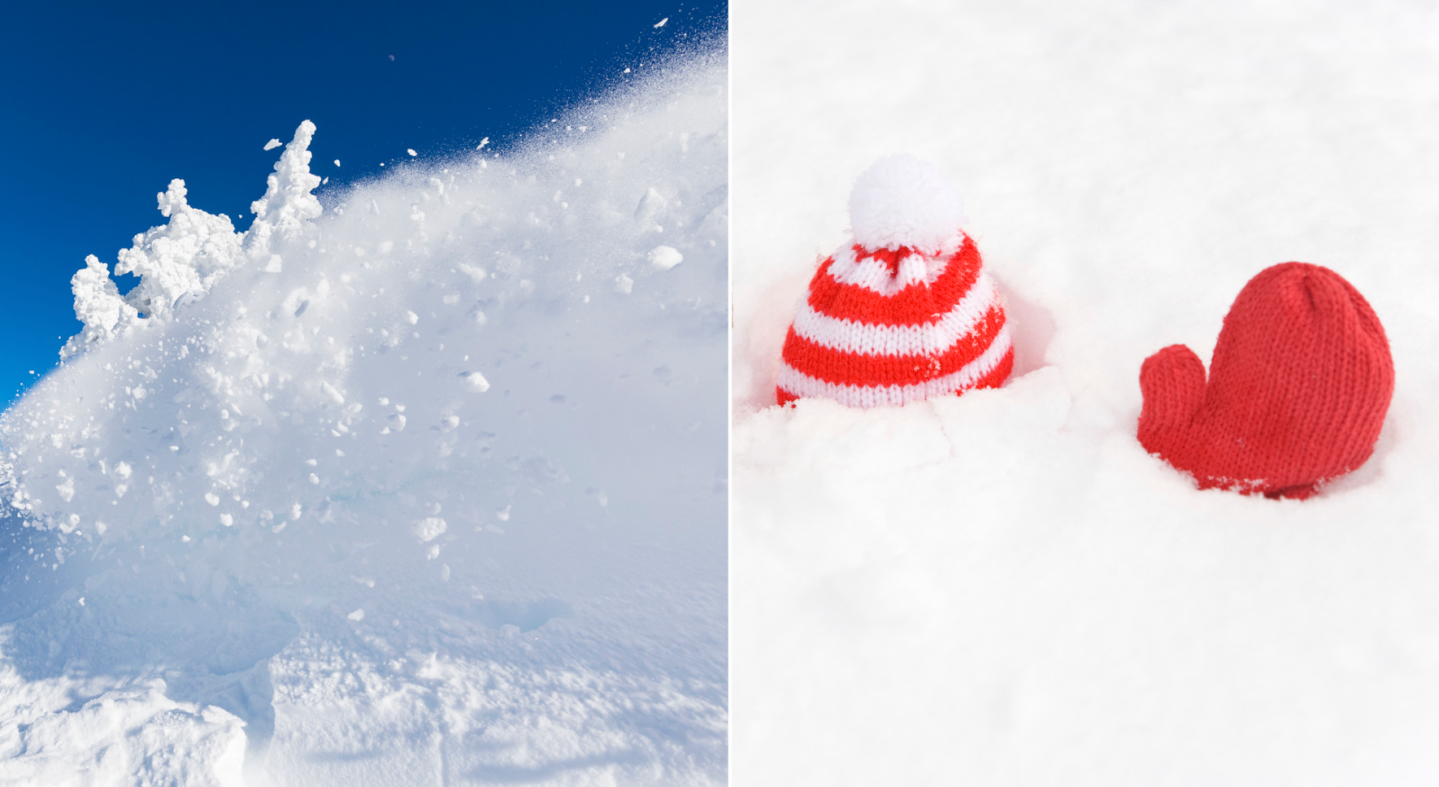
On October 26, 1995, just before dawn, a massive avalanche came down off Skollahvilft mountain and slammed into the village of Flateyri in Iceland’s Westfjords. It destroyed 17 houses and killed 20 people. Forty-five people were inside the homes that were hit.
Sóley Eiríksdóttir was 11 years old, asleep in her bed, wearing nothing but “knickers and a T-shirt in all that snow,” as she later put it. There had been no warning. One moment she was asleep; the next, she was buried under the rubble of her own home.
She would be trapped there for hours.
Sóley, who shared her story on Instagram, described the strange calm that settled over her once she realized rescuers were near. The villagers were being dug out in the middle of the night by, among others, the crew of a fishing trawler called Pétur Jónsson RE-69.
“I heard noise in the room next to mine and I realised that a lot of men were there,” she told the Iceland Monitor. “It made me a lot calmer when I realised people were there.”
As the crew tunneled toward her, more snow kept falling on top of her. Then a hand reached through the snow and found hers. The rescuer asked her name and age, and he did not let go.
“My left hand was icy cold and I couldn’t feel it anymore. It was all cut up by the glass from the window pane but I couldn’t feel a thing,” she recalled. “I just smiled when they arrived because I knew everything would be ok.”
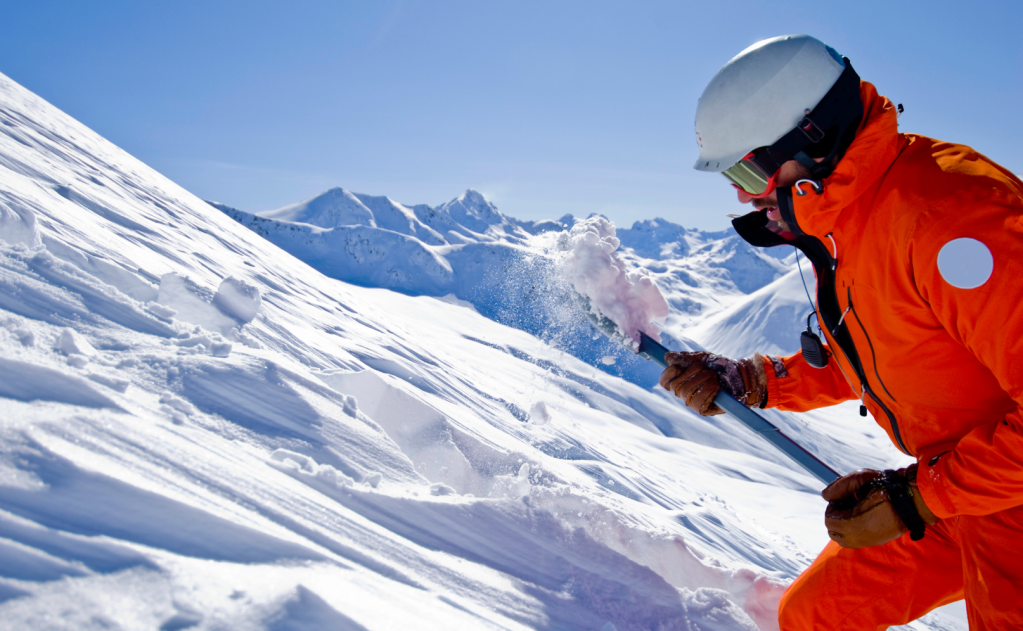
While they worked to free her, Sóley asked about her 19-year-old sister, Svana. The rescuer told her Svana was okay.
She wasn’t.
Once Sóley was safely out and at the rescue center, she stayed happy, relieved that she and her sister had both survived. But after a while, something started to feel wrong. She kept asking for Svana. Eventually, two men overheard her and exchanged a look, quietly debating whether to tell her the truth. They never actually said the words out loud. They didn’t have to. Sóley understood. Her sister was gone.
Svana’s body was found later. She had not survived the cold.
It’s a brutal thing to be lied to in a moment like that. But one commenter on Sóley’s post articulated why the rescuer likely made the choice he did: “If that man told you the truth while you were in the position you were, you would have given up easily and passed away from despair.”
The lie may have been the thing that kept her holding on.
The crew members who responded that night carried the memory for decades. “There was so much destruction, it was impossible to see the direction of the actual village,” Erlingur Birgir Kjartansson told Morgunblaðið. Ragnar Ólafsson said the only thing that kept them digging was the hope of finding someone alive under the snow.
Twenty years after the disaster, Sóley brought her own six-year-old daughter, Vilborg Saga, to meet the crew who had pulled her from the snow. It was the first time she had seen them since that night.
“Thank you,” she told them, “for giving me the chance to meet you.”
The Flateyri disaster came just nine months after another avalanche had killed 14 people in the nearby village of Súðavík. The twin tragedies shook the entire country and forced a reckoning with how unprepared Iceland’s mountainside communities were. In 1998, a large A-shaped deflecting dam was built above Flateyri to redirect future avalanches away from the village. Since its completion, two major avalanches have come down, and the village has remained protected.
The man who found her hand made a decision in the dark that morning: Hold on, and don’t tell her the worst of it yet. It got an 11-year-old girl through the longest hours of her life. She’s now a mother herself, which is its own kind of answer to whether he made the right call.