No, it’s not your eyes deceiving you. It’s your brain. When magician/illusionist Pete Firman took to social media to demonstrate a bizarre optical illusion, many were not prepared to be so incredibly impressed… and confused.
Even Firman captions his Instagram clip, “This illusion is SO weird.” And what he demonstrates next definitely backs that claim up. Showing photos of celebrities side-by-side (Kevin Bacon, Russell Crowe, Gwyneth Paltrow, to name a few) he asks the viewers to focus on the white cross in between the photos.
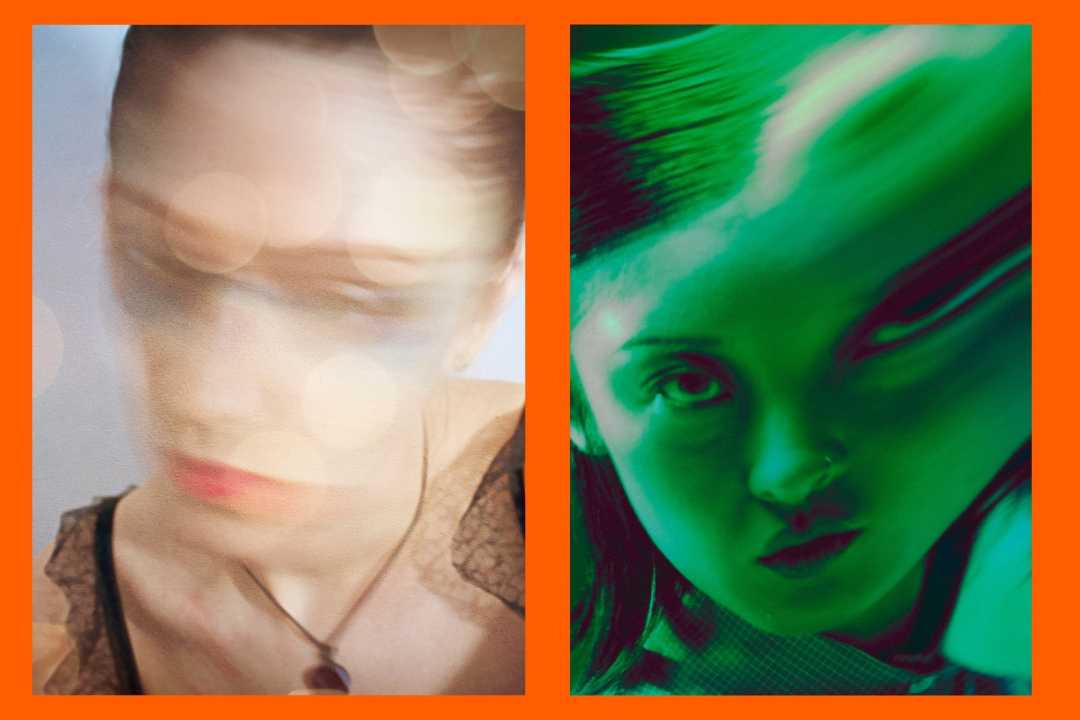
He notes, “And after a couple of seconds, something weird should start to happen. The faces begin to look distorted, disfigured. It’s like the features are all out of proportion.”
This is called the Flash Face Distortion Effect and it’s truly fascinating.
He explains, “What’s actually happening is your brain is holding onto previous images and overlaying them onto the new ones as they appear in your peripheral vision. Because you’re not looking at the photograph directly, your brain is basically trying to fill in the blanks.”
He stresses that this is a very real phenomenon. “You might think that I’ve edited these photographs to make them look strange, but that’s not the case.” He then advises us to watch it again to see that it’s all “legit.” I’ll admit, it didn’t work for me the first time. But after a third viewing, the best way I can describe the faces is they appeared to be melting like a Dali painting.
Those in the comments were equally baffled.
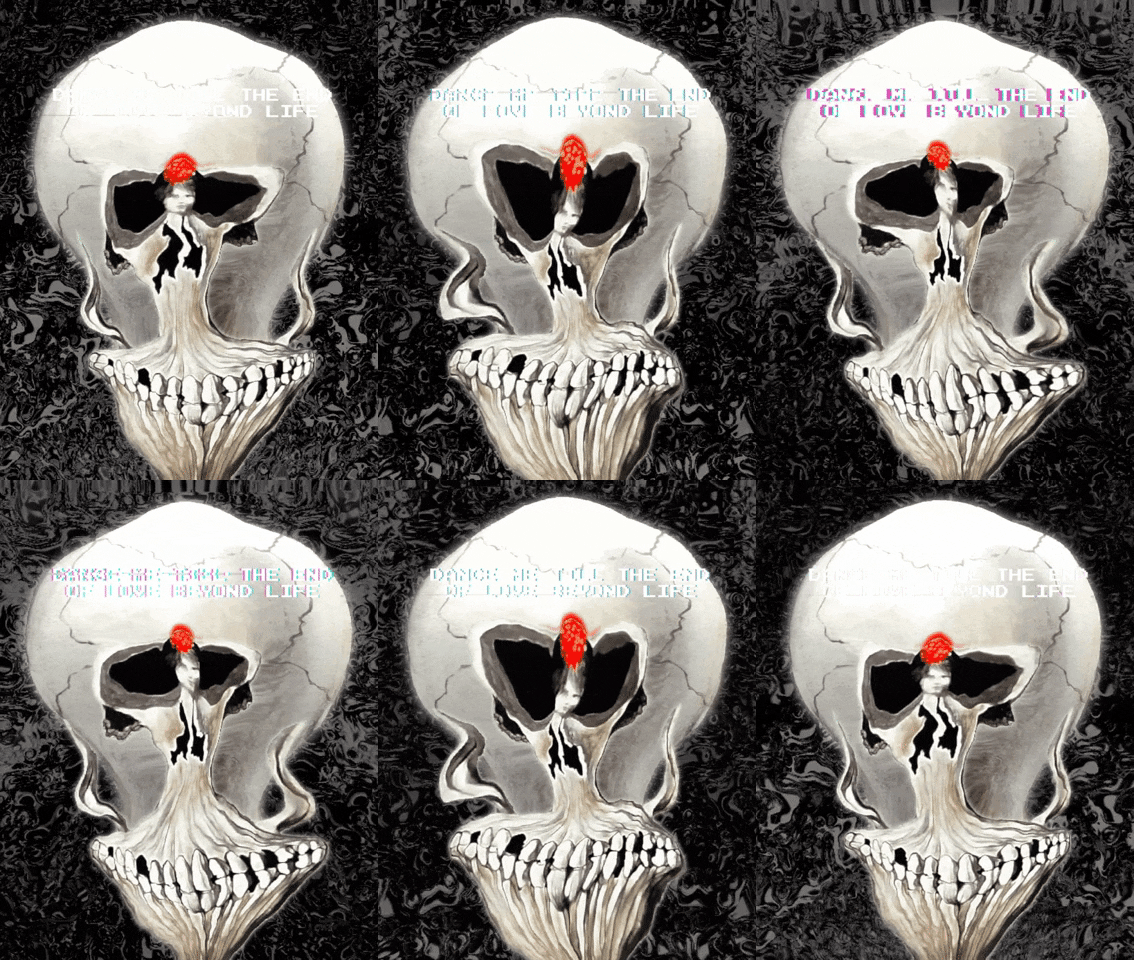
Because it’s so hard to explain without seeing for one’s self, one Instagrammer writes, “I want to take screenshots of what my eyes are seeing.”
One even jokes, “Reporting you for witchcraft.”
This person uses the neurological phenomenon as a profound metaphor. “This is also how experience life. We hold on to previous experiences that distorts how we experience the moment.”
From a doctor’s standpoint, Upworthy had the chance to chat with Dr. Jon Stewart Hao Dy, a board-certified neurologist based in the Philippines. He tells us that different brain structures work together, including the inferior occipitotemporal lobe and the superior temporal lobe, to create this illusion. It “primarily occurs due to (1) peripheral exaggeration, (2) contrast amplification and (3) rapid neural adaptation.”
He shares, “In peripheral exaggeration, when our eyes focus on the center, the faces in our peripheral vision lead to lower visual resolution and this leads to stronger contrast between the two images.
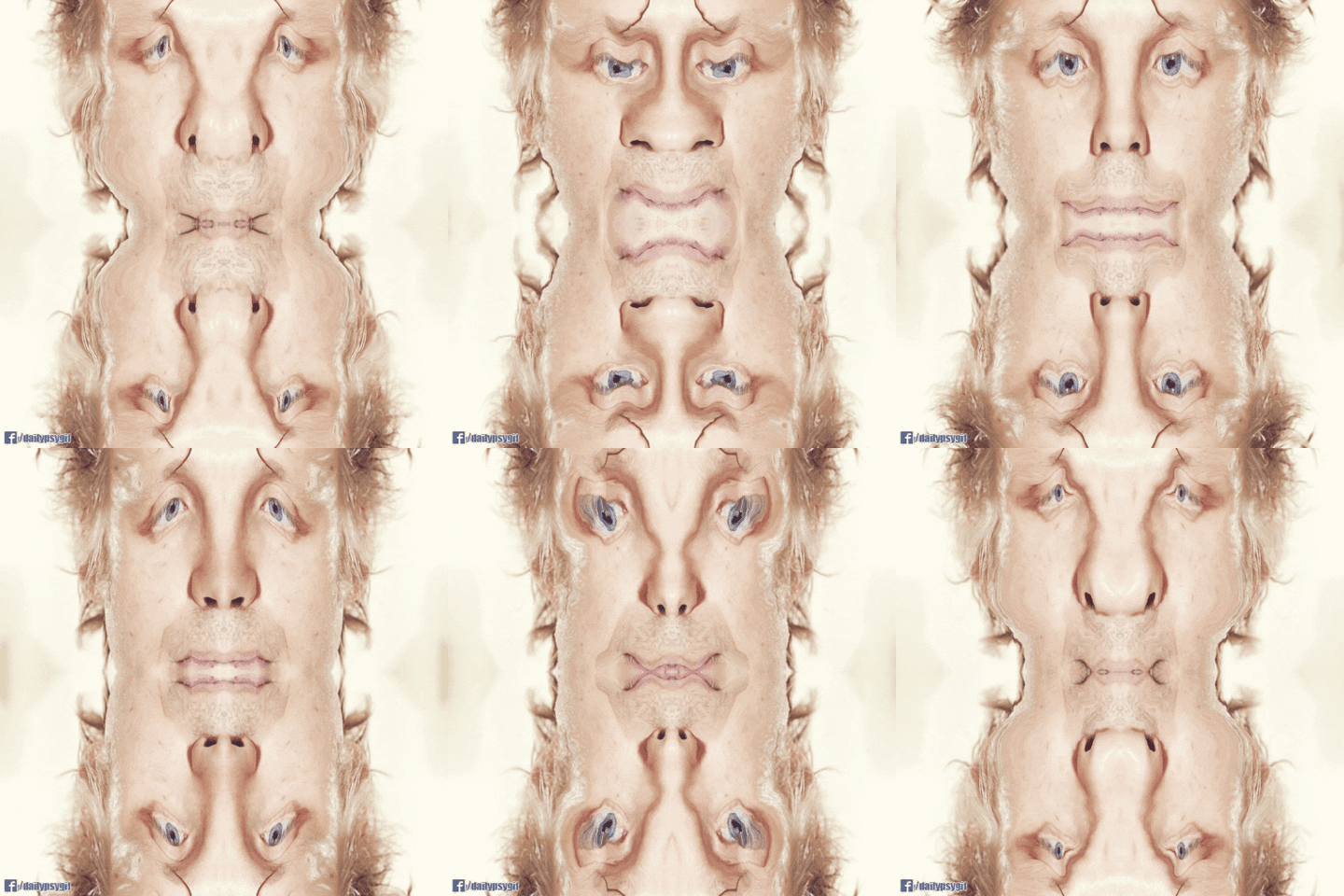
In contrast amplification, our brain (specifically the occipital lobe) processes the faces and compares it to a ‘normal/average face.’ Additionally, the second face is always compared and contrasted against the differences of the first face, leading to amplification of certain facial features (eg. big eyes appear bigger, facial asymmetries appear more asymmetric).
Finally, in rapid adaptation, because the occipital lobe/visual system is recalibrating and adapting too fast, the brain overcompensates for the sudden changes (as when the faces are flashed rapidly in sequence) and this then leads to facial distortions that ultimately lead to the flashed face distortion effect.”
Mentalist Randy Charach tells Upworthy why exactly our brains create this distortion. He exclaims, “As a mentalist who manipulates perception and cognitive bias every night onstage, the Flashed Face Distortion Effect is one of my favorite examples of brain shortcuts.”
He then tells us exactly why it works. “Because you’re comparing each face to the one before it, your brain does this for time efficiency. It looks for differences, not specific features. So if a face stands next to a person with slightly larger eyes, a more pronounced jawline, or a bigger grin, your brain exaggerates the feature.”
He continues, “You see the stretched version of the actual picture as your visual perception system enhances contrast. Researchers term this hyper-exaggeration through rapid comparison. It’s how you perceive danger in your environment. It’s how I direct attention on stage. People think they’re seeing an entire picture. They’re merely seeing what’s most important to their brains.”