
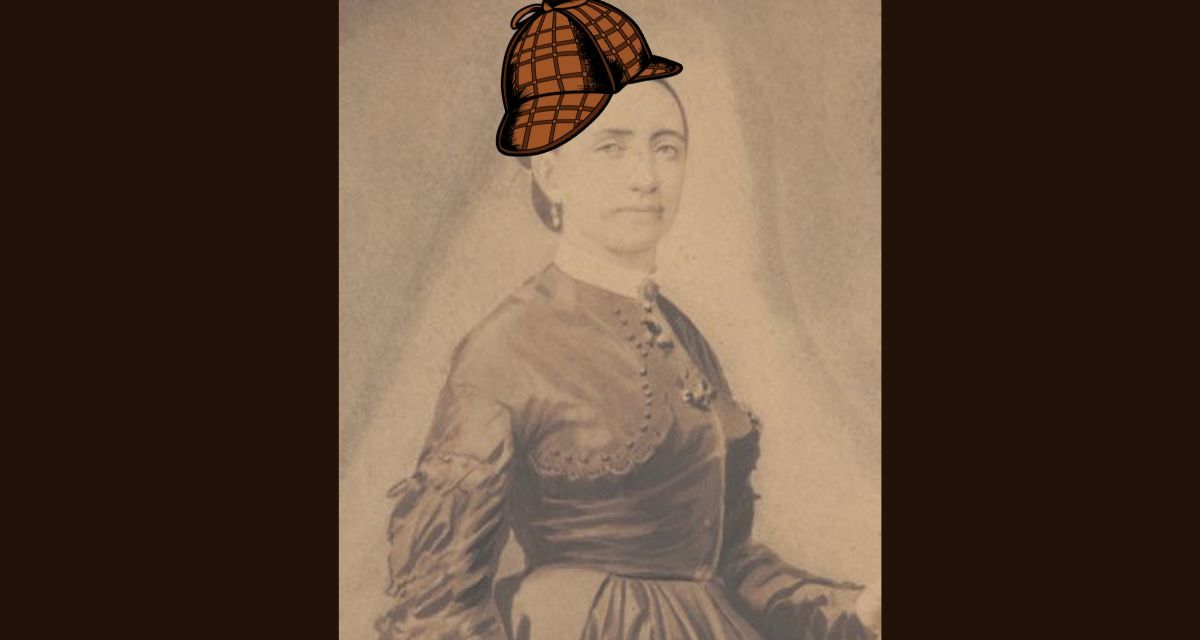
Sure, you’ve heard of Sherlock Holmes and Hercule Poirot, but have you heard of the very real female detective who uncovered would-be embezzlements, served as a war spy, and even thwarted a presidential assassination attempt?
A history-making job interview
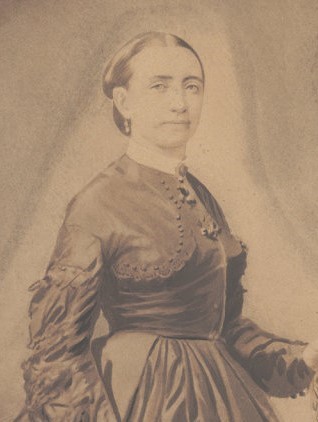
It’s unclear as to what inspired Kate Warne, then a 23-year-old widow, to answer an ad for a detective at Pinkerton’s Chicago agency in 1856. It was a particularly bold move considering the agency had never employed a female detective before.
But Warne insisted that her gender gave her a unique advantage. Because society viewed her as powerless, she could move about invisibly without raising suspicion. Plus, she could easily befriend other women whose husbands were suspected criminals, gaining their trust and tactfully “worming out” the secrets their partners shared with them.
Both aspects ensured Warne could access places her male counterparts would find impenetrable.
Pinkerton was won over by the argument and hired Warne. She went on to become not only America’s first female private detective, but one of the shrewdest sleuths of the 19th century.
Within her first two years, Warne’s skills were put to the test
She strategically befriended the wife of Nathan Maroney, a suspect in the $50,000 embezzlement case of the Adams Express Company, a freight and cargo company. Taking on the provincial charm of a Southern Belle from Alabama, she gathered enough evidence to link Maroney to the embezzlement and restore the vast majority of the stolen funds.
The victory was so well received that Pinkerton was inspired to create an entire female division in his detective agency headed, of course, by Warne herself. Many of the women in this Female Detective Bureau would go on to become Union spies.
She had a particular set of skills
Throughout her professional years, Warne became a master of disguise. Considering her first dream was to become an actress, this was fitting. Using various wigs, wardrobe changes, and dialects, she’d create different personas—everything from wealthy socialites to clairvoyants—and operated under different aliases depending on the spaces she was infiltrating.
And then came Baltimore
In February 1861, Warne would hit the biggest milestone of her entire career: thwarting an attempt to assassinate the newly elected Abraham Lincoln. After receiving a tip that there would be a planned strike on Lincoln’s journey to his inauguration, Warne reprised her Southern belle role from the Maroney case to find out more details.
Under the aliases Mrs. Cherry and Mrs. Barley, she won over the wives and sisters of the men intent on killing Lincoln. In doing so, she uncovered when and where the attack was supposed to take place: Baltimore, between Lincoln’s arrival on Calvert Street and his departure on Camden St.
Warne then accompanied Lincoln aboard an overnight train which would arrive in the city in the wee hours of the morning. Warne took on the role of devoted caregiver for her “invalid brother,” aka Lincoln. This garnered sympathy from the train conductor, securing privacy and safe passage for the president-elect.
Unfortunately, on April 14, 1865, when Lincoln was shot at the theater by John Wilkes Booth, Warne was assigned to different cases.
She deserves to be remembered
Warne’s life was also cut tragically short; she died in 1868 at the age of 35 due to pneumonia. In her obituary, she was lauded for her “great mental power” and hailed as both “an excellent judge of character” and the “best female detective in America, if not in the world.”
Warne built an extraordinary legacy by recognizing the assumptions people made about women and using that to her advantage. She also paved the way for other women to follow in her footsteps.
And, perhaps the most remarkable part, is that she did it all before women could even vote.








.jpg)