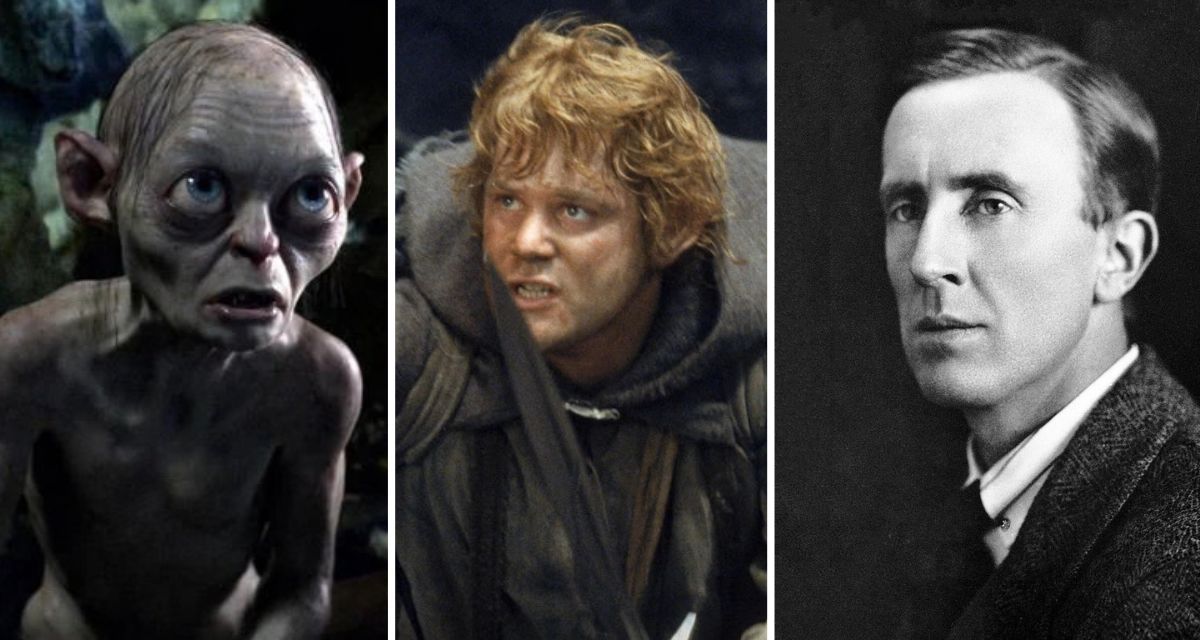
While there are many tragic moments in The Lord of the Rings trilogy, its author found one particular scene to be the most “moving” of all.
In a rare interview clip shared by the BBC, JRR Tolkien harkened back to the chapter “The Stairs of Cirith Ungol” from The Return of the King, where Gollum has been able to revert to his softer, kinder Sméagol persona. Quite literally, good is winning over evil. Hoping to repent, he looks tenderly at a sleeping Frodo and touches his knee.
Sméagol’s redemption arc cut short
However, when Frodo’s loyal, constant companion Samwise (who has never quite trusted Gollum) sees this, he rushes to Frodo’s defense, shouting, “Take your hands off!”
This, unfortunately, was all it took to break the doomed creature’s fragile chance at redemption, reverting him back to Gollum indefinitely and ultimately setting up the betrayal at Shelob’s lair.
A passage from this chapter reads:
“For a fleeting moment, could one of the sleepers have seen him, they would have thought that they beheld an old weary hobbit, shrunken by the years that had carried him far beyond his time, beyond friends and kin, and the fields and streams of youth, an old starved pitiable thing.”
Tolkien noted that this scene accurately depicted “the terrible irony that good often does evil.”
“That seems to be very true to life,” he added.
What might have inspired this scene
As a World War I veteran, Tolkien’s wartime trauma strongly influenced his writing. One defining episode that certainly could have inspired this tragic scene was the Christmas Truce of 1914, when German and British soldiers spontaneously stopped fighting, crossed into “No Man’s Land,” shared food, sang carols, and played football.
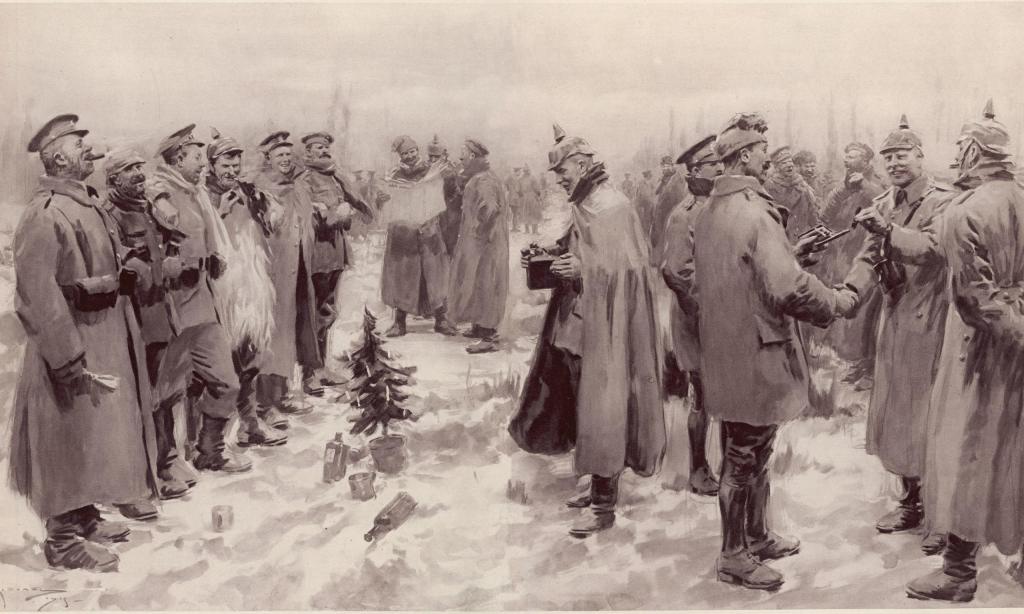
For a fleeting moment, these men, turned into brutal killing machines, returned to their former humanity. However, like Sam snapping at Gollum, the structural reality of the war forced them back into their roles as enemies the very next day.
The bigger takeaway
Of course, one need not be a war veteran to see “good doing evil” in everyday life.
Many of us have good intentions, and yet miss opportunities to show mercy and compassion when it’s needed most. Society, history, the media, and other forces can make it nearly impossible to see the humanity hidden in those we perceive as enemies.
True, there are terrible bad actors out there. But more often than not, real people can’t be ascribed as heroes or villains. We are all capable of acting from love and causing great harm, just as we are capable of making mistakes and choosing differently next time. When we stop seeing this nuance in others, we risk closing the door on their potential forever.
Tolkien understood that goodness isn’t simply about having the right intentions. His masterful grasp of morality’s gray areas is one of the many things that make his work so powerful and enduring.