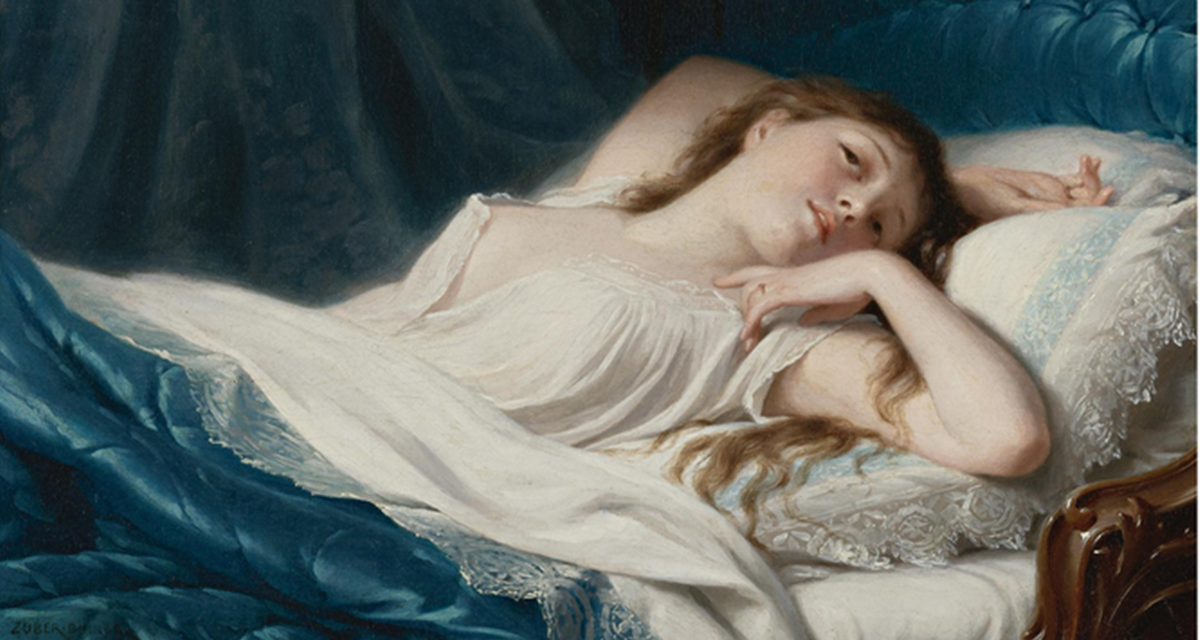
One of the unquestioned pieces of health advice we’ve heard for decades is to get eight hours of sleep every night, with the assumption that it should be as close to consecutive as possible. However, a fascinating discovery by historian Roger Ekirch in the early 1990s found that, as far back as recorded history and up until the Industrial Revolution, human beings slept in two distinct phases every night: “first sleep” and “second sleep.”
The wild thing about Ekirch’s study was that the evidence of biphasic sleep was staring us in the face the whole time; we just turned and looked the other way. Ekirch was researching a book on human nighttime behavior when he came across a 1697 legal document in a London record office. In a deposition by a nine-year-old girl, she revealed that her mother left the house after “first sleep” and was later found dead.
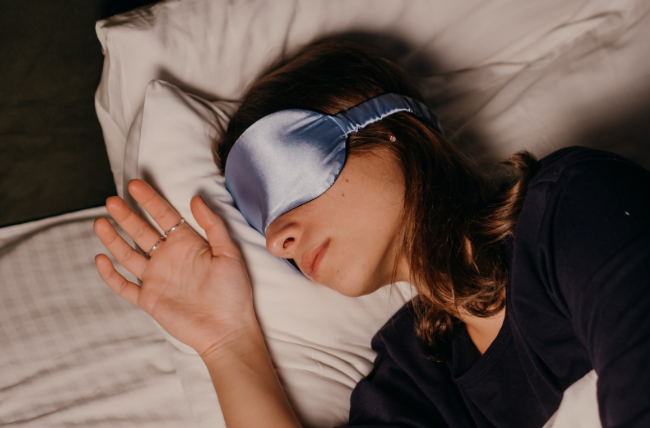
The first glimpse at “first sleep”
“I had never heard the expression, and it was expressed in such a way that it seemed perfectly normal,” Ekirch told CNN. “I then began to come across subsequent references in these legal depositions, but also in other sources.”
Further research revealed that first and second sleep routines date back as far as the 8th century B.C.E.
Historically, humans flopped onto their beds sometime between 9 p.m. and 11 p.m. and slept until around 1 a.m., followed by a period of wakefulness known as “the watch,” which was an incredibly productive time.
“[The records] describe how people did just about anything and everything after they awakened from their first sleep,” Ekirch told the BBC.
What you did during the watch depended a lot on your social status. Peasants would take the time to tend to their livestock or perform domestic chores. Religious people took the time to pray and practice their faith, as they would face fewer distractions than during daylight hours. The watch was also a great time for people to relax and talk to one another; for couples, it was the perfect time for intimacy.
Two sleeps a night is completely natural
A 1992 study by Thomas Wehr from the National Institute of Mental Health took a group of volunteers and removed all natural light from their lives so they could live like humans before the discovery of fire. Within weeks, every participant settled into a biphasic sleep pattern. Wehr measured their hormones during the wakeful period in the night and found that the participants produced elevated levels of prolactin, the same hormone released during meditation and after orgasm. This wakeful period wasn’t just a change in their sleep-wake cycle, but it was another state of consciousness altogether.
Why did human sleep patterns change?
So what happened? How did we switch from centuries of biphasic sleeping to sleeping in one long, uninterrupted chunk (unless, of course, you have insomnia)? One reason was that in major cities of the industrialized world, street lamps and other lights began to be installed in the 1700s to improve public safety, encouraging people to stay out later at night.
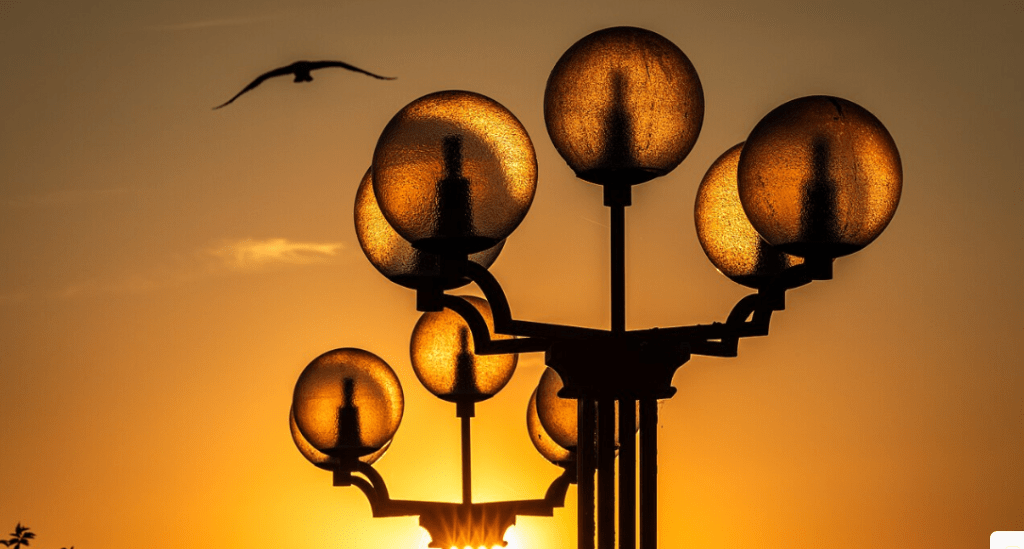
The Industrial Revolution also brought about changes in modern work schedules.
“The answer is really to follow the money,” Ben Reiss, author of Wild Nights: How Taming Sleep Created Our Restless World, told CNN. “Changes in economic organization, when it became more efficient to routinize work and have large numbers of people showing up on factory floors, at the same time and doing as much work in as concentrated fashion as possible.”
The invention of the alarm clock in 1787 also had a big effect on the average worker’s sleep schedule.
Ultimately, the history of biphasic sleep shows how much of humanity’s natural patterns have been disrupted by modern technology. One wonders what would happen to our collective mental and physical health if we returned to the way we slept before the Industrial Revolution.