We’re more distracted than ever, but it’s not necessarily our fault. Research reports that the sheer number of distractions vying for our attention at any given moment may be at an all-time high.
The reasons are many, from social media, to phones in general, to the rapid news cycle, to a workday that never ends.
Ironically, with unlimited tools and information at our fingertips, it can be hard to actually buckle down and get things done when intense focus is required. But the good news is that many studies agree our underlying attention spans are still OK. We just need the right environment to activate their full powers.
Study skills teacher shares special technique she uses ‘5 times every day’
Erin Meryl McGurk is a popular content creator and startup founder. She’s built an audience of more than 80,000 subscribers on YouTube and another 200,000 on TikTok with practical videos about discipline, focus, neuroscience, and more.
In a recent video, McGurk shared her “absolute favorite concentration hack that I use whenever I need to focus,” along with the neuroscience behind why it works.
It’s called the 3-2-1 method, and it goes like this:
3 minutes of somewhat intense physical activity. It primes your body and brain for focus and relieves restlessness or fidgetiness.
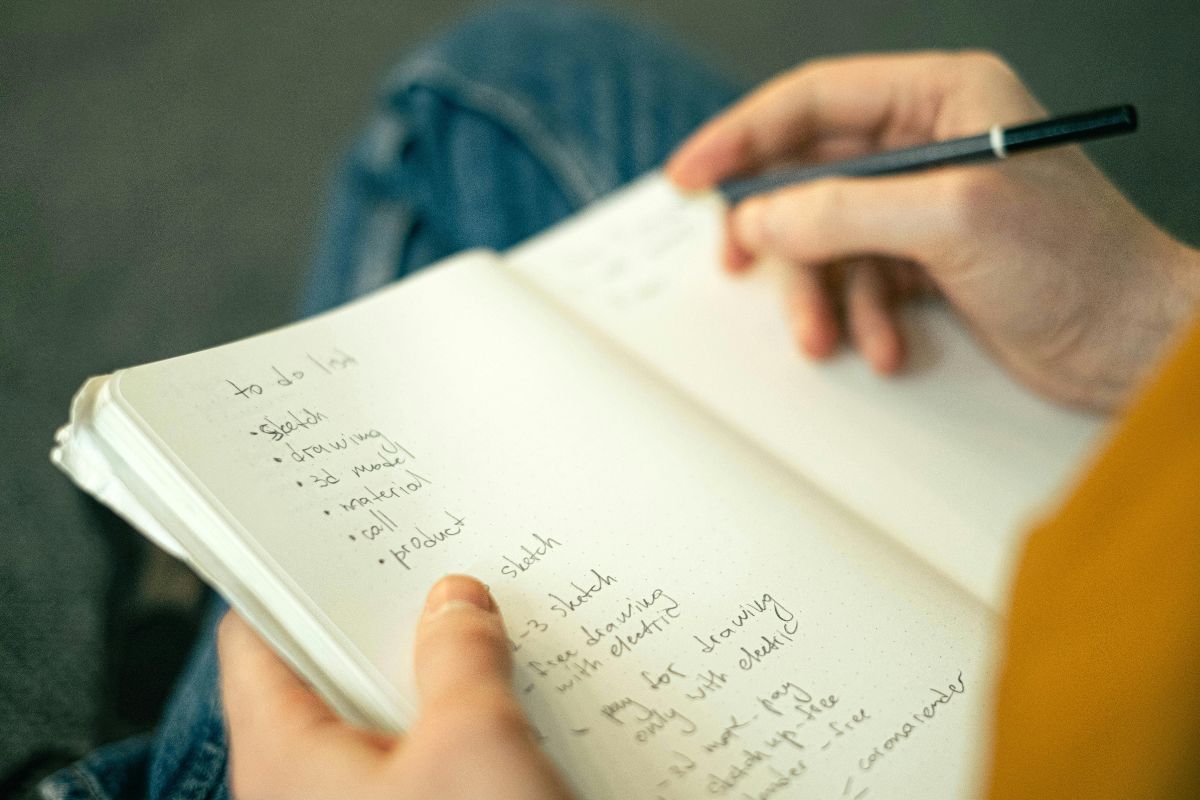
2 minutes of brain-dump journaling to clear the mind.
1 minute of detailed planning about what you hope to accomplish during your focus time.
And then you’re off and running.
The sequence takes six minutes in total. “You might be thinking, Erin, six minutes is a really long time,” McGurk says. “If six minutes is going to allow you to concentrate for three hours… it’s worth the six minutes.”
Why does the 3-2-1 method work?
McGurk says the technique isn’t willy-nilly or based purely on gut instinct. It was developed specifically to combat the main distractions that interrupt our concentration while we’re working or studying.
“Most people will get distracted by their phone and by other devices. This is because you have this ‘pinging’ tendency,” wherein we have a hard time not checking the nearest screen for a little hit of dopamine. The more we do it, the harder the habit is to break.
Next up is physical restlessness. “It manifests in your brain wanting to look at a thousand different things at once,” McGurk says. That’s followed closely by simply having too many thoughts swirling around in our heads for us to concentrate on one task.
The 3-2-1 method is specifically designed to attack these distractors.
“We’re going to start by spending three minutes moving. Number one, it’s going to be easier for you to sit down for a long time after having done some movement,” McGurk says. “Number two, this produces brain-derived neurotrophic factor.”
Brain-derived neurotrophic factor (BDNF) is a protein in the brain that promotes memory and learning. It’s also increased naturally by movement and exercise.
Two minutes of brain dumping, writing down nearly every thought in your head… “Doesn’t matter what it is, doesn’t matter how messy it is, you’re going to write it down on paper… You’re not just going to be thinking these things in your head, because you want to be externalizing these thoughts.”
With your body primed and your brain calmed, it’s time for one minute of detailed planning. “You’re going to be very, very specific in terms of ‘this is the work I’m going to get done.’” McGurk recommends setting what she calls a “content goal” versus a time goal, coming up with a measurable end point for when your concentration time can end. This should also be written on paper.
The other benefit of writing down your goal and your brain dump is that both documents become useful during the focus period. Any stray thoughts or tasks that come into your brain during concentration can be added to the brain dump, or “yap sheet,” as McGurk calls it. And the written planning goal can be referenced to keep you on track when your focus starts to fade.
Commenters try the method and weigh in
McGurk has thousands of dedicated followers who are eager to try her study techniques and productivity hacks. The 3-2-1 method was no different.
Here’s what her viewers had to say. Interestingly enough, many of them had found success with similar methods even before they’d heard of McGurk’s routine:
“I was procrastinating this morning and saw this. I followed it and had one of the most productive 3 hour blocks of my life and banged out what I had planned for an 8 hour day before 11. I will be trying again tomorrow.”
“I have unmedicated ADHD. Years ago, I started a note on my phone called BRAIN DUMP, and it has changed my life. Highly recommend.”
“This [stuff] really works. its how i finish writing a novel every 3 months. i walk around, do house chores, then i dump all my scattered thoughts into a basic .txt file and (mostly never open them again ever), and then i am writing for the rest of the day no problem.”
“I hadn’t done this so systematically but I have found that writing my distracting thoughts in my notes app on my laptop helps to reduce that sense of urgency you get when you think about something that you want to remember.”
3-2-1 is a popular framework for productivity hacks. McGurk’s routine is not to be confused with Mel Robbins’ popular 5-4-3-2-1 countdown (or 5-second rule), which urges people to count down from five and immediately take action to overcome anxiety and procrastination.
The beauty of McGurk’s 3-2-1 is that it can be applied to so many things: creative work, studying, your job, house chores, and more. Any time we need to focus for an extended period of time, it may be helpful to prime our body and brain before diving in.
The distractions and the swirling thoughts are inevitable. What we need are the tools for wrangling them when necessary.