In recent years, women have become more open about what happens leading up to and during menopause. As a result of this public sharing, younger women are learning about a shocking possible side effect of depleted estrogen: the shrinking, and in some cases the disappearance, of the labia.
As our parents prepare us for adulthood, some things slip through the cracks. We learn about puberty, how babies are conceived, and then the conversation stops. One area with a large information-sharing gap is the process of menopause. This lack of information puts both women and the people who love them at a disadvantage. It can leave people confused and frustrated.
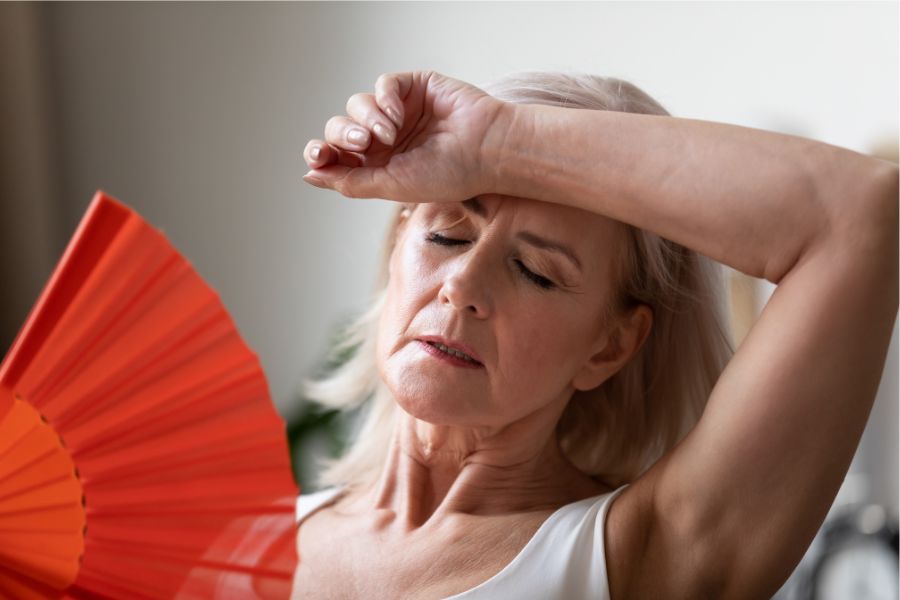
Perimenopause, which is the time leading up to menopause, is not a short process. Hormone levels can begin to fluctuate widely as early as a woman’s 30s. At the same time, the average age of menopause is about 51, though it can occur as late as 60, according to the American Medical Association.
The Cleveland Clinic explains that “Menopause is a point in time when a person has gone 12 consecutive months without a menstrual period.” It is a natural part of the aging process for women, but for decades, if not centuries, the menopausal experience has been shrouded in coded language and silence. Not anymore.
The habit of Millennials seeking community in online spaces is opening the blackout curtains on the taboo subject. This has led to honest conversations about what happens when women go through “the change,” and the revelation about shrinking labia is causing a bit of panic.
Labia are the outer visible anatomy of the female genitalia, consisting of the labia minora and labia majora. This tissue protects the urethra, vaginal opening, and other sensitive areas from infection and friction, Dr. Somi Javaid, OB-GYN and founder of HerMD, tells The Flow Space.
So the idea of losing them due to a lack of estrogen has some women calling for a timeout as they try to process this previously unheard-of information. Several of these women took to social media to seek clarity and support.
“So nobody was going to tell me that one day I could lose my coochie lips?” one woman asks in an Instagram video. “That one day, my bean could just decide to clock out for the rest of my life? Why aren’t the older women sharing with us? Why aren’t the elders sharing this with us, cause this lady got on here and said if you start your estrogen early when you first go through menopause, you can save your lips.”
“I just saw this post of this doctor lady explaining that your labia minora grows during puberty, and then you lose it in menopause,” another concerned woman says in a TikTok video. “Come again? You’re telling me…is it…where does it go? Where is it gonna…does it just…I have so many questions. Does it just…one day I’m gonna wake up, and I’m gonna have no labias? Does it slowly disappear?”
These were not the only people concerned. Video after video showed women, and some men, flabbergasted and concerned about the mystery of the disappearing labia. Commenters were equally freaked out. All of this open confusion and fear created a perfect learning opportunity. OB-GYNs, urologists, and other medical professionals took to their own platforms to ease people’s stress about the process.
Dr. Sally Doust, a women’s health specialist, explains:
“So yes, the labia can shrink around menopause, and this is because estrogen levels are dropping, and this affects the tissues. The good thing is, you can prevent it. Start vaginal estrogen really early, as soon as you start to notice any of these changes, and it improves blood flow, elasticity, and lubrication, relieves dryness and soreness.”
Doctors and nurses online continue to reassure viewers that, while it sounds scary, vaginal estrogen can prevent it. One urologist explains that after women go through menopause, their estrogen levels are lower than those of men. This drop in estrogen causes structural changes in the labia, which can also lead to adhesions and pain.
“Let’s be clear: you do not lose your labia, but the tissues do undergo significant and visible changes,” says Dr. Mary Claire Haver, a menopause specialist. She adds, “The labia minora may shrink, flatten, or adhere to adjacent tissues. The labia majora can sag or retract due to tissue thinning.” She also says that prescription estrogen is the only way to prevent the issue.