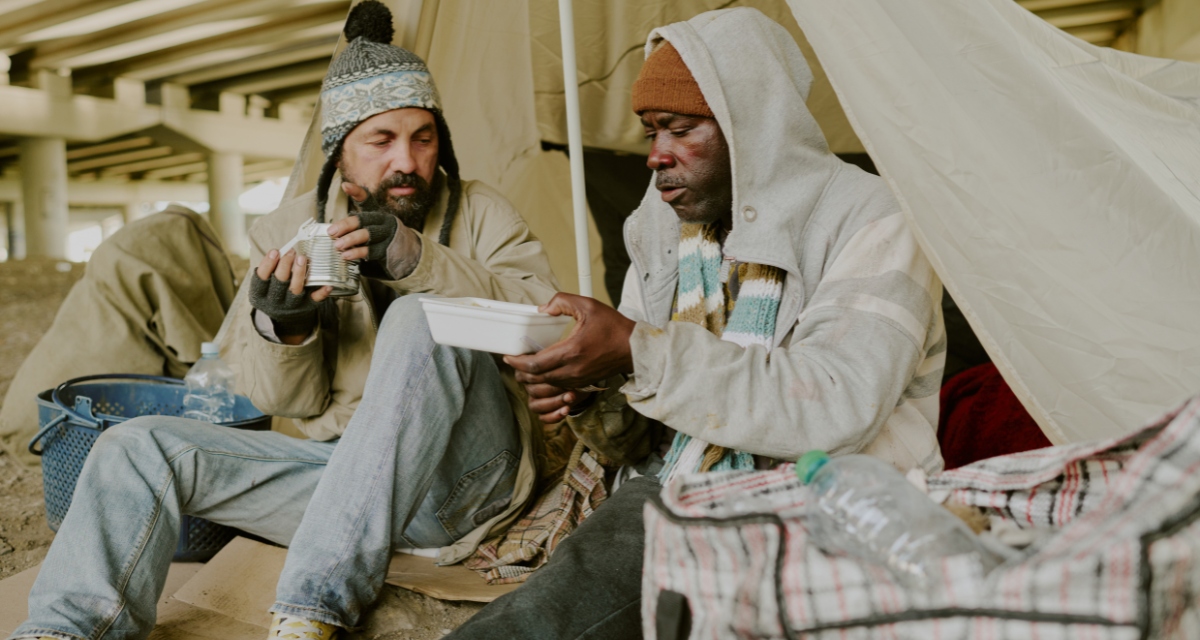
Homelessness continues to be a rampant problem in the United States. During COVID, homeless shelters across the country were shut down, which led to an influx of tent cities. Then, in late 2022, New Haven, Connecticut began tearing down the tent cities, leaving already vulnerable people with nowhere to go.
A local couple who had been feeding the homeless for decades decided to add providing a safe place for people to sleep to their mission. Mark and Luz Colville began using their home, Amistad House of Hospitality, 30 years ago as a refuge for people who were without homes. They provided them more than just hot meals; they also provided companionship when they’d leave their tent city to visit the Colvilles.

Photo Credit: Canva
A poor solution to a growing problem
In response to complaints about the unsightliness of tent cities, New Haven took action to remove them, which sent its residents into a panic. People don’t always realize that when tent cities are destroyed, all of the people’s belongings are tossed into dumpsters. This isn’t just clothing and blankets, which are expensive to replace on their own. These tents also include things like birth certificates, ID cards, pictures, and memorabilia from a lost loved one. It’s the equivalent of someone coming into a subdivision, going from home to home, and throwing everything inside into a dumpster.
The experience would leave anyone reeling. So, when the couple heard that tent cities were being torn down, they wanted to find a way to stand in the gap. That’s when they opened up their backyard for people to “camp” before the city forcibly removed their tents. It quickly turned into a community effort that involved the erecting of tiny homes to replace tents, a resident leader, weekly visits from volunteer medical staff, and eventually a fight with the city.
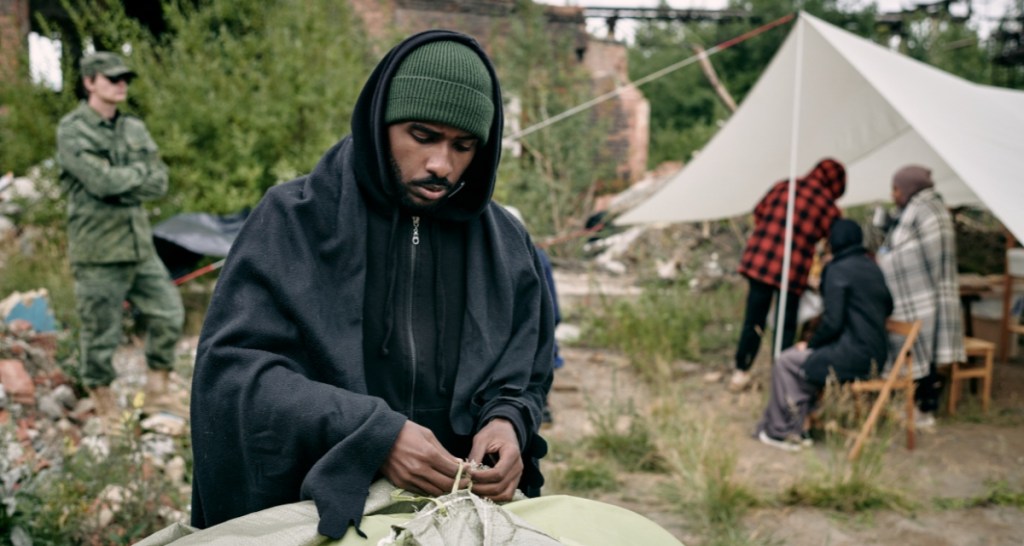
Photo Credit: Canva
Filling in the gap
Erik K. Swanson, a documentary maker who shares his videos on YouTube, visited the backyard village multiple times over seven months. He shared about everything in a mini-documentary titled, They Let Homeless People Live in Their Backyard. The documentary covers how the Colvilles got started and why they now only have two residents left.
The backyard community has been around for three years, but the strategy was piecemeal. Still, the project born from a passion for helping thy neighbor was thriving. One of their new residents, Beau, tells Swanson through tears, “It made me think that there is people that care, and don’t look at a homeless person like, ‘Oh that’s one of them people, or there’s the scum of society.’”
Other backyard residents have been there for more than two years, which has proved to be a complicated position for the homeowners. According to Luz, the tiny village was supposed to be a soft landing place while people got on their feet. She expected the residents to stay temporarily while continuing to look for work and a permanent home, making room consistently for new people who needed a hand up. But that’s not what happened, and it began to cause a strain in her multi-decade marriage. A difficult decision had to be made.
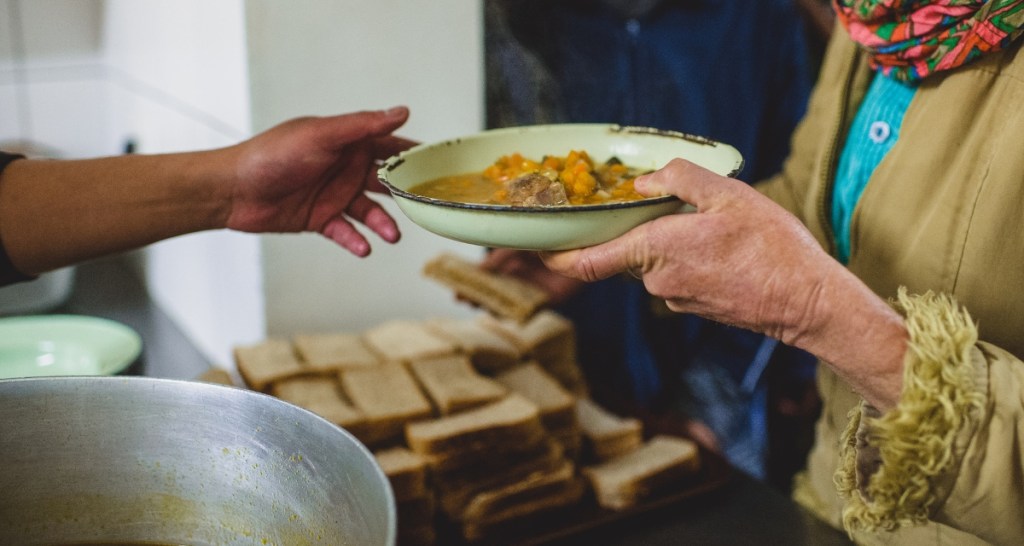
Photo Credit: Canva
Looking Ahead
All of the residents, except the two new residents, were given notice to vacate. They weren’t expected to leave right away, but were given 30 days—which was then extended an additional three months. In the end, all of the long-term residents left, leaving only two people in the Rosette Neighborhood Village. Luz and Mark are not planning to close the village permanently, but are hoping to create a structure that still provides much-needed assistance with a plan for residents to find permanent housing.
The backyard community never claimed to be perfect. Mark and Luz Colville were filling an overlooked need for the homeless population. For now, the couple plans to continue, but their doors are closed to new residents until the details are worked out.