
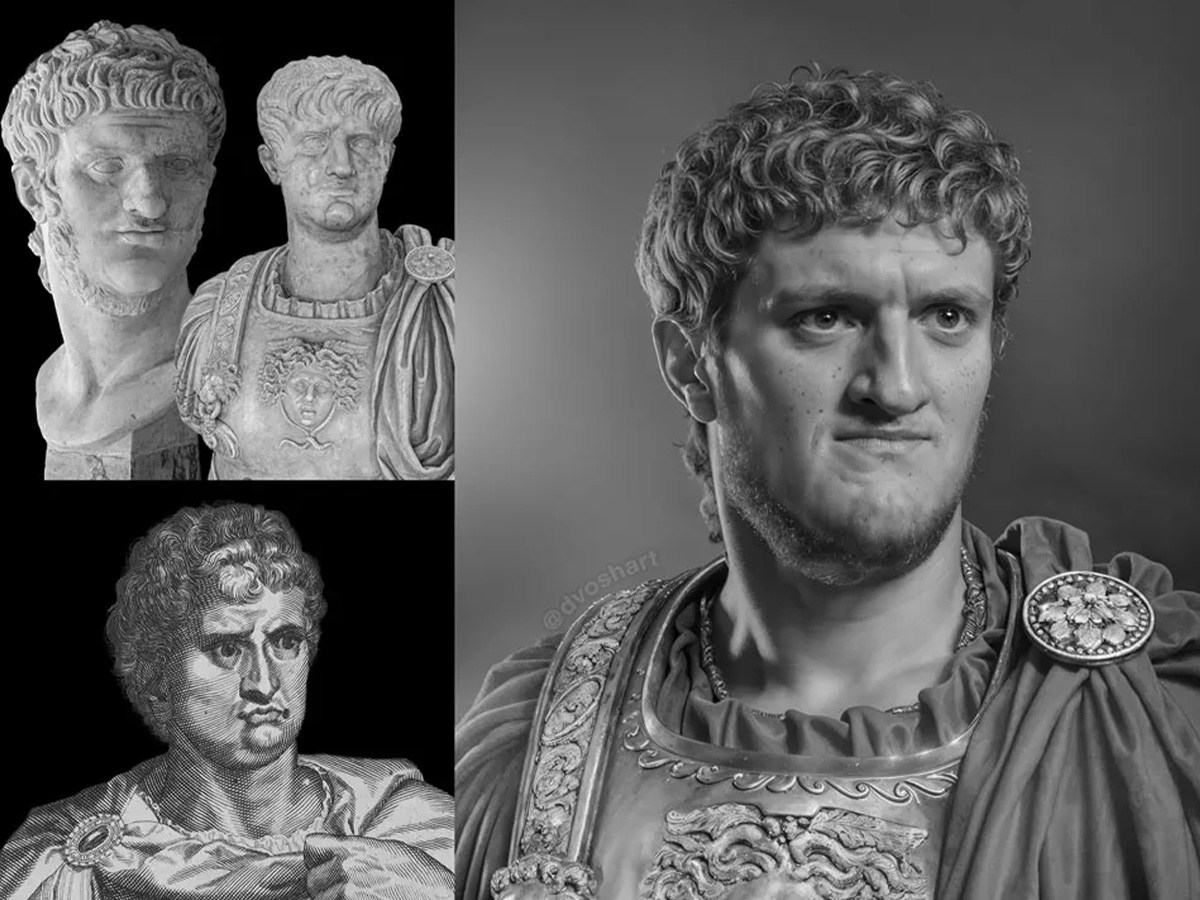
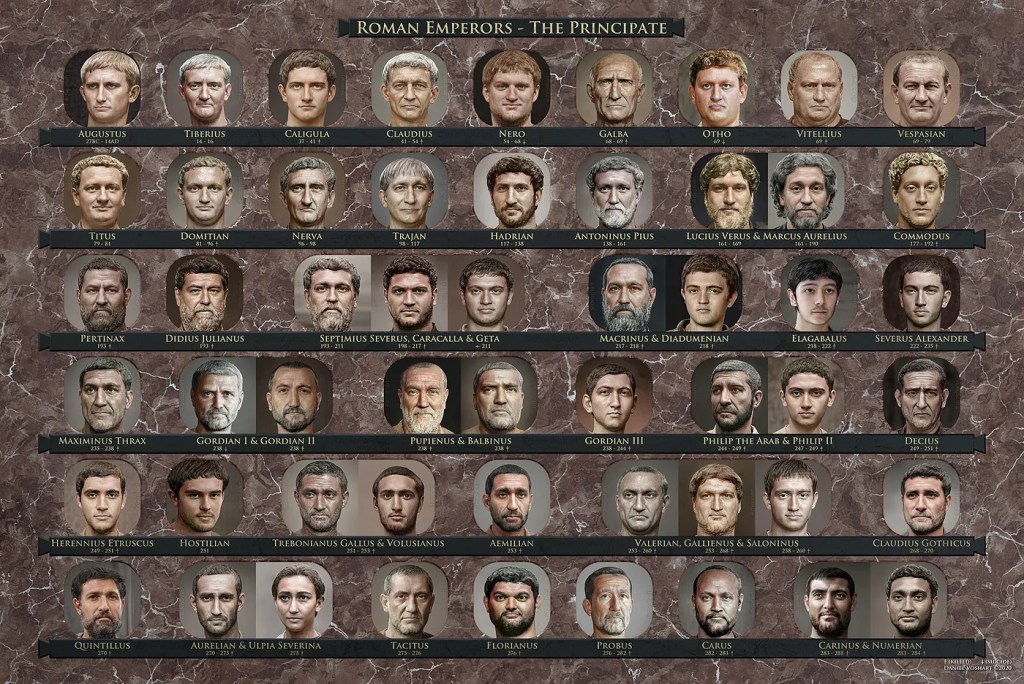
Canadian designer Daniel Voshart brought ancient Roman emperors to life through realistic digital portraits. He used historical sculptures and other evidence as a foundation to recreate their faces with striking detail. Some of these emperors, who lived nearly 2,000 years ago, look like people you might encounter on your morning commute today.
Voshart’s Roman Emperor Project began in 2020, when he started creating photorealistic digital interpretations of Roman rulers. The project grew to include 54 emperors of the Principate (27 BC to 285 AD), giving viewers a vivid interpretation of some of history’s most powerful faces behind these marble sculptures.
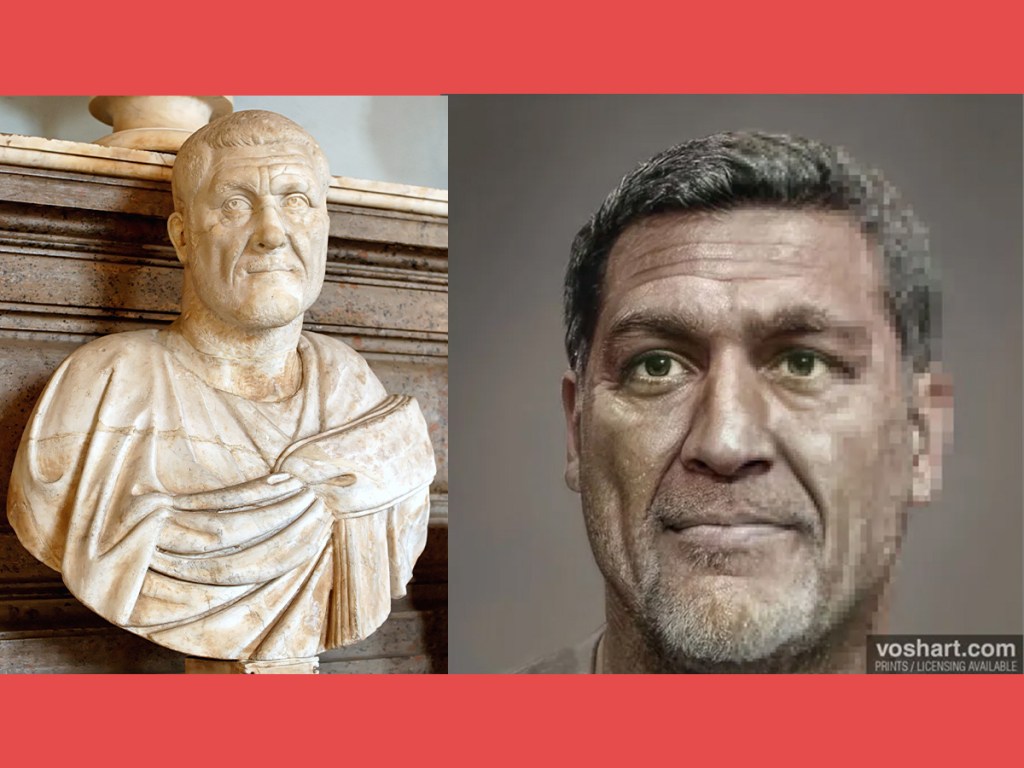
Reimagining the faces of Ancient Rome
Voshart told Upworthy that he didn’t begin the project with a particular fascination with Roman history. He believes that an open outlook may have helped his approach.
“The project started, and I had no particular interest in any Roman emperor, and that maybe gave me an advantage in having little bias in what they looked like. I was only [focused] on things that could affect their appearance. I didn’t have time to study them as people.”
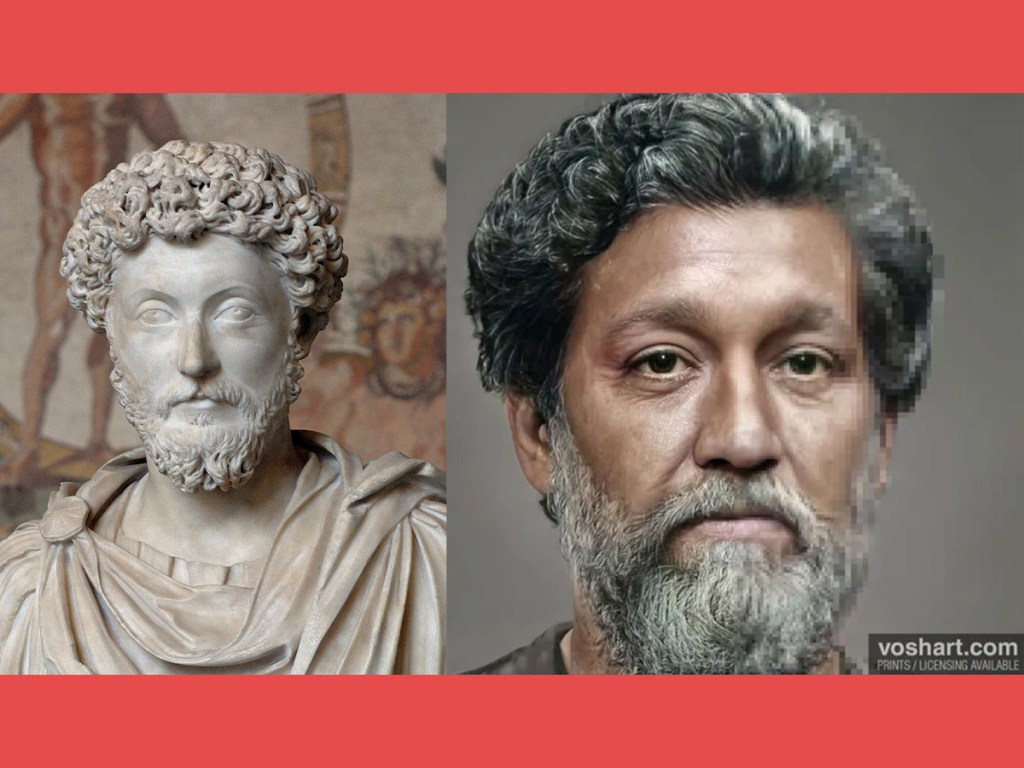
Rather than focusing on the emperors’ personalities or reputations, Voshart focused on information that could influence their physical appearance.
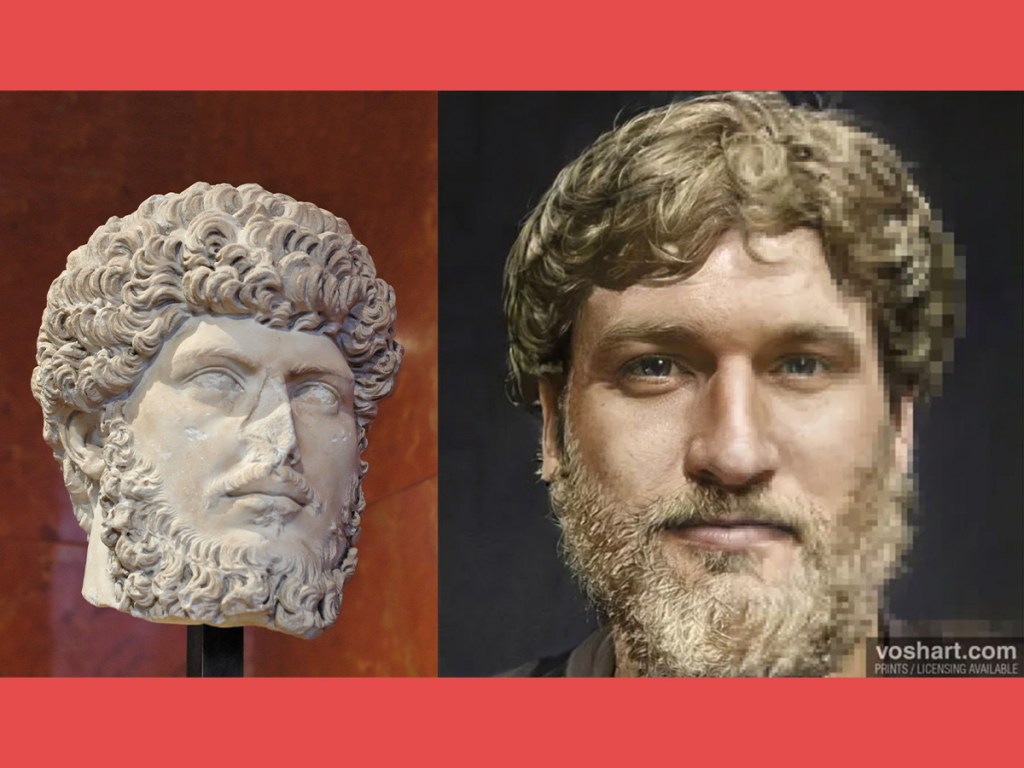
Among some of the rulers he recreated were Marcus Aurelius and his adopted brother Lucius Verus, who ruled the Roman Empire together. Wars and a devastating epidemic marked their joint reign from 161 to 169 CE.
How accurate were these Roman sculptures?
One challenge in recreating the faces of people who lived centuries ago is determining how closely surviving sculptures resemble their subjects.
Roman portraits weren’t always intended to be perfectly accurate. According to The Metropolitan Museum of Art, some were idealized, depicting emperors in ways that may not have reflected their age or physical appearance at the time.
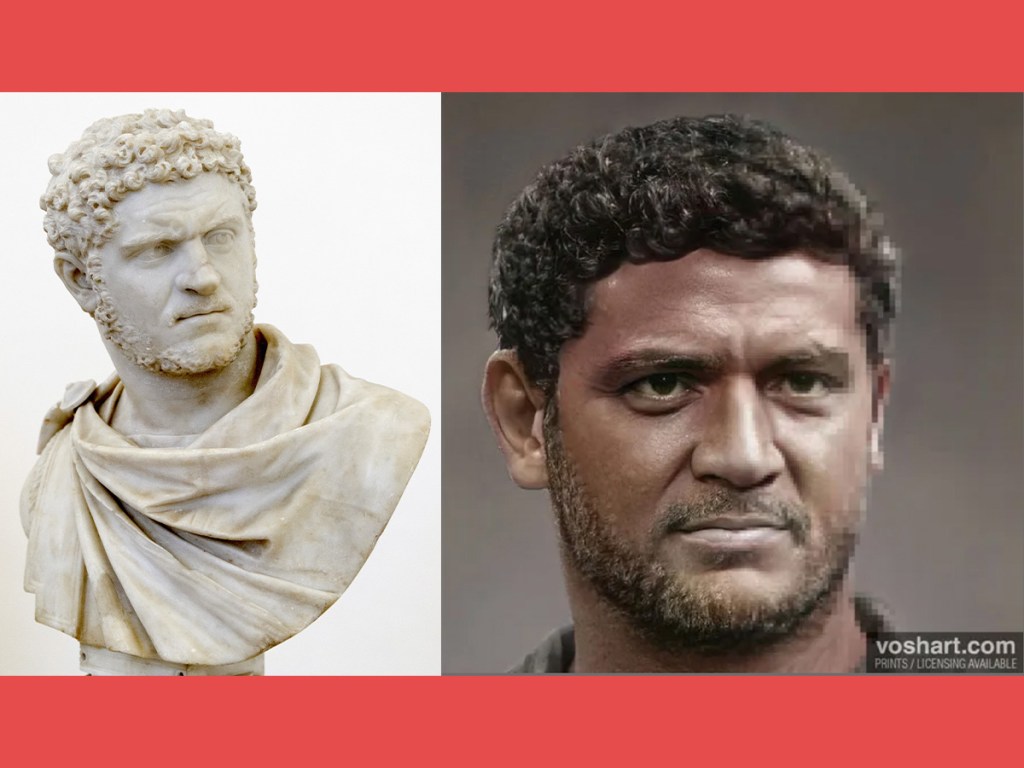
Voshart discovered that knowing when certain sculptures were created and the emperors’ actual ages could change how he interpreted their faces.
“You learn in school that portraits are ‘idealized,’ and learning when some sculptures were made and the true age of the emperors at the time lets you almost taste the vanity that was at play. So an uninformed portrait would just be a repetition of a historical fiction.”
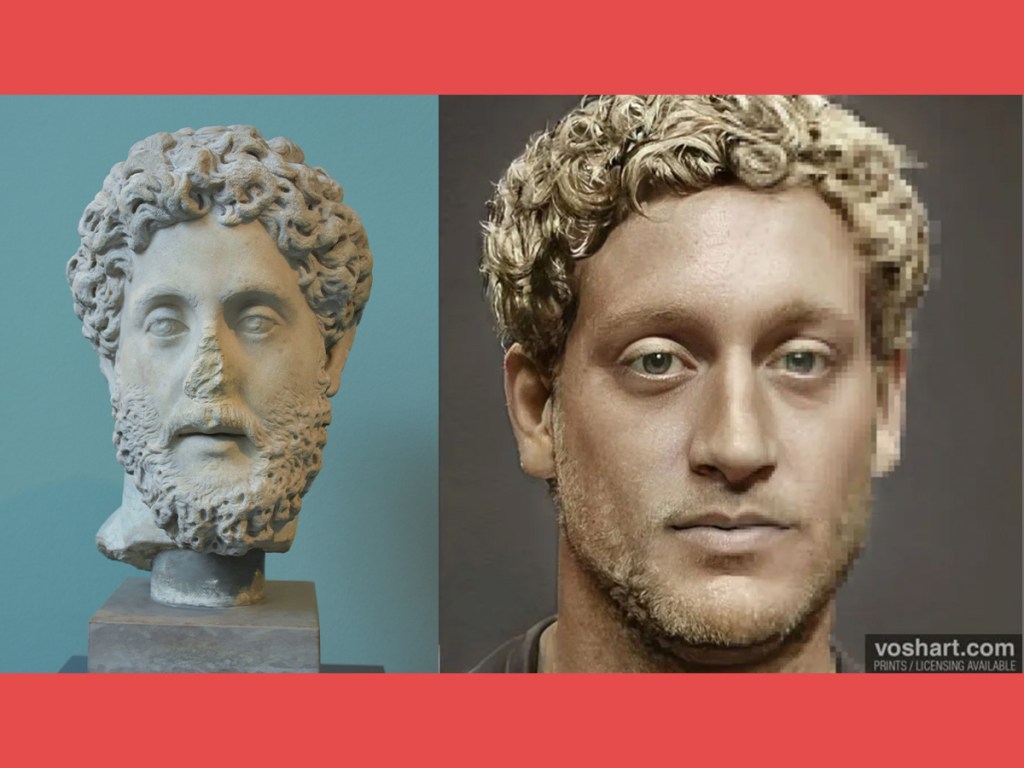
Other details present different challenges. Marble sculptures can preserve facial features and hairstyles, but they don’t necessarily reveal someone’s natural hair or eye color.
An emperor’s birthplace and ancestry, however, could offer clues to help guide his interpretations.
The resulting portraits are recreations rather than definitive representations. Still, adding realistic skin, hair, and eyes makes the faces feel much more familiar than their marble counterparts.
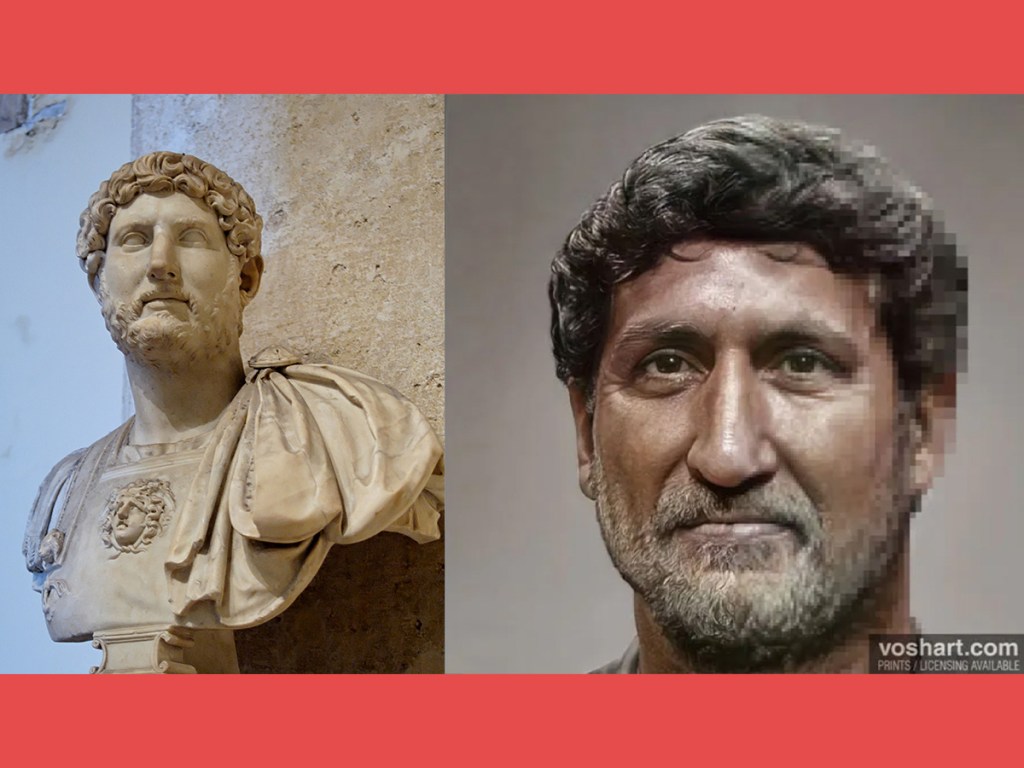
Some of these faces look awfully familiar
One of the more entertaining things about Voshart’s collection is how easily some of the emperors could probably blend into modern life.
Hadrian’s beard and closely cropped hair wouldn’t look that unusual today. Marcus Aurelius, with his thick curls and full beard, could easily be mistaken for someone posing for a contemporary portrait.
Voshart has even spotted a few “emperors” who look familiar in his everyday life.
“Occasionally I’ll be on transit, and I’ll eye someone who is a dead ringer for an Emperor. I’ve always stopped myself because, on further consideration, it wouldn’t be a compliment,” he shares.
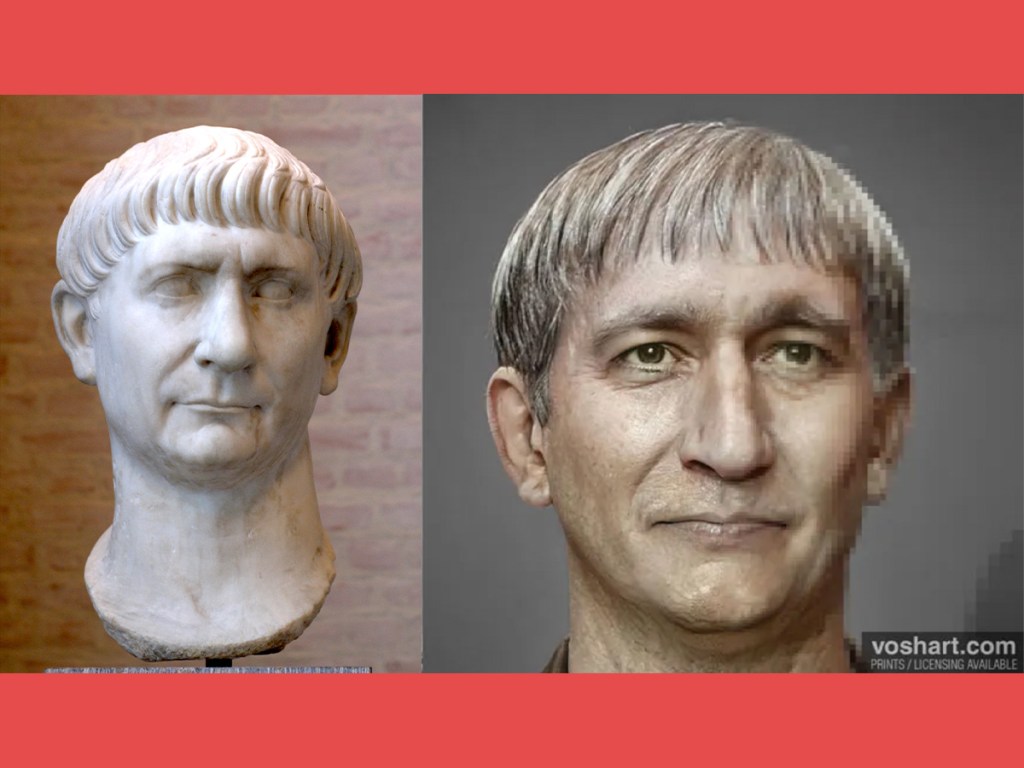
See more of Voshart’s portraits at voshart.com.









.jpg)

