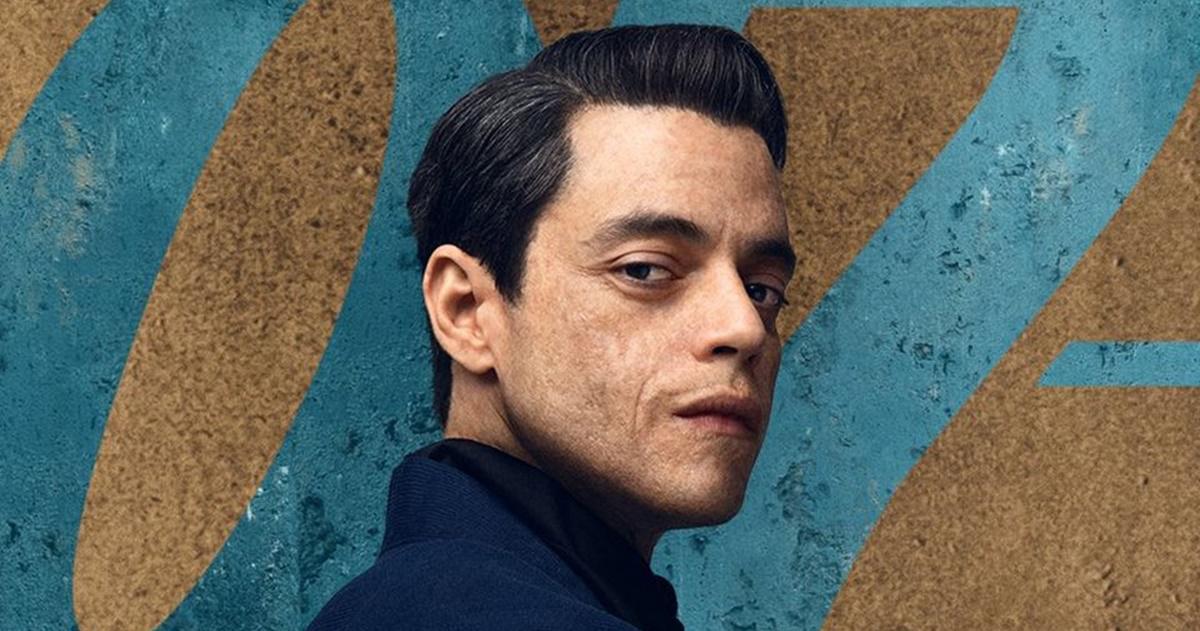
One of the longest-running tropes in popular entertainment is having a villain with a scarred or disfigured face. Try to think of a horror film where the bad guy doesn’t suffer from some sort of disfigurement.
Candyman has a hook. Freddy Krueger is severely burned. Jason from “Friday the 13th” is bald, burned and disfigured beneath the hockey mask.
It’s also popular in science fiction and adventure films. Darth Vader has to wear a mask to hide his deformity. In Tim Burton’s 1989 “Batman,” Jack Napier becomes The Joker after having an acid bath that leaves him with a bizarre grin. The bad guy in “The Lion King” is named Scar after a mark on his face.
One film franchise that has relied on the disfigurement trope for far too long is James Bond: Raoul Silva with a deformed jaw in “Skyfall,” Le Chiffre’s disfigured eye in “Casino Royale,” and Alec Trevelyan’s scars in “GoldenEye.”
Now, in the latest Bond adventure, “No Time to Die,” 007 faces two villains with facial differences, Rami Malek’s Safin and Christoph Waltz’s Blofeld.
Author and disability advocate Jen Campbell called out the Bond franchise in a recent viral tweet thread: