In the United States, the 1880s and 1890s were a time of westward expansion. Thanks to the Homestead Act that was passed during the Civil War on May 20, 1862, Americans could claim 160 acres of surveyed government land to cultivate and settle on for just a minimal filing fee.
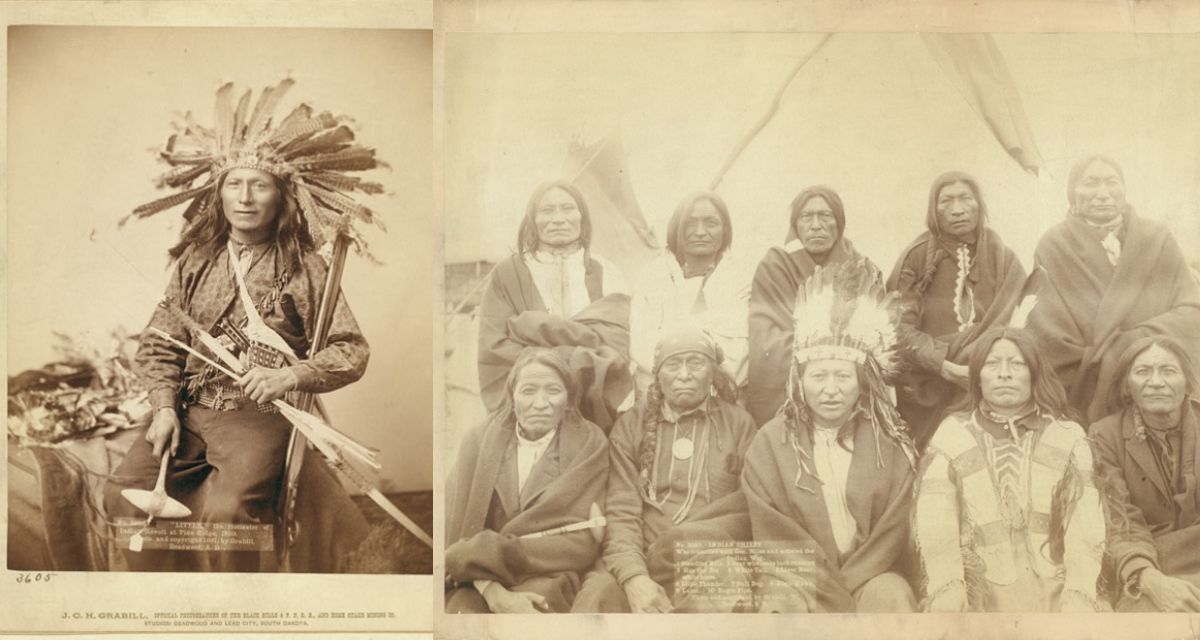
As Americans headed west, photographer John C.H. Grabill did the same. Along the way, he documented the impact of westward expansion and, consequently, what was happening between the U.S. military and Native Americans (specifically the Sioux) in South Dakota and Wyoming.
Grabill captured 188 photographs that included intimate and captivating portraits of the indigenous people—offering modern day Americans a glimpse of their existence and experience.
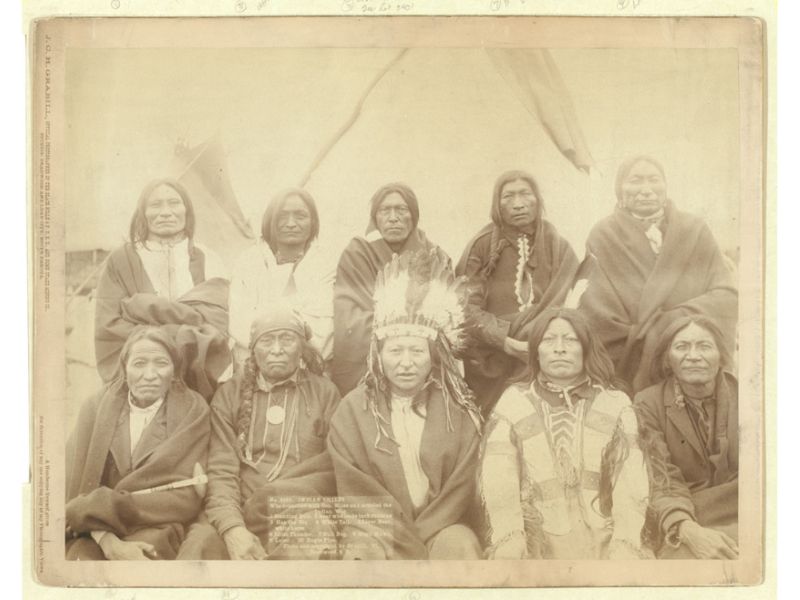
Photo Courtesy: Library of Congress.
Who was John C.H. Grabill?
Not much is known about Grabill. According to the Library of Congress, he first set up a western studio in 1886 after he went to Sturgis, South Dakota. Grabill also had studios in Deadwood, Lead City, and Hot Springs, South Dakota, as well as in the state of Colorado and possibly in the city of Chicago.
In an article published in the Sturgis Weekly Record (according to the South Dakota State Historical Society), they wrote of Grabill: “He takes pictures by the instantaneous process altogether, needing only an exposure of an hundreth part of a second and all the lines of the picture are as clear and distinct as if an exposure of a minute had occurred. He is in the front rank of advanced photographers.”
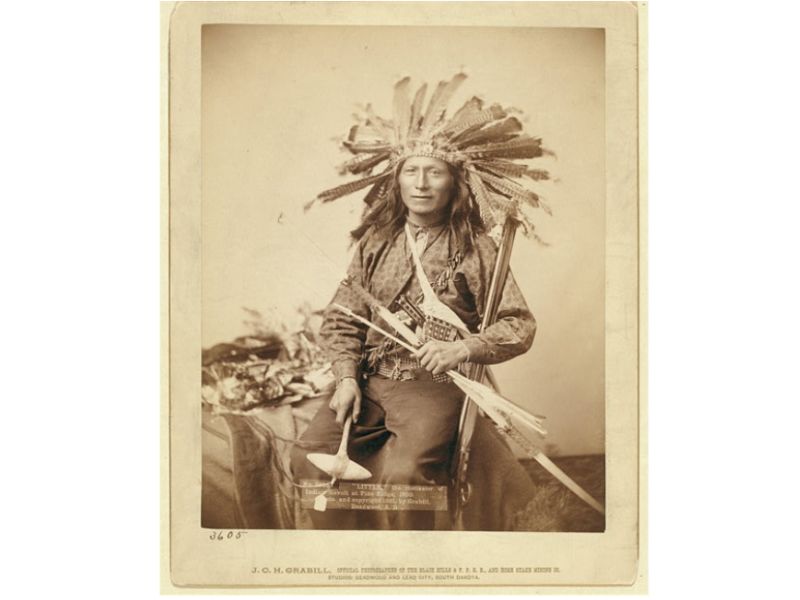
Photo Courtesy: Library of Congress
He lived in the Black Hills area of South Dakota from 1886-1891, where “using a photographer’s cart, he also traveled around the Hills and surrounding plains, taking photographs of Indian and military life, ranching scenes, mining towns and works, and railroad construction.”
Later in life, he struggled with his mental health and was institutionalized.
Grabill documents the American West
In addition to photographing Native Americans, Grabill famously took portraits of American cowboys, gold prospectors, railroad engineers, Chinese immigrants, and American military men during his time out West.
Grabill also photographed American soldier and performer William “Buffalo Bill” Cody. (View the entire collection here.)
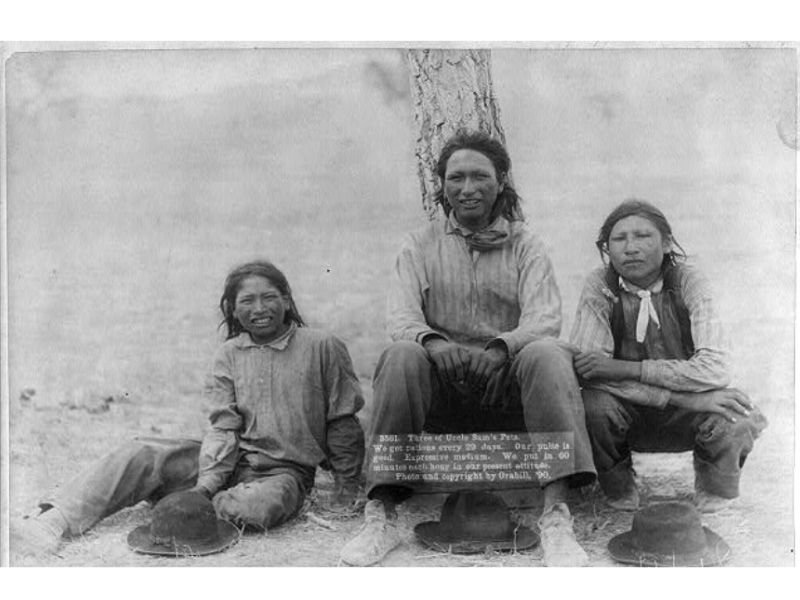
Photo Courtesy: Library of Congress
Specifically, he documented the conflict between the United States military and the Sioux (Lakota) Native Americans, according to the South Dakota State Historical Society. Tensions had been rising since the 1850s as the Sioux began to cede land to the the U.S. government.
Years later, Grabill captured photos of the Sioux people who had been moved onto reservations by American military forces, where they lived in traditional tipis and cabins. The largest was Pine Ridge Reservation, which “housed about 4,000 people, at least 3,000 of whom were women and children.”
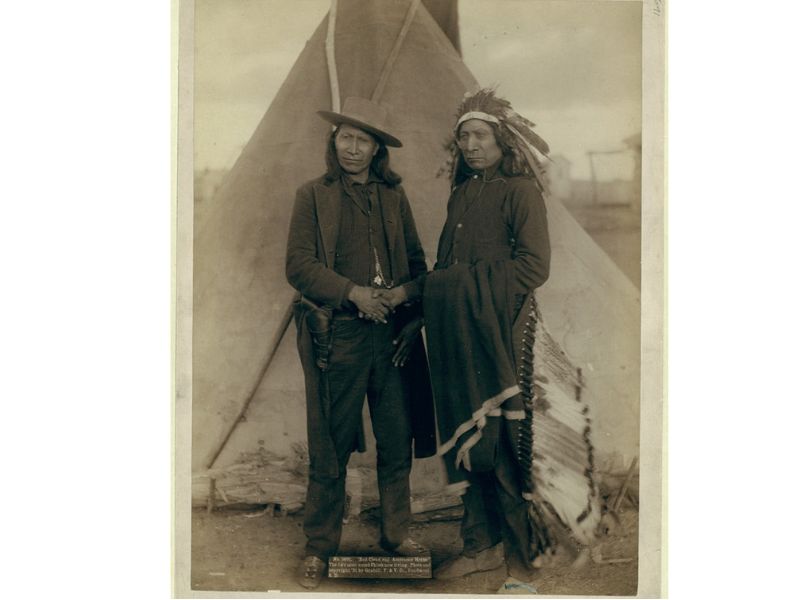
Photo Courtesy: Library of Congress
He also took staggering portraits of Native American warriors and leaders.
Grabill is also known for his photos taken at the Pine Ridge Reservation immediately following the Battle of Wounded Knee on December 29, 1890. Hundreds of Sioux men, women, and children were killed by the Seventh U.S. Cavalry Regiment.
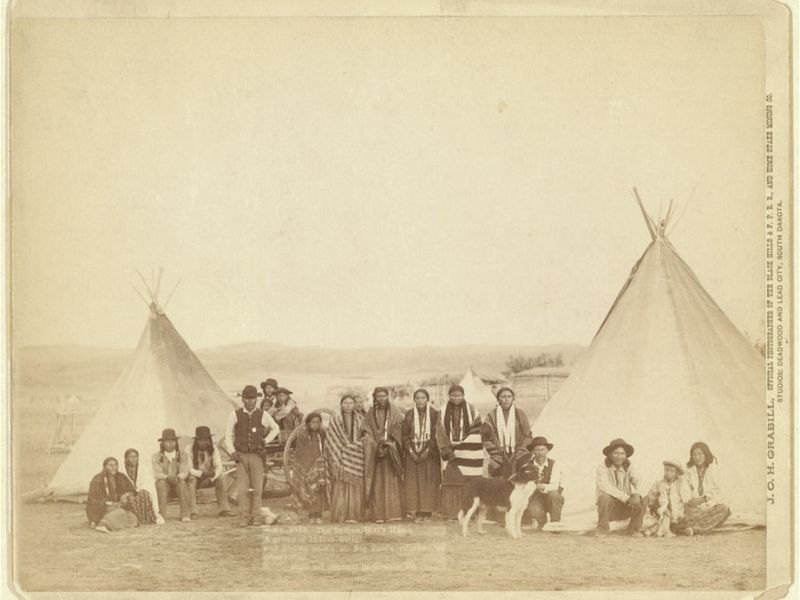
Photo Courtesy: Library of Congress
Grabill’s photos depicting the people during this stretch of American history remain preserved to enlighten, educate, and witness generations later.