
When people fantasize about going on vacation, they often picture themselves on a beach somewhere, probably with a cocktail in hand, enjoying the sunshine as the waves roll over their feet. They want to relax without feeling compelled to do anything stress-inducing while spending time with loved ones.
It’s not a bad thing to fantasize about; however, a landmark scientific study in the 1980s by Hungarian-American psychologist and author Mihaly Csikszentmihalyi found that people aren’t happiest while relaxing, whether on a beach, in front of a TV, or on their patio with a cup of coffee. In fact, we are happiest when focused on a task that takes us out of our comfort zone.

When are people the happiest?
“The best moments in our lives are not the passive, receptive, relaxing times… The best moments usually occur when a person’s body or mind is stretched to its limits in a voluntary effort to accomplish something difficult and worthwhile,” Csikszentmihalyi wrote in his 1990 classic, Flow: The Psychology of Optimal Experience.
To find out when people were truly happy, he gave beepers to thousands of participants. They included factory workers in Chicago, American teenagers, women in Korea, and farmers in the Italian Alps. (For those of you younger than 40, beepers were small devices you could call and would create a signal for the other person to respond.) When the participants were randomly beeped, they wrote down what they were doing and how they were feeling.
The unexpected finding was that when people were relaxing, they were less likely to be happy. But when people received a beep while they were highly focused and devoting all their “psychic energy,” they were more likely to be happy.
‘Optimum experiences’ make people happy
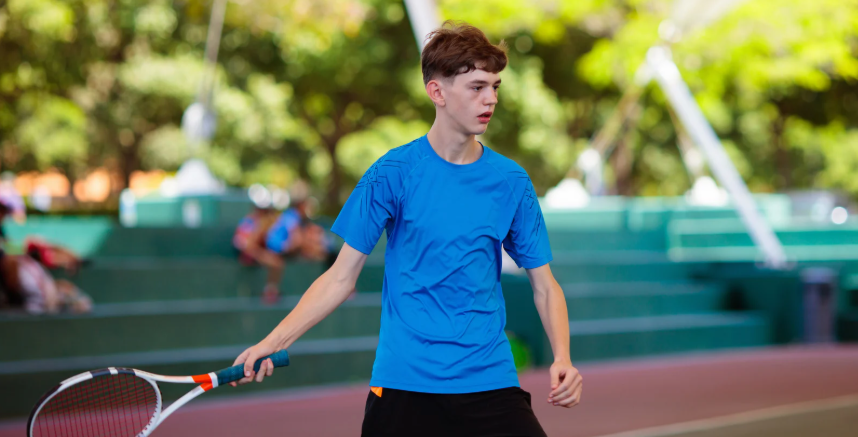
Csikszentmihalyi would go on to expand his findings into Flow, which explained why people are happiest when they are having what’s known as “optimal experiences” that occupy all of their “psychic energy.” That might mean playing basketball, practicing yoga, learning piano, vibing with people at a party, or enjoying time with friends. The key is that the activity occupies all your focus, so you are completely absorbed, and it consumes all your concentration and effort.
The findings from Csikszentmihalyi’s experiments are a wonderful invitation for us to rethink what we consider when we think about happiness. While many of us strive for downtime where we can just relax and let the world roll on by, the reality is we will probably be rewarded for stretching ourselves to learn a new task and live a bit outside our comfort zone. One of the major conditions for entering Flow is to engage in activities that “should stretch skills and abilities, though not excessively,” with concentration that is “focused and intense.”
While we may think that learning a new skill or getting into an intense activity will be hard and stressful at first, research shows it’s the most rewarding way to find true happiness. So, if you’re looking to feel great, resist the urge to seek comfort and, instead, look for ways to do the opposite and get out of your comfort zone.