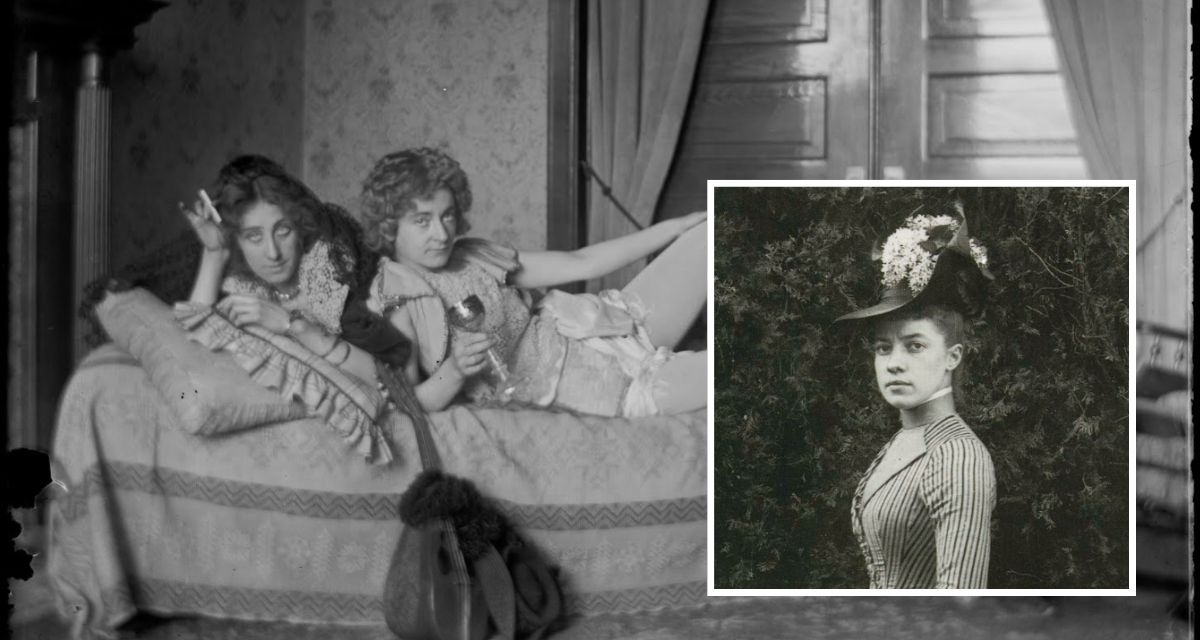
When we think of Victorian women, we don’t immediately picture women laughing together, hugging one another, smoking cigarettes, or living their lives without restraint. But thanks to one prolific female photographer of the time, we do have a glimpse into this perhaps hidden, but nevertheless very real world.
Alice Austen: a photographer far ahead of her time
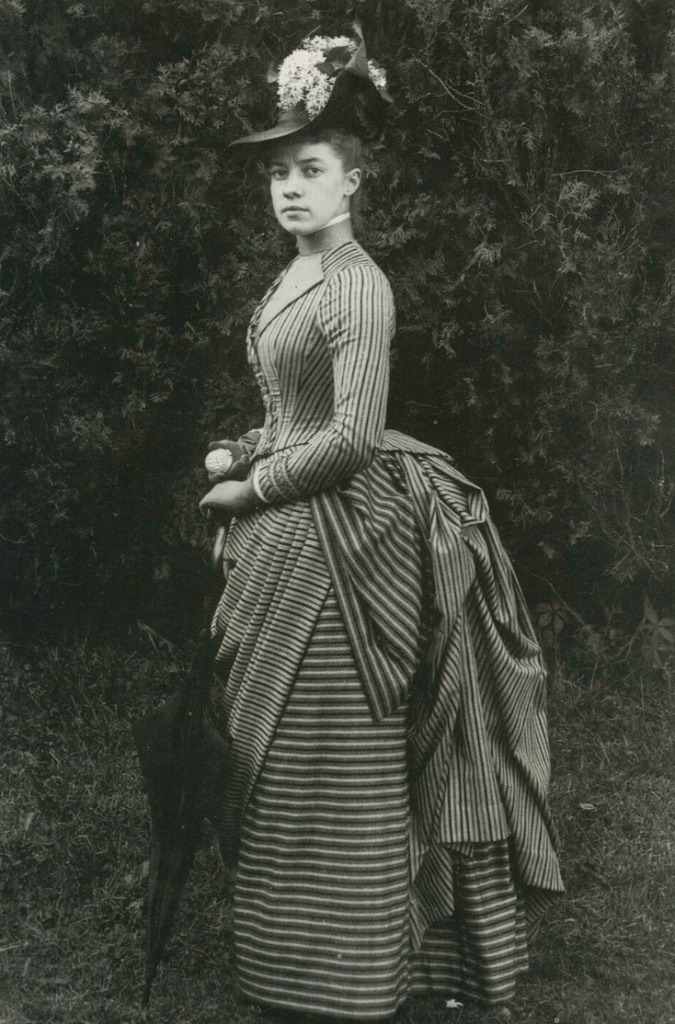
Born in 1866 into a wealthy Staten Island family, Elizabeth Alice Austen, known in her adulthood as Alice Austen, had a passion for photography since the age of 10. Her affluence allowed her to pursue this curiosity. And pursue it she did, with meticulous rigor, whether she was taking meticulous notes, experimenting with exposure and light, or developing photos in a dark room built for her by her uncle, who introduced her to photography in the first place.
Austen would lug up to fifty pounds of camera equipment on her bicycle throughout Manhattan, capturing countless photos of working-class communities. Tradespeople, laborers, and immigrants…a completely different circle from what she grew up in, and one easily overlooked by it.
And yet, one particular subset would go on to be her real legacy.
Throughout her lifetime, Austen would capture thousands of Victorian women openly living their truth and enjoying their lives in ways that society at the time would deem inappropriate. That included women sharing intimate relationships, “marrying” one another, cross-dressing, and most scandalous of all…biking!
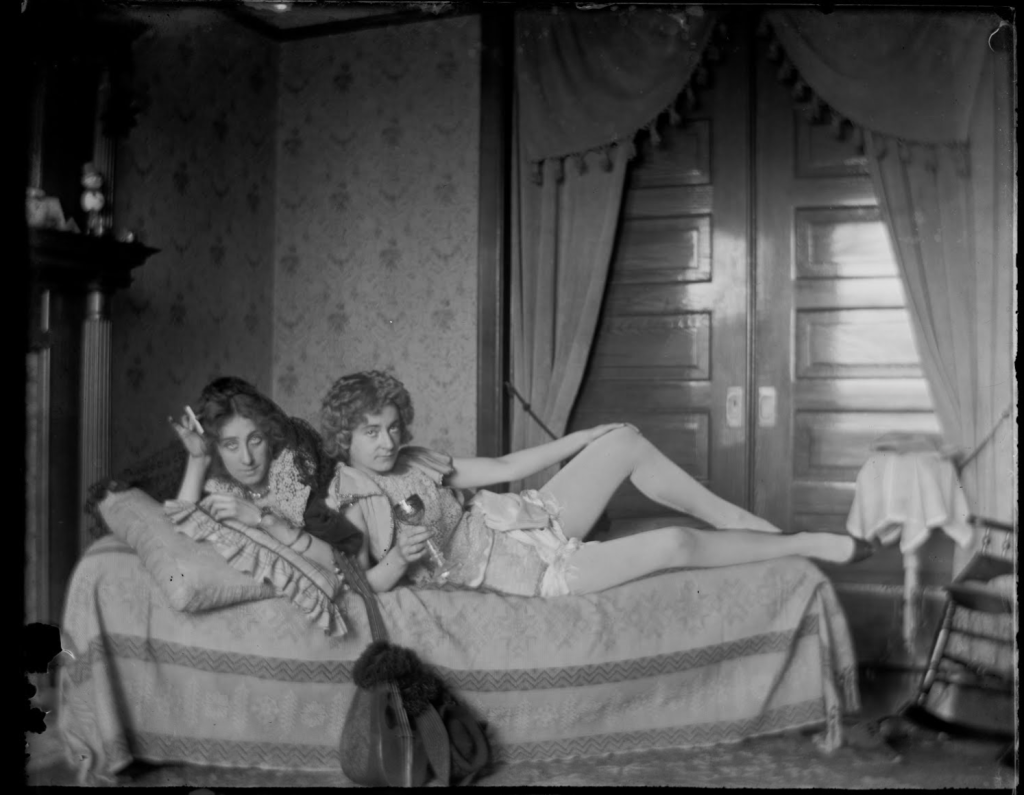
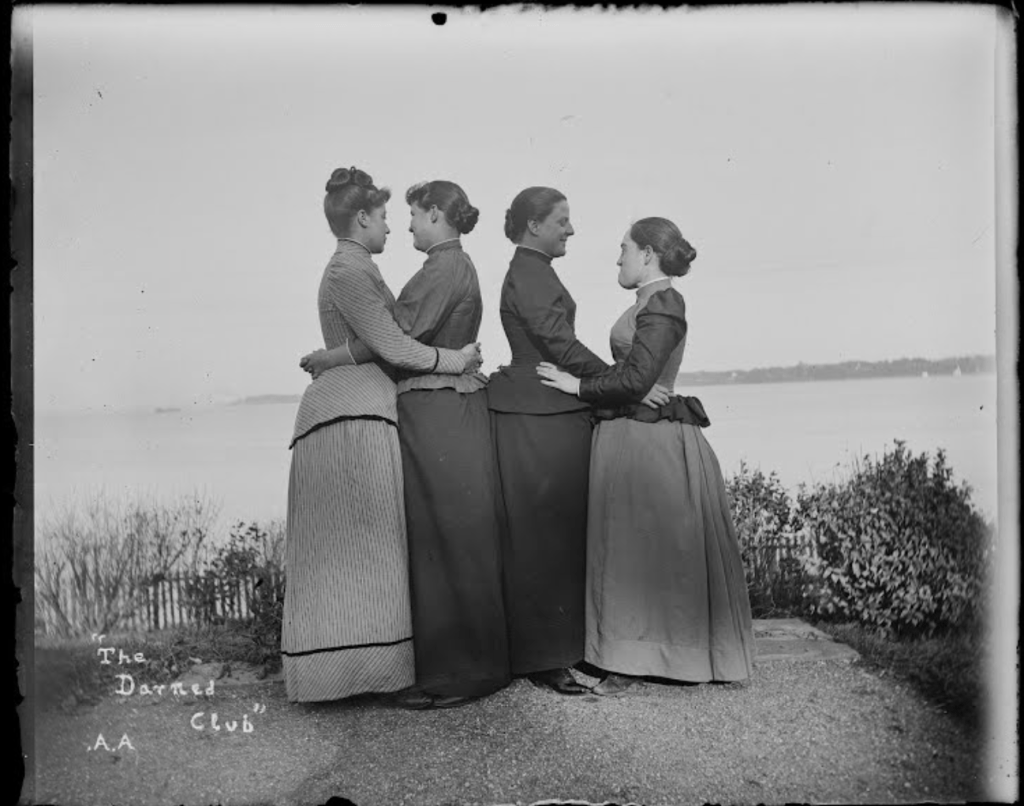
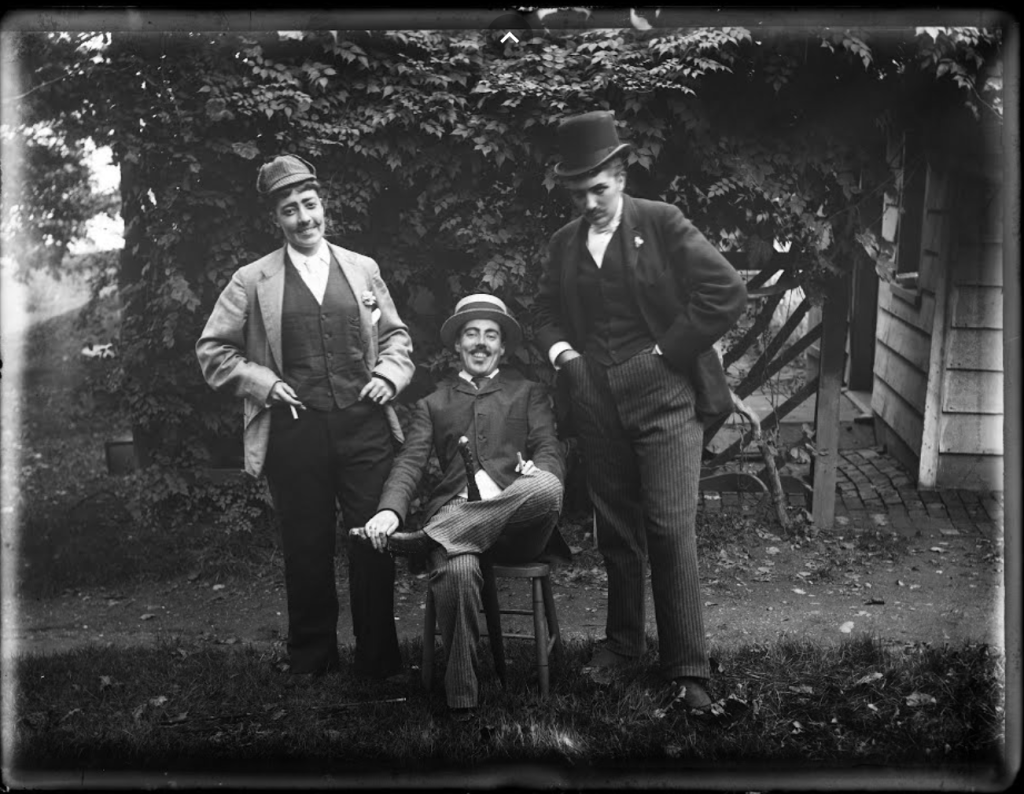
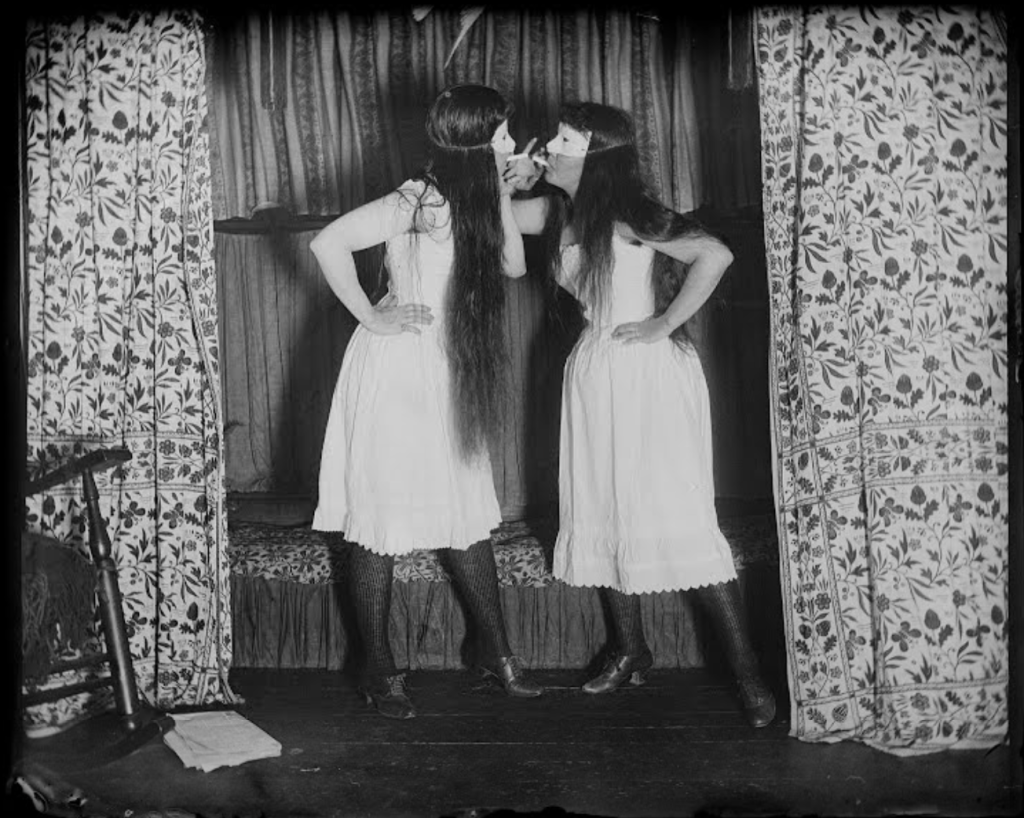
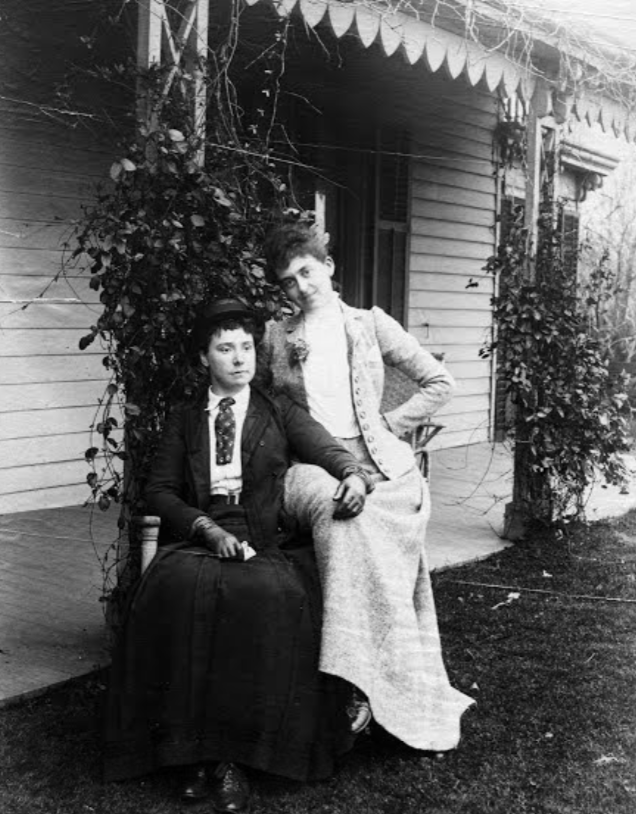
Austen clearly didn’t create this collection out of sheer novelty. She herself spent 55 years in a committed, loving relationship with a teacher named Gertrude Tate, 30 years of which were spent living together in Austen’s home, named “Clear Comfort.”
A love story shaped by circumstance
Tragically, fate and convention would eventually tear these two apart. The stock market crash of 1929 wiped out much of Austen’s wealth. She and Tate were evicted from Clear Comfort, forcing them to return to their families who disapproved of the relationship. Though they saw each other weekly, things would never go back to what they once were. And despite their requests, they were buried separately.
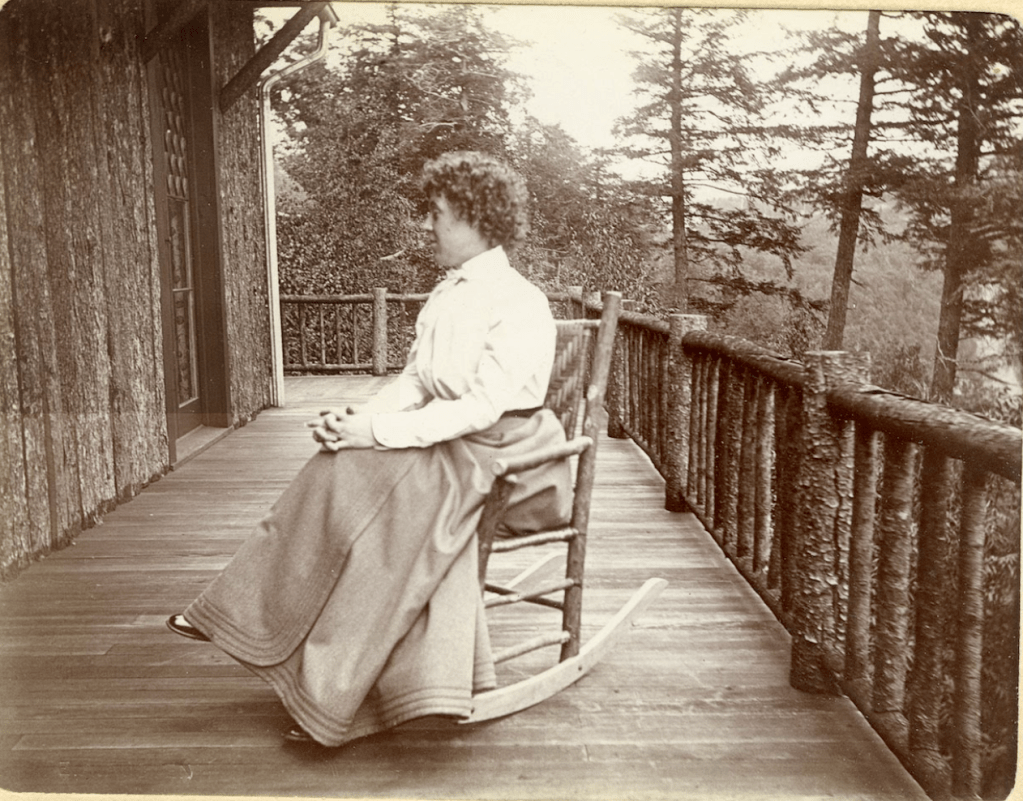
This is one of the many reasons why LGBTQ advocates have fought to have Austen’s queer identity acknowledged, as it clearly plays a key part in her photography work. Through her images, we see that even in a time when the world forbade it, people found ways to be themselves.
Today, Clear Comfort is a “nationally designated site of queer history” and a museum showcasing her photography. It also hosts queer karaoke nights, arm wrestling competitions, sapphic social meet-ups…all activities Austen would surely be mad as hops for.
And on the official website for her work, Austen is rightfully described as someone with “a natural instinct for photojournalism some 40 years before that word was coined” and an “artist, with a strong aesthetic sensibility and a determined eye.”
More than a century later, Austen’s photographs still feel alive because the emotions conveyed by them remain instantly recognizable. Friendship, affection, humor, attraction, self-expression…these moments survived long after the social rules meant to suppress them faded away. Her work offers a fuller picture of Victorian life, one that feels far more human than what we grew up imagining.