upworthy
Add Upworthy to your Google News feed.
Google News Button
Family

9 things to know about kids in foster care. Plus an unforgettable view into their lives.

Foster care is a nightmare for some kids and their foster parents. For others, it's a blessing.

foster care, foster care facts, zoe removed

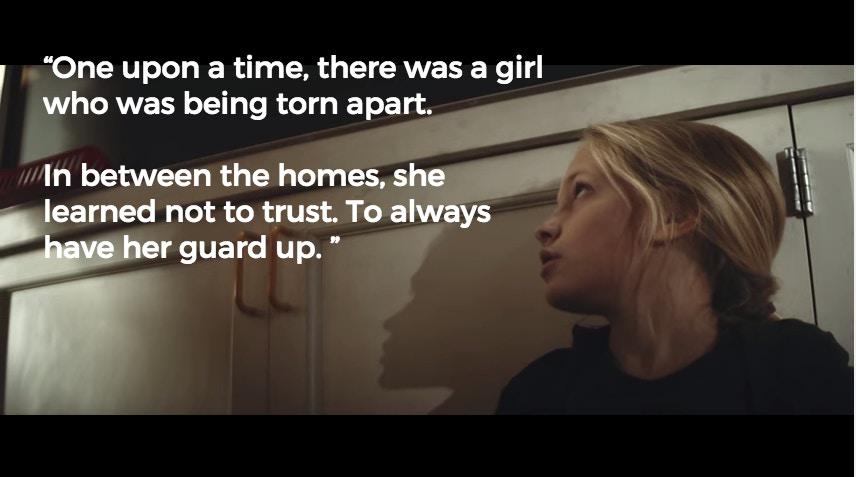
A clip from "ReMoved Part Two"


Zoe's story, "Removed," has been seen by millions of people.

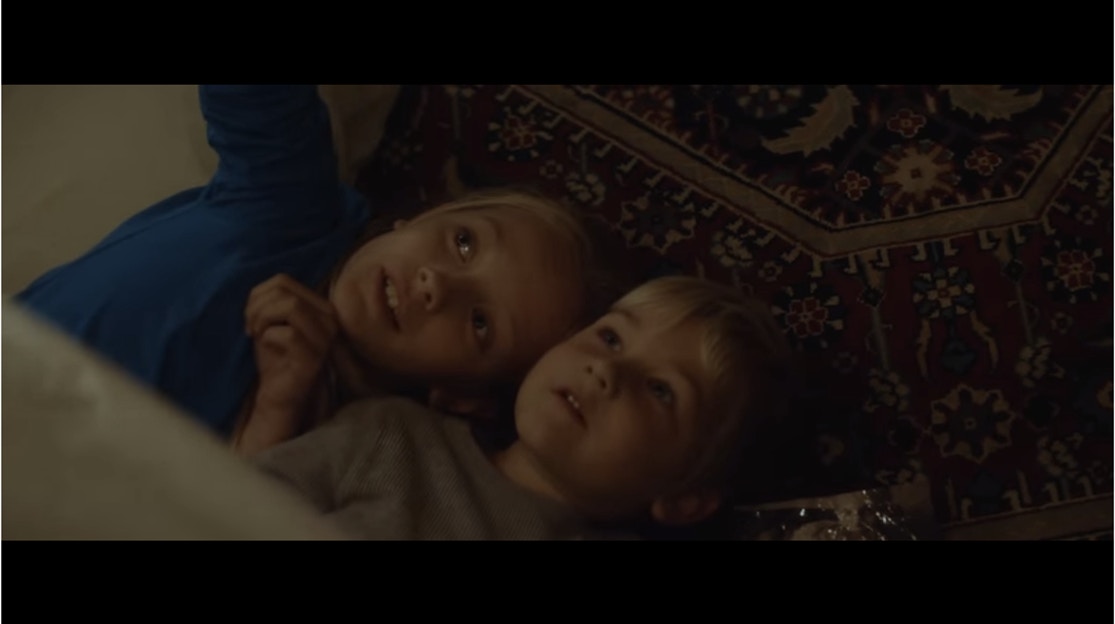
It was previously shared by my amazing Upworthy colleague Laura Willard. We got just a tiny taste of what it was like for kids in foster care, right after being removed. Specifically, a little girl named Zoe and her little brother Benaiah.

My wife and I, foster parents for the past year, even shared the original with our adoption worker, who passed it along to the entire agency and, then, it took off like wildfire among those people as well.

This is part 2 of that story, and it hits hard.

(Yes, the video's on the long side at about 20 minutes. But it's worth the watch to the end.)

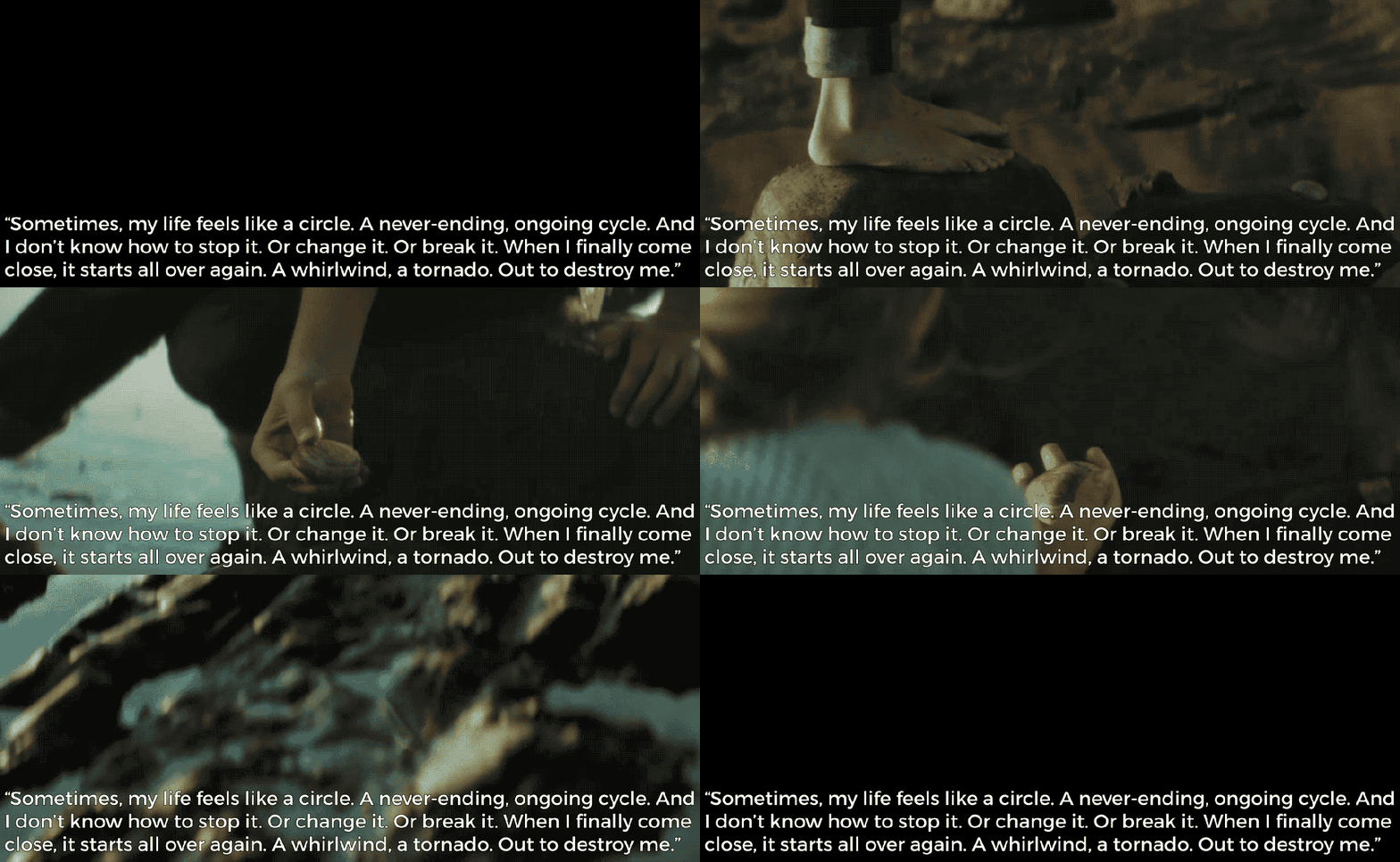
She describes her life as a cycle, interrupted by a tornado. She's a foster child. I don't think I need to say any more.


So ... let's accompany that with 9 uncomfortable — but enlightening — facts below. There are only nine bolded, but within those headers, there are several more facts.

1. There are an estimated 400,000 kids in foster care right now.

Some are awaiting adoption. Some will go back to their parents. Others will age out or, sometimes, run away.

2. Foster kids can suffer from PTSD at almost two times the rate of returning veterans.

And PTSD can mimic a lot of other mental illnesses, and it can manifest as nightmares, flashbacks, fight-or-flee responses, anger outbursts, and hyper-vigilance (being on "red alert" at all times), among other symptoms.

Image via Nathaniel Matanick.


3. The average age of a foster child is 9 years old.

They're just on that edge of childhood, and chances are, it's been a pretty messed up childhood at that. Trauma does that.

4. About half of all foster kids are in non-relative foster homes.

8% are in institutions, 6% are in group homes, and only 4% are in pre-adoptive homes. Read that again — only 4% are in pre-adoptive homes.

5. Some of foster children experience multiple placements. In some cases, eight or more.

That's eight homes that they move into — and out of. And just consider ... that means they lose not just adults and other kids with whom they are establishing a bond, but friends, schoolmates, pets.
Clip via Nathaniel Matanick


6. The average foster child remains in the system for almost two years before being reunited with their biological parents, adopted, aging out, or other outcomes.

8% of them remain in foster care for over five years. Of the 238,000 foster kids who left the system in 2013, about half were reunited with parents or primary caregivers, 21% were adopted, 15% went to live with a relative or other guardian, and 10% were emancipated (aged out).

7. In 2013, more than 23,000 young people aged out of foster care with no permanent family to end up with.

And if you add that up, year after year, hundreds of thousands of foster youth will have aged out of the system. What does that look like? "You're 18. You've got no place to live and no family. Good luck — buh-bye now!" One-quarter of former foster kids experience homelessness within four years of exiting the system.

8. Foster "alumni" (those who have been in foster homes and either adopted, returned to parents, or aged out) are likely to suffer serious mental health consequences.

They are four-five times more likely to be hospitalized for attempting suicide and five-eight times more likely to be hospitalized for serious psychiatric disorders in their teens.

Based on that set of statistics alone, it's in the public's interest (ignoring, for a second, the interests of those kids) to help them through their lot in life and spend resources making it all work much better for everybody before it gets to that point. Right?

So there's a lot to be angry about in this whole messed up situation. But this next thing? My blood boils.

What's one of the biggest risk factors in families whose children are placed in foster care?

Your guess?

Cruelty?

Drugs?

Sexual abuse?

Neglect?

The answer is ...

9. Poverty

Together with homelessness and unemployment, it's a main contributing factor. It happens all the time. The fact that it's far easier for a parent to be accused and investigated for neglect or abuse because of simple things like lack of access to a vehicle, or a working refrigerator, or the ability to get a kid to a doctor's appointment — that has a lot to do with this. Tie that to the link between drug abuse and poverty and between poverty and child abuse ... well, you can see where this is going.

And in a country where one-third of children are living in poverty (hint: the good ol' U.S. of A.), imagine how that affects the number of kids being removed and placed into foster care.

I'll end this with a bit of hope through my story.

My kids went through something a lot like the kids in the clip above before they came to live with us. We've been through the ringer in ways that we're going to have to talk about one day because it's not just that the kids have been challenging — they have — it's that the system itself has been more challenging.

The entire system — from agencies to government entities to social workers to even the schools — seems like it's designed to fail these kids and the families who are attempting to help. It's almost designed not to work. There, I said it.

But that doesn't mean we won't fight to make it better for everybody. We most definitely will.

Image from a photo by my wife, Robin.

As for us, we're just a few weeks away from becoming the legal parents to these kids, and we're extremely happy to be right here, making it happen. And they seem quite happy to be our kids. Along the way, we fell in love with them, and we can't imagine life without them.

But to be totally honest ... if we'd have known how hard it was going to be when we started this journey, and if we could somehow turn back the clock and NOT do it ... well, would we have actually gone forward with the process?

I take that back. I won't be totally honest here. I will simply let you decide.

Here are some places to help, if you're so inclined.

        • AdoptUsKids.org is a place to start if you're considering fostering or adopting.
        • My Stuff Bags is a really cool and inexpensive way to help foster kids by gifting them actual luggage, duffel bags, and more, so that they don't travel from home to home with garbage bags for their belongings — or nothing at all.
        • CASA for Children offers legal help and advocates for foster kids through a network of volunteers.


        This story was written by Brandon Weber and originally appeared on 07.17.15

        dance, motherhood, mommy daughter dance, mother daughter relationship, parenting, wholesome
        Umi4ika/Youtube

        Svetlana Putintseva with her daughter Masha.

        In 2005 at only 18 years old, Russian rhythmic gymnast Svetlana Putintseva became a world champion, after which she retired and eventually became a mom. Then, in 2011, Putintseva came out of retirement for one special Gala performance.

        Little did anyone know that her then two-year-old daughter named Masha would be the key to making that performance so special.


        As the story goes, the young child refused to leave her side that night. But rather than stopping the performance, Putintseva did what so many incredible moms do: she masterfully held space for two different identities.

        As we see in the video below, Putintseva simply brought Masha onto the dance floor and incorporated her into the routine—holding and comforting her at times, performing impressive moves while she ran around at others…letting it all become a lively, endearing interaction rather than a rote routine. It became something really touching:

        Watch:

        Now, a bit of fact-checking as this video has once again started going viral. Despite what many captions say, Putintseva‘s daughter was likely always a planned part of the performance (the tiny leotard is a bit of a giveaway). But that doesn’t really take away from the message behind it: motherhood weaves another soul into one's identity, forever. And one of the biggest lessons it teaches is how to hold someone else steady, all while becoming ourselves.

        Every day, moms are engaging in a similar type of “dance”: navigating through the world while guiding and nurturing their little ones. It probably doesn't always feel quite as graceful as what Putintseva put out, and, yet, it is just as beautiful.

        dance, motherhood, mommy daughter dance, mother daughter relationship, parenting, wholesome A mother hugging her daughter.Photo credit: Canva

        Maybe so many thought it was an improvised moment because improvising is a very real parent superpower. That’s certainly the takeaway we get from some of these lovely comments:

        “You cannot control life but you can learn to dance with it. 🤍”

        "This is beyond beautiful. 🥲"

        “If this isn't a metaphor for motherhood. We improvise so much.”

        “A mother’s unconditional love 🥹❤️ She just made my whole month.”

        “I do this sometimes while deejaying. My daughter comes up so I hit the slicer and let her chop it up. A few chops and she is happy and goes about her business. 🥰”

        “I can see my daughter doing this to me soon whenever I get up on stage on perform. She already stares long and hard at me whenever I am onnstage singing. She doesn't take her eyes off me. Sure she would be running up to stand with me when she starts walking 😂😂 i look forward to it tho”

        “Sobbing 😭😭😭😭 As a dancer who hasn’t performed since having a kid, this inspires me in so many ways 🥹🥹 So beautiful and it’s clear that she admires her mom so much 🥰”

        - YouTube www.youtube.com

        Though not much is written on Putintseva following this performance, one blog post says that Masha has followed in her footsteps by getting into rhythmic gymnastics. Maybe it all started with this one performance. ❤️

        scottish, mexican, scottish accent, spanish, bilingual

        Yanett Steven grew up in Scotland in a bilingual family.

        People who grow up in bilingual households have a distinct leg up on second-language fluency. When you grow up hearing native speakers speaking their languages, you pick them up naturally, and it's not unusual to hear a child in a bilingual family switching back and forth between languages.

        What is unusual, however, is hearing an adult Scottish-Mexican woman doing that switch-up mid-conversation. Yanett Steven effortlessly flips from her dad's thick Scottish accent to her mom's native Spanish (with a Mexican accent), and it is fascinating to listen to. Steven shares that her mom didn't speak any English when she was little, so she learned Spanish from her mom, but she has the accent that one would expect from someone growing up in Glasgow.


        @yanettsteven

        As a Scottish Mexican I always feel so at home in Texas 🥰 #mexicanscottish #britishlatino #mexicanamerican #scottishlatino #scottishmexican

        The Brave meets Coco combo feels super unusual, and people in the comments had some things to say:

        "What just happened to me?"

        "The switching back-and-forth between Scottish and Mexican accents is like scratching some weird itch in my brain"

        "First time I've ever heard scanglish."

        "Also 'cute wee summer dress, en CHANCLAS' was a wild ride I never imagined this blend of accents it’s lovely I’m so curious."

        "I’m like blown away right now. How is the Scottish accent and the Spanish accent blending so smoothly???"

        "I want 3000 hours of people speaking 'Spanglish' in a Scottish accent. This is actually the only way I want to hear anyone speak ever again. Also hi, I live in Texas and love visiting Scotland."

        "This is tripping me out 😂 my mom is Scottish (my parents & brother live in Scotland) and my husband is from South Texas and is Mexican… it's like my two worlds have combined in one video 😵💫"

        Steven shares a lot about her cultural and linguistic background that offers some cool insights into living in a multicultural family. Even just hearing her talk about her mom speaking Scottish English with a thick Mexican accent is a wild ride.

        @yanettsteven

        Replying to @Xzeken Maybe I’ll post her speaking English but I bet you’ve never heard a Mexican woman sound so Mexican but so Scottish at the same time 😅 #mexicanscottish #britishlatino #mexicanamerican #scottishlatino #mexicanbritish and

        Steven shares that the two languages bring out different parts of her personality. "I feel like when I speak Spanish, I'm a bit more happy and fun. I smile more," she said (in Spanish) in another video. "And I feel like in Scottish, I'm a little bit more timid, a bit more quiet, a bit more reserved into myself." She wondered if other people from bilingual families feel like they have different personalities when they speak different languages, or if people who learn languages later in life also feel that way.

        @yanettsteven

        Replying to @Jasmine Rivera Going to Texas and shocking people is my favourite past time lmao Does anyone else who’s bilingual feel this way or just me ?#mexicanscottish #britishlatino #mexicanamerican #people #scottishmexican

        Other bilingual folks confirmed that they also feel a personality difference in different languages:

        "Yes girl, both languages bring out a different side of you. I think it’s because words in Mexican Spanish are meant to be loud and with attitude and humor And English words are so much more subtle or quiet, if that makes sense lol."

        "I'm German/Scottish I totally get what you mean 😂"

        "Yes!! Totally get this!! I feel like completely different people 😂"

        "Omg. I'm bilingual and I feel like this!!! Was just trying to explain this to a friend yesterday! I think it’s bc Spanish feels like being at home. 💛"

        "When I get in my feels, my husband says, 'Your Latina is coming out.' I definitely feel more passionate 'in Spanish.' 😂"

        "Si. Es porque el español tiene el “sazon/chispa” that english doesnt have."

        "Yes ma’am when my Mexican side comes out I feel free, outgoing, funny."

        Steven has also shared some other interesting insights into growing up bilingual. For instance, the Spanish she learned growing up, which is the Spanish spoken in Northern Mexico, was sometimes a problem when she started learning Spanish in school. Spain's Spanish is different than Mexican Spanish in some ways, so what she had learned growing up was deemed "wrong," even though it was just different from the Spanish taught in school. It's fascinating how the same language can be spoken so many different ways.

        @yanettsteven

        Replying to @Frank Rhodes I swear Spain Spanish was the biggest shock to my system when I was wee , and some Spanish teachers being rude but that’s another story 😭 #mexicanscottish #britishlatino #scottishlatino #mexicanamerican #mexicanbritish

        You can follow Yanett Steven on TikTok for more.

        Science

        Her groundbreaking theory on the origin of life was rejected 15 times. Then biology proved her right.

        Lynn Margulis had the audacity to challenge Darwin. And we're lucky she did.

        lynn margulis, lynn margulis symbiosis, biology, scientific breakthroughs, darwin, darwinism, women in science
        Facts That Will Blow Your Mind/Facebook

        A photo of Lynn Margulis.

        Throughout her prolific and distinguished career, biologist Lynn Margulis made several groundbreaking contributions to science that we take for granted as common knowledge today. For example, she championed James E. Lovelock’s “Gaia concept,” which posited that the Earth self-regulates to maintain conditions for life.

        But by far, her most notable theory was symbiogenesis. While it was first written off as “strange” and “aesthetically pleasing” but “not compelling,” it would ultimately prevail, and completely rewrite how we viewed the origin of life itself.


        In the late 1960s, Margulis wrote a paper titled "On the Origin of Mitosing Cells," that was quite avant-garde. In it, she proposed a theory: that life evolved through organisms merging together to become inseparable.

        In essence, cooperation is the driver of life, not competition and domination. This directly went against Darwin’s “survival of the fittest” principle that was considered gospel in scientific circles. Margulis’ paper was rejected by fifteen journals before getting accepted into the Journal of Theoretical Biology.

        - YouTube www.youtube.com

        Time would be on Margulis’ side, however. By the late ‘70s and early ‘80s, research proved that the two major building blocks of plants and animals, chloroplasts and mitochondria were at one time independent bacteria. This solidified the fact that on a biological level, connection trumps autonomy for longevity. And now that fact is written in textbooks, with no real story of the adversity it overcame to get there.

        While it is customary for most new scientific theories to be met with criticism, especially those that completely shift the current narrative, many have noted that sexism played a key part in Margulis’ initial lack of acceptance. On more than one occasion, she herself had hinted that women were seen as mothers and wives first, and scientists second. She recalled that while married to fellow scientist Carl Sagan that “Carl would finish his sentence, unperturbed” while she was expected to “handle all the duties of a 1950s housewife, from washing dishes to paying the household bills.”

        And yet, Margulis would have other ideas that were controversial that had nothing to do with her gender. Most famously, she did not believe that AIDS was caused by HIV, and instead believed it was cause by a syphilis-causing type of bacteria, despite there already being decades of research proving otherwise. That view was seen as an endorsement of AIDS denialism, which undermined prevention and treatment effort. Then later in life, Margulis became a vocal proponent of 9/11 conspiracy theories suggesting government involvement the in Twin Towers attacks.

        And yet, perhaps this is one of those “you gotta take the good with the bad” situations. Margulis’ inherent contrarian nature gave us both these unfounded, even harmful stances, in addition to entirely new paradigms that altered our understanding of life itself.

        And if nothing else, it illuminated the need for science to include multiple points of view in order to unlock the truth. It seems life is, after all, about coming together.

        Shrinking Season 3, Harrison Ford, Michael J Fox, Michael J Fox Shrinking, Apple TV, Parkinson's, pop culture, Jason Segel
        Apple Tv/ Youtube

        Harrison Ford and Michael J Fox in the trailer for Shrinking Season 3

        The Apple series Shrinking centers around actor Jason Segel, who plays a therapist juggling grief, fatherhood, and experimenting with unconventional therapy practices with his patients. It also stars Harrison Ford, who plays Segel’s mentor and boss and happens to be in the first chapters of living with Parkinson’s disease.

        Actor Michael J. Fox, who notably has Parkinson's in real life, was so moved by Ford’s “human” and “accessible” portrayal of the condition that he called up Bill Lawrence, his former Spin City boss, who also co-created Shrinking.


        And, as he shared in an interview with the LA Times, Fox didn’t mince words:

        “Bill, why the f— am I not on the show?”

        Truly, only Fox could deliver such a line in a way that immediately feels charming and friendly. Pretty soon, plans were set in motion to have Fox guest star, marking his first return to acting since 2020.

        In the Season 3 premiere, which aired on January 28, Ford’s character comes in for a doctor’s visit. While waiting to be seen, he encounters a fellow patient with Parkinson’s, played by Fox. It’s clear that Fox’s character will serve as a mentor and friend throughout the season.

        - YouTube www.youtube.com

        As to be expected, the Back to the Future star does not fall short on comedic expectations. For instance, during the scene (which you can see in the video above), Fox asks Ford what he’s in for. Ford responds, “Parkinson’s. You?” Without missing a beat, Fox replies, “Just a haircut.”

        He follows with the quip, "I fall three times a day. I'm thinking of taking up stunt work."

        Castmates instantly knew that seeing two icons, Marty McFly and Indiana Jones, acting together for the first time was something special. As Shrinking co-star Michael Urie noted, “Everyone’s hearts grew” in anticipation and nostalgia once Fox showed up to set.

        - YouTube www.youtube.com

        But perhaps no one was more affected than Fox himself. Speaking with Vanity Fair, he shared, “I wasn’t prepared for how much of [Ford’s] own understanding of the disease he brought to it. I mean, I recognized Parkinson’s in his eyes. The things I was feeling, I recognized in the way he was expressing himself."

        It was such a powerful performance that Fox told the outlet, "I was just brought to tears by it."

        "I should say he’s an underrated actor because everybody knows how great he is, but the subtlety of his work—so brilliant and so fun to work with," Fox continued.

        Ford’s sentiment, it seems, was the same. In the same interview, he called Fox “an extraordinarily powerful person."

        New episodes of Shrinking drop Wednesdays on Apple TV.

        woman, refrigerator, organizing, food, food waste

        A few smart organizational changes can save you money and the planet.

        We need to talk about that bag of spinach sitting in your crisper drawer. Don't be coy, you know the one. Wilting and softer than it should be, you bought it from Whole Foods with good intentions and dreams of super-powered green smoothies dancing in your head. Now, though, it's transforming. Go ahead, check. That bag of spinach is turning into a science experiment as you read this.

        Too real? You're not alone. Most of us have felt that pang of guilt when tossing out a carton of rotten berries or a container of questionable leftovers. But that forgotten food adds up, and it's a problem. Recent data paints a harrowing picture of American eating habits: the average person wasted $762 worth of food in 2024.


        That amount of money could buy you a brand-new 55-inch 4K TV. It could cover an inflatable hot tub with 140 air jets, and then some. Without all that waste, you could even afford a two-in-one game table that switches between air hockey and table tennis. It's a decent chunk of change.

        The truth is, we don't throw food away simply because we're careless. According to the Environmental Protection Agency (EPA), the real culprit is far more mundane: we literally forget what's in our fridge. However, a few smart changes to how you arrange your refrigerator can save hundreds of dollars while reducing unnecessary waste sent to landfills.

        The hidden cost of our kitchen habits

        The numbers reveal the scale of the problem. Research from Penn State University shows that the average household throws away about 31.9% of the groceries it buys. That's like walking out of the supermarket with three full bags, dropping one in the parking lot, and continuing on with your day. It sounds silly when you put it that way, but it's the reality in many homes across the country.

        food, waste, america, issue, consumption All roads lead back to food waste. Photo credit: EPA

        Financially, that's bad. Environmentally, it's even worse. In the United States, wasted food generates greenhouse gas emissions equivalent to those produced by about 50 million gas-powered cars, roughly 6% of the nation's total emissions, according to the EPA. Those emissions come from the production, transportation, storage, and eventual disposal of food that never gets eaten. Once it ends up in landfills, that untouched food rots and releases large amounts of methane, the second most dangerous climate pollutant.

        A 2021 report from the EPA titled "The Environmental Impacts of U.S. Food Waste" points out that uneaten food takes up a ton of space, roughly 140 million acres of agricultural land. That's an area the size of California and New York combined.

        food, waste, america, issue, consumption Visual breakdown of the impact of U.S. food waste.Photo credit: EPA

        And that doesn't even account for the immense water use, fertilizer, and energy required to produce food that ultimately rots in our refrigerators. And all this uneaten, spoiled food? It contains enough calories to feed more than 150 million people each year. Compare that to the roughly 18 million Americans who experience food insecurity, and your head begins to spin.

        Why are we wasting so much food?

        food, waste, america, sustainability, consumption Trash bags full of food waste. Photo credit: Canva

        To fix the problem, we first need to understand why it happens. Food waste in America generally boils down to three main culprits:

        1. Unused ingredients: Ingredients are often purchased for specific recipes that require only a small portion, like a bunch of fresh dill or a large round of sourdough bread. The remaining bag or container is then forgotten, left to spoil before another use comes up.
        2. Storage struggles: Cluttered fridge shelves push ingredients and leftovers into the "graveyard" at the back. And you can't eat what you can't see.
        3. Label confusion: "Best by," "sell by," and "use by" dates aren't interchangeable and can lead consumers to throw away perfectly good food out of confusion or caution.

        Ready to reclaim your kitchen? Here are 10 simple, actionable ways to organize your fridge and minimize waste.

        10 easy tips for minimizing food waste

        woman, refrigerator, organizing, food, food waste A woman standing in front of her refrigerator. Photo credit: Canva

        1. Plan meals and shop your fridge first

        Before heading to the grocery store, take inventory of what you already have. Inspiration might just strike. Is there a half-used jar of marinara sauce or a few carrots that need to be eaten soon?

        Build your meal and shopping plan around what you already have. From there, it looks like you might even have the beginnings of a great batch of chili. This simple habit prevents duplicate purchases and helps ensure you see, and eat, perishable foods before they go bad.

        chart, fridge, organization, safety, food A handy chart outlining the "hierarchy" of fridge organization.Photo credit: USDA

        2. Store food in the right temperature zones

        Your fridge is smarter than it looks. It has multiple temperature zones, and knowing how to use them can significantly extend the shelf life of your groceries.

        • The door: This is the warmest part of the fridge. Store condiments, jams, and juices here. Avoid keeping milk or eggs in this area, since the temperature changes every time the door swings open.
        • Top shelf: This area maintains a consistent temperature, making it an ideal spot for leftovers, drinks, and ready-to-eat items like hummus or deli meats.
        • Bottom shelf: This is the coldest spot in the fridge. Use it for raw meat and fish to ensure freshness and prevent cross-contamination with other foods.

        3. Understand date labels

        Confusion over date labels leads to a significant amount of unnecessary food waste. According to the U.S. Department of Agriculture (USDA), with the exception of infant formula, dates printed on food labels are meant to indicate best quality, not safety.

        • "Best if used by/before": Indicates when a product will be at its best flavor or quality. It is not a safety date.
        • "Sell by": A date intended for store inventory management. Food is usually safe to eat for several days after this date.
        • "Use by": The last date recommended for optimal quality.

        When in doubt, trust your senses. If it looks fine and smells normal, it's likely safe to eat.

        4. Master the FIFO method

        Restaurants and grocery stores use the "First In, First Out" (FIFO) method to manage inventory, and it's a wonderful tool to use at home, too. When unpacking groceries, move older items to the front of the fridge or pantry and place newer ones behind them. This simple system encourages you to finish that open container of Greek yogurt before cracking into a new one.

        5. Start an "Eat Me First" bin

        Consider dedicating a shelf or crafting a bin for items that need to be used immediately. Printing or hand-drawing an "Eat Me First" label can also be a fun, creative exercise.

        What goes in there? This is the perfect spot for a half-used block of cheese, last night's leftovers, or fruit that looks lonely. That way, when you're hunting for a quick snack or ingredients for dinner, you know exactly where to check first.

        6. Make the most of your freezer

        It's time to embrace your freezer, the miraculous upper unit that acts like a frosty "pause" button for food. Nearly everything can be frozen in batches, including:

        • Sliced bread
        • Avocados (mashed and placed in a small bag; add a spritz of lemon if you're fancy)
        • Cheese
        • Nuts
        • Milk (pour into measured containers; use later in soups, baking, and smoothies)
        • Fresh herbs, like sprigs of rosemary or thyme. (For tender herbs, such as parsley, cilantro, or dill, try placing them in an ice cube tray filled with water or broth to create pre-portioned seasoning cubes.)

        Didn't finish that delicious pot of chili earlier? Freeze individual portions for easy lunches later. It's a simple way to reduce waste and save time on busy days.

        refrigerator, organizing, food, food waste, sustainability Fridge temperatures must be carefully calibrated.Photo credit: Canva

        7. Check the fridge temperature

        A fridge that's too warm can become a breeding ground for bacteria, causing food to spoil more quickly. The Food and Drug Administration (FDA) recommends setting your refrigerator to 40°F (4°C) or below and your freezer to 0°F (−18°C). This is a quick way to ensure food safety is set up for success.

        8. Compost scraps

        Scraps are inevitable. No one expects you to eat a banana peel or freeze used coffee grounds. But instead of sending those scraps to the landfill, try composting. Many cities offer curbside pickup or provide green bins for compostable waste. Indoor compost bins are also convenient and easy to store, and many come with charcoal filters to help eliminate odors.

        Composting is a beautiful way to turn leftovers into nutrient-rich soil for your garden or houseplants.

        refrigerator, organizing, food, food waste, sustainability Knowing what's in your kitchen is crucial to preventing food waste.Photo credit: Canva

        9. Keep a food inventory

        Experiment with keeping a small whiteboard or notepad on your fridge. Putting away leftovers? Adding new produce to the mix? Jot it down. A simple visual reminder helps you remember what needs to be eaten without digging through your fridge. Plus, your next shopping list will be a breeze.

        10. Embrace imperfect produce

        At the grocery store, we're drawn to flawless produce, shiny red apples, unblemished lemons, beautiful leeks. But a common misconception is at play here. Slightly bruised fruit and oddly shaped vegetables taste just as good.

        Companies like Misfits Market and Hungry Harvest rescue high-quality, perfectly delicious, and sometimes funny-looking foods that might otherwise go to waste and deliver them straight to your door. Think unconventionally sized tomatoes or zucchinis that are slightly off-color.

        Or go straight to the source and buy produce and ingredients directly from local farms. LocalHarvest's national directory lists more than 40,000 family farms and markets in all 50 states, making it easy to find farm-fresh ingredients near you.

        Every small change matters

        Reducing food waste is a journey, not a quick fix. There is no one-time product to buy that can get rid of your impact on wasted food. But by building simple, sustainable habits that fit your lifestyle, your efforts can make a real difference, one weirdly shaped carrot and frozen loaf of bread at a time.

        Being mindful of your consumption and waste is a win-win: you save money, protect the environment, and feel more organized and in control in the kitchen.