Each generation has its own unique quirks that mark the times in which its members grew up. Often, people belonging to those generations don’t fully recognize their own idiosyncrasies. But once they’re pointed out, you can’t unsee them. Way Back Americana shares a list of subtle habits that signal you were a ’70s child.
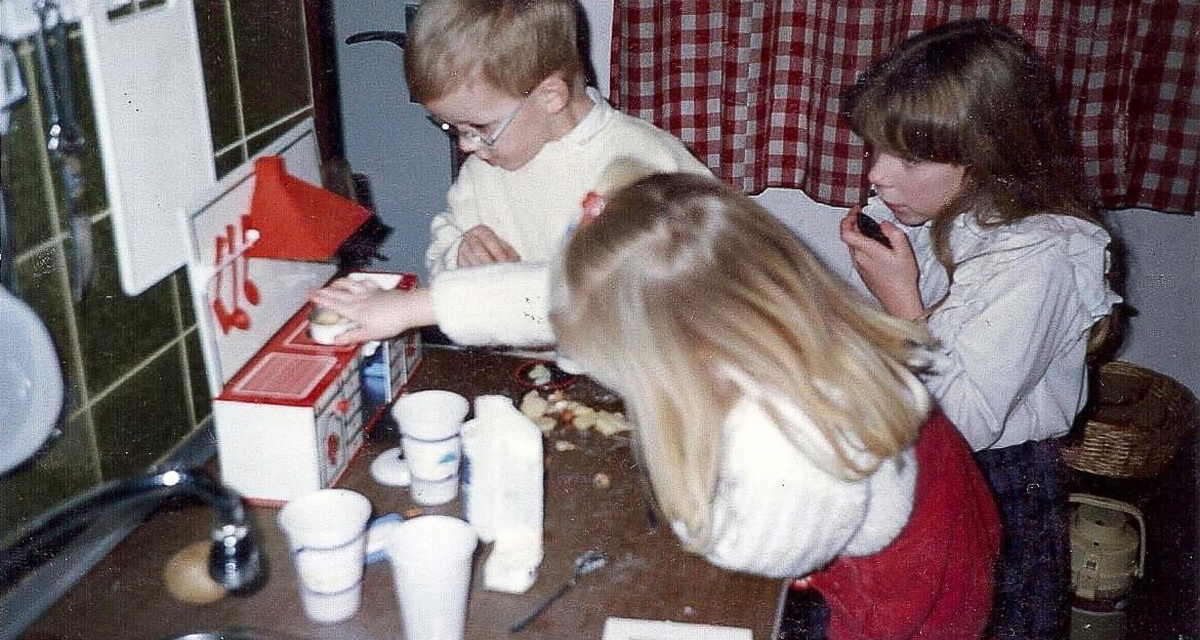
Adults who grew up in the ’70s are solidly Gen X, and aside from being known as the “Forgotten Generation,” a few habits might give away their age. It’s likely not what you think, either. Repetitive directives given during childhood often define automatic behaviors that we carry into adulthood. Rinsing a dish before use, even when it’s clean, is one example, but Gen X has a few that are unique to its generation.
Listening before opening a door
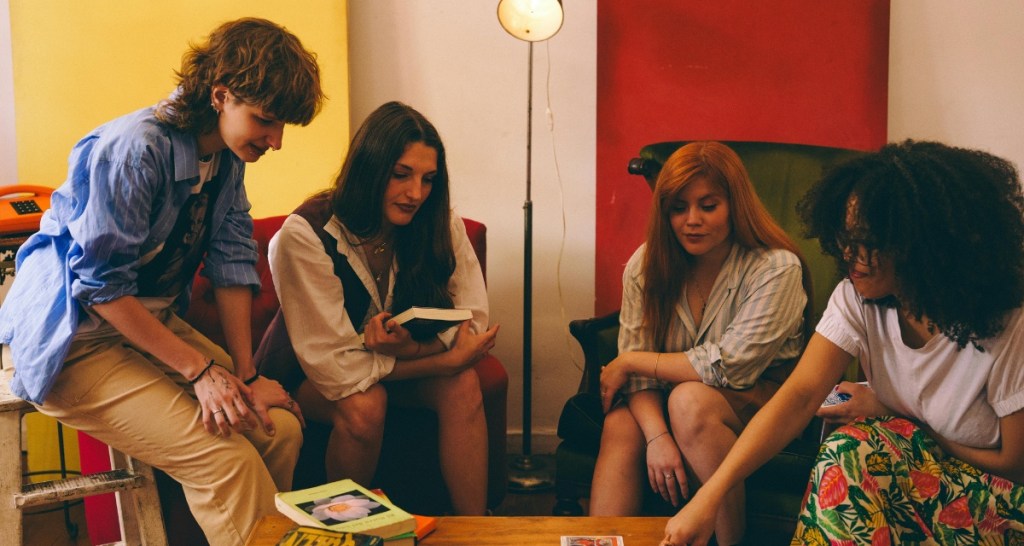
Pausing to listen before entering a room doesn’t always mean someone’s being nosy. This is a leftover habit of people who grew up in the ’70s, likely due to stricter social rules around children being present during adult conversations. Children were still encouraged to be quiet and unobtrusive when inside the house, especially in the presence of adults who didn’t live with them.
Silence is suspicious
If you’ve had a parent burst into your room unannounced and look around suspiciously, chances are they grew up in the ’70s or before. Silence is suspicious to them. It can feel like something is missing. The Way Back Americana YouTube channel explains that there was always some quiet commotion or background noise in a room during the ’70s. The absence of noise can be unsettling to some.
Flipping the switch
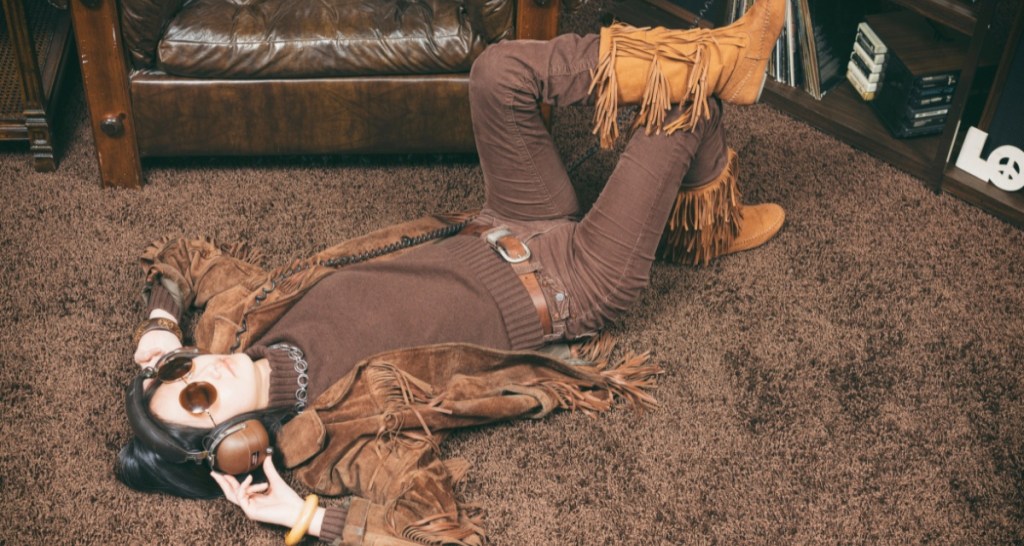
Turning off the lights is something that seems helpful. It conserves energy and reduces your power bill, but this helpful habit is so reflexive that it happens without thinking. Someone could be sitting in the room reading a book when it’s abruptly interrupted by the light being turned off.
In the ’70s, lightbulbs didn’t last as long as they do now, so kids were constantly reminded to turn off lights. “Lights weren’t left on unnecessarily, and it wasn’t framed as a suggestion. It was just how things were done. Over time, that simple action became instinct, and now it happens without effort. Like a small rule that never stopped applying,” Way Back Americana says.
Saving things “just in case”
Keeping things like containers, gift bags, grocery bags, or other random items in case you need to repurpose them later. “This comes from growing up in a time when replacing things wasn’t always easy or immediate, and there was value in holding onto something that could serve a purpose again,” Way Back Americana explains.
“Hey that’s my spot”
According to the channel, this habit goes back to a time when certain chairs belonged to certain people. Seating wasn’t random in many households. The adults had their preferred seats, and the children filled in where they could and stayed there. Essentially, everyone subconsciously had assigned seats, which is still something that may be familiar to today’s households.
Boundaries around time
When an event is about to end, “You instinctively start wrapping things up without needing to be told. There’s no urge to push past it or stretch it out longer than it’s meant to last,” Way Back Americana shares. “‘Cause you’re used to the idea that when something closes, it closes. That understanding was built early, when schedules were still fixed and expectations were clear, and it created a natural respect for boundaries that still shows up today in how you handle time.”
Everything has its place
Noticing when things are slightly out of place is also a marker of the ’70s. Even if it’s a table moved an inch to the left, your brain picks up on it quickly. This is likely due to things having designated places when growing up, which allowed for structure in the house, according to the channel.
Pausing before leaving the house
This small reset helps you mark the shift between two different environments. Way Back Americana explains, “Growing up, leaving the house wasn’t rushed, and that sense of transition became part of the experience. Even now, that pause remains. Subtle, but consistent. Like a quiet habit that signals you’re about to go somewhere else.”