It’s no secret that modern life is stressful. Burnout is an epidemic. The World Health Organization boldly stated its dedicated efforts to help people heal their health and well-being through nature.
And thanks to a new initiative, Sweden is stepping up to offer a new holistic remedy: a physician-prescribed visit to Sweden, aka “The Swedish Prescription”.
“We have made great strides in making nature/social/culture prescription a more integral part of public health in the United States– but there is still so much more to be done,” said Dr. Stacy Stryer, Associate Medical Director for Park RxAmerica.“I welcome Sweden’s initiative and hope it will help break down institutional and organizational barriers, ultimately benefiting all patients.”
Patients can escape to the Nordic country’s pristine environment for true respite. Backed by scientific data and research with Yvonne Forsell, Senior Professor at Karolinska Institutet, healthcare professionals can prescribe Sweden as a destination for patients to partake in non-medical treatments and outdoor activities to ease the burdens that ail them and offer a fresh re-set.
To restore your physical and mental health, enjoy a rotation of Swedish ice baths and saunas. Get active by swimming, hiking or foraging your way through Sweden’s silent forests, lakes, parks and nature reserves–or sit in the stillness. Catch a stunning sighting of the Northern Lights [Aurora Borealis] dancing across the skies–or bask in the tranquility of Sweden’s summer midnight sun. Breathe in the crisp air of Stockholm, the clean-air capital of Europe.
Or skip the great outdoors and spend time embracing Sweden’s unique cultural practices. “Our cozy fika tradition [Sweden’s daily pause for coffee and conversation], our “lagom”-balanced lifestyle [the idea of “not too much, not too little”] and our easily accessible nature are a soothing balm for body and mind,” says Susanne Andersson, CEO at Visit Sweden.
Take a seat in front of a masterpiece painting in one of thousands of art museums. Or attend a live music event or festival after exploring concert options through Swedish-founded Spotify. You may hear catchy tunes from Sweden’s famous producer Max Martin or choose to bang your head to Sweden’s beloved music genre, metal. Call it an early (or late) night and get restorative sleep in cool temperatures.
Sweden is the therapeutic destination your health has been craving. Learn more about “The Swedish Prescription” and its benefits for your mental and physical health here.
From Pakistan to Tanzania, the most effective education solutions are community-led. Here’s how local leaders, in partnership with Malala Fund and supported by Pura, are mobilizing entire communities.
When asked to describe what Tanzania smells like, Grace Isekore closes her eyes and breathes in deep. For a moment, she’s somewhere else entirely. Tanzania is a rich tapestry of sights and scents, from the smell of sea mist that permeates the coastline to the earthy cardamom and cloves she cooks with in her kitchen. But when Grace emerges from her reverie, her answer is unexpected.
“Tanzania smells like peace,” she says, her eyes still closed. “I see a beautiful country where we are free to move, free to speak. And there is peace within the community.”
For Grace, that sense of peace isn’t just something she smells; it’s something she works toward every day. As a project coordinator with Pastoral Women’s Council (PWC), a women-led organization that empowers pastoralist communities in northern Tanzania, she has seen firsthand how girls flourish when they have the opportunity to attend school. Like scent, education not only connects girls to their own culture, but also helps broaden their horizons, realizing new possibilities for themselves and others. That transformation reshapes entire communities and ripples outward, with the potential to change countries and transform the world for the better.
Different scents, different approaches, and communities driving change
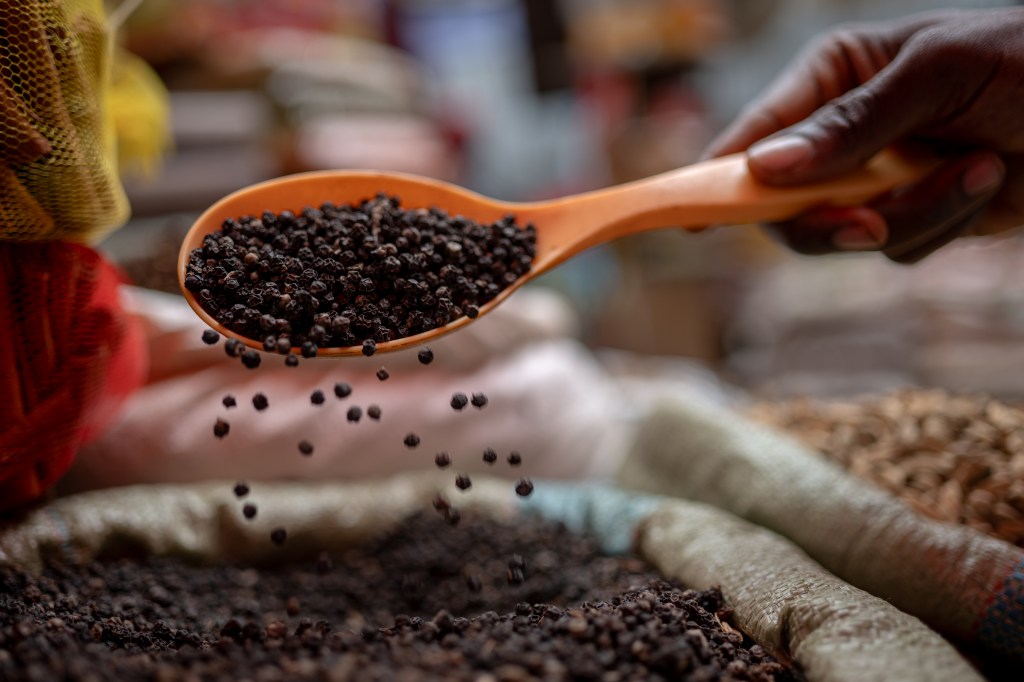
Spices in Tanzania. Captured by James Roh for Pura
For Grace and others around the world, education is freedom, as well as a pathway to a stronger community. Rooted in that shared belief, Pura, a home fragrance company, was inspired to build on their four-year partnership with Malala Fund to create something truly unique: a fragrance collection that connects people through scent to communities in Tanzania, Nigeria, Pakistan, and Brazil, where barriers to girls’ education are among the highest.
Using ingredients from each region, the new Pura x Malala Fund Collection uses scent to transport people to these regions directly. “Future in Bloom,” for example, invokes Pakistan’s lush valleys through notes of jasmine, cedarwood, and mango; while Tanzania’s fragrance, “Heart on Fire,” evokes the spirit and joyfulness of the girls who live there through cardamom, lemon, and green tea.
The new Collection honors the work Malala Fund does every day, partnering with locally-led organizations in these four countries to ensure every girl can access and complete 12 years of education. Each scent celebrates the joy, tenacity, and courage of the women and girls driving change on the ground, while also augmenting Pura’s annual grant to Malala Fund by donating eight percent of net revenue from the Pura x Malala Fund Collection to Malala Fund directly.
Just as each country’s scent is unique, so too are their needs related to education. But with support from Malala Fund and Pura, local leaders are coming up with creative ways to mobilize entire communities (parents, teachers, elders, and the students themselves, in their pursuit of solutions, understanding that educating girls helps everyone thrive. Here’s how their efforts are creating real, durable impact in Tanzania and Pakistan, and creating a ripple effect that changes the world for the better.
Parent-teacher associations help Maasai girls and their communities in Tanzania problem-solve
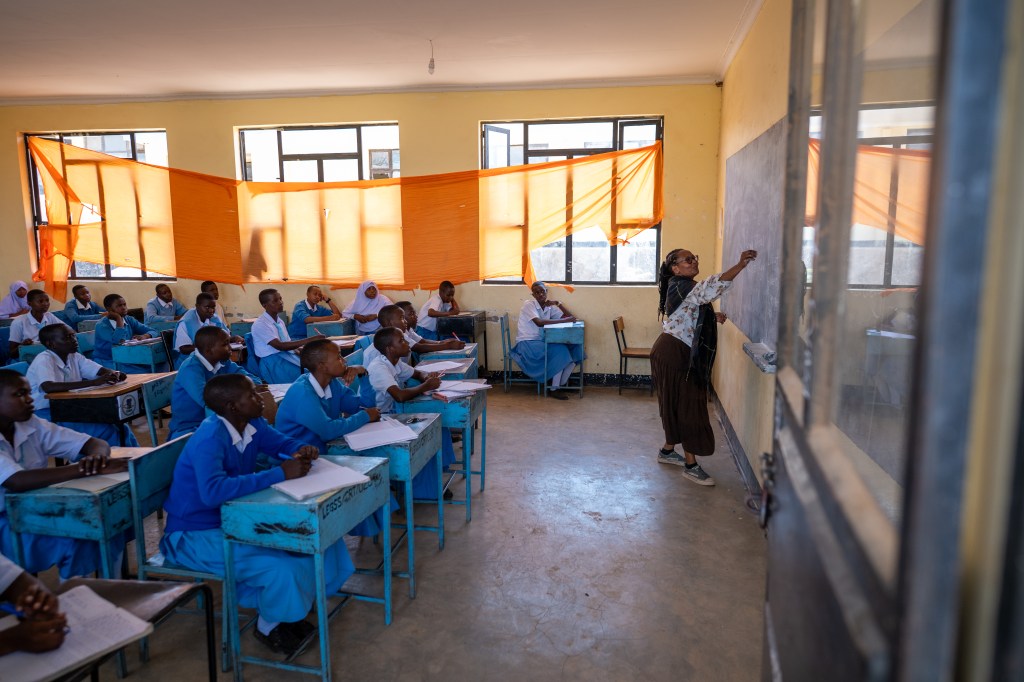
A girl’s school in Tanzania. Captured by James Roh for Pura
Northern Tanzania, Grace’s home, is home to pastoralist communities like the Maasai, a nomadic people who have moved with the seasons to nurture the land and care for their livestock for centuries. The nomadic nature of this lifestyle creates significant and unique barriers to girls’ education. Longstanding gender roles have enabled Maasai to survive in the harsh environment and have placed great value on both women and men. Over time, as nomadic life has been threatened by the privatization of land and stationary education models have been implemented, the reality of pastoralist livelihood has shifted and introduced new complexities. Now, the sheer distance to schools is both a practical challenge and one that often comes with danger from the landscape, predators, and potential exposure to assault along the journey. Girls shoulder the responsibility of household chores and there is often cultural pressure around early marriage – both leading to boys’ education being prioritized over girls’.
“There are very, very good [pastoralist] cultural practices, which are passed from generation to generation,” says Janet Kimori, an English teacher at Lekule Girls Secondary School in Longido, Tanzania. But when cultural practices act as educational barriers, “you have to sit down and look for where you are going to assist. As a school, as an individual, the school administration—all of us will chip in and know how we are going to deal with this problem.”
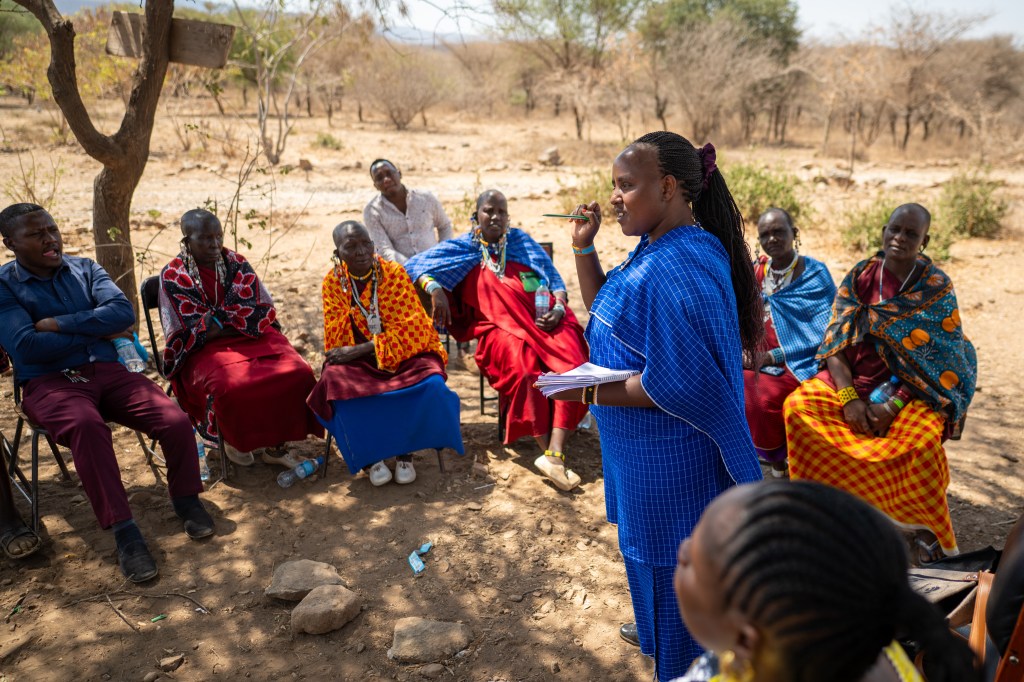
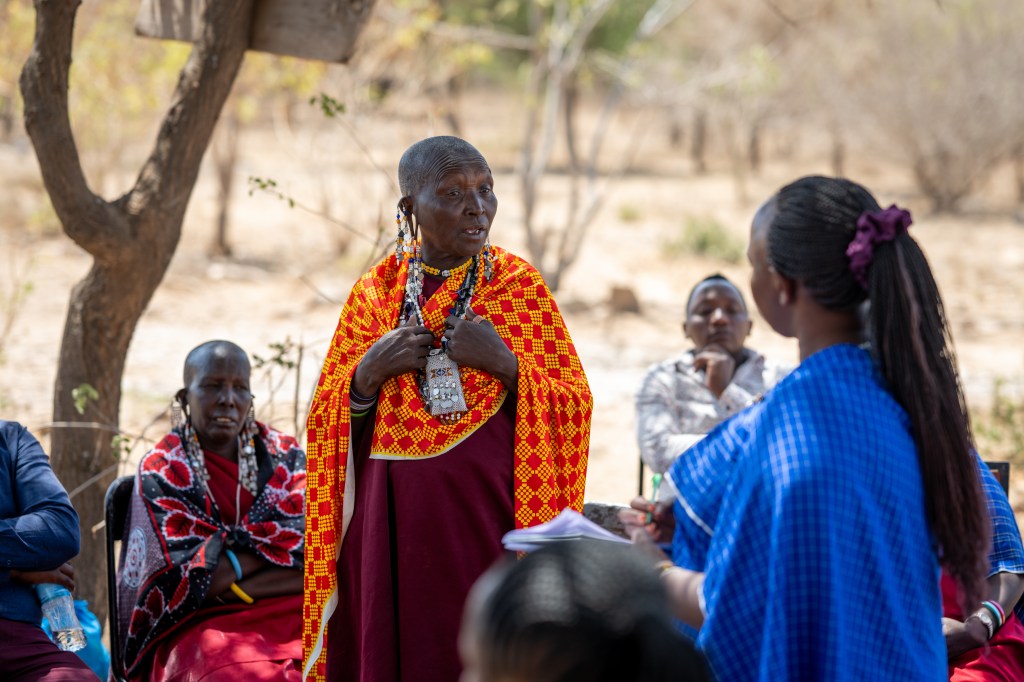
PWC works to ensure girls are able to exercise their right to an education while also preserving pastoralist culture. One successful approach, the organization found, has been the formation of Parent Teacher Associations (PTAs), created with help from Malala Fund. In PTA meetings, students, parents, teachers, elders, and government officials meet, discuss educational barriers, and come up with community-led solutions that preserve and honor their culture while advancing educational outcomes.
PTA meeting in Tanzania. Captured by James Roh for Pura
One recent PTA meeting highlights how these community-led solutions are often the most effective. At Lekule Girls Secondary School, the lack of fresh water forces girls to walk long distances to collect water for the school’s kitchen during the school day, and these long journeys not only disrupt class time but can leave girls vulnerable to sexual assault in isolated areas. Through facilitated discussion, PTA members landed on a solution: installing a borehole to pipe in fresh water to the school. Reliable access to water creates a better learning environment for the girls, but it also benefits the community at large, as local governments are then more likely to invest in health clinics and other community resources nearby.
With a solution in place, the PTA was then able to discuss ideas and map out a course of action. The women would raise money for the cost of the borehole, while the men would recruit workers to dig the hole and lay the pipe. Together, they would ask government officials to match their investment.
The benefits of PTA meetings within the pastoralist communities are undeniable. “The girls are talking and addressing issues in a confident way, and parents feel they are part of the resource team to solve challenges happening at school,” Grace says. One unexpected benefit: The larger cultural impact these PTA meetings have created. Thanks to the success of PTAs within pastoralist communities, the models are now being endorsed on a national level, and schools across Tanzania are starting to use them to solve problems in their own communities. When a community creates opportunities for girls to learn, everyone benefits.
Safe spaces in rural Pakistan help students and their parents connect, then drive change
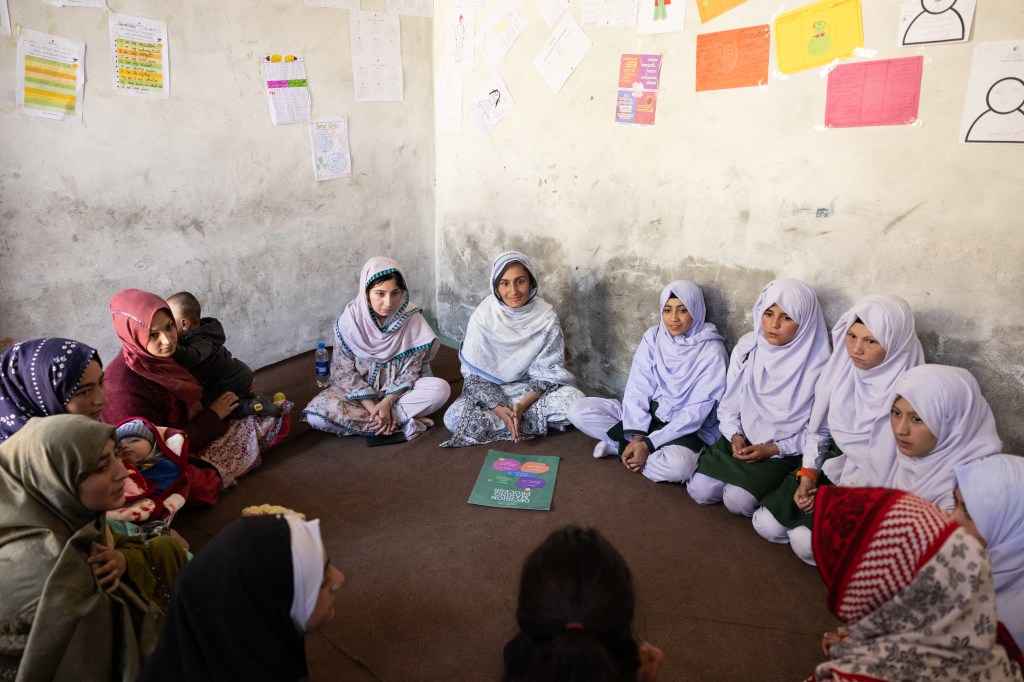
Safe space for girls meeting in Pakistan. Captured by Insiya Syed.
A continent away in Pakistan, the country’s northernmost region of Gilgit-Baltistan seems like a land untouched by time. The region’s looming mountains, snow-capped peaks, lush valleys and crystalline lakes draw nature lovers and landscape photographers from around the world, but living among this kind of breathtaking scenery has its drawbacks. Schools in the region are few and far between, and the area’s harsh climate often makes roads inaccessible for travel. Poverty and gender-based discrimination are additional obstacles, making school even further out of reach, and girls are affected disproportionately. Going up against these barriers requires a persistent, quiet strength that’s found in the women who live there and reflected in Pakistan’s signature scent.
Saheli Circles are how local leaders in Gilgit-Baltistan are bridging the gap between girls and education. An Urdu term for “female friend,” Saheli Circles are after-school safe spaces where girls explore subjects like art and climate change, while also developing skills that help them manage emotions, set goals, and build positive relationships. Girls study in groups, visit the library, play sports, and tackle filmmaking and photography projects, all designed to develop self confidence and teach the girls how to advocate for issues that matter to them. But the work doesn’t stop there.
“What we’re trying to achieve here will only be impactful if it trickles down to the home environment and the school environment,” says Marvi Sumro, founder and program director of Innovate, Educate, and Inspire Pakistan (IEI), the local organization that developed the Saheli Circles model and partnered with Malala Fund in 2021 to make it a reality. Ever since, Saheli Circles have grown to involve teachers, elders, and parents to encourage relationship building that’s essential for young girls and adolescents. “Our spaces can give mothers and daughters an opportunity to interact a little differently—do an art activity, or have a cup of tea together, or some good conversation,” Marvi says.
The relationship building is what makes the biggest positive impact throughout the community. Recently, one Saheli Circle was able to bring together parents, teachers, and administrators to advocate for better education at their local school, and together they convinced the department of education to hire a science teacher. Another Saheli Circle organized a fund where members of the community can contribute monthly to pay for uniforms, books, and other school expenses for the girls in their village, eliminating those small, hidden costs that are often a barrier to education for many. A third Saheli Circle was able to produce a short film about how gender-based household chores can take away valuable study time from girls, leaving them at a disadvantage. “The girls put the film together and showed it to the mothers, and the response from the mothers was just beautiful,” Marvi says.
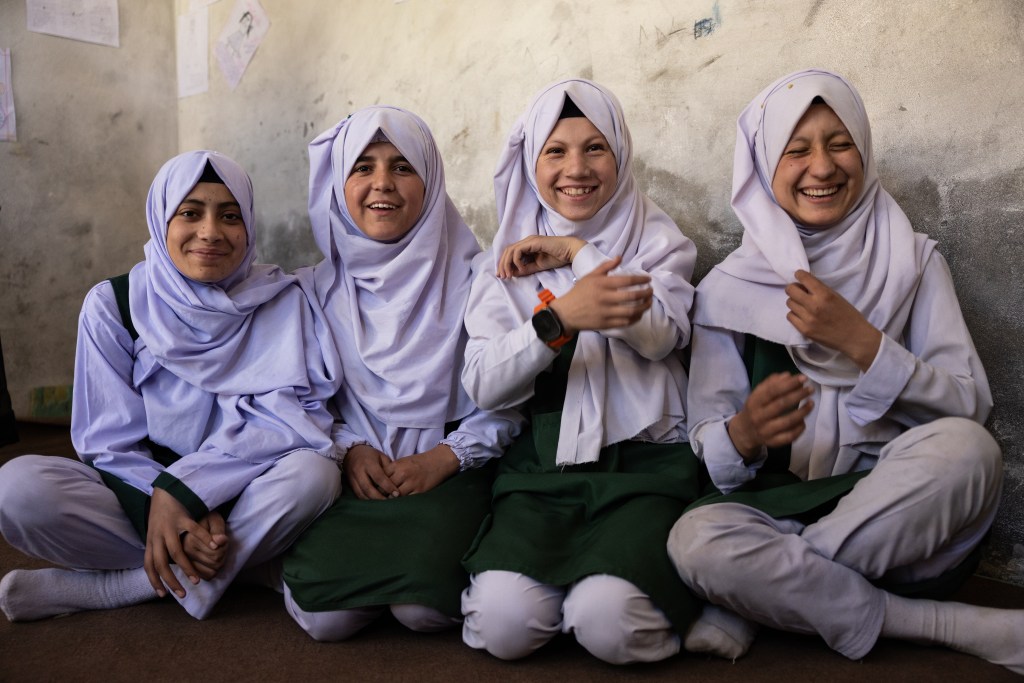
Girls smiling in Pakistan. Captured by Insiya Syed.
The education and relationship building that the girls receive in Saheli Circles connects them to larger opportunities and economic freedom that are not possible in their hometown. “For girls in Gilgit-Baltistan, education is extremely important because of the fact that we’re so far away from where the economy is, where the opportunity is. Education becomes this bridge for us, for our girls, to access all the opportunity and economy that exists in [larger cities].”
From rural Tanzania to remote Pakistan, local organizations prove every day that prioritizing girls’ education benefits everyone. Communities that lift up girls are able to secure resources like clean water and well-staffed schools, as well as build stronger relationships.
These outcomes are only possible because of the women and girls who work tirelessly in these regions to overcome barriers and drive progress. The Pura x Malala Fund Collection is a way to honor them, celebrate their achievements, and unite people the world over around a shared belief that education is freedom. Like scent, that belief can build, travel, and has the possibility to transform the world.
Experience the Pura x Malala Fund Collection here, and connect with the stories of real girls leading change across the globe.
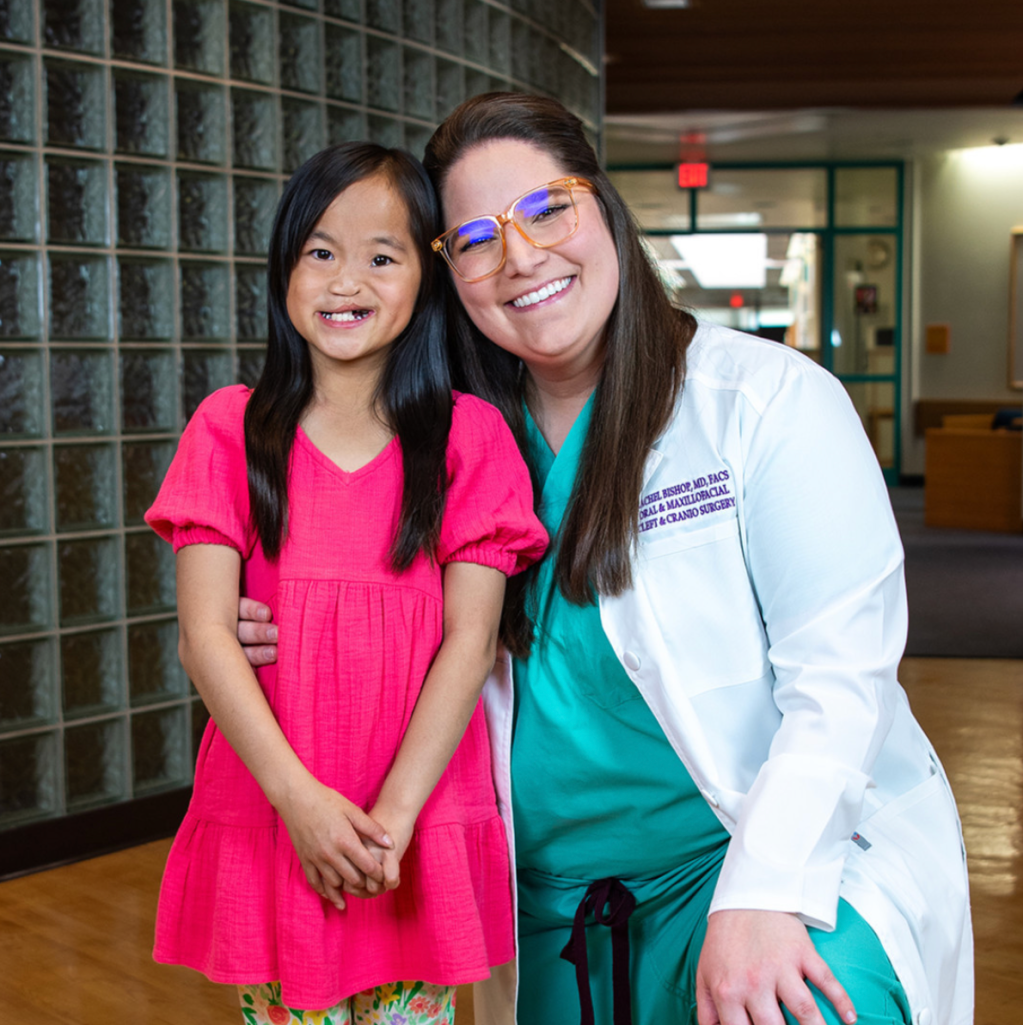
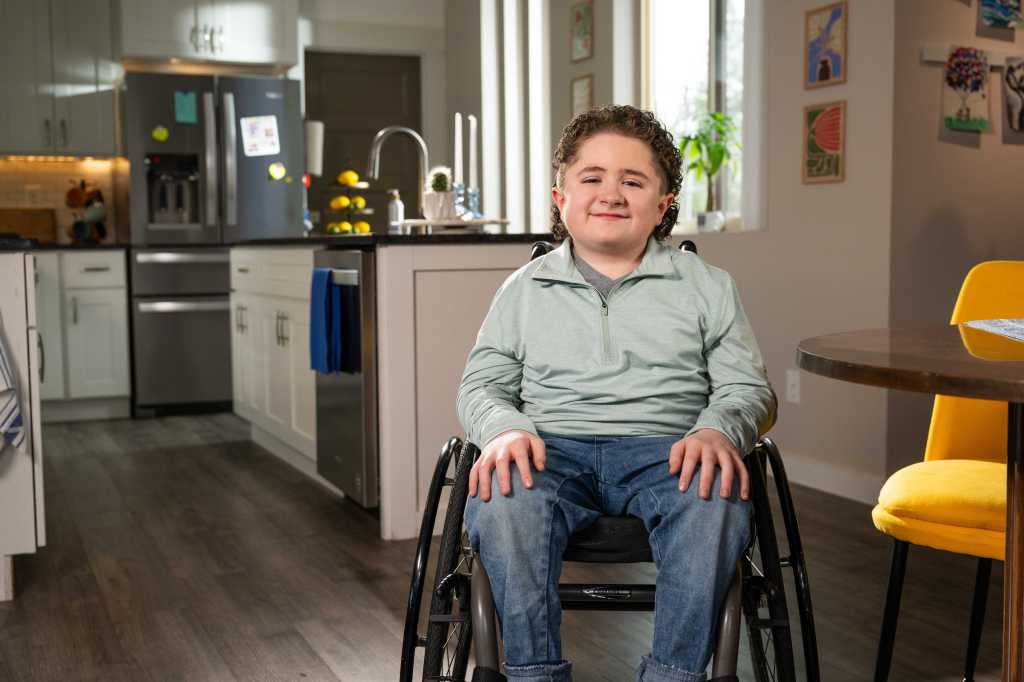
At first glance, you’ll see Chloe brimming with enthusiasm: she loves piano, art class, and Sour Patch Kids. But behind her bright smile is a deeper story — one of resilience and strength.
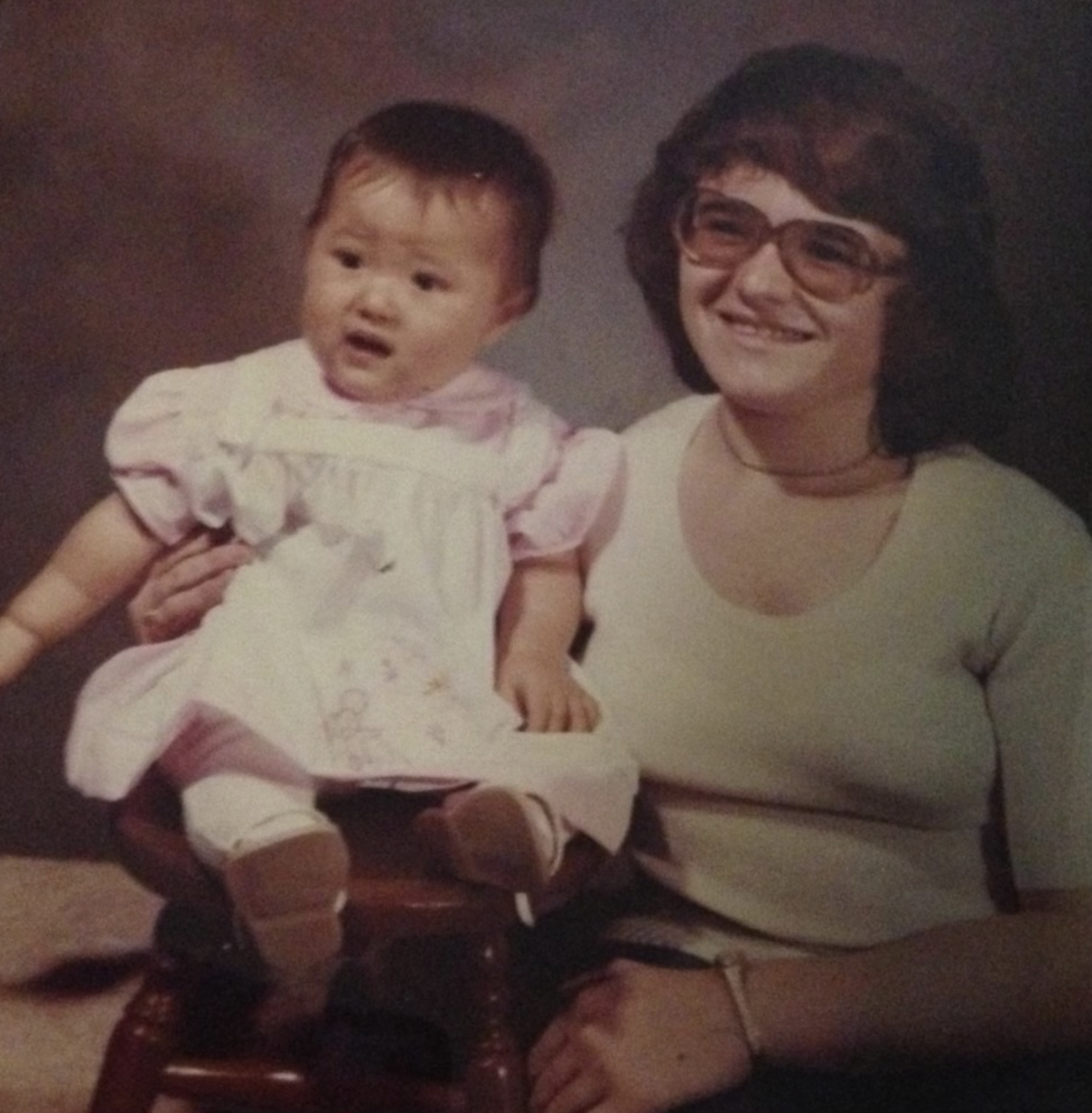
Adopted at age 4, Chloe was born with bilateral cleft lip and palate, a complex condition that makes eating and speaking difficult. Chloe was home in the United States for only a month before her adopted family began setting up a care plan for her eventually leading to Shriners Children’s™.
For Chloe and her family, specialized care is about far more than repairing her cleft lip and palate — it’s about giving her the freedom to follow her dreams without anything holding her back.
Bridging Care Gaps
Like Chloe, approximately 1 in 1,700 babies in the United States are born with cleft lip and palate. While it might seem like a straightforward surgical issue, in reality it’s a complex condition that affects multiple systems of the body during all stages of a child’s growth. Shriners Children’s provides specialty care for cleft lip and palate, which can include surgeries, dental care, speech therapy, and more.
For Chloe’s condition, as well as many others, Shriners Children’s provides care, regardless of the families’ insurance status or ability to pay. Thanks to generous donors, families whose children have complex conditions can access expert medical care as well as assistive devices, long-term rehabilitation, custom orthotics or prosthetics, and surgeries, among other things. In one year alone, Shriners Children’s performed more than 24,000 surgeries, 446,000 procedures, and welcomed 62,000 new patients. Donor gifts also help Shriners Children’s provide medical care at international outreach clinics, as well as provide telehealth services to children in underserved areas of the world.
A Future Transformed
Thousands of children who pass through Shriners Children’s receive care that transforms their health and their future. And Chloe — who now smiles and speaks confidently after multiple surgeries, therapy, and dental care provided by Shriners Children’s — is one of them.
“I want Chloe to be confident with herself and her speech,” said Casey, Chloe’s mom. “Shriners Children’s has gone a long way in helping us get there.”
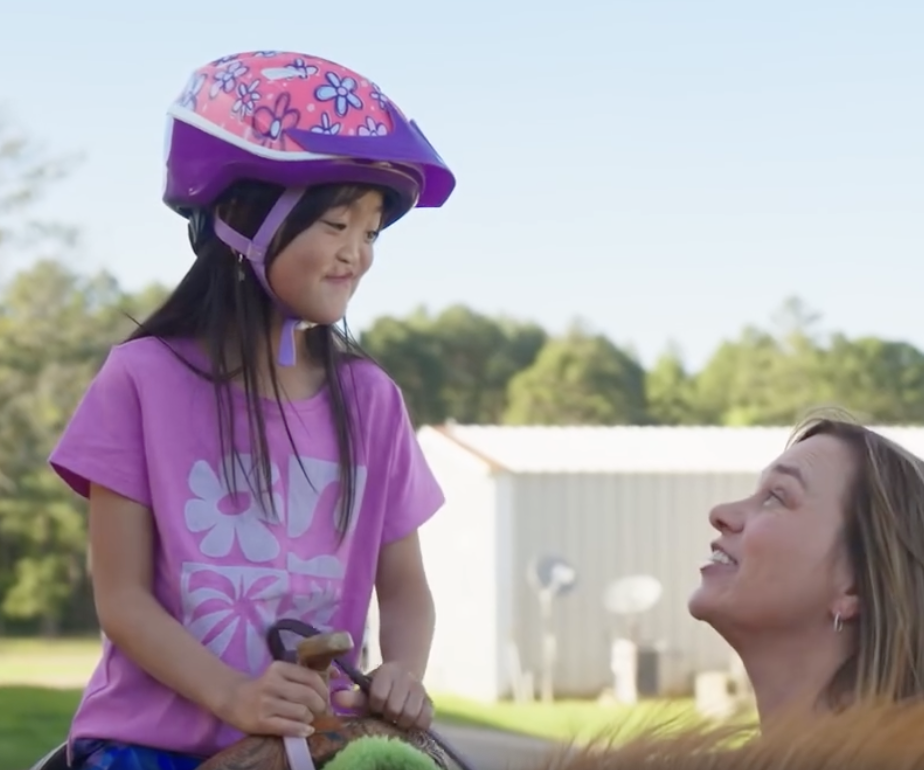
Now, Chloe can pursue her dreams — big and small — with confidence. Whether she’s creating art and working toward her dream of becoming an art teacher, or hoping to travel to China to see where she was born, the care she received from Shriners Children’s has opened the door for her to chase any path she chooses.
For Chloe, Shiners Children’s has become more than just a hospital — it’s a place where her smile, her voice, her confidence, and all of her dreams can develop and grow alongside her.
Shriners Children’s helps children heal and thrive so they can chase their dreams. Learn more about how they’re making it possible here and share this article to inspire others to join you. Shriners Children’s relies on generous donors to make a difference.
Donate today during the 3X Match Challenge to make 3X the life-changing impact for patients.
For Alex and his family, osteogenesis imperfecta spans four generations — and Shriners Children’s has been there every step of the way with life-changing care.
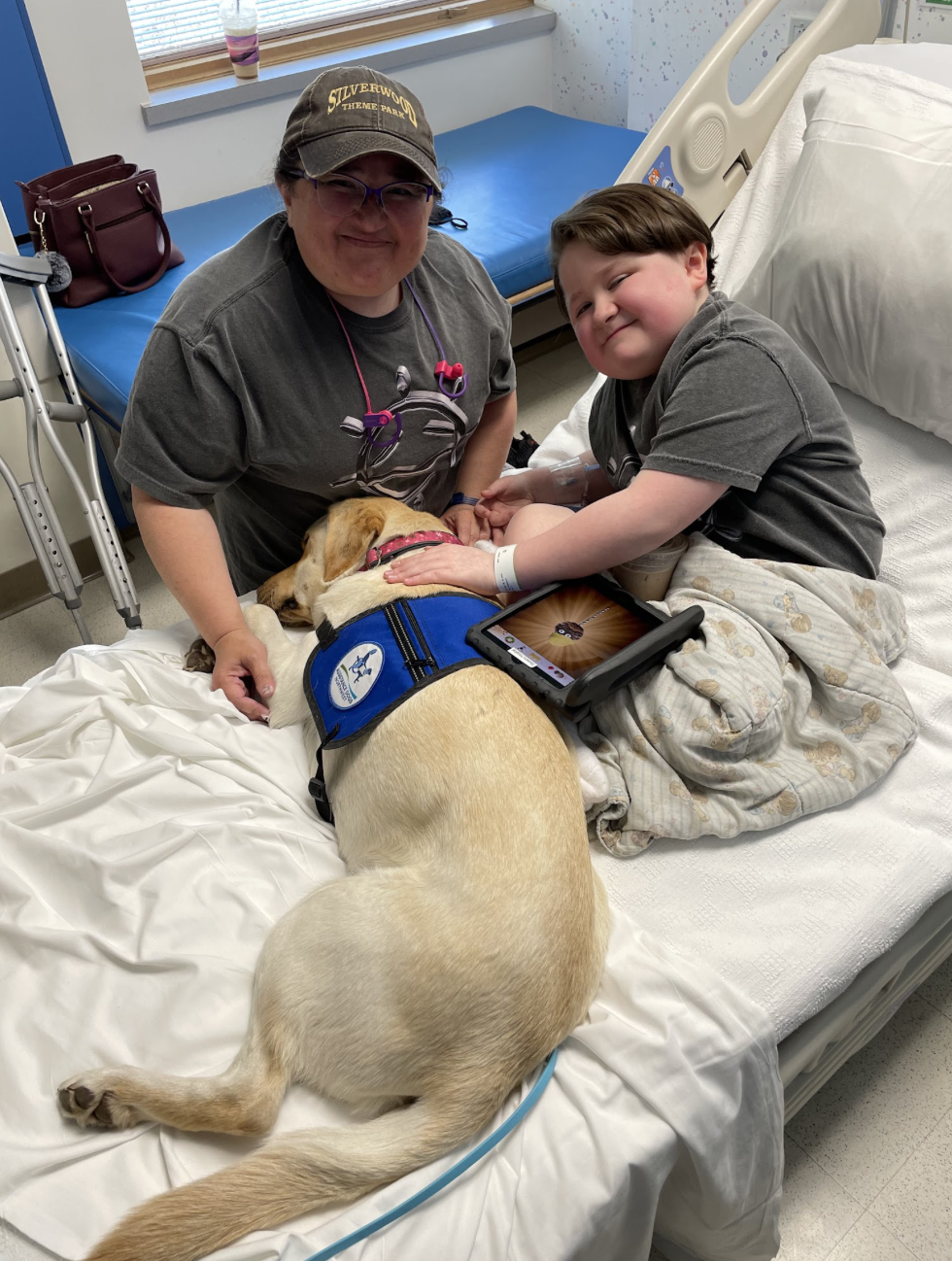
Like his mom, grandma and great-grandma before him, Alex was born with a condition called osteogenesis imperfecta, otherwise known as “brittle bone disease.” For every family member before him, the condition meant a lifetime of broken bones, hospital visits, and constant worry — but that story is now changing. With the support from Shriners Children’s™, Alex is experiencing a level of freedom and quality of life that former generations had only hoped for.
A family affair
Alex’s family’s story began in 1934, when his great-grandma June started fracturing her bones at the age of 10. June would be nearly a teenager before she received a diagnosis of osteogenesis imperfecta — and, with that, she became one of the first patients with the condition to be treated at Shriners Children’s.
June’s daughter, Wanda, was diagnosed with the same condition at Shriners Children’s shortly before she was born in 1955. Like her mom Wanda spent a significant part of her childhood in the hospital, often watching her siblings line up outside the hospital window to wave and wish her luck between surgeries.
When Wanda’s daughter was born, Chandra spent years undergoing treatment at Shriners Children’s for osteogenesis imperfecta, like her mom and grandma before her. Experiencing more than 200 fractures in her early years, she was unable to walk before age 22 — but no less determined to make life better for others with her condition. Chandra donated her bone marrow to be used in a study, and the results contributed to the OI protocols and treatment that are now the standard of care all over the world. Best of all, this study would go on to benefit her own son, Alex.
Care that feels like family
While her treatment journey was challenging, Chandra also cherished her experience at Shriners Children’s. “The staff was like family to me,” she said.
Shriners Children’s has been providing that same level of professional care for families across the country. Founded in 1922 — just two years before June was born — Shriners Children’s has been providing specialty care to children with a wide variety of complex conditions, such as orthopedics, burn injuries, cleft lip and palate, and others.
But Shriners Children’s doesn’t provide this care alone. All services are made possible by generous donors. Through their giving, patients are able to access specialty care as well as adaptive equipment, long-term rehab, surgeries, and more. In one year alone, Shriners Children’s performed more than 24,000 life-changing surgeries, as well as 446,000 procedures. On top of that, they delivered tens of thousands of prosthetic and orthotic devices for patients in need and welcomed an additional 62,000 patients on top of that.
Hope for a new generation
With Chandra’s bone marrow donation, along with the compassionate care he was able to receive through Shriners Children’s, Alex is now able to live a life his family only dreamt of. To treat his condition, Alex receives infusions that regulate calcium levels in his blood and slow bone breakdown.
“When Alex started walking between one and two years old, I was shocked,” Chandra said. “The fact that he was able to walk, even run, and knowing I had a part to do with that, makes my heart happy.”
Without consistent treatment, Alex’s family believes he might still be spending most of his time in the hospital, facing broken bones and countless fractures. Instead, the compassionate care he receives has given him a bright future — and has made Chandra eternally grateful.
“Shriners [Children’s] is amazing with him,” she said. “I love Shriners [Children’s] so much.”
Shriners Children’s helps children heal and thrive so they can chase their dreams. Learn more about how they’re making it possible and share this article to inspire others to join you. Shriners Children’s relies on generous donors to make a difference.
Donate today during the 3X Match Challenge to make 3X the life-changing impact for patients.
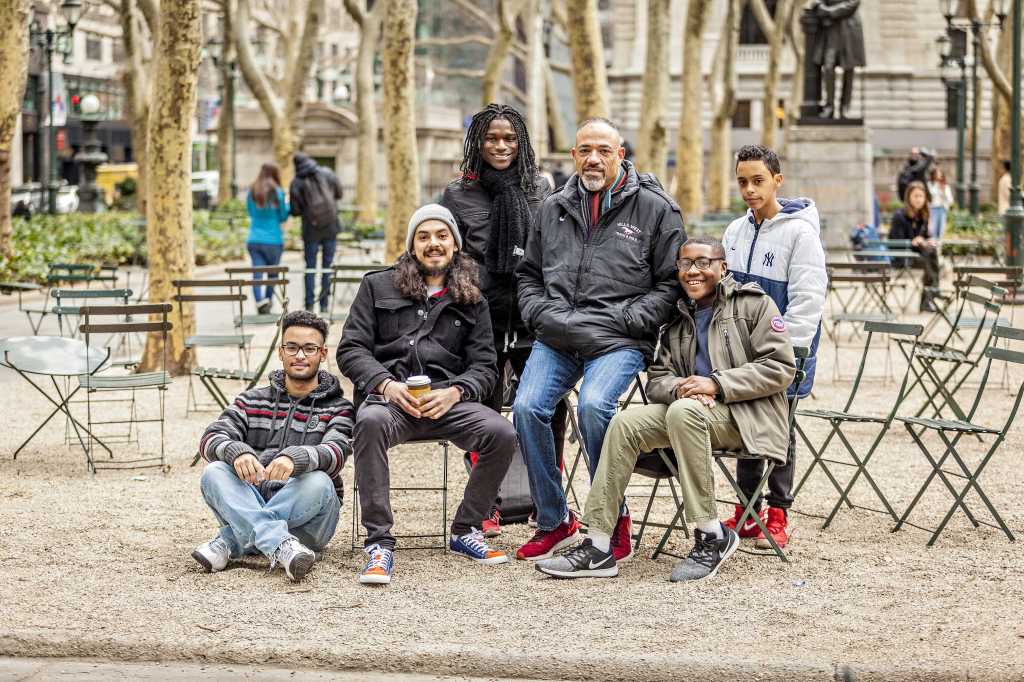
Like many children who are placed in foster care across the United States, Joe’s childhood was marked by chaos and a struggle to survive.
Joe still remembers neglect and abuse being part of his daily reality. Often left to care for his younger siblings alone, Joe grew up far too quickly.
He and his brothers were placed in the New York foster care system at an early age. And when he aged out of foster care at 21, he had no family to turn to for support.
“Statistically, I should be in jail, or I could be dead,” Joe said. “But that’s not my destiny.”
Today, Joe is determined to change the trajectory for young people lingering in foster care … as an adoptive parent and as an advocate, raising awareness along with organizations like the Dave Thomas Foundation for Adoption.
A complex problem with an evidence-based solution
More than 100,000 children in the U.S. foster care system are waiting for a safe, permanent home. But the sad reality is that thousands will “age out” of the system between 18 and 21, stepping into adulthood without support, guidance or a safety net.
The consequences of this can be devastating. Youth who leave foster care without the support of a forever family are much more likely to experience negative outcomes, including homelessness, unemployment, substance abuse and early, unplanned parenthood.
Through its signature program, Wendy’s Wonderful Kids®, the Dave Thomas Foundation for Adoption is working to be a part of the solution across the U.S. and Canada. Through this program, the Foundation supports the hiring of adoption professionals — known as recruiters — who serve children most at risk of aging out of foster care, including older children, children with special needs and siblings.
Wendy’s Wonderful Kids recruiters use an evidence-based, child-focused model, identifying trusted adults in the child’s network who may be open to adoption — and research shows that it works. A five-year, national evaluation showed that children referred to the program are up to three times more likely to be adopted.
Changing the journey for a new generation
Xavier was 18 and at risk of aging out of foster care without family support when he met Joe.
“My biggest fear was that I was going to age out and not know how to be sufficient on my own,” Xavier said. But Joe adopted Xavier just weeks before he was set to age out of the system. In the years that followed, Joe adopted from foster care again. And again.
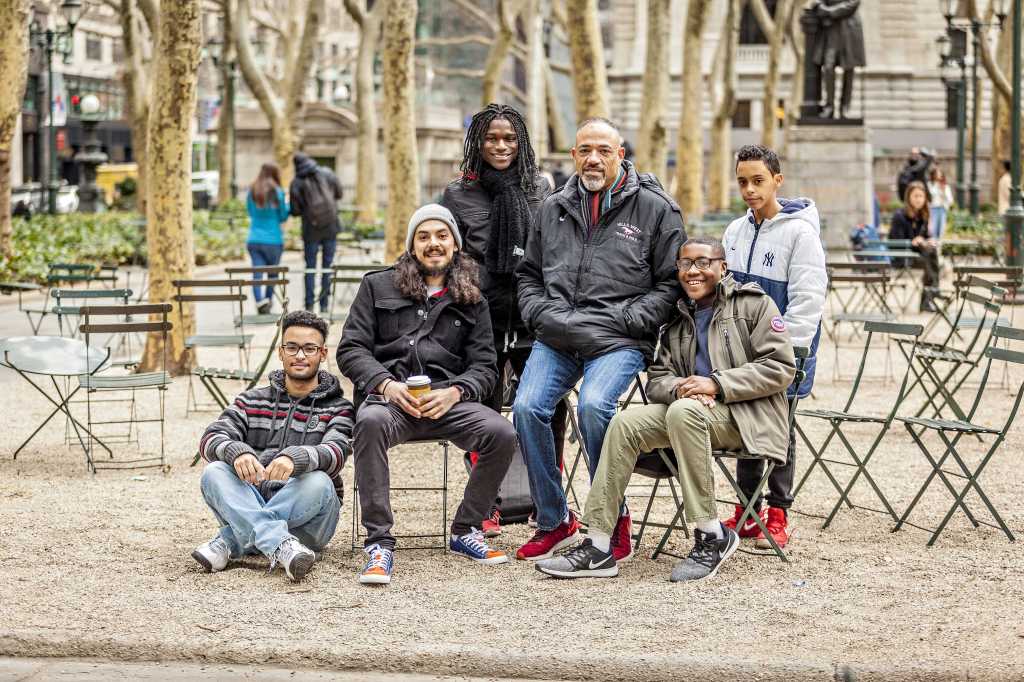
Today, Joe is a father to 10 sons, seven of whom were adopted with help from the Dave Thomas Foundation for Adoption.
“Meeting my boys has put them on a different path,” Joe said. “Wendy’s Wonderful Kids was a real support and guide to being able to do what I try to do: making sure they have the tools to survive.”
“For me, it’s been beautiful to see that [my brothers are] spreading out to go live their own lives,” Xavier said. “It’s something [Joe] has prepared us for. He gave us the mentality that we could do whatever we want.”
Writing a new ending
After aging out of foster care, Joe managed to defy the odds, graduating from college and becoming a school counselor. Still, despite his own success story, he knows that many children who spend time in foster care aren’t as fortunate.
Joe hopes providing a “home base” for his sons means a brighter future for them.
“Here, we have people you can call your family — your brothers, your father,” Joe said. “Everybody, no matter where they are, knows that they can come home.”
Learn more about the Dave Thomas Foundation for Adoption and how you can help find forever families for more children lingering in foster care right now.
Like many children who are placed in foster care across the United States, Joe’s childhood was marked by chaos and a struggle to survive.
Joe still remembers neglect and abuse being part of his daily reality. Often left to care for his younger siblings alone, Joe grew up far too quickly.
He and his brothers were placed in the New York foster care system at an early age. And when he aged out of foster care at 21, he had no family to turn to for support.
“Statistically, I should be in jail, or I could be dead,” Joe said. “But that’s not my destiny.”
Today, Joe is determined to change the trajectory for young people lingering in foster care … as an adoptive parent and as an advocate, raising awareness along with organizations like the Dave Thomas Foundation for Adoption.
A complex problem with an evidence-based solution
More than 100,000 children in the U.S. foster care system are waiting for a safe, permanent home. But the sad reality is that thousands will “age out” of the system between 18 and 21, stepping into adulthood without support, guidance or a safety net.
The consequences of this can be devastating. Youth who leave foster care without the support of a forever family are much more likely to experience negative outcomes, including homelessness, unemployment, substance abuse and early, unplanned parenthood.
Through its signature program, Wendy’s Wonderful Kids®, the Dave Thomas Foundation for Adoption is working to be a part of the solution across the U.S. and Canada. Through this program, the Foundation supports the hiring of adoption professionals — known as recruiters — who serve children most at risk of aging out of foster care, including older children, children with special needs and siblings.
Wendy’s Wonderful Kids recruiters use an evidence-based, child-focused model, identifying trusted adults in the child’s network who may be open to adoption — and research shows that it works. A five-year, national evaluation showed that children referred to the program are up to three times more likely to be adopted.
Changing the journey for a new generation
Xavier was 18 and at risk of aging out of foster care without family support when he met Joe.
“My biggest fear was that I was going to age out and not know how to be sufficient on my own,” Xavier said. But Joe adopted Xavier just weeks before he was set to age out of the system. In the years that followed, Joe adopted from foster care again. And again.
Today, Joe is a father to 10 sons, seven of whom were adopted with help from the Dave Thomas Foundation for Adoption.
“Meeting my boys has put them on a different path,” Joe said. “Wendy’s Wonderful Kids was a real support and guide to being able to do what I try to do: making sure they have the tools to survive.”
“For me, it’s been beautiful to see that [my brothers are] spreading out to go live their own lives,” Xavier said. “It’s something [Joe] has prepared us for. He gave us the mentality that we could do whatever we want.”
Writing a new ending
After aging out of foster care, Joe managed to defy the odds, graduating from college and becoming a school counselor. Still, despite his own success story, he knows that many children who spend time in foster care aren’t as fortunate.
Joe hopes providing a “home base” for his sons means a brighter future for them.
“Here, we have people you can call your family — your brothers, your father,” Joe said. “Everybody, no matter where they are, knows that they can come home.”
Learn more about the Dave Thomas Foundation for Adoption and how you can help find forever families for more children lingering in foster care right now.
There’s something magical about watching someone go “all in” on something. Whether it’s an elaborately themed birthday party or a home chef turning dinner into a culinary spectacle, going “all in” means total commitment—no holding back, no second guessing, just full-throttle enthusiasm. It’s not just about doing something well; it’s about diving in headfirst—often with a bit of flair and creativity (or a lot of it). To go “all in” means to be fully present in the moment and create something truly special as a result.
In this roundup, we’ve scoured the internet for the best examples of people going all in—those moments where passion, creativity, and total commitment take center stage. Some are silly, some are sentimental, but all of them are a reminder that giving 100% is the only way to truly leave a mark on this world. Buckle up—these folks didn’t just show up, they went all in.
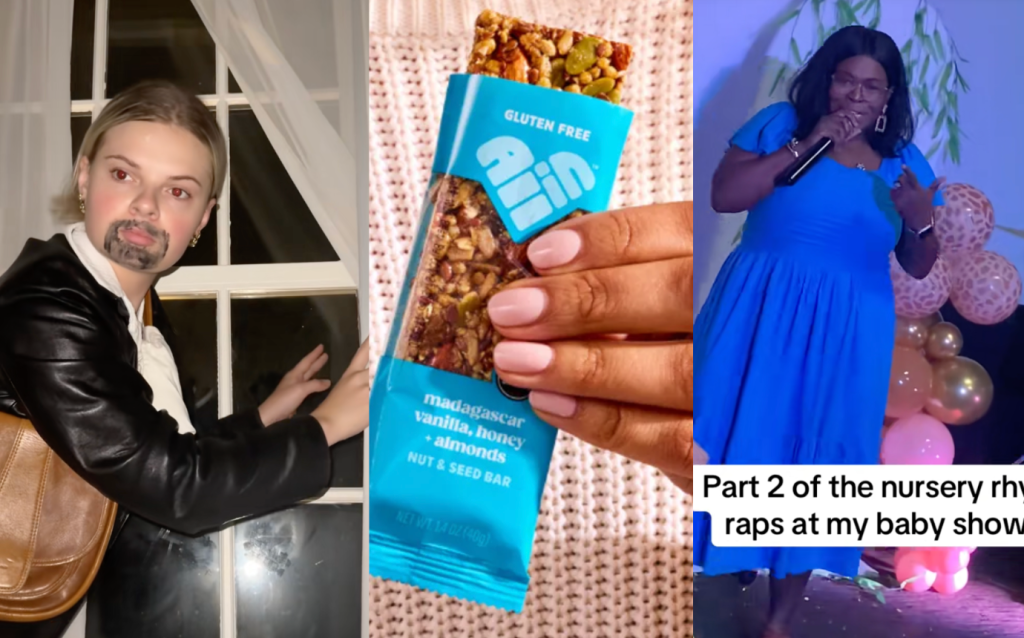
If you’ve been on TikTok at all in the past week, chances are you’ve come across the content creator Ashby, who’s famous for going live dressed (and in character) as the Lorax. Recently, Ashby’s been going viral for a different reason: Her hilarious reenactments of the scene in Hamilton where Alexander Hamilton sneaks out the window to prepare for his duel with Aaron Burr. In these reenactments, Ashby takes what used to be a sentimental song (“Best of Wives and Best of Women”) and hilariously reimagines it as Alexander being completely annoyed with his wife’s insistence to come back to bed.
Not only is Asbhy’s commitment to her character impressive (and laugh-out-loud funny), it’s also helped spark tons of other reenactments of the same scene across TikTok. Open the app and you’ll see dozens of other women who are also completely committed to the part—the facial expressions, the costumes, the scenery, even casting their significant others as Eliza. We have Ashby to thank for it.
2. BOGO (Buy One, Get One) bars for everyone
Another thing we like to go “all in” on? Saving money. And right now our friends at All In are giving us a fantastic deal on some seriously tasty snacks. To get a free (!!!) box of their organic snack bars, sign up with your phone number on Aisle, grab two boxes of All In bars at Sprouts, snap a pic of your receipt, and text it through Aisle. They’ll Venmo or PayPal you back for the cost of one box, and then all you have left to do is enjoy your new favorite treat. Easy peasy.
First, some background: Unless you’ve been living under a rock this summer, you probably know that the show everyone’s been watching is The Summer I Turned Pretty, a series based on the best-selling books written by Jenny Han. Essentially, it’s a story about a love triangle between Isabella “Belly” Conklin and her two lifelong best friends Jeremiah and Conrad Fisher. Now on its third season, we find Belly engaged to Jeremiah despite possibly (most definitely) harboring feelings for her ex (and Jeremiah’s brother!!!), Conrad. Jeremiah’s busy at work, so Conrad takes it upon himself to help Belly with planning her and Jeremiah’s wedding.
While the jury’s still out on who Belly will end up with, fans of the show have taken to social media to make elaborate arguments on which of the boys she should pick (and, sorry Jeremiah, but everyone is mostly #TeamConrad). In our favorite video, the creator adelaidesdetours creates a multi-part, in-depth slide deck that serves not only as a deep dive into Conrad Fisher’s character (he’s guarded! He’s grieving his mom!) but also as a treatise into why Conrad is the superior choice. If that weren’t extra enough, there’s also a third part to the powerpoint about why Jeremiah is wrong for Belly. Her argument is airtight, and her commitment to the bit is impressive (she even presents this slideshow to a Jeremiah supporter at work). All we can say is: nicely done. Team Conrad all the way.
Let’s be honest: We don’t usually associate baby showers with loud music and party vibes. This one, though? Seems like the greatest baby shower of all time. These videos, posted to TikTok by content creator KaylonPatecia, show how friends and family transformed her baby shower into a vocal showdown worthy of the movie Pitch Perfect. Instead of singing a capella, though, these partygoers layered G-rated nursery rhymes like “Twinkle Twinkle Little Star” and “Humpty Dumpty” over tracks like Juvenile’s “Back That Azz Up” and “Get Low” by Lil John and the East Side Boyz. The creativity, the planning, and the talent that went into making these almost defies belief, and this is undoubtedly a memory the entire family will be able to treasure for years.
Finally, we have one of the most unforgettable examples of going all in that we’ve ever seen—a marriage proposal. In a TikTok posted by content creator Taylor Arenz, she shows how her brother planned an elaborate scavenger hunt across Houston to propose to his girlfriend. At each stop—all locations that were meaningful to their relationship—she was greeted by a friend or family member who would present her with a pre-recorded video message guiding her to the next destination. The entire thing was filmed, photographed, and capped off with an in-person, heartfelt proposal infant of a huge “MARRY ME” sign in the pouring rain. Talk about show-stopping. Hats off to this guy, who just set the bar sky-high for everyone else planning a proposal. He definitely went all in—and since they’re married now, clearly so did she.
Snag your free (!!) snack bars here while this deal lasts.
We help people feel better about the world After seeing Upworthy content 95% feel more inspired to do good We help people feel better about the world After seeing Upworthy content 95% feel more inspired to do good
+8% increase in purchase intent Our partners see the difference in our approach. +8% increase in purchase intent Our partners see the difference in our approach.