
According to Pew Research, 51% of Americans lived in middle-class households in 2023. In the U.S., “middle class” generally means middle-income households, which Pew defines as “those with an income that is two-thirds to double that of the U.S. median household income, after incomes have been adjusted for household size.”
Generally speaking, Americans think of “middle class” as doing fine financially, but not necessarily well-off. You’re not struggling, but you’re not driving luxury cars and taking fancy vacations each year. You work for your money, and your income allows you to live a reasonably comfortable life.
What does ‘middle class’ mean in the United Kingdom?
That is not what the middle class means in the U.K. In fact, economic classes in the U.K. have dimensions that we don’t even have in the U.S., as explained by an American who lived in London for three years.
The gentleman behind IdeaSoup on YouTube shared that he often got confused because Brits use the term “middle class” very differently.
“I means ‘well-off,’ like kind of wealthy, well-bred, you send your kids to good schools,” he said. “It kind of means ‘bougie.’ Like lawyers are middle class, doctors are middle class, finance people with millions and millions of pounds are middle class in the U.K.”
So basically, middle class for Brits is more like upper class for Americans. Many in the U.S. middle class would be called “working class” in the U.K., though they’re not direct synonyms.
Why does ‘middle class’ mean something different across the pond?
We speak the same language and share the same historical roots, so why do we define the middle class so differently?
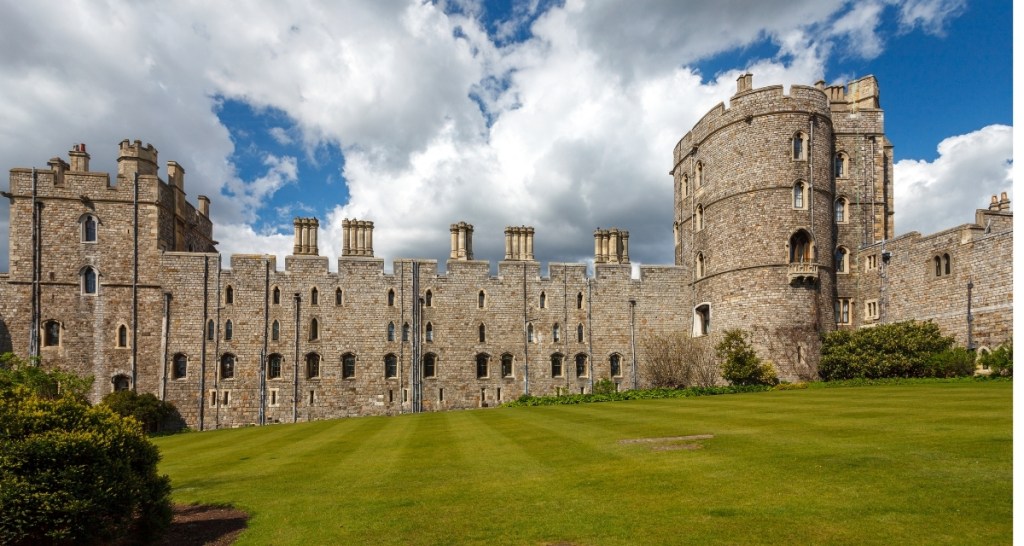
Part of it comes down to the class we don’t have: nobility. That was part of the point of becoming a separate nation to begin with. We don’t have titles like lord or duke with vast swaths of land being passed down through generations for hundreds of years.
“I mean, the House of Lords was hereditary in the U.K.,” he explained. “They had a parliamentary body that was fully [well, mostly] hereditary up until 1999. And so the idea in the U.K. is that if you’re a wealthy banker or entrepreneur or something, you are still middle class because you have no title, right? The ‘upper class’ is the titled class.”
Also, class isn’t totally connected to money or income in the U.K. like it is in the U.S.
When Americans talk about lower, middle, and upper class, we’re thinking in dollar signs. Your household income determines your class level. Simple as that.
In the U.K., money is part of the class system, but it doesn’t depend on it.
“A wealthy plumber in the U.K. is still ‘working class,’ whereas a wealthy plumber in the U.S. could be upper middle class or even upper class if they own their own business and they’re doing very, very well,” he explained.
So what determines class in the U.K.? Things like who your parents are, what accent you have, and where you went to school.
“In the U.K., you can be poor and upper class and you can be rich and working class. And those combinations just cannot exist in the U.S.,” he said. He gave an example of someone saying an actor came from a middle class family. In the U.S., that means they were “self-made.” In the U.K., it means they could be some kind of a rich nepo baby.
Examples of the differences in class meanings between the U.K. and U.S.
Someone on Reddit asked about the middle class in U.K. and Brits gave examples of how it can be confusing for folks who didn’t grow up with it.
“Sir Alan Sugar – UK millionaire and now member of the House of Lords. By definition he should be upper class as he is a Lord. Yet he was proudly born more working class, living in a council house. Because of this he will see himself as a working class kid ‘done good.’ His children will be decidedly upper class.”
“Wayne Rooney – Working class lad. Played football. Captained his country. Earned £250,000 a week. Now upper middle, can’t take the working class away from him and he will be proud of it and what he’s achieved. His children will be upper middle. But not upper as they don’t have the upper class generational privilege.”
“I knew a lord and lady who had a home (and land) so vast that it was impossible to maintain. They simply lived in a tiny corner of it, the rest of the place had no electricity or water, and appeared to have remained completely untouched for at least a century. Vast ballrooms, servants quarters, hallways, all dark and frozen in time. There were clothes in the drawers in the bedrooms, belonging to people who had long since died, pots and pans in the kitchens. It was insane. They had no money. But nobody could argue their class status.”
One person shared a helpful breakdown of the subtiers of the U.K. class system:
You have to remember the UK class system has a variety of sub-tiers to each tier
- Old money Upper class and the “New Money” Upper Class.
- Upper Middle class
- Middle Middle class
- Lower Middle class
- Upper Working class
- Your standard Working class
- And Underclass
So the American middle class is more akin to standard to upper working class, which makes for some confusion when talking politics:
“It’s very confusing for UK people to hear that American politicians want to help the ‘middle classes’ – we think , ‘Why? Can the Jones family not afford to send Tarquin to Switzerland ski-ing this year? Why is that a tax payer problem?’”
So, there you go. Nothing like a little U.S./U.K. opposite meanings confusion to add a little spice to our overseas friendships.
You can follow IdeaSoup on YouTube.